
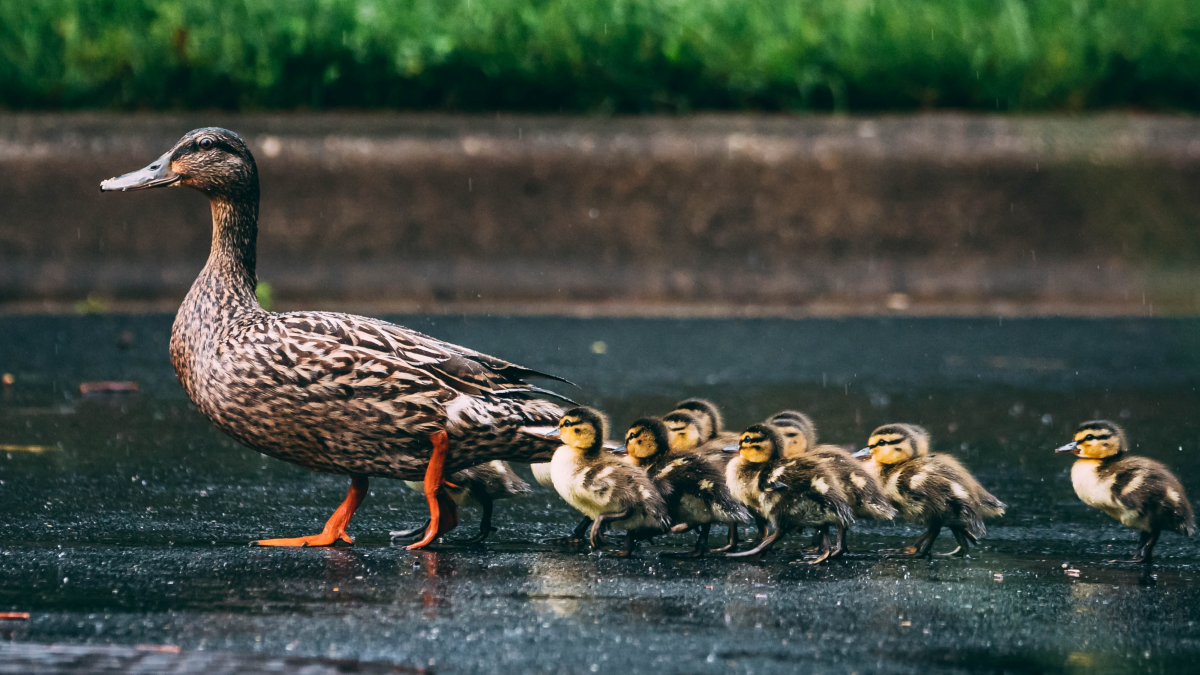
Have you ever wondered if all birds share the same special way of learning from their parents? Imprinting behavior is a fascinating process that shapes how young birds recognize and follow their caregivers.
But does every bird experience this, or is it just a trait of a few species? Understanding this can change the way you see birds and their early lives. Keep reading to discover the surprising truth about bird imprinting and how it affects their behavior in ways you might never have imagined.
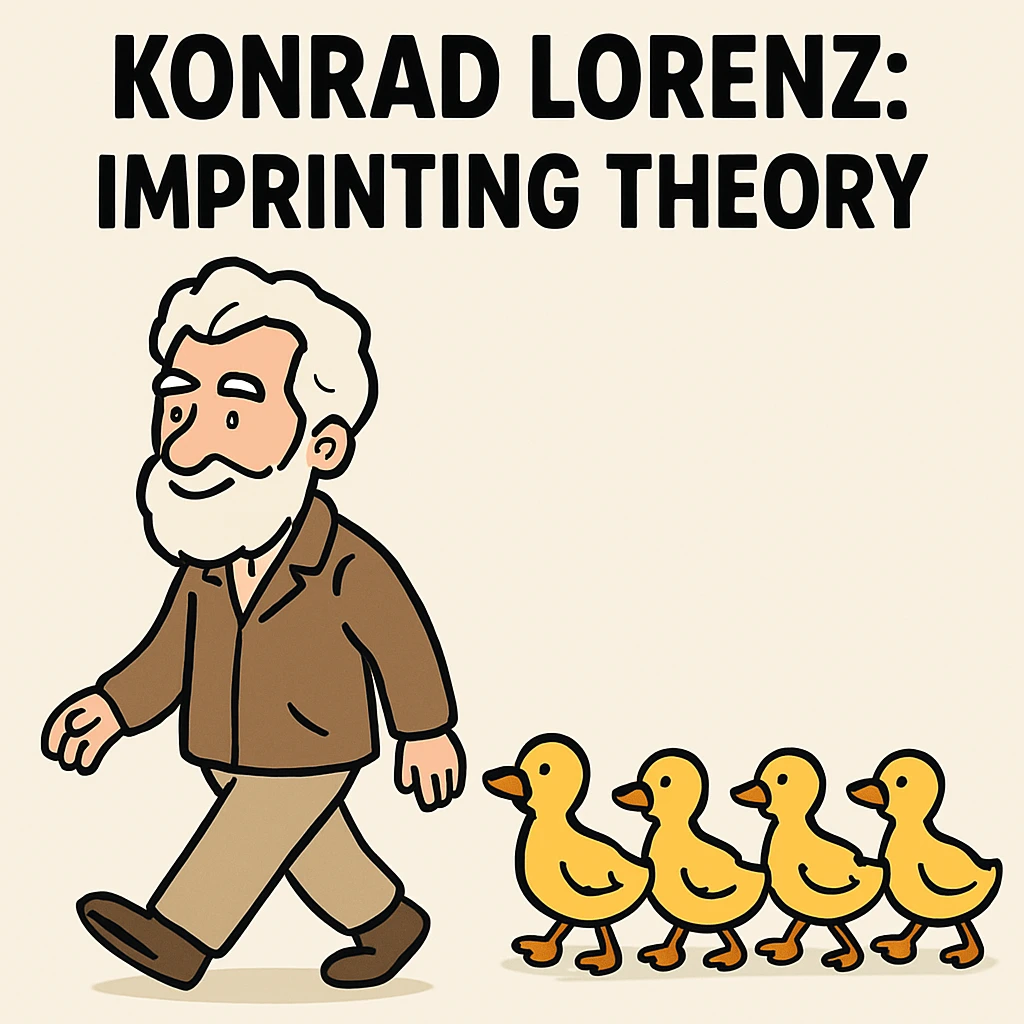
Credit: www.earlyyears.tv
Imprinting In Birds
Not all birds show imprinting behavior. Some species quickly learn to recognize their parents, while others rely on instincts. Imprinting helps young birds follow and learn from their caregivers early in life.
Imprinting in birds is a fascinating phenomenon that plays a crucial role in their development and survival. This behavior is observed in various bird species and is essential for forming early life connections. Understanding imprinting helps explain how birds interact with their environment and form attachments that guide them throughout their lives.What Is Imprinting
Imprinting is a type of learning that occurs at a specific stage in a bird’s life. During this period, birds form strong attachments to the first moving object they encounter, often their parent. This learning is both rapid and irreversible, setting the foundation for survival skills such as recognizing species, identifying parents, and learning migratory patterns.Types Of Imprinting
There are several types of imprinting that can be observed in birds:- Filial Imprinting:This is the most common type, where young birds recognize and follow their parent. It’s crucial for learning essential behaviors and survival skills.
- Sexual Imprinting:As birds mature, they learn the characteristics of their species to choose suitable mates. This ensures they can continue their lineage with genetically compatible partners.
- Habitat Imprinting:This helps birds identify suitable environments for breeding and raising their young. It plays a significant role in the migratory patterns of various bird species.
Species That Exhibit Imprinting
Not all birds display imprinting behavior, but several species are well-known for this fascinating trait. Imprinting typically occurs during a critical early period when young birds form strong attachments to a parent or caregiver figure. Understanding which species show imprinting helps you grasp how bird behavior and survival strategies differ across the avian world.
Waterfowl And Imprinting
Waterfowl, such as ducks and geese, are classic examples of birds that exhibit strong imprinting behavior. Right after hatching, ducklings and goslings quickly recognize and follow the first moving object they see, usually their mother. This early bond is crucial for their safety and learning essential survival skills.
Have you ever seen a duckling following a human? That’s imprinting in action. It shows how powerful this behavior can be, sometimes overriding natural instincts.
Songbirds And Imprinting
Songbirds also display imprinting, but in a more specialized way. Instead of just following a parent, young songbirds learn their species’ unique songs by listening and mimicking. This form of imprinting is vital for communication and attracting mates later on.
For example, zebra finches memorize their father’s song during early development. This early learning shapes their future singing ability and social interactions.
Other Birds With Imprinting Behavior
Besides waterfowl and songbirds, some raptors and seabirds show imprinting traits too. Young falcons and albatrosses recognize their parents visually and acoustically soon after birth. These attachments help them stay safe and learn hunting or flying skills effectively.
Not all birds imprint in the same way, so observing different species can give you insights into how nature adapts learning to fit each bird’s lifestyle. What does this mean for bird conservation? It suggests that early environment and caregiver presence are key for raising healthy birds.
Birds Without Imprinting
Not all birds show imprinting behavior. Some species develop bonds in different ways. These birds do not rely on early-life imprinting for survival or learning. Understanding why some birds lack imprinting helps us learn about their unique life strategies.
Why Some Birds Lack Imprinting
Certain birds do not imprint because their young are more independent. These birds often hatch with full feathers and open eyes. They can feed themselves soon after birth. This reduces the need for a strong early bond with parents.
Birds that migrate long distances may avoid imprinting. Imprinting could limit their ability to adapt to new environments. Also, some birds use instincts rather than learned behavior to survive. This makes imprinting less important for them.
Alternative Attachment Methods
Birds without imprinting use other ways to form connections. Many rely on vocal calls to recognize family members. These calls help maintain group cohesion and safety.
Physical closeness and feeding routines build trust between parents and chicks. This gradual bonding supports survival without strict imprinting. Social learning through observation also plays a key role. Young birds learn by watching adults instead of imprinting early.
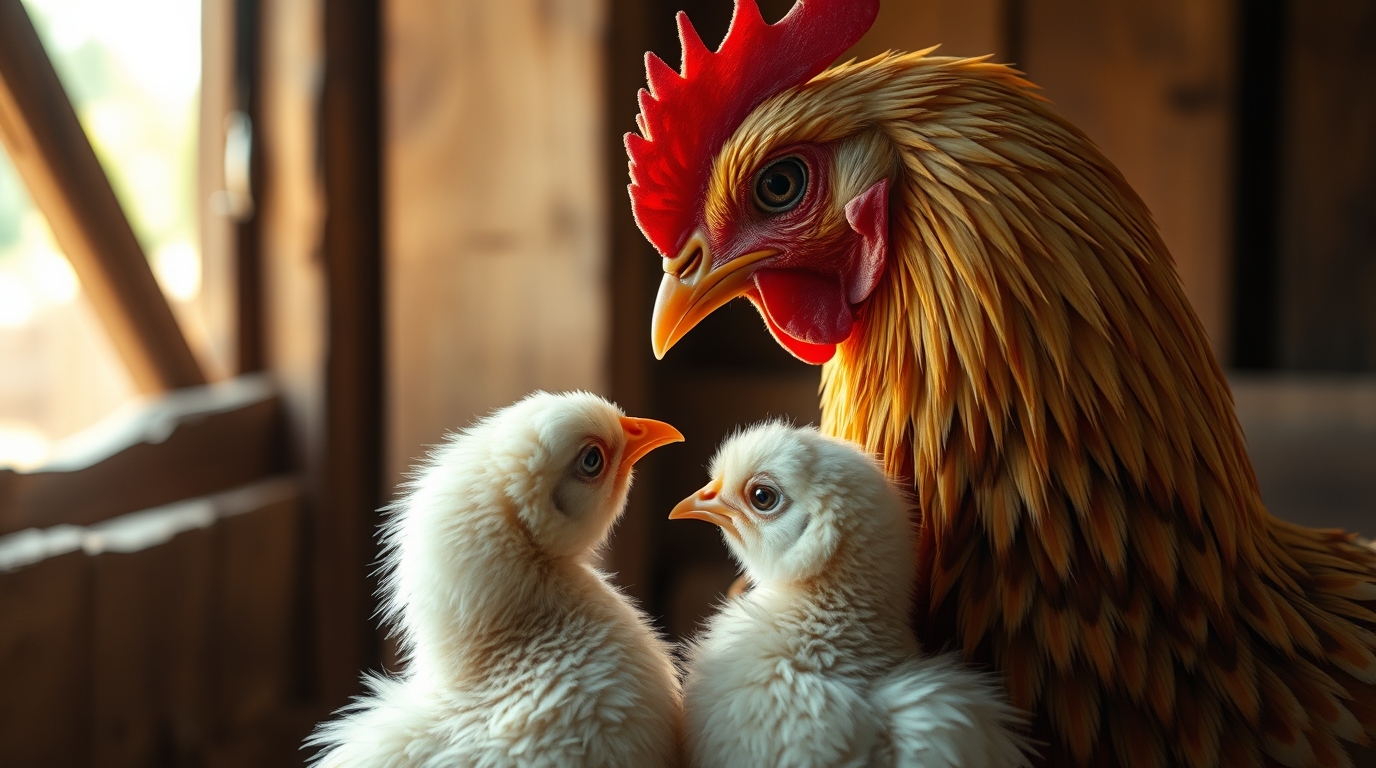
Credit: weekendhomesteaders.com
Mechanisms Behind Imprinting
Imprinting is a special type of learning seen in some birds. It happens early in their life and shapes their behavior. This process helps birds recognize their parents, mates, or safe places. Understanding the mechanisms behind imprinting reveals how birds connect with their environment and survive. These mechanisms involve specific times and sensory signals that guide the learning process.
Critical Periods In Imprinting
Imprinting occurs during a short, sensitive time after hatching. This time is called the critical period. Birds must experience certain stimuli in this window to form strong bonds. If they miss this period, imprinting may not happen correctly. The critical period varies among bird species but is always early in life.
During this time, the brain is very open to learning. The bird quickly memorizes the first moving object it sees, often its mother. This early learning helps the bird follow and stay safe. Missing this chance can affect the bird’s survival and social behavior.
Role Of Sensory Cues
Sensory cues play a key role in imprinting. Birds use their eyes, ears, and sometimes smell to recognize important signals. Visual cues like shape and movement are the most common triggers. The first moving object a chick sees often becomes its imprint.
Sound cues also help birds identify their parents. Calls or songs guide the young bird to follow the right adult. Some species rely on smell or touch, but these are less common. The combination of senses ensures the bird forms a clear and lasting imprint.
Imprinting Effects On Bird Behavior
Imprinting deeply shapes bird behavior from an early age. This process helps young birds recognize key figures in their environment. These early attachments influence how birds interact throughout life. Imprinting affects many areas, including social skills and mating habits. Understanding these effects reveals why some birds behave as they do.
Social Bonding And Survival
Imprinting helps birds form strong social bonds. Young birds learn to trust their parents or caregivers. This trust ensures they stay close and safe. Birds that imprint well can better avoid dangers. They know who to follow and where to find food. Social bonds also help birds learn important survival skills. These include finding shelter and recognizing threats. Imprinting creates a foundation for a bird’s social life.
Impact On Mating Choices
Imprinting influences how birds select mates later. Birds often prefer mates similar to their early attachments. This helps maintain species traits and behaviors. Some birds even imprint on the appearance or song of their caregivers. Such preferences guide their choices during the breeding season. This behavior supports successful reproduction and species survival. Imprinting’s role in mating choices shows its long-term importance.
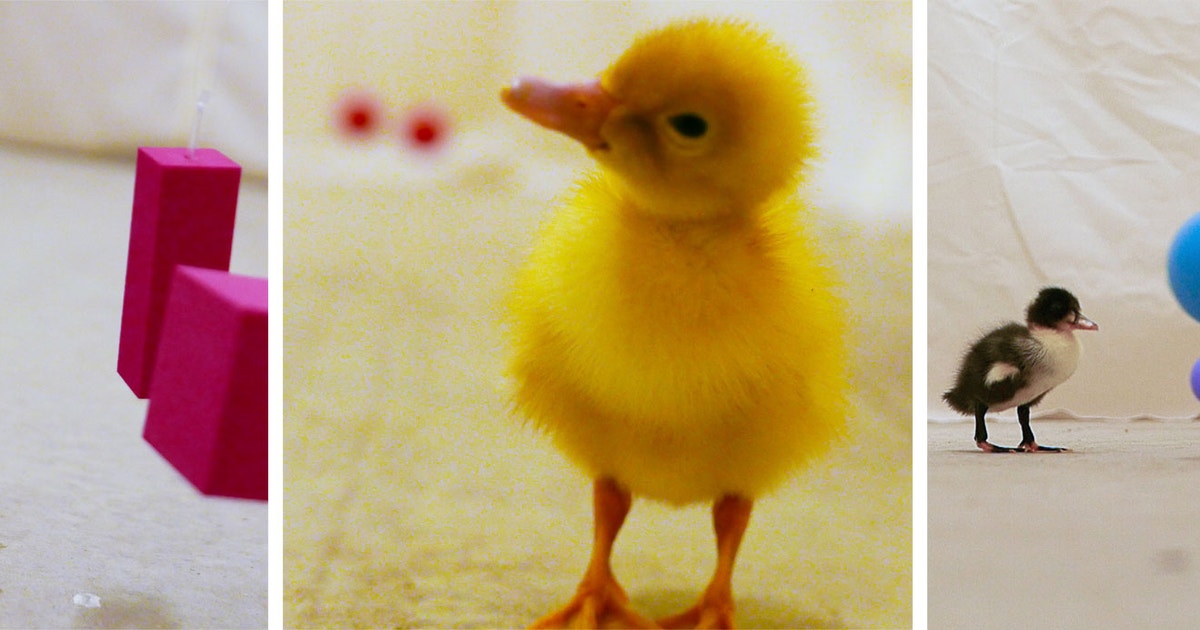
Credit: www.audubon.org
Human Influence On Bird Imprinting
Human activities have a significant impact on bird imprinting behavior. Birds often imprint on the first moving object they see, usually their mother. But when humans intervene—whether through captivity or conservation projects—this natural process can change in unexpected ways.
Captive Rearing Challenges
Raising birds in captivity can disrupt their natural imprinting patterns. Without their biological parents, chicks may imprint on humans or inanimate objects instead.
This can cause problems later when these birds try to survive in the wild. For example, a bird that sees humans as its “parent” might not recognize its own species for mating or socializing.
Have you ever wondered how conservationists manage to teach captive birds essential survival skills? They often use puppets or costumes that resemble the birds’ species to guide imprinting. This helps the birds develop proper social and survival instincts.
Conservation Efforts And Imprinting
Imprinting plays a crucial role in species recovery programs. Conservationists carefully control the early environment to ensure birds imprint on the right models.
Programs for endangered birds sometimes use foster parents from the same species or realistic decoys. This approach improves the chances that released birds will integrate successfully into wild populations.
Still, challenges remain. Birds imprinted on humans may struggle to avoid predators or find mates. It raises the question: how can conservationists balance human help with preserving natural behaviors?
Frequently Asked Questions
Do All Bird Species Exhibit Imprinting Behavior?
Not all bird species show imprinting behavior. It mainly occurs in precocial birds like ducks and geese. Altricial birds usually rely on parental care rather than imprinting. Imprinting helps young birds recognize their parents or objects early in life for survival.
How Does Imprinting Benefit Birds?
Imprinting ensures young birds identify their parents quickly. This recognition helps them stay safe and receive food. It also supports social bonding and learning essential survival skills. Imprinting is crucial for species with early independence after hatching.
Can Imprinting Affect Bird Behavior Long-term?
Yes, imprinting can influence bird behavior for life. Birds may follow or prefer the first moving object they see. This behavior impacts mate choice and social interactions. Imprinting shapes critical behaviors needed for survival and reproduction.
What Triggers Imprinting In Birds?
Imprinting is triggered by exposure to moving objects or sounds soon after hatching. The sensitive period is short, usually within hours or days. Visual and auditory stimuli from parents or siblings are key triggers. Early exposure shapes imprinting success.
Conclusion
Not all birds show imprinting behavior. Some species learn by watching parents or others. Imprinting helps young birds recognize their caretakers. This behavior supports their survival in early life. Scientists study imprinting to understand bird growth better. Each bird species has unique ways to learn and adapt.
Knowing this helps us protect birds and their habitats. Bird behavior teaches us about nature’s complexity. Imprinting remains a fascinating topic in animal study.