
Have you ever wondered if a bird can learn to do something completely new, like climbing? It sounds unusual, right?
But what if a behavioral psychologist decided to take on this challenge? You’ll discover the surprising ways a bird’s mind works and how training it to climb can reveal secrets about learning and behavior—secrets that might even change how you see your own habits.
Keep reading, because what you’ll learn might just make you look at birds—and yourself—in a whole new light.

Credit: www.reddit.com
Setting The Experiment
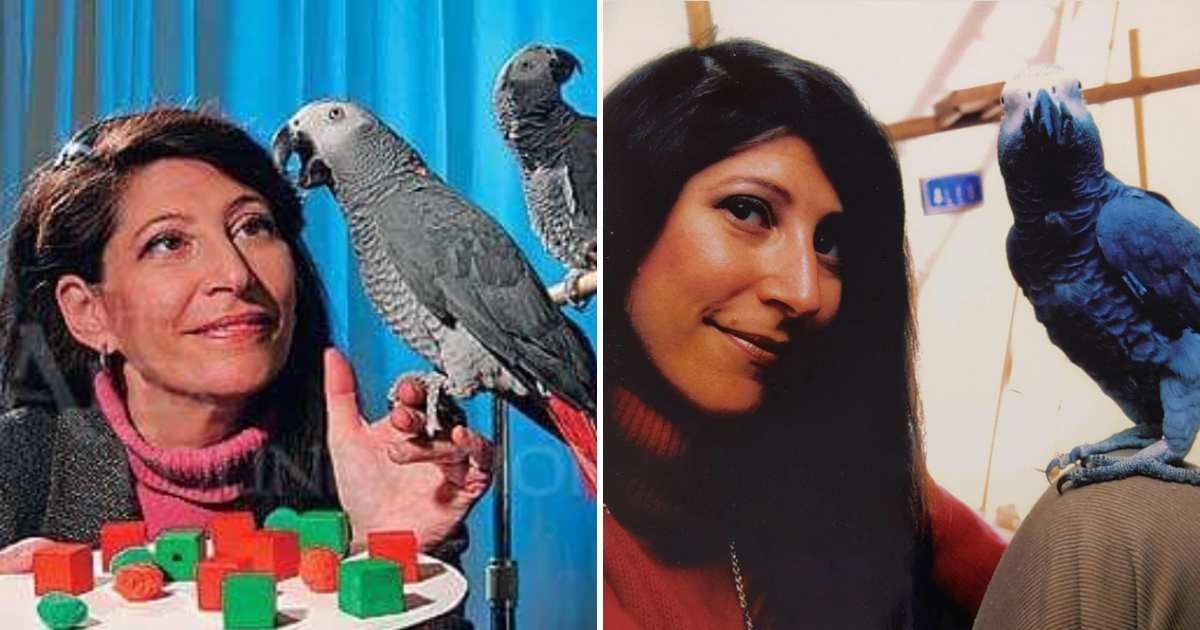
A behavioral psychologist sets up a simple space to observe the bird closely. The goal is to encourage the bird to climb using small rewards. Patience and careful observation guide the experiment’s progress.
In the curious world of behavioral psychology, training animals presents unique challenges. Training a bird to climb is no exception. This experiment combines science and patience, offering insights into animal behavior. The journey begins with careful planning and setting the right environment for success.Choosing The Bird Species
Selecting the right bird species is crucial. Some birds are naturally more adaptable. Parrots, for instance, are known for their intelligence. They respond well to training due to their cognitive abilities. Finches, though smaller, can also be trained with effort. The choice depends on the experiment’s goals and available resources.Designing The Training Environment
The environment plays a key role in training success. A safe and comfortable space encourages the bird to explore. Include perches at varying heights to simulate climbing. Use colorful objects to attract the bird’s attention. Ensure the environment is free from distractions and hazards. A well-designed space fosters learning and reduces stress.Establishing Training Goals
Clear goals guide the training process. Start with simple tasks like stepping onto a perch. Gradually increase the challenge, encouraging the bird to climb higher. Each goal should be achievable to maintain motivation. Celebrate small successes to build confidence. Consistent practice and positive reinforcement are essential.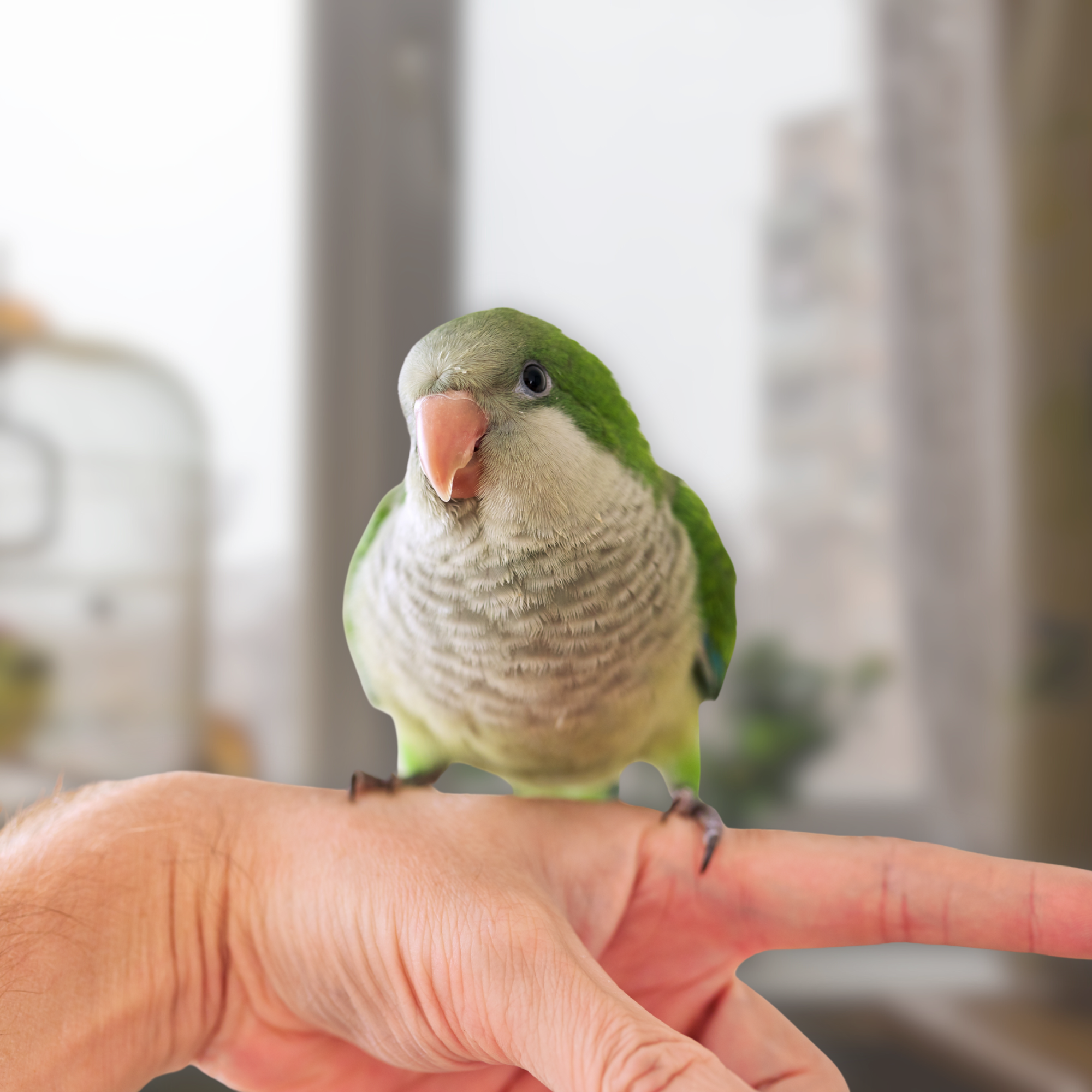
Credit: birdsupplies.com
Training Techniques Used
Training a bird to climb requires careful use of behavioral techniques. The psychologist uses methods that encourage small steps toward the goal. These techniques focus on guiding the bird gently and positively. This approach helps the bird learn without stress or fear.
Positive Reinforcement Methods
The psychologist rewards the bird for desired actions. Treats, praise, or gentle petting serve as rewards. Rewards come immediately after the bird makes progress. This helps the bird link the action with something good. Positive reinforcement increases the chance of the bird repeating the behavior.
Shaping Behavior Step-by-step
Training starts with very simple actions from the bird. Each small step closer to climbing gets rewarded. For example, the bird might first learn to grip a surface. Then it learns to lift one foot. Next, it moves a few steps upward. This gradual process builds confidence and skill.
Dealing With Challenges
Sometimes the bird gets scared or confused. The psychologist stays patient and calm during these times. They reduce the difficulty and return to easier steps. Rest breaks help the bird stay relaxed and focused. Observing the bird’s mood guides the next training move.
Unexpected Bird Reactions
Training a bird to climb introduces a fascinating set of reactions that can surprise even the most experienced behavioral psychologists. Birds are not naturally climbers in the way mammals might be, so their responses to this new challenge reveal much about their adaptability and problem-solving skills. Watching these unexpected behaviors unfold offers valuable insights into animal learning and motivation.
Initial Response To Training
At first, the bird seemed confused by the task. It hesitated to engage with the climbing apparatus, often stepping back or fluttering away. This cautious approach shows how new experiences can trigger uncertainty, even in creatures known for quick reflexes.
You might notice similar hesitation if you try something unfamiliar. Patience is key during this phase, as forcing progress can backfire. Instead, creating a safe, encouraging environment helps the bird feel comfortable exploring the new activity.
Unusual Climbing Attempts
The bird didn’t climb like you might expect. Instead of moving upward smoothly, it used its beak and feet in unexpected ways—sometimes hanging upside down or hopping sideways. These unusual attempts highlight the bird’s trial-and-error learning process.
Pay attention to these creative solutions. They suggest that your approach to training should be flexible. Allow your bird to experiment; its unique methods might teach you more about its abilities than rigid instructions ever could.
Behavioral Adaptations
Over time, the bird adapted its behavior to improve climbing efficiency. It started using its tail for balance and adjusted its grip with more precision. These small but significant changes show how behavior evolves with practice and feedback.
Have you noticed your own habits changing after repeated practice? Like the bird, you refine techniques based on what works best. Encouraging this kind of adaptation in your training helps build confidence and skill in your bird—and in yourself as a trainer.
Insights From The Experiment
The experiment of training a bird to climb offers fascinating insights into how animals learn and adapt. Watching a creature take on an unusual task challenges our assumptions about cognition and behavior. What we discover can reshape how you think about learning, not just in animals but in your own life too.
Bird Cognition And Learning
Birds are often seen as simple creatures, but this experiment reveals their surprising mental flexibility. The bird showed an ability to understand cause and effect, learning that climbing led to a reward.
This suggests birds can adapt their natural behaviors when motivated. Have you noticed how some animals solve puzzles in unexpected ways? It’s a reminder that intelligence often hides in plain sight.
Limits Of Behavioral Training
Despite the bird’s progress, there were clear boundaries to what training could achieve. Some actions felt unnatural or too complex, causing frustration and slower learning.
This highlights that not all behaviors are easily taught, especially when they conflict with instinct. What challenges in your own learning might stem from similar limits?
Implications For Psychology
This experiment pushes psychologists to rethink how learning works across species. It supports the idea that motivation and environment heavily influence behavior change.
For you, it means that changing habits or mastering new skills requires the right triggers and patience. How might you adjust your environment to make learning easier?
Future Training Possibilities
The experiment of training a bird to climb opens exciting doors for future research. This approach could change how we think about animal learning and behavior. It pushes the boundaries of what birds and other animals can do with proper guidance.
Exploring new training possibilities means trying different techniques. These can adjust to the unique abilities of various animals. The goal is to make training more effective and meaningful.
Adapting Methods For Different Species
Each animal species has its own way of learning and responding. Training strategies must match these natural behaviors. For example, birds rely on vision and movement cues. Other animals might respond better to sounds or touch.
Customizing training helps animals understand tasks faster. It also reduces stress and frustration during the learning process. Trainers can observe and tweak methods to fit each species better.
Enhancing Training Effectiveness
Using rewards and clear signals can improve training success. Positive reinforcement encourages animals to repeat desired actions. Timing is key—rewards must follow the behavior quickly.
Technology like video modeling or automated feeders can assist trainers. These tools offer consistent feedback and reduce human error. Tracking progress helps identify which methods work best.
Broader Applications
Training climbing skills could help birds in rehabilitation and wildlife care. It builds strength and confidence before release into the wild. Similar techniques might support physical therapy for injured animals.
Beyond animals, these training ideas inspire new ways to teach humans. Understanding learning across species broadens our knowledge of behavior and motivation. This research could shape education and therapy methods in the future.

Credit: birdsupplies.com
Frequently Asked Questions
How Does A Behavioral Psychologist Train A Bird To Climb?
A behavioral psychologist uses positive reinforcement to teach the bird climbing skills. They reward desired actions and shape behavior gradually. This method encourages the bird to associate climbing with rewards, making learning effective and engaging.
What Techniques Help Birds Learn New Climbing Behaviors?
Techniques include clicker training, target training, and step-by-step shaping. These methods use rewards and clear cues to guide the bird toward climbing. Consistency and patience are key to successful behavioral training.
Why Is Training A Bird To Climb Important?
Training enhances the bird’s physical activity and mental stimulation. It improves their problem-solving skills and builds trust with the trainer. Climbing also mimics natural behaviors, promoting overall bird well-being.
Can Any Bird Species Be Trained To Climb?
Most bird species can learn climbing, but success varies by species and individual temperament. Birds with strong feet and natural climbing tendencies adapt more easily. Training should consider each bird’s unique abilities and needs.
Conclusion
Training a bird to climb shows how animals learn new skills. Patience and clear steps help the bird understand tasks. Each small success builds trust and confidence. Watching the bird improve is rewarding and fun. This experiment teaches us about behavior and learning.
It also reminds us that with care, change is possible. Keep trying, stay patient, and enjoy the process.