
Are you struggling to handle your bird’s bad behavior? It can be frustrating when your feathered friend bites, screams, or destroys things around the house.
You want to correct these habits, but you’re not sure how to do it without hurting your bond. Understanding the right way to punish bad behavior in birds is key to creating a happy and healthy relationship. You’ll discover simple, effective strategies that work—and why some common punishments might actually make things worse.
Keep reading to learn how to guide your bird toward better behavior while keeping trust and love alive.
:strip_icc()/GettyImages-525398146-58a6e3325f9b58a3c9181e9d.jpg)
Credit: www.thesprucepets.com
Common Bird Misbehaviors
Birds are charming pets, but sometimes they misbehave. Understanding common bird misbehaviors helps in managing them better. Some behaviors can be frustrating for bird owners.
Biting And Nipping
Some birds bite out of fear or territorial instincts. They may also nip if they feel threatened. Observing triggers can help address this behavior. Offer toys and distractions to keep their beaks busy. Gentle training and rewards can reduce biting over time.
Screaming And Noise
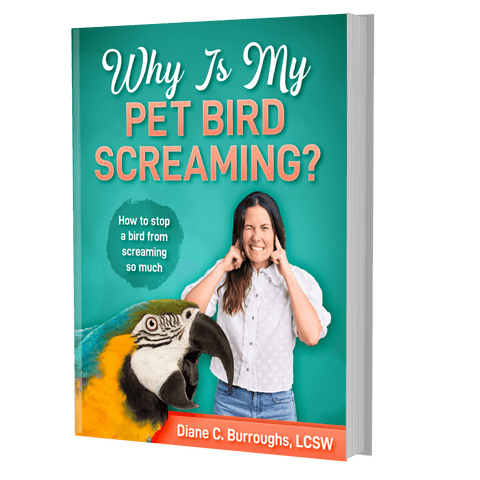
Screaming can be a natural call or a sign of distress. Excessive noise often indicates a need for attention or boredom. Provide interaction and mental stimulation to curb this behavior. Establish a routine to reassure your bird. Avoid rewarding screaming with attention.
Feather Plucking
Feather plucking might signal stress or health issues. Ensure your bird has a nutritious diet and enriching environment. Regular vet check-ups can identify underlying health problems. Engage your bird with toys and social interactions to reduce stress.
Destructive Chewing
Chewing is natural, but some birds become destructive. Provide safe chewing toys to satisfy this instinct. Limit access to household items they might destroy. Supervise your bird during out-of-cage time to prevent unwanted damage.
Causes Of Bad Behavior
Understanding why your bird shows bad behavior is key to addressing it effectively. Birds don’t act out without a reason. Their actions often signal unmet needs or discomfort that you can help resolve.
Boredom And Lack Of Stimulation
Birds are intelligent creatures that need constant mental and physical engagement. Without enough toys, activities, or interaction, they can become restless and destructive.
Imagine leaving a parrot alone in a cage for hours with nothing to do. It might start chewing its feathers or screaming loudly just to fill the silence. You can prevent this by rotating toys regularly and spending quality time interacting with your bird daily.
Fear And Anxiety
Fear often triggers aggressive or defensive behavior in birds. Sudden noises, unfamiliar people, or changes in their environment can make them anxious.
Your bird might bite or hide if it feels threatened. Observe what scares your bird and create a calm, safe space where it can relax. Patience and gentle handling can build trust over time.
Attention Seeking
Birds quickly learn that certain behaviors get your attention—even if it’s negative. Screaming or biting might be their way of saying, “Notice me!”
Try to give attention for good behavior rather than bad. If your bird acts out, avoid reacting immediately. Instead, reward calm and quiet moments to encourage better habits.
Health Issues
Sometimes bad behavior signals that your bird isn’t feeling well. Pain or illness can make even the sweetest bird irritable or withdrawn.
Watch for other signs like changes in eating, droppings, or posture. A vet visit can rule out medical problems before you focus on behavior training.
Effective Training Techniques
Training birds requires patience and clear communication. Effective techniques help guide birds toward good behavior. These methods build trust and improve learning speed. Using gentle but firm approaches shapes better habits in birds. Training becomes easier and more enjoyable for both owner and pet.
Positive Reinforcement
Reward good behavior immediately. Use treats or praise to encourage actions. Birds learn faster when positive actions bring rewards. Avoid punishment after mistakes; focus on what to do right. Consistent rewards help birds repeat desired behaviors.
Consistent Commands
Use the same words and tone for commands. Consistency prevents confusion and speeds learning. Keep commands simple and clear. Repeat commands regularly to reinforce understanding. Birds respond best to steady and predictable cues.
Time-out Method
Remove the bird from the situation after bad behavior. Keep the time-out brief to avoid stress. This method shows consequences without harm. Use a quiet spot away from toys or attention. Time-outs teach limits gently but firmly.
Redirecting Behavior
Offer an alternative activity to replace bad habits. Redirect attention to toys or safe chewing items. This helps prevent boredom and frustration. Show the bird what is acceptable instead of what is not. Redirection guides behavior without punishment.

Credit: birdsupplies.com
Avoiding Harmful Punishments
Avoiding harmful punishments is essential when teaching your bird good behavior. Birds are sensitive creatures, and harsh penalties can damage the trust between you and your feathered friend. Instead of focusing on punishment that causes stress or fear, aim to guide your bird gently toward better habits.
Why Physical Punishment Fails
Physical punishment can break your bird’s spirit rather than correct its behavior. Birds do not understand pain as a consequence of their actions like humans do. Instead, they associate pain with you, which can lead to fear or aggression.
Imagine trying to teach your bird not to bite by tapping its beak hard. This may stop the biting temporarily, but it also makes your bird wary of your hands. That fear can cause more problems than the biting itself.
The Impact Of Negative Reinforcement
Negative reinforcement often feels like a quick fix but rarely solves the root issue. It can create anxiety in your bird, making it more likely to act out or retreat. For example, yelling at your bird when it squawks loudly might stop the noise for a moment but can damage your relationship.
Have you noticed how your bird reacts when you show frustration? Instead of learning, they might become quieter or hide, which isn’t true obedience. Behavior shaped by fear or stress is less reliable and less happy.
Safe Alternatives
Focus on safe, positive ways to redirect bad behavior. These methods help your bird understand what you want without fear or pain. Here are some practical alternatives:
- Positive reinforcement:Reward good behavior with treats, praise, or extra playtime.
- Distraction:Offer a toy or a new activity when your bird starts to misbehave.
- Time-out:Gently remove your bird from a situation for a short period to calm down.
- Consistent commands:Use the same words and signals to help your bird learn what’s expected.
Have you tried rewarding your bird right after it stops a bad habit? The clear link between action and reward can be powerful. Your bird will likely respond better to kindness and consistency than to punishment.
Creating A Stimulating Environment
Creating a stimulating environment is key to managing and reducing bad behavior in birds. Birds that feel bored or unstimulated often act out. By keeping their minds and bodies engaged, you can prevent many common behavioral issues.
Toys And Enrichment
Providing a variety of toys keeps your bird curious and active. Rotate toys regularly to maintain their interest and challenge their problem-solving skills. Items like puzzle feeders, swings, and chewable toys help satisfy natural instincts.
I once noticed my parrot started screaming loudly in the afternoons. Adding a foraging toy distracted her and reduced noise significantly. What types of toys does your bird enjoy the most?
Social Interaction
Birds are social creatures and need regular interaction with you or other birds. Spend time talking, playing, or training your bird daily. Lack of attention can lead to frustration and unwanted behaviors like biting or feather plucking.
If you’re often away, consider introducing a compatible bird companion. Just make sure to monitor their interactions carefully to avoid new problems. How often do you engage with your bird throughout the day?
Routine And Structure
Birds thrive on consistency. Establish a daily routine for feeding, play, and rest times. Predictability helps reduce anxiety, which can cause aggressive or destructive behaviors.
Try to keep lighting and noise levels stable, especially during sleep hours. Sudden changes can startle your bird and trigger bad behavior. Could adjusting your bird’s daily schedule improve their mood and behavior?

Credit: www.reddit.com
Monitoring Progress And Adjusting
Monitoring your bird’s behavior during training is essential. It helps you see if your methods work or need change. Watching progress closely keeps training effective and fair. Adjusting your approach means better results and a happier bird.
Tracking Behavior Changes
Keep a daily log of your bird’s actions. Note good and bad behaviors with time and context. Use a simple chart or notebook to record patterns. This record shows improvement or setbacks clearly. It also helps identify triggers causing bad behavior.
Adapting Training Methods
Change your techniques based on the bird’s response. Some birds need more patience or rewards. Try different punishments that are safe and gentle. Avoid harsh methods that frighten or harm your bird. Adjust timing and consistency to suit your pet’s needs.
When To Seek Professional Help
Consult an expert if behavior worsens or stays the same. A vet or bird trainer can provide new strategies. Professionals offer advice tailored to your bird’s breed and personality. Early help prevents bad habits from becoming permanent. Don’t wait too long to get support.
Frequently Asked Questions
How Do I Stop My Bird From Biting?
To stop biting, remain calm and avoid sudden movements. Use gentle redirection with toys. Never punish physically, as it worsens behavior. Consistency and positive reinforcement work best to teach gentle interactions.
What Is The Best Way To Correct Bird Screaming?
Ignore screaming to avoid reinforcing it. Provide plenty of mental stimulation and social interaction. Reward quiet behavior with treats or attention. Use a calm voice to redirect when noise starts.
Can Time-outs Help With Bird Bad Behavior?
Yes, brief time-outs in a safe, quiet space can help birds understand consequences. Keep time-outs short, around 1-2 minutes. Avoid isolation for long periods to prevent stress.
Should I Use Physical Punishment For Birds?
No, physical punishment harms trust and worsens behavior. Use positive reinforcement and gentle corrections instead. Birds respond better to patience and consistent training.
Conclusion
Punishing bad behavior in birds needs care and patience. Use gentle, clear signals to guide them. Avoid harsh actions that may scare or hurt your bird. Consistency helps birds learn what is right or wrong. Reward good behavior to encourage positive habits.
Remember, building trust is key to success. With time, your bird will behave better and stay happy. Keep practicing and stay calm throughout the process. Good behavior grows from kindness and understanding. Small steps lead to big improvements in your bird’s actions.