
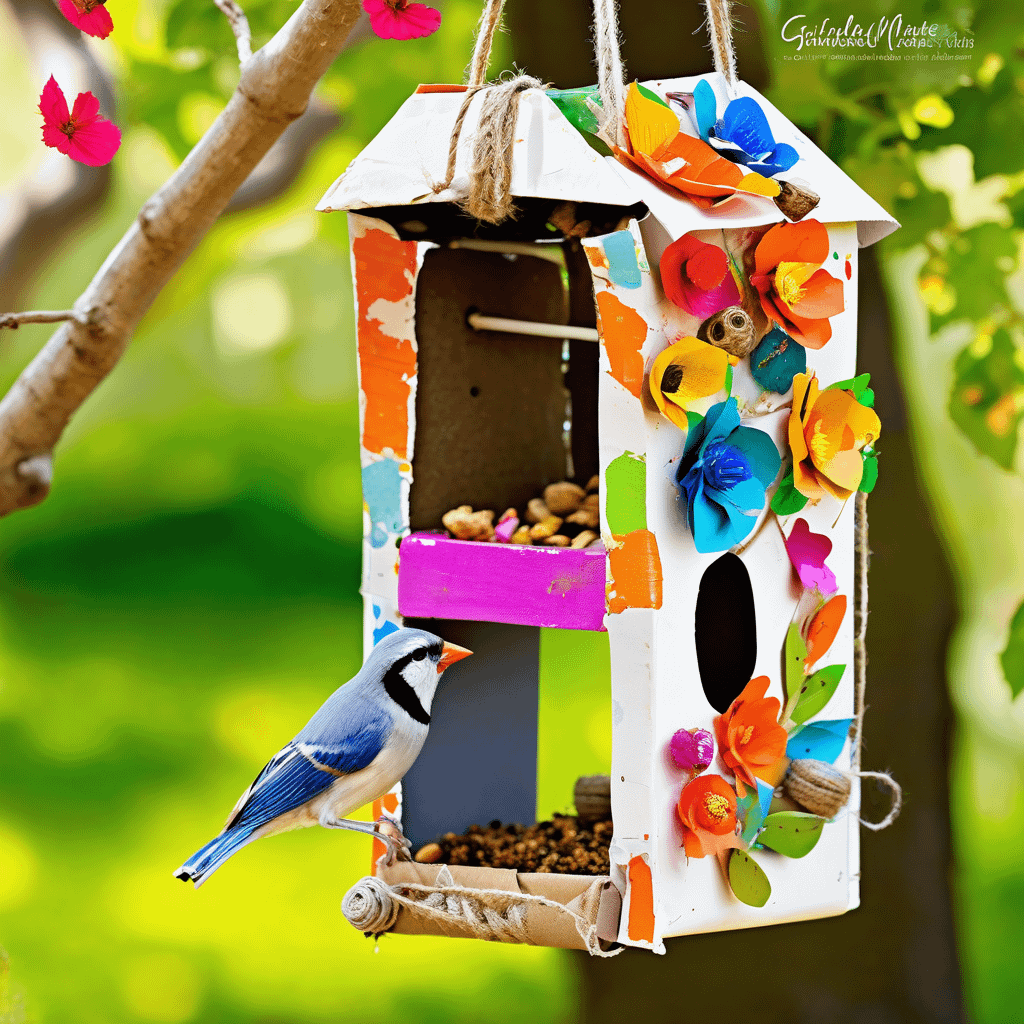
Do you want to invite more birds to your yard and create a peaceful space full of nature’s beauty? Building a bird habitat is easier than you think, and it can bring you closer to the wonders of wildlife right outside your window.
Imagine waking up to cheerful bird songs and watching colorful feathers flutter around your garden. You’ll discover simple steps to make a bird habitat that attracts and supports your feathered friends. Keep reading, and you’ll learn how to turn your outdoor space into a bird’s paradise that feels alive all year round.
Choosing The Right Location
Choose a quiet, safe spot with plenty of trees or shrubs nearby. Birds prefer places with shelter and easy access to food and water. Avoid busy or noisy areas to help birds feel secure and comfortable.
Creating a bird habitat begins with choosing the right location, which is crucial for attracting and supporting a variety of bird species. Your location choice can significantly impact the success of your habitat. Here’s how you can make informed decisions to create a welcoming environment for birds.Sunlight And Shade Balance
Birds need both sunlight and shade for optimal health and comfort. Think about the natural surroundings of your garden. Does it offer a mix of sunny patches and shaded areas? Aim to have a balance that allows birds to bask in the sun and find refuge from the heat when necessary. You could plant a mix of trees and shrubs to create this balance. I once planted a mix of sun-loving perennials and shade-providing trees, and the diversity of birds it attracted was astounding. What can you plant to create this balance in your space?Protection From Predators
Safety is a top priority for birds, and ensuring they feel protected can increase their chances of visiting your habitat. Consider placing your bird habitat away from areas frequented by common predators like cats. Using dense shrubs or thorny plants can offer birds a safe retreat. I remember the first time I noticed a hawk nearby; adding a few thorny shrubs provided smaller birds with essential cover. How can you create safe zones for birds in your garden?Proximity To Water Sources
Water is as essential as food for birds. A small pond, a birdbath, or even a shallow dish can serve as a water source. Position this source in an open area but within a reasonable distance from cover, so birds can quickly escape if needed. In my backyard, a simple birdbath transformed the space, attracting not just birds but also butterflies and other wildlife. What water feature could you add to entice birds to visit your habitat?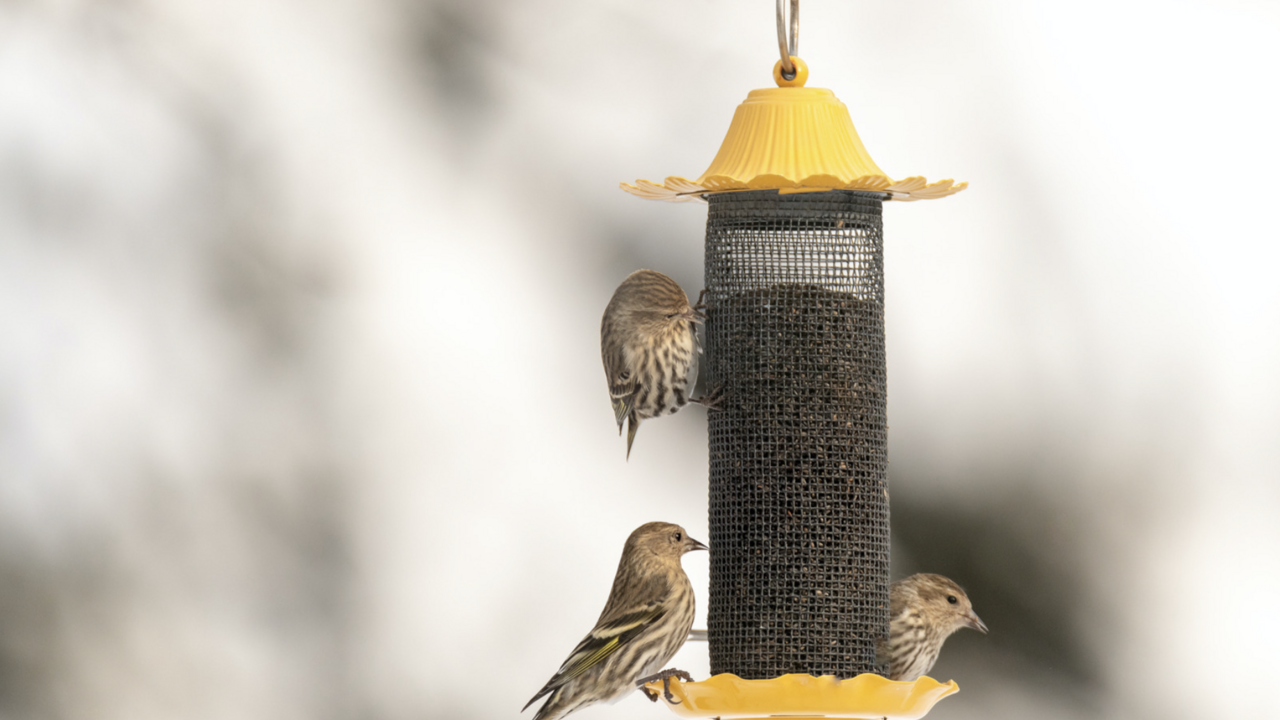
Credit: extension.msstate.edu
Selecting Native Plants
Selecting native plants is key to creating a welcoming bird habitat. Native plants provide natural food, shelter, and nesting sites. Birds are adapted to these plants, making it easier for them to thrive. Choosing the right plants supports local wildlife and helps maintain the ecosystem balance.
Trees And Shrubs For Shelter
Trees and shrubs offer safe places for birds to hide from predators and bad weather. Choose native species that grow well in your area. Examples include oaks, maples, and dogwoods. Shrubs like elderberry, serviceberry, and sumac provide excellent cover. Dense foliage helps birds build nests and rest comfortably.
Flowering Plants For Food
Flowering plants attract insects and produce seeds and nectar. These are vital food sources for many birds. Select native flowers such as coneflowers, black-eyed Susans, and milkweed. These plants bloom at different times, offering food throughout the seasons. Bright flowers also attract pollinators, adding to the habitat’s health.
Seasonal Planting Tips
Plan your garden to have plants blooming and fruiting in all seasons. Include spring-blooming trees like cherry and crabapple. Summer flowers such as bee balm and goldenrod provide nectar. Fall berries from holly and viburnum feed birds before winter. Winter evergreens like pine and cedar offer shelter and food during cold months.
Providing Food And Water
Providing food and water is a key step in creating a welcoming bird habitat. Birds rely on these essentials daily, so offering a reliable supply will keep them visiting your space often. You can support local wildlife by making smart choices about what and how you provide.
Natural Food Sources
Start by planting native trees, shrubs, and flowers that produce seeds, berries, and nectar. These natural foods attract a variety of bird species and offer a balanced diet. For example, sunflowers and coneflowers provide seeds, while elderberries and dogwood bushes offer tasty berries.
Think about including plants that bloom at different times to ensure food is available year-round. Have you noticed how birds seem to prefer certain plants? Observing what grows well in your area can guide your planting choices.
Bird Feeders And Their Types
Adding bird feeders can supplement natural food, especially during harsh weather. Different feeders attract different birds, so choose based on the species you want to invite.
- Tube feeders:Great for small songbirds like finches and chickadees. They keep seeds dry and are easy to refill.
- Platform feeders:Suitable for larger birds such as cardinals and jays. They offer space for multiple birds to feed at once.
- Nectar feeders:Designed for hummingbirds and orioles who love sugary nectar.
Keep your feeders clean and place them near shrubs or trees for quick shelter. Have you tried mixing different feeders to see which birds show up?
Setting Up Bird Baths
Water is as important as food. A bird bath offers drinking and bathing opportunities, which are vital for bird health and feather maintenance.
Choose a shallow basin, ideally 1-2 inches deep, with a gentle slope for easy access. Place it in a shaded spot to keep water cool and fresh longer.
Change the water frequently and clean the bath regularly to prevent algae and mosquito breeding. Adding small stones or twigs can help smaller birds perch safely. Have you observed how birds interact differently with baths based on design?

Credit: www.madebybarb.com
Creating Nesting Spaces
Creating nesting spaces invites birds to stay and raise their young safely. Providing the right environment encourages more bird visits and supports local wildlife. Nesting areas must be cozy, protected, and easy to access for birds.
Different bird species prefer varied nesting options. Some like enclosed spaces, others prefer open nests. Understanding these needs helps create inviting homes for them.
Building Birdhouses
Choose simple designs that suit small birds like chickadees or wrens. Use untreated wood to avoid chemicals that harm birds. Make entrance holes just big enough for the bird species you want to attract.
- Ensure the roof protects from rain and sun.
- Include ventilation holes near the top.
- Mount birdhouses 5 to 10 feet above ground.
- Place houses away from busy areas or predators.
Using Natural Materials
Natural materials blend well with the environment and appeal to birds. Twigs, grass, leaves, and moss make soft, warm nests. Avoid synthetic fibers that can trap or harm birds.
- Collect materials from safe, pesticide-free areas.
- Offer loose materials near nesting sites.
- Provide mud or clay for birds that build mud nests.
Safe Nesting Practices
Protect nests from predators and harsh weather. Keep cats and other animals away. Avoid placing nests near noisy or busy spots.
- Clean birdhouses after each breeding season.
- Do not disturb nests while birds are inside.
- Check for mold or parasites regularly.
Maintaining The Habitat
Maintaining a bird habitat keeps it safe and inviting for birds. Regular care helps birds stay healthy and encourages them to visit often. Simple habits can make a big difference in the habitat’s success and longevity.
Regular Cleaning Tips
Clean bird feeders and water sources every few days. Use warm water and mild soap to remove dirt and mold. Avoid harsh chemicals that can harm birds. Clear old food and droppings to stop diseases. Rinse well and dry before refilling. Clean nesting boxes after each breeding season to prepare for new occupants.
Monitoring Bird Activity
Watch how birds use the habitat daily. Note the types of birds visiting and their behaviors. Spot signs of stress or illness like unusual feathers or lethargy. Check for predators or pests that may threaten the birds. Keep a simple journal to track changes over time. This helps improve the habitat and keep birds safe.
Seasonal Adjustments
Change food and water sources with the seasons. Offer high-energy seeds in winter to help birds stay warm. Provide fresh water in warmer months to prevent dehydration. Add shelter like dense shrubs or brush piles before cold weather. Remove fallen leaves and debris in spring to reduce pests. Adjust habitat features to support birds all year long.

Credit: underatinroof.com
Avoiding Common Hazards
Creating a safe bird habitat means thinking beyond just food and shelter. You need to spot and remove common hazards that can harm your feathered visitors. These dangers often hide in plain sight but can be easily managed with a bit of attention and care.
Keeping Pets Away
Pets, especially cats and dogs, can scare birds or worse, injure them. If you have pets, consider placing bird feeders and nesting boxes in areas that are hard for your pets to reach. Elevate feeders or use hanging feeders away from fences and low branches.
Have you noticed how birds avoid certain spots in your yard? It might be because they sense predators nearby. Creating a safe zone where pets cannot enter encourages birds to visit and stay longer.
Reducing Pesticide Use
Pesticides might keep your garden bug-free, but they also poison the insects birds eat. Reducing or eliminating pesticide use protects the entire food chain. Try using natural pest control methods like encouraging ladybugs or planting pest-repellent plants such as marigolds.
Think about the last time you saw fewer birds around. Could harmful chemicals be the cause? Even organic pesticides can be risky, so always check the ingredients and opt for bird-safe alternatives.
Safe Garden Chemicals
If you must use garden chemicals, choose those labeled as safe for wildlife. Read product labels carefully and apply them during times when birds are less active, like early morning or late evening. Avoid spraying near bird feeders, baths, or nesting areas.
Ever wondered why some bird species avoid your garden? Chemicals might be disrupting their natural habits. Keeping your garden chemical-free or using safe options can make a noticeable difference in bird activity.
Frequently Asked Questions
What Materials Are Best For Building A Bird Habitat?
Natural materials like wood, twigs, and leaves are ideal. Avoid treated wood or plastics. These materials provide safety and comfort for birds.
How Do I Attract Birds To My Habitat?
Use native plants, fresh water, and bird feeders. Provide shelter and avoid pesticides. These create a welcoming environment for various bird species.
Where Should I Place My Bird Habitat?
Choose a quiet, sheltered spot away from predators. Place it near trees or shrubs for cover. This location ensures bird safety and easy access.
How Do I Maintain A Healthy Bird Habitat?
Clean feeders and water sources regularly. Remove old nests and debris. Monitor for pests and diseases to keep the habitat safe and inviting.
Conclusion
Creating a bird habitat helps birds find food and shelter. You can enjoy watching birds up close. Use natural materials and safe plants to attract birds. Keep the area clean and fresh water available. Small steps make a big difference for wildlife.
Start today and help bring nature closer to home. Birds will thank you with their songs and visits. Simple actions create a peaceful space for both birds and people.