
Have you ever wondered where birds feel most at home? Understanding a bird’s habitat is like unlocking the secret to its survival and happiness.
Your curiosity about where birds live, feed, and raise their young can reveal fascinating insights about nature all around you. You’ll discover what makes a perfect bird habitat and why it matters—not just for birds, but for the world you live in too.
Keep reading, and you’ll see your surroundings in a whole new light.
Bird Habitats Around The World
Bird habitats are places where birds find food, shelter, and raise their young. These habitats vary from forests and wetlands to deserts and cities. Each type supports different bird species and their unique needs.
Birds grace every corner of our planet. Their habitats span diverse regions, each offering unique resources and challenges. Let’s explore the varied homes of these winged wonders across the globe.Forests And Woodlands
Forests teem with life. Birds find shelter in trees and bushes. They build nests high in the canopy or hidden in dense undergrowth. These habitats provide food and safety. They are perfect for species like owls, woodpeckers, and songbirds.Wetlands And Marshes
Wetlands are rich ecosystems. Birds like herons, ducks, and cranes thrive here. They feed on fish, insects, and plants. Marshes offer nesting sites and protection. Water levels fluctuate, creating varied environments. These are crucial for many migratory species.Grasslands And Savannas
Vast open spaces define grasslands and savannas. Birds like ostriches and larks roam here. They rely on grasses and seeds for food. The open sky offers few hiding spots. Birds must stay alert to predators. These habitats support diverse bird populations.Deserts And Arid Regions
Deserts are harsh but fascinating. Birds like the roadrunner and sandgrouse adapt to extreme conditions. Water is scarce, so they conserve moisture. They find food in insects and small animals. Survival requires special skills in these arid regions.Urban And Suburban Areas
Cities buzz with human activity. Yet, birds like pigeons and sparrows thrive here. They nest on buildings and feed on scraps. Parks and gardens offer green spaces. Birds adapt to the urban environment, showing their resilience and versatility.Factors Influencing Habitat Choice
Birds don’t choose their habitats randomly. Several key factors shape where they live, feed, and raise their young. Understanding these factors helps you appreciate why certain birds appear in specific places and not others.
Food Availability
Birds settle where food is plentiful and easy to find. Some birds prefer seeds and berries, while others hunt insects or fish. If you’ve ever watched a flock of sparrows near a feeder, you’ve seen how food draws birds to a spot.
Think about your own neighborhood—would you visit a café that never had your favorite dish? Birds behave similarly, selecting habitats that meet their dietary needs.
Climate And Weather
Temperature and weather patterns heavily influence bird habitats. Many birds migrate to warmer regions during winter to survive colder temperatures. If you’ve noticed birds disappearing in your area during cold months, that’s why.
Humidity and rainfall also matter. Some birds thrive in wet, tropical climates, while others prefer dry, arid zones. Your local climate plays a huge role in which bird species you see.
Predators And Safety
Safety from predators is a top priority for birds. They choose habitats offering good hiding spots or places difficult for predators to access. Dense bushes, tall trees, or cliffs often provide this protection.
Have you seen birds dart into thick shrubs at the slightest sound? That’s their instinct to stay safe. Your garden’s layout can either attract or deter birds based on how secure it feels to them.
Nesting Sites
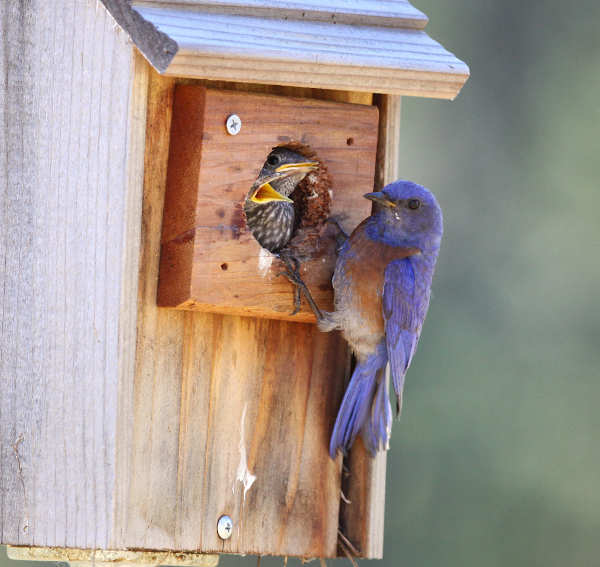
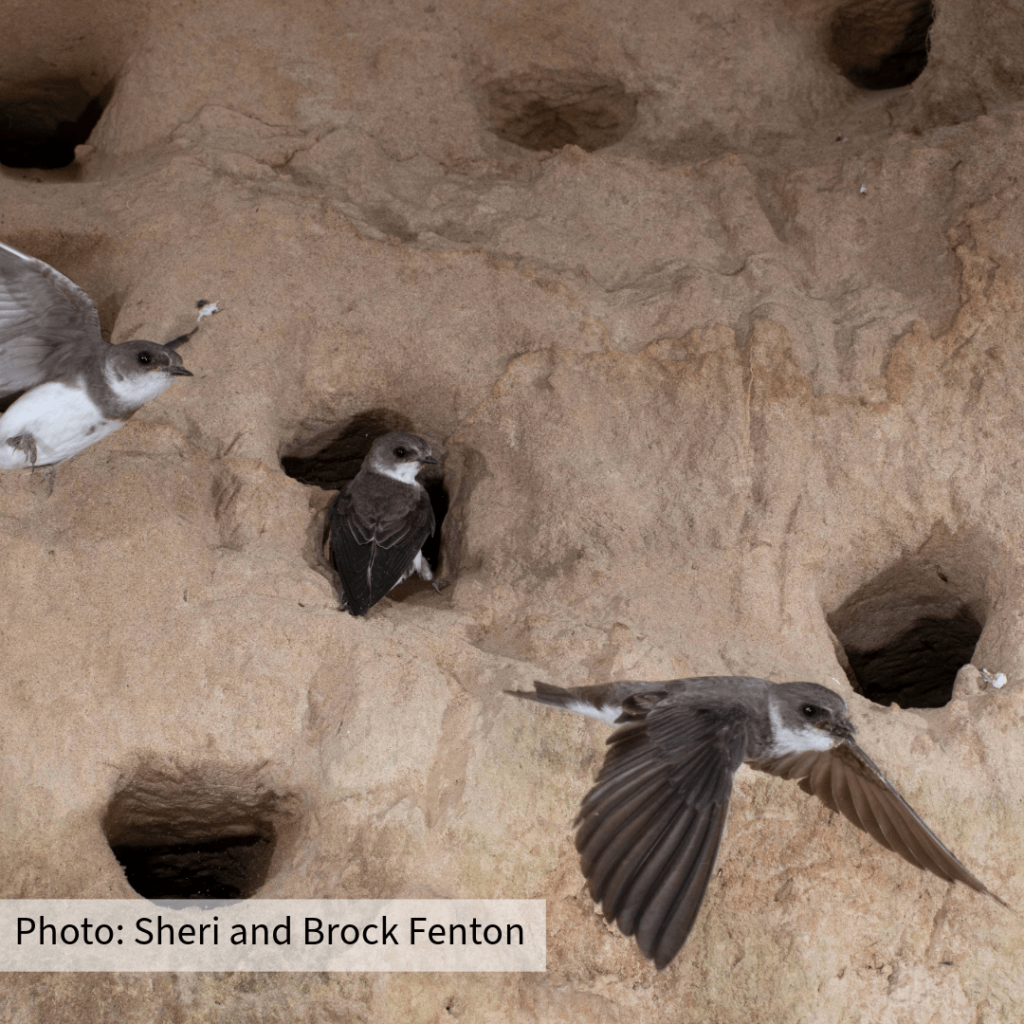
Finding a perfect spot to build a nest is crucial. Birds need locations that protect eggs and chicks from weather and danger. Some prefer tree branches, others cavities or ground nests, depending on species.
Imagine trying to build a home in a noisy, unstable place—it wouldn’t work well. Birds are just as selective, often returning to the same reliable nesting sites year after year.
Specialized Habitats For Unique Birds
Birds adapt to a wide range of environments, but some thrive only in very specialized habitats. These unique settings shape their behavior, diet, and even their physical features. Understanding these habitats helps you appreciate how birds survive and why protecting these areas matters.
Mountain And Alpine Zones
High up in mountains, birds face cold temperatures and thin air. Species like the Snow Partridge and the Lammergeier have adapted to these harsh conditions. Their strong wings and efficient breathing let them soar where few others can.
You might wonder how these birds find food where vegetation is sparse. They often rely on small mammals or carrion, showing incredible resourcefulness. Have you ever noticed how some birds seem to thrive where you’d least expect them?
Coastal And Marine Environments
Coastal birds like seagulls and pelicans live where land meets water, using the ocean as their pantry. Their webbed feet and salt-excreting glands help them manage life in salty, wet conditions. Watching them dive for fish gives you a glimpse of nature’s precision.
What surprises many is how sensitive these birds are to pollution and habitat loss. Even small changes in water quality can disrupt their feeding habits. Protecting coastal zones means safeguarding these remarkable hunters and their future.
Island Ecosystems
Islands host birds found nowhere else, such as the Kakapo in New Zealand. These birds evolve in isolation, sometimes losing the ability to fly because predators are few. Their unique traits make islands natural laboratories for studying evolution.
However, island birds are vulnerable to introduced species and habitat changes. When visiting or supporting conservation efforts, consider how delicate these ecosystems really are. How can your actions help maintain the balance on these isolated worlds?
Credit: lakeconews.com
Impact Of Habitat Loss On Birds
Birds rely heavily on their habitats for food, shelter, and breeding. Losing these habitats causes many problems for their survival. It reduces the places where birds can live and find resources. This loss also makes it harder for birds to adapt and thrive. Habitat loss is one of the main reasons for the decline in bird populations worldwide.
Deforestation Effects
Cutting down forests removes trees that birds use for nesting. It destroys food sources like insects and fruits. Birds lose safe places to hide from predators. Many forest birds cannot survive without dense tree cover. Deforestation often leads to fewer bird species in an area.
Wetland Drainage
Wetlands provide critical habitats for many water birds. Draining wetlands removes these special areas. Birds lose their feeding and breeding grounds. Migratory birds depend on wetlands during long journeys. Without wetlands, these birds face severe survival challenges.
Urban Expansion
Building cities replaces natural habitats with concrete and buildings. Birds find fewer trees and plants to use. Noise and light pollution disturb their normal behaviors. Some birds adapt, but many cannot survive in cities. Urban growth fragments habitats, isolating bird populations.
Climate Change Consequences
Changing climates alter habitats, making them unsuitable for some birds. Temperature shifts affect food availability and breeding times. Rising sea levels drown coastal habitats, harming shorebirds. Birds must move to new areas or face extinction. Climate change adds stress to already shrinking habitats.
Conservation Efforts To Protect Habitats
Conservation efforts play a vital role in protecting bird habitats. Birds need safe places to live, feed, and breed. Many habitats face threats from human activity and climate change. Protecting these areas helps maintain bird populations and biodiversity. Various strategies focus on preserving and restoring natural environments for birds.
Protected Areas And Reserves
Protected areas and reserves offer safe spaces for birds to thrive. Governments and organizations set aside lands with rich biodiversity. These areas limit human interference and development. They provide nesting sites, food sources, and shelter. Many bird species depend on these protected zones for survival. Strict rules help prevent habitat destruction and pollution.
Habitat Restoration Projects
Habitat restoration projects rebuild damaged environments. They improve wetlands, forests, and grasslands. Experts plant native trees and plants to support bird life. Removing invasive species helps native birds thrive. Restoration also focuses on cleaning polluted areas. These projects create better conditions for breeding and feeding.
Community Involvement
Local communities play a key role in conservation. People learn about the importance of birds and their habitats. They join efforts to protect local natural spaces. Community groups organize cleanups and plant trees. Education programs encourage caring for the environment. Support from locals increases the success of conservation projects.
Sustainable Land Use Practices
Sustainable land use balances human needs and nature. Farmers and developers use methods that protect habitats. Techniques include crop rotation, reduced pesticide use, and buffer zones. These practices reduce habitat loss and pollution. They help maintain food and shelter for birds. Sustainable land use supports long-term habitat health.

Credit: smallfarms.cornell.edu
Credit: learn.birdscanada.org
Frequently Asked Questions
What Defines A Bird’s Natural Habitat?
A bird’s natural habitat is the environment where it lives and thrives. It provides food, shelter, and breeding grounds. Habitats vary from forests and wetlands to deserts and urban areas, each supporting different bird species based on their needs.
How Do Habitats Affect Bird Behavior?
Habitats influence bird feeding, nesting, and migration patterns. Birds adapt their behaviors to survive in specific environments. Changes in habitat can alter their routines, impacting reproduction and survival rates. Understanding this helps protect their ecosystems effectively.
Why Are Diverse Habitats Important For Birds?
Diverse habitats support a wide range of bird species. Different environments offer unique resources, promoting biodiversity. Protecting varied habitats ensures birds have suitable places to feed, breed, and shelter, maintaining ecological balance and species survival.
How Do Human Activities Impact Bird Habitats?
Human actions like deforestation, pollution, and urbanization destroy or alter bird habitats. This leads to habitat loss, forcing birds to relocate or perish. Conservation efforts focus on reducing these impacts to preserve bird populations and their natural environments.
Conclusion
Birds live in many different places, from forests to cities. Their habitats give them food, shelter, and safety. Protecting these homes helps birds survive and thrive. Each bird species needs a special place to live well. We can help by keeping nature clean and safe.
Watching birds in their habitat shows us how nature works. Caring for bird homes means caring for the world around us. Simple actions make a big difference for birds everywhere.