
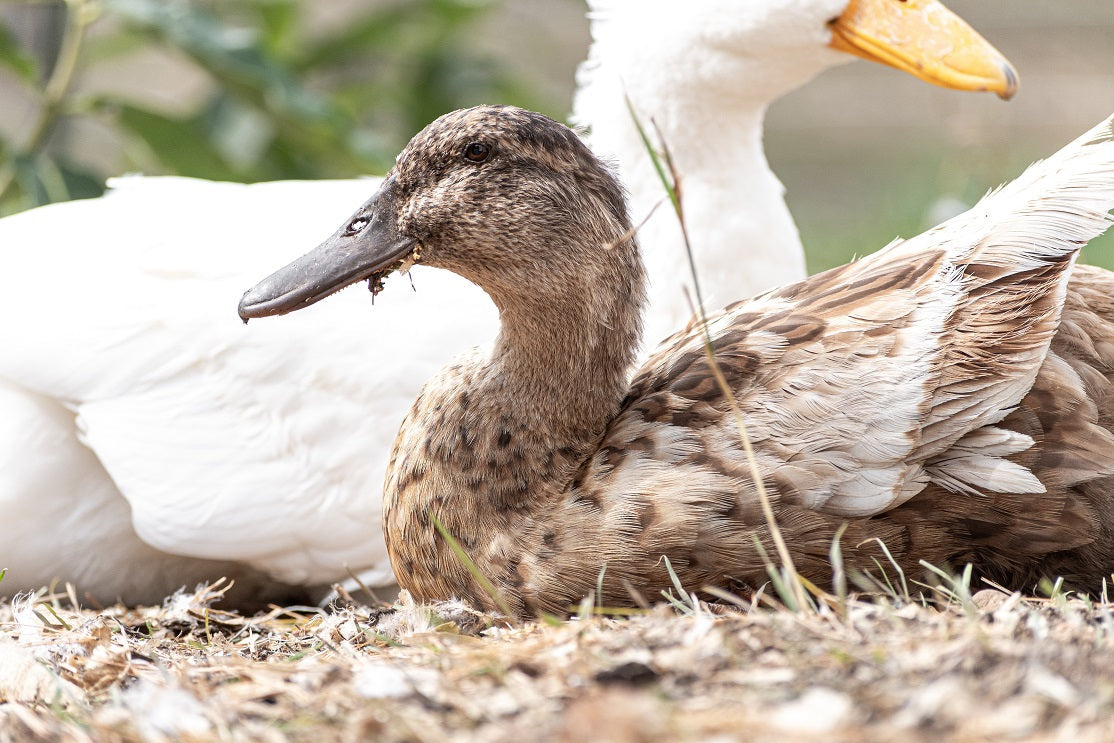
Have you ever noticed different kinds of birds flying or feeding together as a group? This interesting gathering is called a mixed species flock of birds.
But what makes these flocks so special? Understanding how and why birds from various species come together can change the way you see the world outside your window. You’ll discover the surprising benefits these flocks bring to each bird and why this behavior matters to you and the environment around you.
Keep reading to unlock the fascinating secrets of mixed species flocks.
Mixed Species Flocks Defined
A mixed species flock is a group of different bird species that move and forage together. These flocks often form in forests or open areas. Birds join these groups for safety, finding food, and sharing information. The mix of species usually includes small to medium-sized birds.
Mixed species flocks are common in many parts of the world. Each species plays a role that benefits the whole group. This behavior shows how animals cooperate beyond their own kind.
What Are Mixed Species Flocks?
Mixed species flocks are gatherings of different bird species. They travel, search for food, and rest together. These flocks can have just a few birds or many. The species involved often have different habits but share common goals.
Why Do Birds Form Mixed Species Flocks?
Birds form these flocks to improve their chances of survival. Being in a group helps spot predators early. It also helps find food more efficiently. Birds can benefit from the knowledge and actions of others.
Common Characteristics Of Mixed Species Flocks
- Variety of bird species from the same habitat
- Coordinated movement and foraging
- Clear roles, such as leaders and followers
- Increased alertness against predators
Behavioral Characteristics
Mixed species flocks show fascinating behaviors that help birds survive. These flocks bring different types of birds together for safety and food. Their actions show teamwork and smart choices. Understanding their behavior explains how they thrive in the wild.
Cooperation Among Species
Birds in mixed flocks often work as a team. Different species watch for danger together. Some act as lookouts, while others search for food. This cooperation lowers the risk of predators attacking. Birds also share information through calls and movements. Such teamwork helps each bird stay safe and alert.
Foraging Strategies
Birds use smart ways to find food in mixed flocks. Each species may look for different foods or use unique methods. This reduces competition and helps more birds eat. Some birds catch insects disturbed by others. Others pick fruits or seeds nearby. These strategies increase food availability for all flock members.
Benefits For Birds
Mixed species flocks offer many benefits for the birds involved. These groups help improve safety and food finding. Birds gain advantages they might not get alone. The cooperation and interaction make their daily lives easier and safer.
Increased Safety
Birds in mixed flocks watch out for each other. More eyes mean better spotting of predators. Alarm calls spread quickly, warning all members. This reduces the risk of surprise attacks. Birds can focus more on feeding and less on danger. Safety in numbers is a key benefit here.
Enhanced Foraging Success
Different species bring unique skills to the flock. Some birds find food hidden in bark. Others catch insects in the air or on leaves. Working together helps locate more food sources. Birds share information silently by following each other. This teamwork leads to better feeding opportunities.
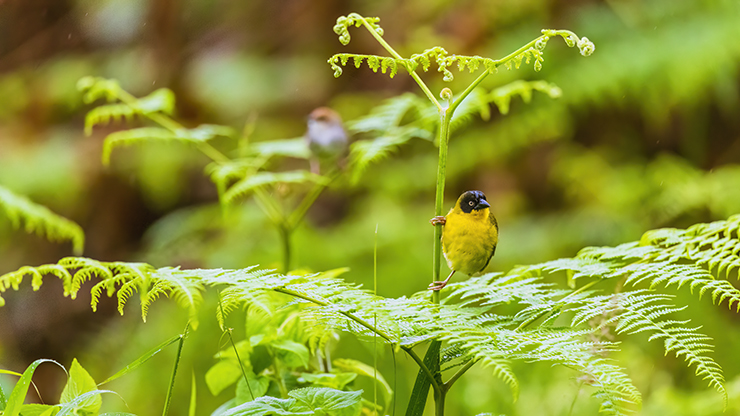
Credit: www.10000birds.com
Species Composition
Species composition in mixed species flocks shows a variety of birds gathering together. Different species join to share food sources and protection. This mix creates a dynamic group with unique interactions. Each bird species plays a specific role, helping the flock work as a team.
Common Bird Participants
Mixed species flocks often include small insect-eating birds. Warblers, chickadees, and nuthatches are regular members. Woodpeckers and flycatchers also join to search for insects. Some flocks feature larger birds like jays or thrushes. These birds stay alert and warn others of danger.
- Warblers
- Chickadees
- Nuthatches
- Woodpeckers
- Flycatchers
- Jays
- Thrushes
Role Of Leader Species
Leader species guide the flock’s movement and alert others to threats. They often have sharp eyesight and quick reactions. Chickadees and nuthatches frequently act as leaders. These birds find food first and signal the group. Their calls warn of predators or changes in the environment. The flock depends on leaders to stay safe and feed well.
Habitats And Regions
Mixed species flocks of birds form in various habitats worldwide. These flocks bring together different bird species for safety and food benefits. The regions and environments where these flocks appear vary greatly. Understanding these habitats helps us see why birds join mixed groups.
Tropical And Temperate Zones
Tropical forests host many mixed species flocks. These areas have rich food sources and dense vegetation. Birds here often move together to find insects and fruits. The diversity of species is high in tropical zones.
Temperate zones also support mixed flocks but in different ways. Trees and shrubs change with seasons, affecting food availability. Birds in temperate areas join flocks mainly during migration or winter. These flocks help birds survive colder times and scarce food.
Seasonal Variations
Season changes affect flock formation strongly. In dry seasons, food is scarce, so birds flock more. They share information about food and safety. Wet seasons bring abundance, and some flocks break up.
During migration, many species form large mixed flocks. These groups help navigate long journeys and avoid predators. Seasonal changes also influence where flocks travel and rest.
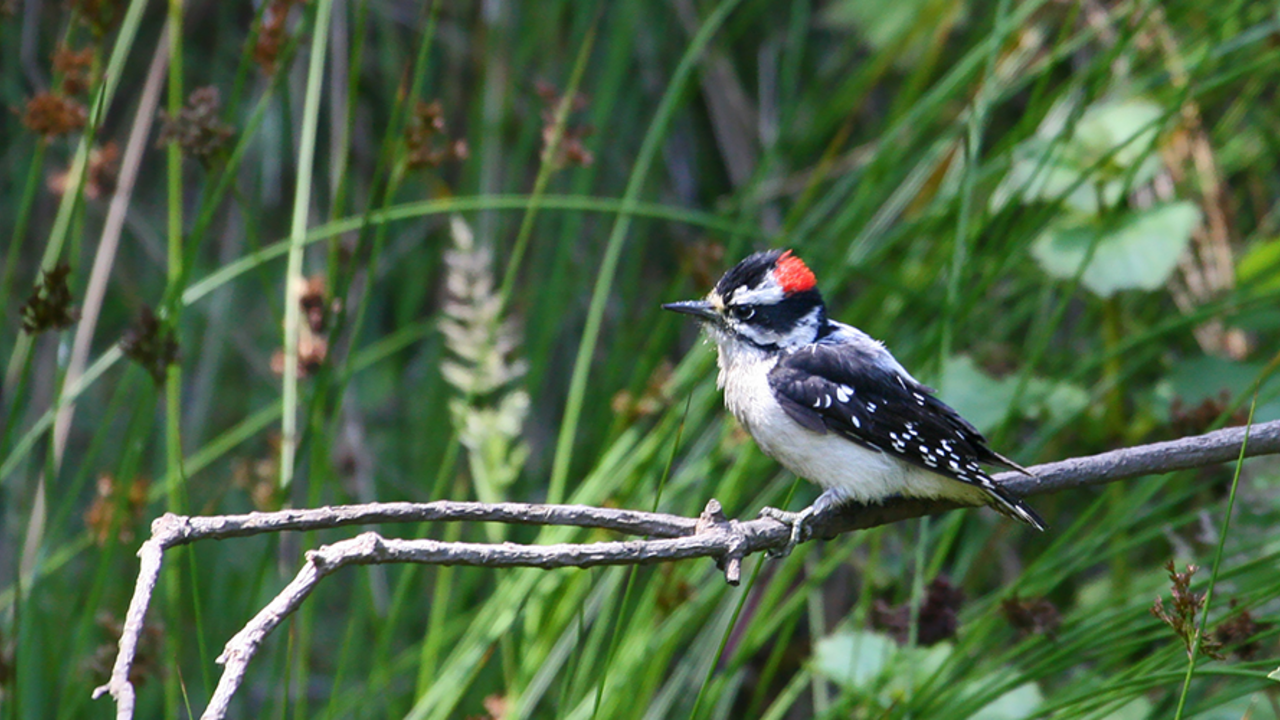
Credit: www.parksconservancy.org
Impact On Birdwatching
Mixed species flocks bring a unique thrill to birdwatching. Watching different bird species move and interact together offers a dynamic experience. These flocks increase the chances of spotting rare or shy birds. Birdwatchers enjoy learning about bird behavior and communication within these groups. The diversity in the flock adds excitement and variety to each outing.
Observation Techniques
Patience plays a key role in observing mixed species flocks. Moving slowly and quietly helps avoid scaring birds away. Using binoculars with good magnification reveals fine details. Listening carefully can detect calls and songs of hidden birds. Taking notes or photos helps remember species and behaviors later. Watching how birds respond to each other provides insight into their social structure.
Notable Birdwatching Sites
- Amazon Rainforest, South America – rich in diverse mixed species flocks
- Western Ghats, India – famous for vibrant forest birds in flocks
- Congaree National Park, USA – home to many woodland bird groups
- Kakamega Forest, Kenya – known for colorful and active bird flocks
- Daintree Rainforest, Australia – offers unique species in mixed flocks
Conservation Implications
Mixed species flocks of birds hold significant value beyond their fascinating social dynamics. They serve as crucial indicators for conservation efforts, revealing the health of ecosystems and guiding habitat management. Understanding these conservation implications can help you appreciate why protecting these flocks matters for broader environmental stability.
Biodiversity Indicators
Mixed species flocks often include a variety of bird species with different ecological roles. Their presence and diversity signal a rich, balanced ecosystem. When these flocks disappear or decline, it may indicate problems like habitat degradation or pollution.
Have you noticed fewer bird species during your nature walks? That could be a warning sign about the local environment’s health. Conservationists track these flocks to monitor biodiversity changes over time, giving early alerts about ecological stress.
Habitat Preservation
Protecting areas where mixed species flocks gather helps conserve critical habitats. These flocks need diverse food sources and safe nesting sites, which only healthy habitats can provide. By focusing on places where flocks thrive, you contribute to preserving entire ecosystems.
Imagine a forest losing its bird diversity. This loss can cascade, affecting plants that rely on birds for seed dispersal or pest control. Supporting habitat preservation benefits not just birds but many other species connected to that environment.
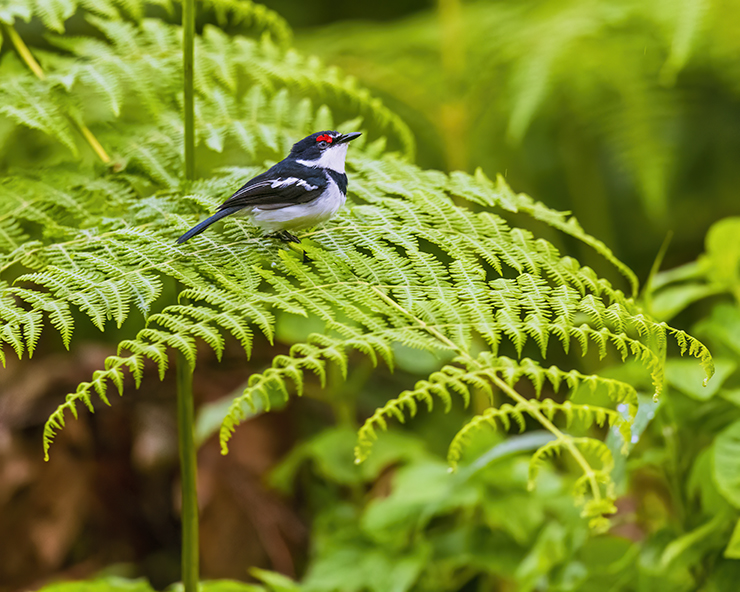
Credit: www.10000birds.com
Frequently Asked Questions
What Defines A Mixed Species Flock Of Birds?
A mixed species flock includes different bird species that move and feed together. These flocks offer safety and increased foraging success. Birds benefit from shared vigilance and diverse foraging techniques, improving survival. This behavior is common in forests and woodlands worldwide.
Why Do Birds Form Mixed Species Flocks?
Birds form mixed species flocks to enhance protection from predators. Grouping allows more eyes to spot danger quickly. It also improves food finding by combining various species’ skills. This cooperation increases each bird’s chances of survival and efficient feeding.
Which Birds Commonly Join Mixed Species Flocks?
Small insectivorous birds like warblers, chickadees, and nuthatches often join mixed flocks. These species benefit from shared information and safety. The composition varies by region and habitat but usually includes birds with complementary feeding habits.
How Do Mixed Species Flocks Benefit Birdwatchers?
Mixed species flocks offer birdwatchers a chance to see diverse species together. They make spotting rare or shy birds easier. Watching these flocks reveals interesting bird behaviors and interactions. This enriches the birdwatching experience significantly.
Conclusion
Mixed species flocks show how birds work together to stay safe and find food. These groups help birds spot danger quickly and share information. Watching them can teach us about nature’s teamwork and balance. Next time you see different birds flying or feeding close, think about their special bond.
Mixed flocks remind us how cooperation can help all survive. They make birdwatching more interesting and fun. Understanding these flocks helps us appreciate wildlife better. Nature’s small wonders, working side by side.