

Have you ever wondered what birds and amphibians can tell us about the health of our environment? These creatures are more than just part of nature’s beauty—they act like nature’s own warning system.
When their numbers drop or their behavior changes, it’s often a sign that something is wrong with the world around us. By understanding why birds and amphibians are such great indicator species, you’ll discover how closely connected we all are to the health of our planet—and why paying attention to them can help protect your own future.
Keep reading, and you’ll learn how these amazing animals give us clues that can’t be ignored.
Indicator Species Concept
The indicator species concept is a powerful tool in environmental science. It helps you understand how healthy or damaged an ecosystem is by observing certain species. Birds and amphibians often serve as early warning signs because they react quickly to changes in their surroundings.
Defining Indicator Species
Indicator species are organisms that show the condition of their environment. They respond to changes such as pollution, habitat loss, or climate shifts before other species do. By monitoring these species, you can detect problems early and take action.
Think about frogs in a pond. If the water becomes polluted, their skin absorbs toxins quickly, causing their numbers to drop. This drop signals that the water quality is poor, alerting you to an issue needing attention.
Importance In Ecosystems
These species play a crucial role in ecosystems by reflecting environmental health. Birds and amphibians often occupy key positions in the food chain, so their well-being affects many other organisms.
For example, a decline in insect-eating birds might indicate a drop in insect populations or pesticide use. This could lead to crop damage or other problems that affect your community directly.
- They provide early warnings of environmental stress.
- Help track changes over time for better management.
- Guide conservation efforts by highlighting at-risk areas.
Have you ever noticed changes in local bird songs or frog calls? These subtle shifts can tell you a lot about your environment’s health, encouraging you to look closer and act faster.
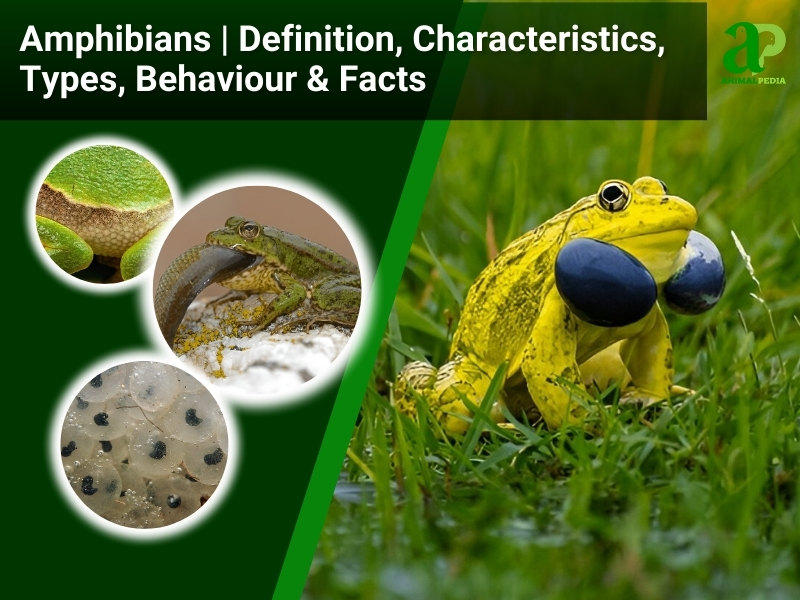
Credit: animal-pedia.org
Birds As Indicator Species
Birds serve as excellent indicator species because they reflect the health of the environment around them. Their presence, behavior, and population changes can signal shifts in ecosystems that might otherwise go unnoticed. Paying attention to birds can provide you with early warnings about environmental problems.
Diversity And Distribution
The variety of bird species in an area tells a lot about the ecosystem’s health. Different birds need different resources, so a diverse bird population means a well-balanced environment. If you notice a sudden drop in species diversity or changes in where birds are found, it might be a sign of habitat trouble.
For example, wetlands with a rich mix of waterfowl and songbirds often indicate clean water and abundant food. If those birds disappear, it suggests the habitat is degrading. Have you ever seen a place where the usual birds vanish? That’s your clue to investigate further.
Habitat Sensitivity
Birds react quickly to changes in their surroundings, making them sensitive indicators of habitat quality. They depend on specific conditions like clean water, safe nesting areas, and enough food. When these needs aren’t met, bird populations decline or shift.
Take forest birds, for instance. If logging or pollution affects their habitat, you’ll see fewer of these species soon after. Watching local bird activity can help you track environmental changes without complicated equipment. How closely do you watch your backyard birds? Their habits might be telling you more than you realize.
Amphibians As Environmental Indicators
Amphibians are vital indicators of environmental health. Their unique life cycle spans water and land. This dual existence exposes them to changes in both habitats. Their reactions reveal early signs of ecosystem problems. Monitoring amphibians helps track pollution, habitat loss, and climate shifts.
Sensitivity To Environmental Changes
Amphibians have thin, permeable skin. This skin absorbs water and air directly. It also takes in harmful chemicals and pollutants easily. Even small changes in water quality or air can harm them. Temperature shifts affect their breeding and survival rates. Their sensitivity makes them early warning signs of danger.
Role In Aquatic And Terrestrial Ecosystems
Amphibians link water and land ecosystems closely. As tadpoles, they help control algae in ponds. Adult amphibians eat insects, keeping pest numbers low. They serve as food for birds, fish, and mammals. Their presence supports a balanced and healthy environment. Amphibians show how water and land health connect deeply.
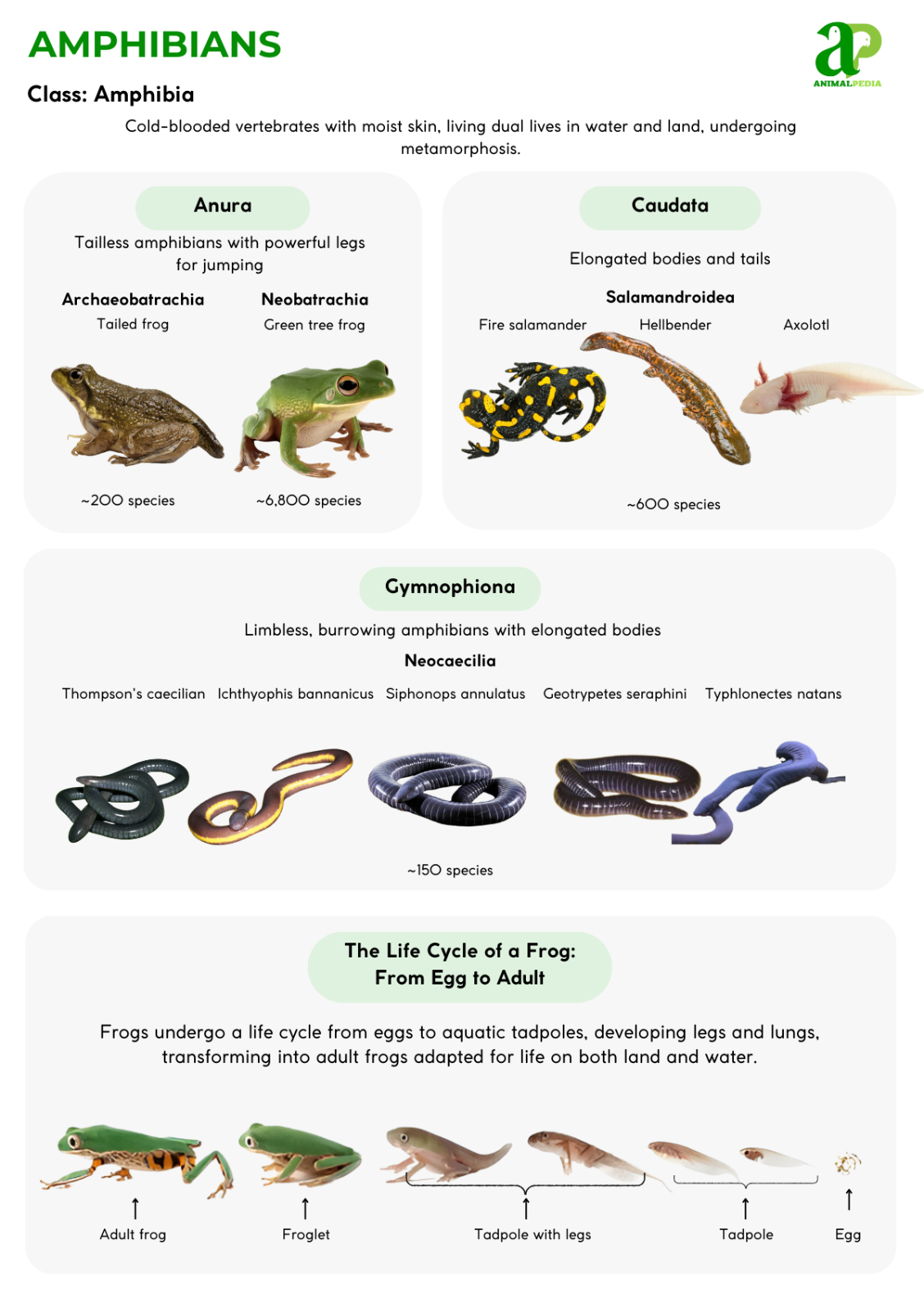
Credit: animal-pedia.org
Comparative Analysis
Comparing birds and amphibians as indicator species reveals unique insights into how they reflect environmental health. Both groups respond differently to changes, offering a broader picture when studied together. Understanding their differences and interactions helps you interpret ecological signals more accurately.
Birds Vs. Amphibians
Birds are highly mobile and often cover large areas, making them excellent indicators of regional environmental changes. Their varied diets and nesting habits allow them to signal shifts in air quality, habitat loss, and food availability.
Amphibians, on the other hand, have permeable skin and spend parts of their life in water and on land. This dual existence makes them sensitive to pollutants in both environments, such as water contamination and soil toxins.
Think about spotting a decline in frog populations near a pond — it might mean water pollution is rising. Meanwhile, a drop in songbird numbers in a forest could point to habitat fragmentation. Each tells a different story about the ecosystem’s condition.
Complementary Roles
- Birdscan alert you to atmospheric and habitat changes over vast areas.
- Amphibiansprovide early warnings about water quality and microhabitat health.
- Together, they create a more complete environmental assessment.
Using both groups as indicators can prevent you from missing critical signs. For example, amphibians may decline before birds show distress, giving you a valuable early alert.
Have you noticed changes in both bird songs and frog calls around your neighborhood? Observing these patterns side by side can deepen your understanding of local environmental shifts.
Case Studies
Case studies show how birds and amphibians reveal environmental health. They react quickly to changes in their habitats. This makes them reliable indicators for scientists and conservationists. Real-world examples help us understand their importance better.
Birds In Urban Environments
Birds adapt to city life but face many challenges. Studies track bird species diversity and numbers in urban areas. A drop in certain bird populations signals pollution or habitat loss.
For example, pigeons and sparrows thrive, but sensitive species decline. This change warns about air quality and green space reduction. Monitoring bird calls and nesting habits provides clues to urban ecosystem health.
Amphibians In Wetland Monitoring
Amphibians live both in water and on land. They absorb chemicals through their skin, making them vulnerable to pollution. Scientists study frog and salamander populations in wetlands to check water quality.
Population decreases often mean toxic chemicals or habitat destruction. Tadpole growth and adult amphibian health give clear signs of wetland conditions. These case studies highlight how amphibians help track ecosystem changes fast.
Conservation Implications
Birds and amphibians serve as key indicators of environmental health. Their presence or absence signals changes in ecosystems. These species help identify threats that may harm biodiversity. Conservation efforts rely on such indicators to act swiftly. Understanding their roles guides better protection of natural habitats.
Biodiversity Preservation
Birds and amphibians support ecosystem balance. They control pests and pollinate plants. Their decline often points to habitat loss or pollution. Protecting these species helps maintain diverse life forms. Healthy populations mean stable ecosystems and cleaner environments.
Conserving indicator species indirectly protects many other organisms. It preserves food chains and natural processes. Efforts to save birds and amphibians benefit entire habitats. This approach strengthens overall biodiversity and resilience.
Policy And Management Strategies
Data from birds and amphibians guide conservation policies. Governments use these signals to set environmental laws. Monitoring these species helps measure policy effectiveness. It also identifies urgent areas needing protection or restoration.
Management plans often include habitat preservation and pollution control. Public awareness campaigns highlight the importance of these species. Involving communities fosters support for conservation goals. This collaboration improves long-term success in protecting nature.

Credit: www.hcn.org
Frequently Asked Questions
Why Are Birds Considered Good Indicator Species?
Birds react quickly to environmental changes, reflecting ecosystem health. Their varied diets and habitats make them sensitive to pollution and habitat loss, signaling ecological shifts effectively.
How Do Amphibians Indicate Environmental Quality?
Amphibians have permeable skin that absorbs toxins easily. This makes them highly sensitive to water and air pollution, providing early warnings about ecosystem contamination.
What Makes Indicator Species Important For Conservation?
Indicator species help detect environmental problems early. Monitoring them guides conservation efforts and helps protect broader ecosystems before damage becomes severe.
Can Birds And Amphibians Show Climate Change Effects?
Yes, shifts in bird migration and amphibian breeding patterns reveal climate change impacts. These changes highlight temperature and habitat alterations affecting ecosystems.
Conclusion
Birds and amphibians reveal the health of our environment clearly. They respond quickly to changes around them. Their presence or absence signals problems early. Watching these animals helps protect ecosystems and people. They live in many places, so their signals are widespread.
Protecting them means protecting our world’s balance. Their role as indicators is simple but vital. Caring for birds and amphibians means caring for life itself. Keep observing these species to stay aware and informed. Small changes in nature start with these important creatures.