

Have you ever looked up at the sky and seen thousands of birds moving together in perfect harmony, twisting and turning as if they share one mind? This incredible natural show is called murmuration.
But which species of birds create this mesmerizing dance? If you’re curious about these amazing creatures and want to know more about the secrets behind their synchronized flight, you’re in the right place. Keep reading, and you’ll discover the fascinating species that bring murmuration to life—and why their behavior might surprise you.
Birds That Create Murmurations
Birds that create murmurations form one of nature’s most stunning displays. These species gather in large groups and move in perfect harmony. The swirling patterns they create are both captivating and mysterious.
Not all birds perform murmurations. This behavior is common among specific species known for their social nature. Understanding which birds create these formations helps appreciate the spectacle even more.
European Starlings
European starlings are the most famous murmuration birds. They gather in huge flocks, especially before roosting at dusk. Their synchronized flight creates mesmerizing shapes in the sky. These birds use murmurations to protect themselves from predators.
Red-winged Blackbirds
Red-winged blackbirds also perform murmurations, though on a smaller scale. They group together during migration and in feeding areas. Their tight formations help them stay safe and communicate within the flock.
Common Grackles
Common grackles join in murmuration displays too. They often mix with other blackbird species. These birds form dense groups that twist and turn in the air. Their movements confuse predators and help the flock stay united.
Chimney Swifts
Chimney swifts create fast, fluid murmurations at dusk. They fly close to each other in large groups. These swifts use their aerial dances to find roosting spots. Their murmurations light up the evening sky with motion.
Other Species
- Starling relatives in other parts of the world
- Some types of blackbirds and grackles
- Occasional murmurations by pigeons and doves
While less common, these birds also show murmuration-like behavior. The size and shape of their groups vary greatly. Each species adds a unique touch to this natural ballet.
Starling Spectacle
The starling murmuration is one of nature’s most mesmerizing displays. Thousands of birds twist and turn in the sky, moving as one fluid entity. Witnessing this spectacle invites you to ask: what drives such perfect coordination among so many individuals?
Behavior And Habits
Starlings gather in large flocks, especially during the late afternoon and evening. They perform their murmurations before settling down for the night, creating a protective shield against predators.
This synchronized movement isn’t random. Each starling adjusts its flight based on its closest neighbors, allowing the entire flock to change direction almost instantly.
Have you noticed how quickly the shape of a murmuration shifts? It’s a brilliant example of teamwork without any leader guiding the group.
Habitat And Distribution
Starlings thrive in diverse environments. You’ll find them in urban parks, farmlands, and open woodlands across Europe, Asia, and parts of North America.
They prefer areas with plenty of open space to perform their murmurations. The choice of roosting sites often depends on the availability of food and safety.
Next time you spot a murmuration, consider the location carefully. Is it near a city or countryside? Understanding where starlings gather can help you predict when and where you might see this natural dance again.
Choreography Of Black Sun
The “Black Sun” is a stunning natural spectacle where thousands of starlings twist and turn in the sky, creating mesmerizing patterns. Watching this phenomenon feels like witnessing a living, breathing artwork choreographed by nature itself. It’s not just beautiful—it’s a complex display of coordination and survival.
Formation Dynamics
Starlings form tight, shifting flocks called murmurations. Each bird reacts to its seven nearest neighbors, adjusting speed and direction instantly. This creates fluid, wave-like movements that ripple through the group without a leader.
Think about how you move in a crowded space. You adjust your steps to avoid bumping into others. Starlings do the same but on a much larger scale and at incredible speeds.
This synchronization helps keep the flock safe and agile. The constant changes in shape confuse predators and reduce the chance of any one bird getting caught.
Purpose Of Murmuration
Murmurations serve several practical purposes for starlings. First, they provide protection from predators like hawks and falcons. The swirling mass makes it nearly impossible for a predator to target a single bird.
Second, murmurations help birds find warmth during cold evenings by clustering together in large numbers. This communal behavior conserves heat and increases survival rates.
Finally, these gatherings strengthen social bonds. Birds exchange information about food sources and roosting spots, improving their chances of thriving.
Have you ever considered how much you rely on your social circle for information and safety? Starlings remind us that cooperation often beats competition in nature.
Swallows In Sync
Swallows create stunning murmurations that captivate many bird watchers. These small birds move in perfect harmony, forming fluid shapes in the sky. Their synchronized flight looks like a living, breathing wave. This behavior helps protect them from predators and strengthens their social bonds.
Migration Patterns
Swallows travel long distances during migration. They fly from colder regions to warmer places for winter. These birds follow the same routes year after year. They often migrate in large groups to stay safe. Migration usually happens during dawn and dusk hours.
Roosting And Gathering
Before settling down for the night, swallows gather in huge flocks. Roosting spots include reed beds, trees, and buildings. These gatherings allow them to share warmth and protection. The swirling patterns they make above roosts are mesmerizing. This group behavior keeps them alert to dangers nearby.
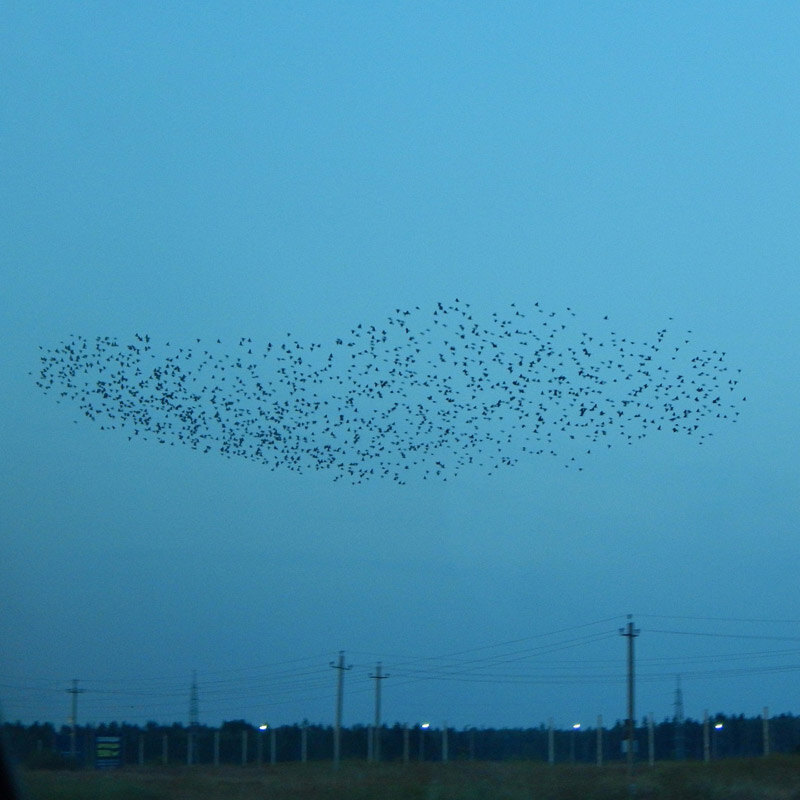
Dazzling Displays Of Dunlins
Dunlins create some of the most mesmerizing murmuration displays you can witness in the bird world. Their swirling movements paint the sky with waves of shimmering shapes. Watching them can change how you think about teamwork and survival in nature.
Flocking Patterns
Dunlins move in tight, coordinated groups that shift quickly and smoothly. Each bird adjusts its speed and direction based on its closest neighbors, creating seamless patterns. This precise coordination helps them avoid predators and conserve energy.
Have you ever noticed how a single change in direction spreads instantly through the flock? It’s like a natural dance where every bird plays a part without a leader. This collective behavior is crucial for their safety during migration and feeding.
Environmental Adaptations
Dunlins adapt their murmuration behavior depending on the environment around them. In coastal areas, they often flock near tidal mudflats where food is abundant. Their murmuration provides protection while they feed in these open spaces.
During harsh weather, their flocking becomes tighter and more dynamic. This helps reduce heat loss and keeps them alert to threats. Observing these adaptations can give you ideas on how animals survive by working together in changing conditions.
Credit: lafeber.com
Red-winged Blackbirds’ Aerial Show
The red-winged blackbird’s aerial show is a captivating sight that brings the skies to life. These birds gather in large groups, creating intricate patterns as they twist and turn together. Watching their murmuration feels like witnessing a living, breathing dance above you.
Seasonal Movements
Red-winged blackbirds don’t stay in one place all year. They move in large flocks, especially during the fall and winter months.
In northern areas, they fly south to find warmer spots with more food. You might notice huge groups gathering near wetlands and fields as they prepare for colder weather.
Have you ever seen a sudden shift in bird numbers near your home during these seasons? That’s likely these blackbirds arriving or departing on their seasonal journey.
Communication In Flight
These blackbirds use their flight formations to communicate with one another. Their quick changes in direction send signals to keep the flock coordinated.
Calls and wing sounds add another layer of communication, helping them react to threats or find better feeding areas. This teamwork makes their aerial show smooth and mesmerizing.
Next time you watch a murmuration, pay attention to the subtle sounds and movements. Can you spot how they keep in sync without crashing into each other?
Environmental Factors
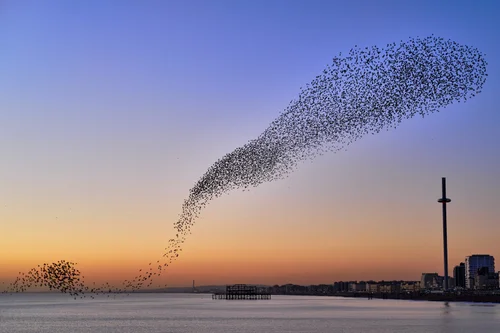
Environmental factors play a crucial role in shaping the behavior and patterns of bird murmuration. These stunning aerial displays depend heavily on the surrounding habitat and ecological balance. Understanding these influences helps you appreciate why certain species gather in such mesmerizing formations.
Impact Of Habitat Changes
Birds that murmurate, like starlings, rely on specific habitats for roosting and feeding. When urban development or agriculture alters these areas, murmuration sites can vanish or shift.
Loss of trees or wetlands reduces safe places for birds to gather. You might notice fewer murmurations near cities that expand rapidly without green spaces.
Pollution and climate change also affect food availability. If insects and seeds become scarce, birds may change their migratory routes or stop murmuring altogether.
Role In Ecosystems
Murmurations are more than just a spectacular sight; they serve important ecological functions. These large gatherings help birds avoid predators by confusing them with quick, coordinated movements.
Birds also communicate and share information about food sources during murmuration. This social aspect helps maintain healthy populations and supports ecosystem balance.
Have you ever wondered how your local environment supports these natural wonders? Protecting habitats encourages murmuration and the benefits it brings to your area’s biodiversity.
Credit: www.thesciencewriter.org
Human Fascination
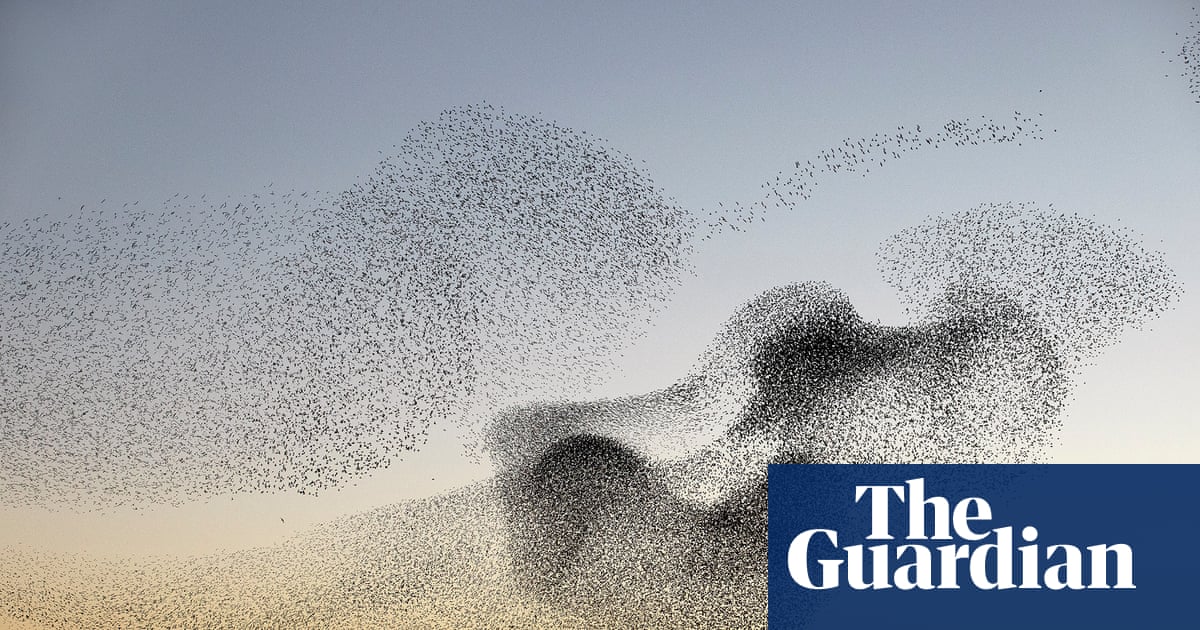
Watching a murmuration of birds can feel like witnessing a living dance in the sky. The way thousands of birds twist and turn together sparks curiosity and awe. You might find yourself wondering how such complex movement happens without collision, and why it captivates people around the world.
Cultural Significance
Murmurations have inspired art, folklore, and community events for centuries. Some cultures see them as symbols of unity and strength due to the birds’ seamless coordination. In parts of Europe, people gather during the evening to watch starlings perform their aerial displays, turning it into a shared cultural experience.
This fascination also appears in modern media. Documentaries and photographers often highlight murmurations to remind us of nature’s beauty and complexity. Have you ever noticed how such natural phenomena can bring strangers together in a moment of shared wonder?
Conservation Efforts
Human fascination with murmuration has helped raise awareness about protecting bird habitats. Conservation groups use these gatherings to promote the importance of preserving wetlands and open spaces where starlings and other murmuring species live. Your local parks or reserves might host guided viewing sessions that combine education with enjoyment.
Protecting these birds means maintaining healthy ecosystems that support many other species too. Simple actions like reducing pesticide use and supporting bird-friendly landscaping can make a difference. What steps could you take to help ensure these mesmerizing displays continue for future generations?
Credit: www.theguardian.com
Frequently Asked Questions
Which Bird Species Perform Murmurations?
Starlings are the most famous species known for murmurations. These small birds create stunning, fluid flock patterns in the sky. Other birds rarely display similar behavior as spectacularly as starlings do.
Why Do Starlings Form Murmurations?
Starlings murmurate to confuse predators, stay warm, and share information. This synchronized flying helps protect them from threats and improves group survival chances.
Where Can You See Bird Murmurations?
Bird murmurations are commonly seen in Europe, especially in the UK during autumn and winter. Open fields and roosting sites near towns are ideal viewing spots.
How Large Can Starling Murmurations Get?
Starling murmurations can involve thousands to millions of birds. These massive flocks create breathtaking, ever-changing shapes in the sky, visible from miles away.
Conclusion
Bird murmuration shows nature’s beauty in motion. Starlings are the main performers. They fly in large groups, creating stunning shapes in the sky. Other birds sometimes join but not as often. Watching these patterns helps us understand bird behavior better.
It also reminds us how animals work together. Bird murmuration stays a fascinating natural event. It invites us to appreciate wildlife more closely. Keep an eye on the sky—you might catch this amazing show yourself.