

Have you ever wondered if some birds truly find their soulmate and stay together forever? Imagine knowing which bird species choose a partner for life, sharing a bond that lasts through seasons and challenges.
This fascinating fact about nature might surprise you and change the way you see love and loyalty in the animal kingdom. Keep reading, and you’ll discover the incredible stories of birds that mate for life—and why their commitment matters more than you might think.
Your curiosity is about to take flight!
Monogamy In The Bird World
Monogamy in the bird world is a fascinating behavior that challenges many of our assumptions about animal relationships. Unlike many species that mate with multiple partners, some birds form lifelong bonds with a single mate. This commitment often benefits their survival and reproductive success, showing that loyalty in nature can be practical, not just romantic.
How Bird Monogamy Works
Bird monogamy usually means a pair stays together through at least one breeding season, but many species go further, bonding for life. These partnerships involve cooperation in nest building, incubating eggs, and raising chicks. Such teamwork increases the chances that their offspring will thrive.
Have you ever noticed how some birds seem inseparable? This isn’t just coincidence—it’s a survival strategy that has evolved over thousands of years. When both parents share duties, they can better protect their young from predators and find enough food.
Examples Of Birds That Mate For Life
Many bird species are known for their monogamous relationships. Some well-known examples include:
- Swans:Famous for their grace, swans often form lifelong pairs, symbolizing fidelity.
- Albatrosses:These ocean wanderers return to the same mate year after year despite traveling vast distances.
- Bald Eagles:Known to reunite with the same partner annually, they share nest duties equally.
- Penguins:Many species, like the Emperor Penguin, stay loyal, especially in harsh environments.
Each of these species shows how monogamy can be a practical choice in different environments. If you observe closely, you’ll see that their joint efforts lead to stronger family units.
Why Some Birds Choose Lifelong Partners
Choosing a lifelong partner offers several advantages to birds. It reduces the time and energy spent finding new mates each breeding season. This can be crucial in environments where breeding opportunities are limited.
Moreover, a stable partnership improves coordination in parenting tasks. When you watch birds working together seamlessly, it’s clear that trust and experience matter. This cooperation often leads to higher survival rates for their young.
Challenges To Bird Monogamy
Despite the benefits, monogamy isn’t always easy for birds. Environmental pressures, scarcity of mates, and competition can disrupt these bonds. Sometimes, one partner may seek new mates to increase genetic diversity or improve offspring survival.
Have you wondered how birds manage conflicts in their relationships? Some species show remarkable forgiveness and reunion behaviors, while others may separate and form new pairs. This balance between loyalty and adaptability keeps their populations healthy.
Swans: The Icon Of Devotion
Swans symbolize love and loyalty in the animal world. These elegant birds often pair for life. Their strong bonds and graceful presence inspire many stories about devotion. Swans show unique behaviors that highlight their commitment.
Courtship Rituals
Swans perform beautiful courtship dances. They face each other and move in sync. Their necks curve to form a heart shape. They also call softly to one another. These rituals strengthen their connection before mating. The displays last several days and help choose a partner.
Lifelong Partnerships
Once paired, swans stay together for life. They build nests side by side and share duties. Both parents care for eggs and young cygnets. Their teamwork improves the survival of their offspring. Swans defend their territory together. The bond between them grows stronger each year.
Albatross: Epic Journeys Together
The albatross is a symbol of enduring love in the bird world. These majestic seabirds form lifelong bonds with their partners. Their commitment lasts through years of epic journeys across oceans. The albatross shows how love can thrive over great distances and time.
Long-distance Love
Albatrosses travel thousands of miles across the open sea. They spend months flying over vast oceans in search of food. Despite these long separations, they remain loyal to one mate. Their strong bond helps them survive the harsh ocean environment.
Reuniting After Migration
After long migrations, albatrosses return to the same nesting site. They recognize their partner through unique calls and gestures. This reunion strengthens their pair bond and prepares them for breeding. Together, they raise their chick with shared care and effort.

Credit: www.birdwatchingdaily.com
Bald Eagles: Soaring As A Pair
Bald eagles are not just symbols of strength and freedom; they also exemplify lasting partnerships. These majestic birds often mate for life, creating bonds that last through seasons and challenges. Watching a pair of bald eagles soar together reminds you how teamwork can elevate success in any aspect of life.
Nest Building Collaborations
Both male and female bald eagles work side by side to build their nests. They choose tall trees or cliffs to ensure safety and a clear view of their surroundings. The nests, called eyries, can grow over time as the pair adds sticks and soft materials each season.
Have you ever considered how cooperation in your projects might improve the outcome? Just like bald eagles, sharing responsibilities can make big tasks feel manageable and even rewarding.
Raising Eaglets Together
Once the eggs hatch, both parents take turns feeding and protecting their eaglets. This shared effort increases the chances of survival for the young birds. Parents teach the eaglets essential skills, like flying and hunting, preparing them for independence.
Seeing this balance of duties makes you think: How can you better support your partner or team in your daily life? Bald eagles show that success often comes from mutual dedication and trust.
Penguins: Love In Chilly Climates
Penguins are fascinating creatures, not just because they thrive in some of the coldest places on Earth, but also because of their unique approach to love and partnership. These birds often mate for life, forming strong bonds that help them survive harsh climates together. Their relationships are marked by remarkable behaviors that show commitment and cooperation.
Stone Offering Rituals
One of the most interesting behaviors penguins display is the stone offering ritual. Male penguins often present carefully selected stones to their potential mates as a gift. This act isn’t just charming—it shows the effort put into building a nest, which is crucial for their eggs to stay safe and warm.
If you’ve ever watched a penguin pick up a tiny stone, you might notice how selective they are. This isn’t random; the quality of the stone can influence the female’s choice, showing how important this ritual is. It’s a practical way to start a partnership focused on nurturing and protecting their future family.
Shared Parenting Duties
Once paired, penguins share the responsibility of raising their chicks equally. Both parents take turns incubating the eggs, often enduring freezing temperatures and long fasting periods. This teamwork ensures that the eggs remain warm and protected, increasing the chances of survival.
After the chicks hatch, both penguin parents continue to share feeding and guarding duties. Watching this cooperation in action can make you reflect on the power of partnership in facing life’s challenges. How might sharing responsibilities more evenly in your own relationships change the outcome?
/https://tf-cmsv2-smithsonianmag-media.s3.amazonaws.com/filer_public/d0/b6/d0b653bd-978b-408a-999c-bc3ffec1e6b6/gettyimages-1184372519_web.jpg)
Credit: www.smithsonianmag.com
Lovebirds: True To Their Name
Lovebirds truly live up to their name by forming some of the strongest pair bonds in the bird world. These small, colorful parrots are known for their affectionate behavior, often seen snuggling and preening their mates. Their commitment to each other is more than just a charming trait—it’s a survival strategy that benefits both partners deeply.
Bonded For Life
Lovebirds typically choose one partner and stick with them for life. This long-term pairing means they share responsibilities like feeding and protecting their young. Their loyalty is so strong that if separated, a lovebird can become depressed or refuse to eat.
Have you ever noticed how lovebirds often sit so close that their feathers blend? This closeness isn’t just for warmth; it reinforces their bond daily. Seeing this can remind you that consistent, small acts of affection build lasting relationships.
Social Behaviors
These birds don’t just bond with a mate—they thrive in social groups. Lovebirds communicate with a variety of chirps and body language to maintain harmony within their flock. This social nature helps them develop trust and cooperation, essential for survival.
Think about how they groom each other to remove dirt and parasites. It’s a practical act that also strengthens their connection. You might consider how small gestures of care in your own relationships can deepen trust and closeness.
Macaws: Colorful Commitments
Macaws are famous for their bright feathers and strong bonds. These birds often choose one partner and stay loyal for life. Their colorful feathers make their love stories even more eye-catching. They show love through unique behaviors and deep connections. Macaws teach us about commitment in the animal kingdom.
Vibrant Displays Of Affection
Macaws use their colors to attract and keep mates. They preen each other’s feathers gently. This helps build trust and comfort. Their loud calls often sound like songs just for their partner. Sharing food is common between bonded macaws. These actions show care and strengthen their bond daily.
Loyalty In The Wild
Macaws live in forests and open woodlands. Once paired, they protect and support each other. They raise chicks together, sharing duties equally. Their teamwork improves survival chances for their young. Even in danger, they stay close and alert. This loyalty helps macaws survive harsh conditions and thrive as a species.
Challenges Of Monogamous Bonds
Monogamous bonds in bird species are remarkable for their loyalty and cooperation. Yet, these bonds face significant challenges that test their strength and durability. Understanding these hurdles can help you appreciate the delicate balance birds maintain to stay together for life.
Environmental Threats
Changes in the environment often disrupt the stable conditions necessary for monogamous pairs to thrive. Habitat loss can force birds to relocate, separating bonded pairs and reducing chances of reunion.
Harsh weather events like storms or droughts can strain resources, making it harder for pairs to feed and care for their young. Have you ever noticed how a sudden change in weather affects your daily plans? Birds face similar disruptions, but with higher stakes.
Impact Of Human Activities
Human actions play a major role in challenging monogamous bird relationships. Urban development, pollution, and deforestation fragment habitats and create barriers between mates.
Noise pollution can interfere with the calls birds use to communicate and find each other, increasing the risk of separation. Reflect on how difficult it is to hold a conversation in a noisy room—birds experience this on a much larger scale.
By protecting natural habitats and minimizing disturbances, you can help maintain the environment these lifelong pairs depend on. What small changes could you make to reduce your impact on local bird populations?
Conservation Efforts
Conservation efforts play a vital role in protecting bird species that mate for life. These birds often rely on stable environments and safe breeding grounds to maintain their lifelong bonds. Without targeted actions, their populations risk decline, affecting biodiversity and ecosystem health.
Protecting Habitats
Preserving natural habitats is crucial for the survival of lifelong bird couples. Many species depend on specific trees, wetlands, or coastal areas to nest and raise their young. When these environments are damaged or destroyed, it becomes harder for birds to find safe places to mate and thrive.
Have you noticed how urban expansion can squeeze out wildlife spaces? Efforts to protect forests and wetlands help maintain the delicate balance these birds need. Supporting local conservation groups or advocating for protected areas can make a real difference.
Supporting Breeding Programs
Breeding programs offer a second chance for endangered species that mate for life. These programs carefully manage bird pairs in controlled environments to increase their population numbers. Once strong enough, birds are often released back into protected habitats.
Consider the case of the California condor, where breeding programs helped bring the species back from the brink of extinction. These programs require patience and expertise but provide hope for many lifelong bird partners. You can contribute by supporting wildlife organizations that run these programs or spreading awareness about their importance.
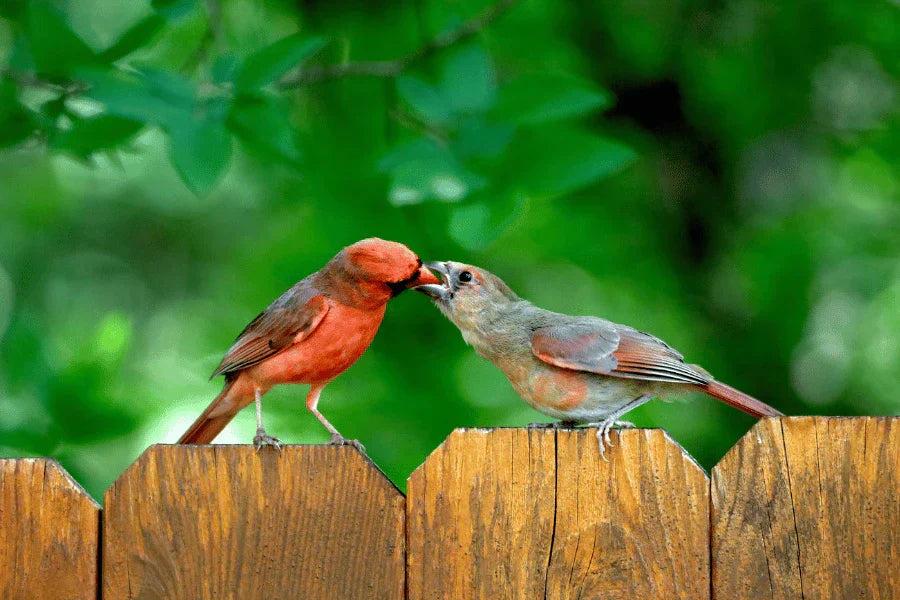
Credit: www.birdfy.com
Frequently Asked Questions
Which Bird Species Are Known To Mate For Life?
Birds like swans, albatrosses, bald eagles, and penguins commonly form lifelong pair bonds. These species often share nesting duties and raise chicks together.
Why Do Some Birds Mate For Life?
Lifelong mating helps birds increase offspring survival. It ensures cooperation in raising young and defending territory. This strategy improves reproductive success.
How Do Lifelong Bird Pairs Communicate?
These birds use calls, songs, and body language to strengthen their bond. Communication helps coordinate activities like feeding and nest building.
Do All Bird Species Mate For Life?
No, only about 90% of bird species are monogamous, but not all for life. Many switch partners each breeding season for genetic diversity.
Conclusion
Bird species that mate for life show unique bonds and teamwork. These pairs stay together through seasons and challenges. Their loyalty helps raise strong chicks and survive. Many birds teach us about trust and commitment. Watching them reminds us how nature values lasting partnerships.
Such connections inspire respect for wildlife and love. Understanding these birds helps protect their homes too. Nature’s faithful couples offer lessons beyond the wild. Love and loyalty are powerful forces everywhere.