

Have you ever heard the soft, soothing cooing early in the morning and wondered, “What species of bird is that?” If you’re curious about the gentle sounds that greet your day, you’re about to discover everything you need to know about the morning dove. Understanding this bird can change the way you experience your mornings, making them calmer and more connected to nature.
Keep reading, and you’ll learn fascinating facts that will make you see this familiar bird in a whole new light.
Identifying The Mourning Dove
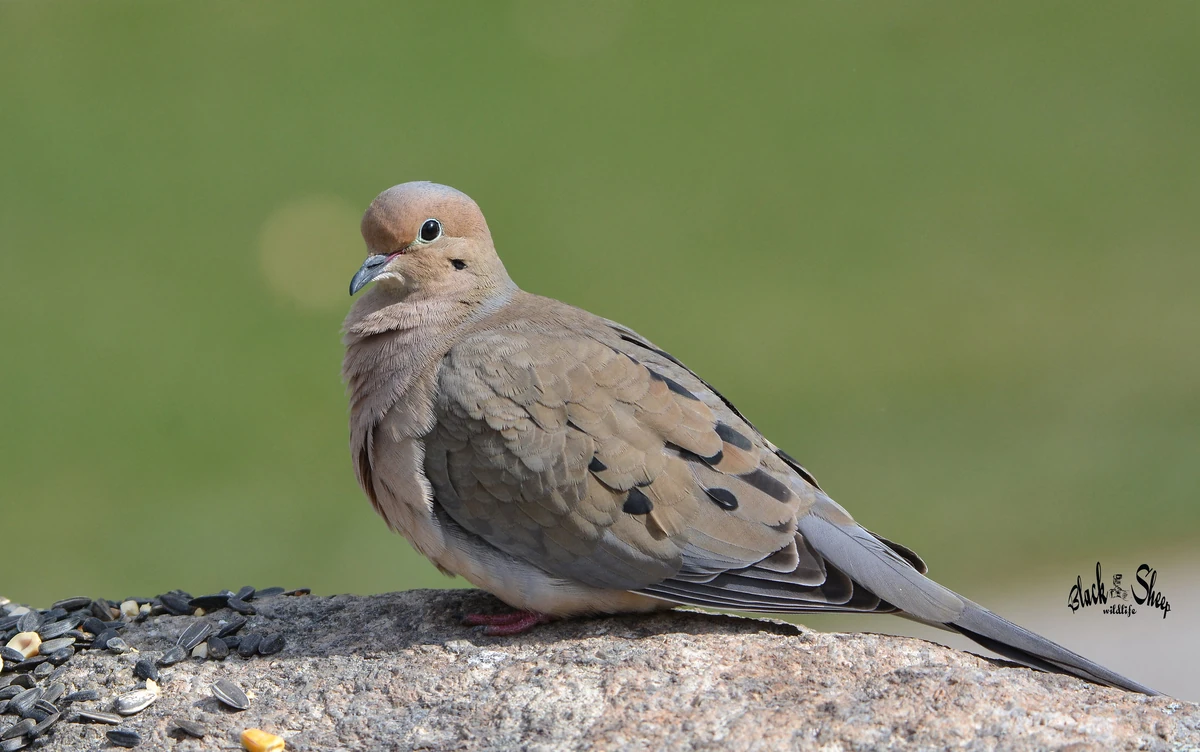
Identifying the mourning dove is simple once you know what to look for. This bird is common across North America and often seen perched on power lines or foraging on the ground. It has a soft, gentle cooing sound that many recognize easily.
Recognizing its features and knowing its habitat helps in spotting this graceful bird in the wild.
Physical Characteristics
- Size: About 9 to 13 inches long with a slender body.
- Color: Light grayish-brown with a pinkish hue on the chest.
- Wings: Long and pointed with black spots on the edges.
- Tail: Long and pointed with white edges visible in flight.
- Eyes: Large, dark eyes with a small black spot beneath each eye.
- Beak: Small and thin, perfect for picking seeds.
Habitat And Distribution
- Found across most of North America, from southern Canada to Central America.
- Prefers open and semi-open areas like fields, parks, and suburban gardens.
- Nests in trees, shrubs, or even on building ledges.
- Often spotted near water sources such as ponds and lakes.
- Adapts well to human environments, making it common in urban areas.

Credit: birdfact.com
Behavioral Patterns
Morning doves display calm and gentle behaviors that fit their peaceful nature. They are most active during early mornings and late afternoons. These birds are known for their soft cooing sounds, which create a soothing atmosphere. Understanding their behavioral patterns gives insight into their daily lives and survival tactics.
Feeding Habits
Morning doves mainly eat seeds and grains. They often forage on the ground, picking up fallen seeds. Their diet also includes small fruits and occasionally insects. These birds prefer open spaces like fields and gardens for feeding. They drink water frequently to stay hydrated, especially in hot weather.
Mating And Nesting
Morning doves form strong pair bonds during the breeding season. Males perform a gentle cooing display to attract females. Both parents build a simple, loose nest using twigs and grass. The female usually lays two white eggs per clutch. Both parents take turns incubating the eggs and feeding the chicks after they hatch.
Vocalizations And Calls
The morning dove is not just known for its gentle appearance but also for its unique vocalizations. These calls play a vital role in how the bird interacts with its environment and other doves. Understanding these sounds can deepen your appreciation of their behavior and presence around you.
Distinctive Coos
The morning dove’s most recognizable sound is its soft, mournful cooing. This coo usually follows a rhythm like “coo-oo, coo, coo, coo.” It’s easy to hear early in the morning, which is how the bird got its name.
Each coo varies slightly, depending on the bird’s mood and situation. You might notice males produce louder and longer coos to attract females or mark territory. Have you ever paused to listen closely to these subtle differences in your backyard?
Communication Purposes
Morning doves use their calls primarily to communicate. Males coo to signal their presence and dominance to rivals. This helps avoid physical fights, saving energy and reducing risk.
Females respond with softer coos, often during courtship or to communicate with their mates. Parents also use specific calls to communicate with their chicks, guiding and protecting them.
Next time you hear a morning dove, think about what message it might be sending. Could it be a call for a mate or a warning to stay away?

Credit: dnr.illinois.gov
Role In The Ecosystem
The morning dove plays a vital role in many ecosystems. This bird helps keep the balance in nature. Its actions support plants and animals alike. Understanding its role shows why it matters beyond its gentle cooing sound.
Seed Dispersal
Morning doves eat many types of seeds. After eating, they carry seeds to new places. This helps plants grow far from the original spot. Seeds passed through their digestive system often sprout better. This spreading of seeds helps maintain healthy plant diversity. It also supports forests, fields, and gardens.
Predator-prey Dynamics
Morning doves are food for many predators. Hawks, snakes, and foxes hunt them for survival. This bird is an important part of the food chain. Their presence supports predator populations. At the same time, doves help control insect numbers by eating bugs. This balance keeps ecosystems stable and thriving.
Conservation Status
The Morning Dove is a common bird found across many regions. Understanding its conservation status helps us protect its future. This section explores the current state of Morning Dove populations and the challenges they face in the wild.
Population Trends
Morning Dove populations remain stable in many areas. Their numbers have grown in suburban and rural habitats. These birds adapt well to different environments, which supports their spread. Conservation efforts help maintain healthy populations. Ongoing monitoring tracks population changes over time.
Threats And Challenges
Morning Doves face several threats despite their wide range. Habitat loss due to urban development impacts nesting sites. Predators like hawks and cats pose risks to young birds. Collisions with vehicles also cause mortality. Climate change affects food availability and migration patterns. Conservation work focuses on reducing these risks to ensure survival.
Cultural Significance
The morning dove holds a special place in many cultures worldwide. Its gentle cooing and peaceful presence inspire deep meanings. People often see this bird as a symbol of hope and peace. The cultural significance of the morning dove stretches through various forms of human expression. It appears in stories, art, and music, touching hearts everywhere.
Symbolism In Literature
Writers use the morning dove to represent love and purity. It often symbolizes peace after conflict or hardship. In poems, the dove’s soft call signals calm and new beginnings. Many authors choose this bird to convey gentle emotions and hope. The morning dove’s image connects readers to feelings of comfort and renewal.
Presence In Art And Music
Artists frequently paint the morning dove to express serenity and beauty. Its simple form and soft colors make it a favorite subject. In music, the dove’s cooing inspires melodies that soothe and calm listeners. Composers and singers use the dove as a symbol of peace and harmony. This bird’s presence enhances creative works with natural grace and meaning.
Credit: birds.fandom.com
Frequently Asked Questions
What Species Does The Morning Dove Belong To?
The Morning Dove belongs to the species Zenaida macroura. It is a member of the Columbidae family, commonly known as the dove or pigeon family.
How Can You Identify A Morning Dove Species?
Morning Doves have a slender body with a small head. They feature light gray and brown feathers with black spots on their wings.
Where Is The Morning Dove Species Commonly Found?
Morning Doves are widespread across North and Central America. They thrive in open and semi-open habitats, including urban and suburban areas.
What Is The Diet Of The Morning Dove Species?
Morning Doves primarily eat seeds and grains. They also consume small fruits and occasionally insects for additional protein.
Conclusion
The morning dove is a gentle and common bird found in many places. It belongs to the dove family and is known for its soft cooing sound. People enjoy watching this bird because it brings calm and peace. Its light brown color helps it blend into nature well.
Knowing about the morning dove helps us appreciate the small wonders around us. Next time you hear its call, you will recognize this beautiful species. Simple and lovely, the morning dove is truly a special part of the bird world.