

Have you ever stopped to wonder why birds seem so perfectly built for their world? From their graceful flight to their sharp senses, birds are more than just beautiful creatures—they are a true example of evolution in action.
You’ll discover the amazing traits that make birds stand out as some of the most evolved species on Earth. Once you understand their unique abilities, you’ll never look at birds the same way again. Ready to see the world through their eyes?
Keep reading to unlock the secrets behind their incredible evolution.
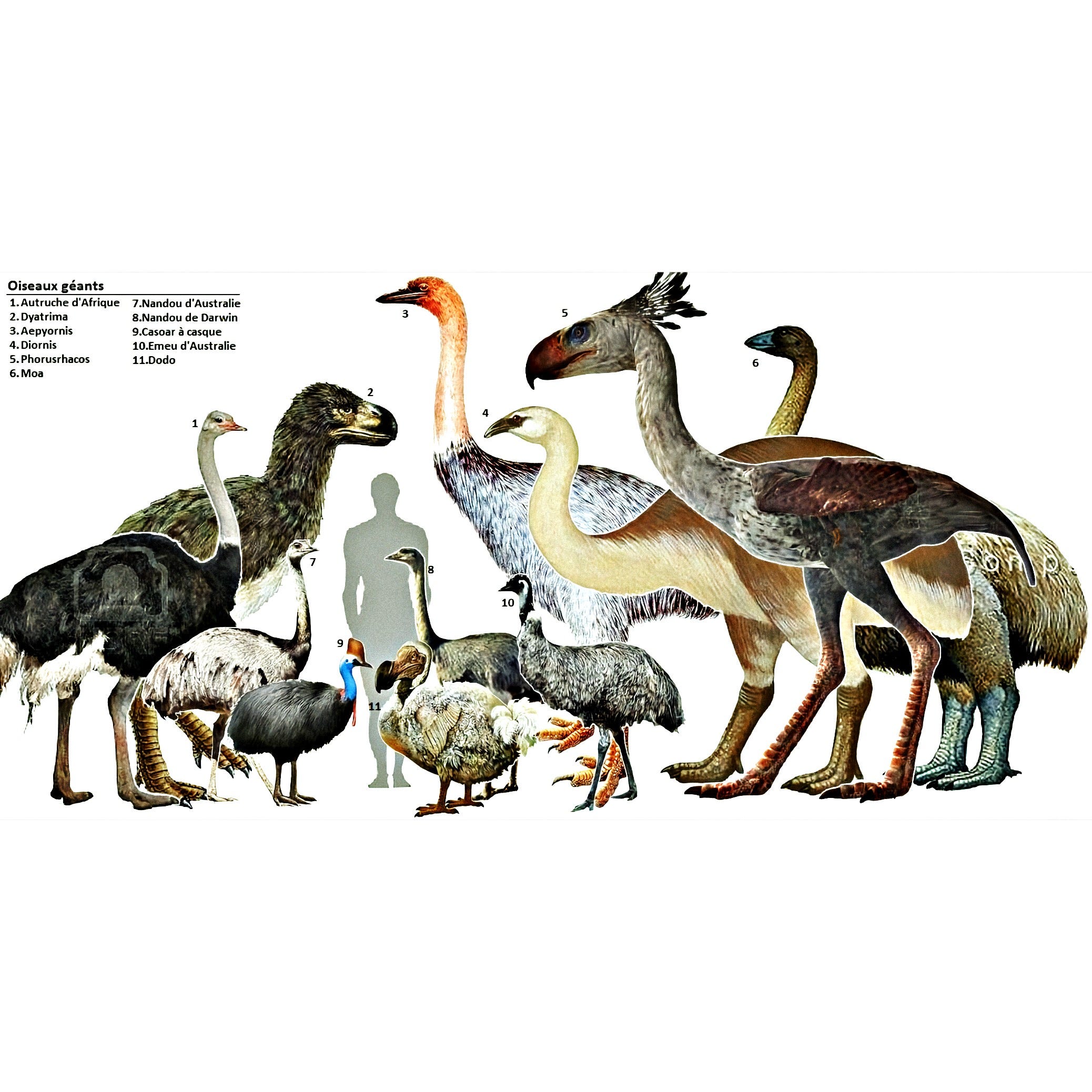
Credit: medium.com
Evolutionary Journey Of Birds
The evolutionary journey of birds is a fascinating story of transformation and adaptation. Birds didn’t simply appear; they evolved over millions of years from ancient ancestors. Understanding this journey helps you appreciate how birds have become one of the most successful groups of animals on Earth.
From Dinosaurs To Modern Birds
Birds share a direct lineage with theropod dinosaurs, the same group that included the fearsome Tyrannosaurus rex. This connection might surprise you, but it explains many bird features like hollow bones and sharp claws. Over time, some small theropods began to develop feathers not just for warmth, but eventually for flight.
Imagine walking in a forest 150 million years ago and seeing a creature that looks like a dinosaur but with feathers fluttering. That creature was an early bird ancestor, showing the gradual shift from ground-dwelling reptiles to the agile flyers we see today.
Key Evolutionary Milestones
- Feather Development:Initially for insulation, feathers evolved into complex structures allowing flight and display.
- Lightweight Skeleton:Hollow bones reduced body weight without sacrificing strength, essential for flying.
- Beak Formation:Teeth were replaced by beaks, which are lighter and more versatile for different diets.
- Advanced Respiratory System:Efficient lungs and air sacs support high metabolism and sustained flight.
- Enhanced Brain Function:Birds developed larger brains relative to body size, improving navigation and problem-solving skills.
Have you ever wondered how such complex traits developed step by step? Each milestone built upon the previous one, creating a finely tuned animal capable of remarkable feats. Next time you see a bird effortlessly soaring, remember the incredible evolutionary path that made it possible.
Unique Avian Adaptations
Birds display some of the most fascinating adaptations in the animal kingdom. These unique traits have helped them survive and thrive in diverse environments. Understanding these adaptations can change how you see birds—not just as creatures of flight, but as marvels of evolutionary design.
Feathers And Flight
Feathers are more than just beautiful plumage. They provide insulation, waterproofing, and most importantly, enable flight. The structure of feathers is lightweight yet strong, allowing birds to soar or hover with precision.
Think about the difference between a soaring eagle and a hummingbird that hovers in place. Their feathers are specialized for very different types of flight, showing how evolution tailors these features to specific needs.
Beak Variations And Functions
Bird beaks are as diverse as their diets and habitats. Some have sharp, curved beaks to tear meat, while others have long, slender beaks perfect for probing flowers for nectar. This variety helps birds exploit different food sources without competing.
Have you noticed how finches on the Galápagos Islands have different beak shapes? This is a classic example of adaptation driving survival through specialization.
Advanced Respiratory System
Birds have a unique respiratory system that supports their high-energy lifestyle. Their lungs connect to air sacs that allow continuous airflow, providing more oxygen than mammal lungs. This is crucial for sustained flight and high altitudes.
Imagine running a marathon while breathing shallowly. That’s what it would be like without this efficient system. This adaptation makes it possible for birds to maintain energy and stamina during long migrations.
Cognitive Abilities And Intelligence
Birds showcase remarkable cognitive abilities that challenge how we think about intelligence in the animal kingdom. Their mental skills go beyond simple instincts, revealing complex thinking and adaptability. Understanding these traits can change the way you see creatures that soar above us every day.
Problem Solving Skills
Birds often face challenges that require clever solutions. Some species use tools, like crows bending twigs to reach insects or parrots figuring out how to open containers for food. These actions show they can plan ahead and adapt strategies based on the situation.
Consider watching a bird figuring out a new bird feeder. It might take a few tries, but it learns quickly. This ability to solve problems suggests a flexible mind, not just fixed behavior.
Communication And Social Behavior
Birds communicate in ways that seem surprisingly complex. Their songs and calls carry specific meanings, from warning of danger to attracting mates. Some species even mimic human speech, showing a capacity for learning sounds and using them contextually.
Social behavior among birds often involves cooperation and understanding social hierarchies. You might notice how some birds work together to defend territory or care for young. This social intelligence helps them survive and thrive in diverse environments.
Diverse Habitats And Survival Skills
Birds are remarkable creatures thriving in many environments worldwide. Their ability to live in diverse habitats shows their strong survival skills. From icy poles to tropical forests, birds find ways to survive and adapt. These skills prove their advanced evolution.
Migration Patterns
Birds travel great distances to find food and better climates. Migration helps them avoid harsh weather and scarce resources. Some species fly thousands of miles every year. They use the sun, stars, and Earth’s magnetic field to guide them. This natural GPS keeps them on track during long journeys.
Migration also supports breeding and raising young in safe places. Birds time their trips to arrive when food is abundant. This careful planning increases their chance of survival. Such complex behavior shows their advanced instincts and intelligence.
Adaptation To Varied Environments
Birds live in deserts, mountains, wetlands, and cities. Each habitat demands unique skills and changes in behavior. For example, desert birds conserve water and stay cool. Mountain birds have strong wings to fly in thin air. Wetland birds develop webbed feet for swimming.
Many birds change their diet based on what is available. Their beaks also evolve to suit their food sources. This flexibility helps them survive in different conditions. Urban birds learn to live near humans and find new food sources.
Birds And Their Ecological Role
Birds play a vital role in keeping ecosystems balanced and healthy. Their activities help plants grow and spread. Birds also serve as signals to show the state of the environment. These roles make birds important for nature’s survival and our well-being.
Pollination And Seed Dispersal
Birds help many plants reproduce. Some birds move pollen from flower to flower. This process helps plants make seeds and fruits. Fruit-eating birds carry seeds far from the parent tree. They drop seeds in new places. This helps forests grow and recover after damage.
- Hummingbirds pollinate flowers while feeding on nectar.
- Fruit-eating birds spread seeds in forests and gardens.
- Birds improve plant diversity by moving seeds widely.
Indicators Of Environmental Health
Birds react quickly to changes in their environment. A drop in bird numbers can signal pollution or habitat loss. Scientists watch bird populations to track ecosystem health. Healthy bird populations often mean clean air, water, and land.
- Birds show the effects of climate change.
- Changes in bird behavior reveal pollution levels.
- Bird diversity reflects habitat quality.

Credit: www.discovermagazine.com
Conservation Challenges
Birds face many conservation challenges despite their long evolution. These challenges threaten their survival and the balance of ecosystems. Understanding these issues helps us protect birds and their habitats better.
Threats To Bird Populations
Many factors cause declines in bird numbers worldwide. Habitat loss is the main threat. Forests, wetlands, and grasslands shrink due to farming and cities.
Pollution harms birds in several ways. Chemicals can poison them or reduce their food supply. Plastic waste causes injuries and death.
Climate change alters migration patterns and breeding seasons. Birds may arrive too early or late to find food. Extreme weather events destroy nests and habitats.
Invasive species like rats and cats prey on eggs and young birds. Illegal hunting and trapping also reduce some populations.
Conservation Efforts And Success Stories
Conservation programs work to save bird species and habitats. Protected areas help preserve important bird environments. Many parks and reserves are now safe havens.
Breeding programs raise endangered birds in captivity. Later, they release these birds to boost wild populations. These efforts have saved species like the California condor.
Community projects involve locals in bird protection. Education raises awareness about the importance of birds. People learn to reduce threats and support conservation.
Changes in laws reduce hunting and trade of wild birds. International agreements protect migratory birds across countries.
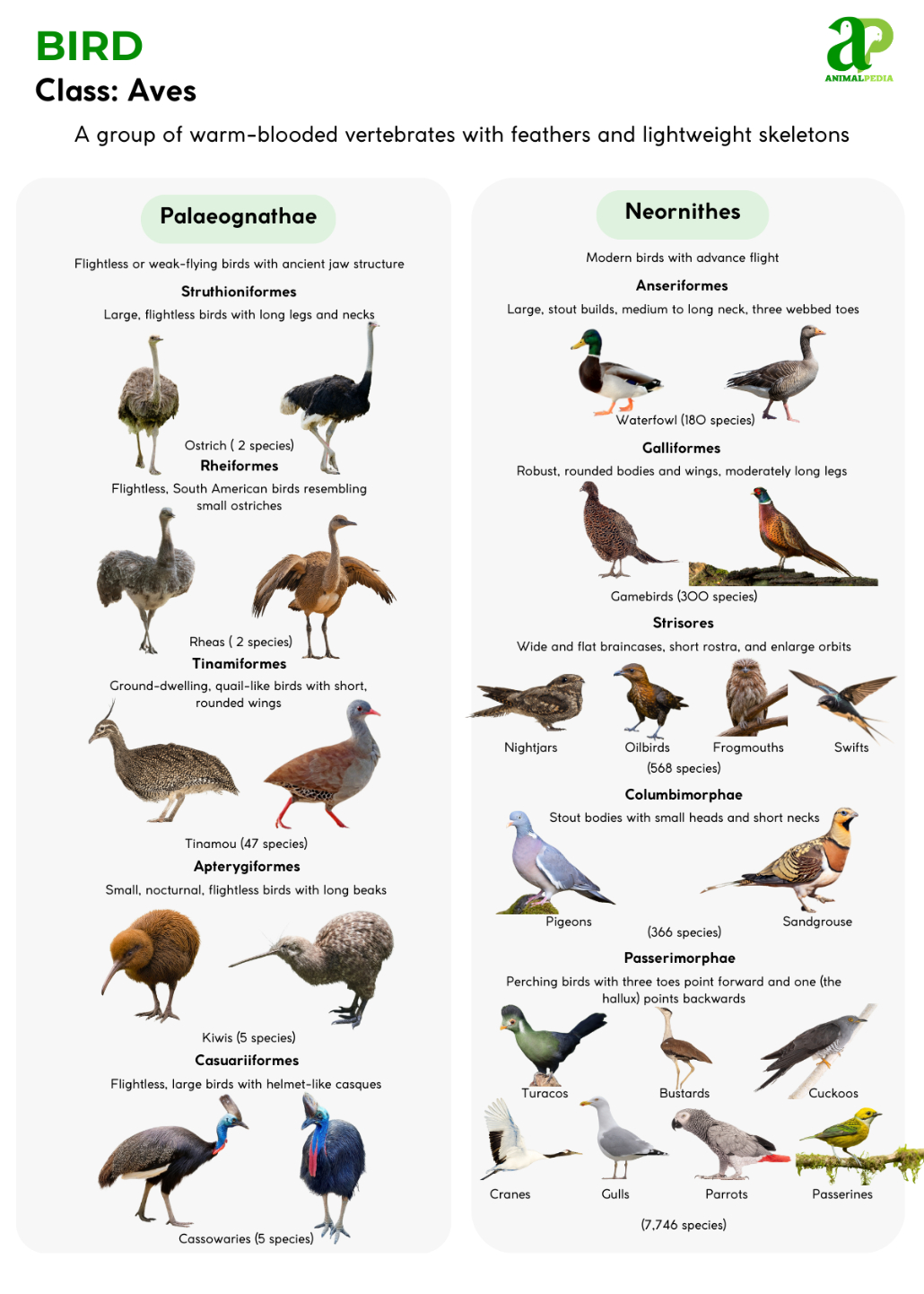
Credit: animal-pedia.org
Frequently Asked Questions
What Traits Make Birds Highly Evolved Species?
Birds have advanced flight mechanisms, keen vision, and complex vocal communication. Their efficient respiratory system supports high metabolism. These traits highlight their evolutionary success and adaptability.
How Do Birds’ Respiratory Systems Show Evolution?
Birds possess a unique, efficient respiratory system with air sacs. This allows continuous airflow and better oxygen exchange. It supports sustained flight and high energy demands, showcasing evolutionary adaptation.
Why Is Bird Flight Considered An Evolutionary Advantage?
Flight enables birds to escape predators, find food, and migrate long distances. Their lightweight bones and powerful muscles enhance flight efficiency. This ability significantly contributes to their survival and evolution.
How Do Birds’ Communication Skills Reflect Evolution?
Birds use diverse songs and calls to communicate. This aids in mating, territory defense, and social bonding. Complex vocalizations demonstrate cognitive evolution and social intelligence.
Conclusion
Birds show incredible signs of evolution in many ways. Their flight skills, sharp senses, and social behaviors prove this. They adapt quickly to different places and climates. Birds also play key roles in nature’s balance. Watching them helps us learn about life and change.
Truly, birds are a fine example of evolution’s power. Their story inspires curiosity and respect for nature.