
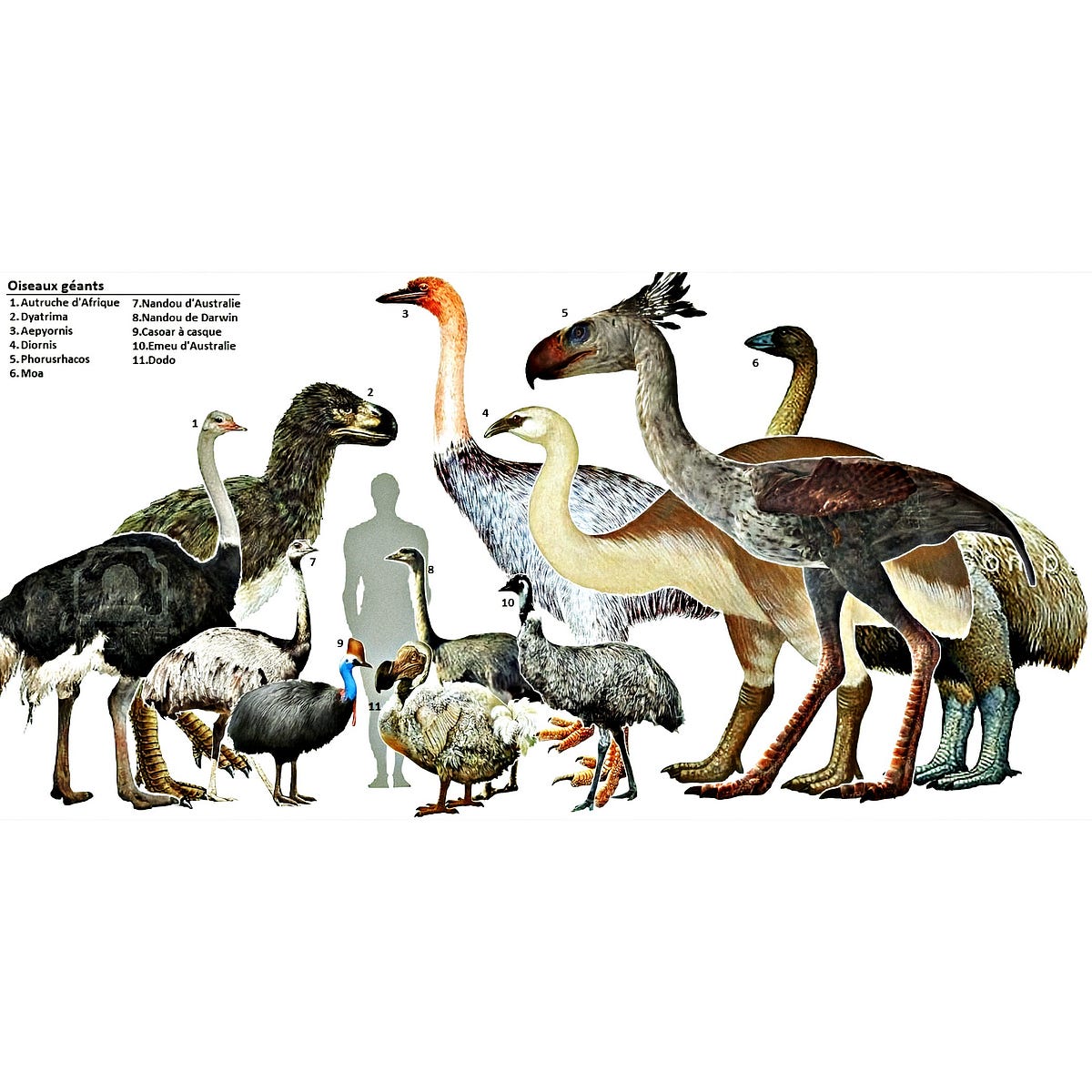
Have you ever wondered which bird holds the title of the largest on Earth? You might picture something huge soaring high in the sky, or maybe a giant bird striding across the land.
Knowing the answer will surprise you and change the way you think about birds forever. You’ll discover fascinating facts about this incredible creature, and why it stands out from all the rest. Keep reading to uncover the mystery behind the largest bird species on our planet—you won’t want to miss it!
The Avian Titan: An Overview
The world of birds is vast and varied, but none capture the imagination quite like the largest bird species on Earth. Known as the avian titan, this bird stands out not just for its size but for its unique characteristics and adaptations. Understanding this giant helps you appreciate the diversity and wonder of nature on a whole new level.
The Mighty Ostrich: Nature’s Giant
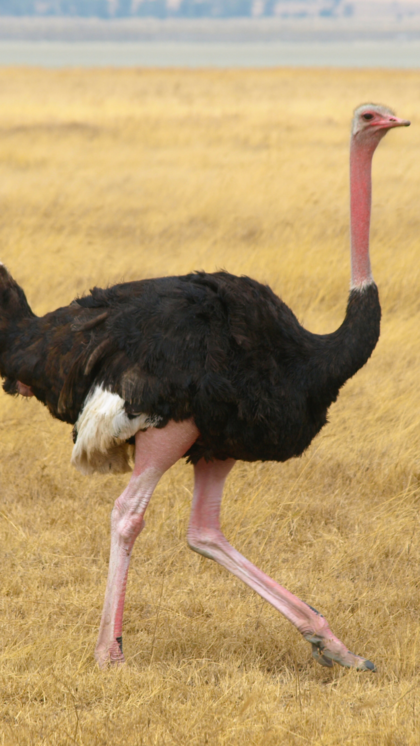
The ostrich holds the title of the largest bird on Earth. Native to Africa, it can grow up to 9 feet tall and weigh as much as 320 pounds. This bird is flightless, yet it compensates with incredible speed, reaching up to 45 miles per hour.
Physical Features That Define The Giant
Ostriches have long legs and a long neck, which help them scan the horizon for predators. Their powerful legs are not only built for running but also for delivering strong kicks as defense. Their large eyes enhance their vision, giving them an edge in spotting danger early.
Habitat And Lifestyle
These birds thrive in open landscapes like savannas and deserts, where wide visibility is crucial for survival. Ostriches live in groups, which improves their chances of spotting threats quickly. Their diet mainly consists of plants, seeds, and occasionally insects, showing their adaptability to harsh environments.
Why Size Matters
The ostrich’s size serves multiple purposes. It helps intimidate predators and competitors. But it also creates challenges, especially when it comes to finding enough food and water. Can you imagine needing to eat several pounds of vegetation daily just to keep your energy up?
Physical Characteristics
Understanding the physical characteristics of the largest bird species on Earth offers a fascinating glimpse into how nature designs creatures for survival and dominance. These traits not only define their size but also influence their behavior, habitat, and interaction with the environment. Let’s break down what makes these birds stand out in the animal kingdom.
Size And Weight
The largest bird species on Earth is the ostrich. Adult male ostriches can reach heights of up to 9 feet (2.7 meters). Their weight can be staggering, often tipping the scales between 220 to 350 pounds (100 to 160 kilograms).
Females are generally smaller but still impressive in size. Their massive bodies allow them to run at speeds up to 45 miles per hour, making their size an advantage rather than a hindrance. Have you ever imagined carrying that much weight and still being faster than a car in city traffic?
Distinctive Features
- Long Neck and Legs:These help the ostrich see predators from afar and cover large distances quickly.
- Large Eyes:Ostriches have the largest eyes of any land animal, about 2 inches (5 cm) in diameter, which gives them excellent vision.
- Powerful Legs:Their legs not only aid in running but are strong enough to deliver deadly kicks to predators.
- Feather Structure:Unlike flying birds, ostrich feathers are soft and loose, designed to provide insulation and display rather than flight.
When you consider these features, it’s clear the ostrich is built for survival in harsh environments. Have you ever thought about how these physical traits would feel if you experienced them firsthand? Imagine the strength in those legs or the sharpness of their vision!
Habitat And Distribution
The habitat and distribution of the largest bird species on Earth reveal much about its survival and lifestyle. Understanding where these birds live helps you appreciate their unique adaptations and the challenges they face. Let’s dive into their natural environment and geographical range to see how these giants thrive.
Natural Environment
The largest bird species thrives in open landscapes with plenty of space to move. They prefer grasslands, savannas, and semi-arid regions where they can forage easily. Dense forests or mountainous areas are generally unsuitable because these birds rely on ground movement rather than flight.
Interestingly, these birds are flightless, so their natural environment must support walking and running. You might be surprised to learn that their habitat provides not only food but also protection from predators. Have you ever considered how much space a bird needs when it can’t take to the skies?
Geographical Range
This bird’s geographical range is mostly limited to specific continents or regions. They are native to parts of Africa, where they roam vast plains and open areas. The distribution is quite concentrated, reflecting their need for particular environmental conditions.
Within this range, population densities vary depending on human activity and natural predators. Areas with less human interference tend to have healthier populations. Do you think conservation efforts in these regions can make a real difference for their survival?
Credit: timesofindia.indiatimes.com
Diet And Feeding Habits
The largest bird species on Earth has unique diet and feeding habits. Their eating patterns support their massive size and energy needs. Understanding what they eat and how they find food gives insight into their survival strategies.
Preferred Diet
This bird mainly eats plants and small animals. Its diet includes:
- Grasses and leaves
- Fruits and seeds
- Insects and small reptiles
They need a lot of food daily to maintain their strength. Their diet varies depending on habitat and season.
Hunting And Foraging Techniques
These birds use strong legs to walk long distances. They search for food by pecking and digging. Their keen eyesight helps spot prey and edible plants.
They also use their beak to grab and crush food. Sometimes, they forage in groups to find food more effectively. Their feeding style is slow but steady, conserving energy.
Reproductive Behavior
The reproductive behavior of the largest bird species on Earth reveals fascinating insights into their survival and adaptation strategies. Understanding how these birds find mates, build nests, and raise their young can deepen your appreciation for their role in nature. Their reproductive habits are not just about survival but also about ensuring the next generation thrives in challenging environments.
Mating Rituals
The largest bird species often engage in elaborate mating rituals to attract partners. Males display impressive physical feats like booming calls or dramatic postures to catch the female’s attention.
These rituals can last several minutes and are crucial for establishing dominance and compatibility. Watching these displays can make you rethink how animals communicate and compete for love.
Have you ever observed how nature’s largest creatures use simple yet powerful gestures to express attraction?
Nesting And Offspring
Nesting is a critical phase where these birds invest significant time and energy. They usually choose safe, secluded spots to protect their eggs from predators and harsh weather.
Both parents often share the responsibility of incubating eggs and feeding hatchlings. This teamwork increases the survival rate of their chicks.
When you consider their size, their nests can be quite large and sturdy, made from branches, grass, and other natural materials.
Could their nesting habits inspire you to create a safer, more nurturing environment in your own life?
Credit: timesofindia.indiatimes.com
Role In The Ecosystem
The largest bird species on Earth plays a vital role in its ecosystem. Its presence affects many plants and animals around it. These birds help keep nature balanced and healthy.
They contribute to seed dispersal and control animal populations. Their activities support other wildlife and maintain habitat diversity. Understanding their role helps us appreciate their value beyond size.
Ecological Impact
These giant birds spread seeds over wide areas. This action helps plants grow in new places. They also scavenge, cleaning the environment by eating dead animals. This reduces disease and recycles nutrients back to the soil. Their movements create pathways used by smaller animals.
Predators And Threats
Despite their size, these birds face threats from humans and predators. Eggs and chicks are vulnerable to smaller predators. Habitat loss and hunting reduce their populations. Pollution and climate change also affect their survival. Protecting these birds helps safeguard many other species.
Conservation Status
The conservation status of the largest bird species on Earth reveals a complex battle between survival and human impact. Understanding the threats they face helps you grasp why protecting these magnificent creatures is urgent and necessary. Their future depends on awareness, action, and sustained effort.
Current Challenges
Habitat loss remains the biggest threat. As forests and open lands shrink due to agriculture and urban development, these birds lose crucial nesting and feeding grounds.
Poaching and illegal hunting continue despite laws. Some communities still hunt these birds for food or feathers, unknowingly pushing them closer to extinction.
Climate change disrupts their food supply and breeding cycles. Changing weather patterns can alter the delicate ecosystems these birds depend on.
Protection Efforts
Several countries have established protected areas specifically for these birds. National parks and reserves provide safe spaces where they can breed and hunt without disturbance.
Conservation groups work directly with local communities. By educating and involving people in sustainable practices, they reduce poaching and habitat destruction.
Captive breeding programs have shown promising results. They help increase population numbers and can reintroduce birds into the wild when conditions improve.
Could you imagine how your daily choices affect these birds’ survival? Supporting eco-friendly products and advocating for wildlife protection can make a real difference.
Cultural Significance
The largest bird species on Earth has long captured human imagination, not just because of its size but due to its deep cultural significance. This bird has woven itself into the fabric of many societies, influencing stories, beliefs, and symbols. Understanding this connection helps you appreciate why it’s more than just a creature of the wild.
Mythology And Folklore
Many cultures have stories about giant birds that resemble the largest bird species we know today. These tales often depict the bird as a powerful creature, sometimes a messenger between worlds or a guardian of the skies.
Take, for example, the legend of the Roc in Middle Eastern folklore. This enormous bird is said to carry off elephants and ships, symbolizing immense strength and mystery. Such stories show how people used the bird’s size and power to explain natural phenomena and human fears.
Have you ever wondered why these myths persist across continents? It might be because the bird’s impressive presence sparks imagination and respect, making it a natural fit for legendary storytelling.
Symbolism In Human Culture
The largest bird species often symbolizes freedom, strength, and endurance in many cultures. Its ability to soar high and travel great distances inspires people to overcome obstacles and reach new heights.
Many national emblems and flags feature this bird, reflecting ideals of courage and vision. In some regions, feathers from these birds are used in ceremonies to represent honor and spiritual connection.
What does this symbolism mean for you? It reminds us that size is not just about physical dimensions but also about the impact and inspiration a creature can have on human life and values.

Credit: www.forbes.com
Frequently Asked Questions
What Is The Largest Bird Species On Earth?
The largest bird species on Earth is the ostrich. It can grow up to 9 feet tall and weigh over 300 pounds. Ostriches are flightless but are the fastest runners among birds, reaching speeds up to 45 miles per hour.
How Big Can The Largest Bird Grow?
The largest bird, the ostrich, can reach heights of 7 to 9 feet. Its weight ranges between 220 to 350 pounds. This size makes it the heaviest and tallest bird species alive today, dominating in size over all other birds.
Where Do The Largest Birds Live Naturally?
Ostriches, the largest birds, naturally live in African savannas and open woodlands. They thrive in hot, arid environments and are well adapted to dry climates. Their habitat supports their need for running space and access to plants and insects for food.
Can The Largest Bird Fly?
No, the largest bird, the ostrich, cannot fly. Its large size and heavy weight prevent flight. Instead, it uses powerful legs to run fast, escaping predators. This adaptation helps ostriches survive in their natural habitat.
Conclusion
The largest bird species on Earth is truly impressive. Its size and strength amaze many. This bird shows nature’s incredible variety. Learning about it helps us appreciate wildlife more. Birds like this inspire curiosity and respect. They remind us to protect their natural homes.
Keep exploring the fascinating world of birds. There is always something new to discover. Understanding such creatures connects us to nature deeply.