
Have you ever spotted a bird with bright yellow on its back and wondered what kind it could be? That splash of color can catch your eye and spark your curiosity.
Knowing which species show this vibrant yellow can make your birdwatching more exciting and rewarding. You’ll discover the most common birds with yellow backs, learn how to identify them easily, and understand why their color matters. Keep reading—you’re about to unlock the secret behind those striking yellow feathers.
Credit: www.allaboutbirds.org
Common Yellow-backed Birds
Yellow coloring on a bird’s back is more than just a splash of bright color—it often signals unique behaviors or habitats. Spotting these birds in your backyard or on a hike can be a thrilling experience. Understanding which species carry this vibrant trait helps you appreciate their role in the ecosystem and makes birdwatching more rewarding.
Yellow-Backed WarblerThe Yellow-Backed Warbler is a small bird known for its striking yellow patch on the upper back. It prefers wooded areas and often flits through dense foliage, making it a challenge to spot. If you catch a flash of yellow in the trees, you might just be lucky enough to see this lively bird.
Yellow-Backed OrioleOrioles are famous for their bright colors, and the Yellow-Backed Oriole lives up to that reputation. This bird features a bold yellow back contrasted with black wings and head. It’s often found in tropical regions, feeding on fruits and nectar, which makes it a favorite among nature lovers looking for vivid colors.
Yellow-Backed TanagerThe Yellow-Backed Tanager stands out with its bright yellow feathers covering its back and shoulders. These birds are social and often move in flocks, making it easier to spot their yellow backs in the wild. Their colorful presence adds a cheerful splash to any forest or garden setting.
Yellow-Backed WoodpeckerWoodpeckers with yellow backs are less common but equally fascinating. The Yellow-Backed Woodpecker uses its sharp beak to find insects under tree bark, while the yellow back helps it blend into sunlit leaves. Watching one work is a reminder of nature’s perfect balance between function and beauty.
Why Do Birds Have Yellow on Their Backs?Have you ever wondered why these birds have yellow on their backs? The color can serve different purposes—attracting mates, camouflaging in their environment, or signaling to other birds. This makes you think about how color plays a role in survival and communication among wildlife.

Credit: awesomewildlifeco.co.uk
Yellow Warbler
The Yellow Warbler is a small songbird known for its bright yellow color. It has distinct yellow feathers on its back that make it easy to spot. This cheerful bird often sings a sweet, melodic tune. It lives in many parts of North and Central America during the warmer months.
Appearance And Habitat
The Yellow Warbler has a bright yellow body with subtle rusty streaks on its chest. Its back is a vibrant yellow, shining in sunlight. It measures about 5 inches long. This bird prefers habitats near water like wetlands, rivers, and marshes. It also lives in forests and orchards with dense shrubs. These areas provide safe places for nesting and feeding.
Diet And Behavior
The Yellow Warbler eats mostly insects like caterpillars, beetles, and flies. It also consumes some berries during late summer. This bird is active and often seen flitting through branches. It uses quick movements to catch prey mid-air or from leaves. The Yellow Warbler builds cup-shaped nests in small trees or shrubs. It is known for its lively song, which males use to attract mates.
American Goldfinch
The American Goldfinch is a small, vibrant bird known for its bright yellow feathers. It is one of the most recognizable birds in North America. This species is often seen in gardens, meadows, and open fields. Its cheerful color and lively behavior make it a favorite among bird watchers.
Distinctive Features
The male American Goldfinch shines with bright yellow plumage during summer. It has a black forehead, wings, and tail tips. Females show softer yellow tones with grayish wings. Both genders have a short, conical bill perfect for eating seeds. The yellow on their backs stands out clearly in sunlight.
In winter, their feathers turn duller, showing olive-brown colors. This seasonal change helps them stay less visible to predators. Their small size and quick movements make them hard to catch. The American Goldfinch’s song is a soft, twittering call that sounds like a gentle cheer.
Migration Patterns
American Goldfinches migrate south as winter approaches. They travel to warmer areas in the southern United States and Mexico. Migration usually happens in late fall and early spring. They prefer to travel in small groups or alone.
During migration, they stop often to feed on seeds and rest. Their diet mainly consists of seeds from plants like thistles and sunflowers. The timing of migration depends on food availability and weather conditions. In some southern regions, American Goldfinches may stay year-round if food is abundant.
Western Tanager
The Western Tanager is a bright and colorful bird commonly found in western North America. It is known for its striking yellow back and vibrant colors. This bird attracts attention with its unique mix of red, yellow, and black feathers. The Western Tanager often lives in open woodlands and forests. It prefers areas with tall trees where it can find insects and fruits to eat.
Coloration And Markings
The male Western Tanager shows the brightest colors. Its head is a rich red-orange shade. The back and wings are bright yellow. The wings also have black edges creating a sharp contrast. Females are less colorful, mostly yellow with some gray. Both sexes have a stout, pointed beak ideal for catching insects.
Breeding Habits
Western Tanagers build cup-shaped nests in trees. They choose coniferous or deciduous trees for nesting. The female lays about three to five eggs. Both parents help feed the chicks once hatched. The breeding season starts in late spring and lasts through summer. These birds are known for their loud, melodious songs during mating season.
Yellow-rumped Warbler
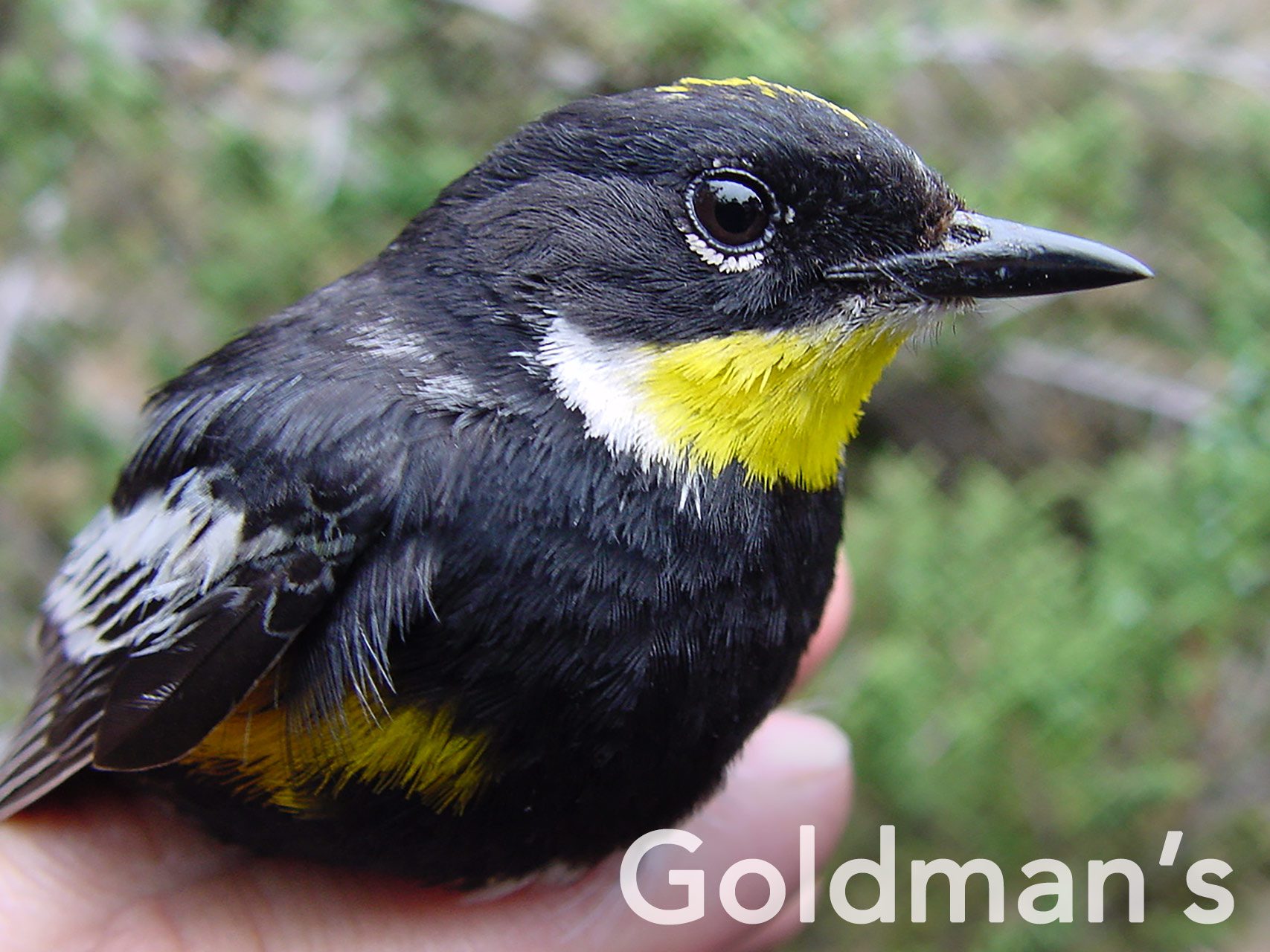
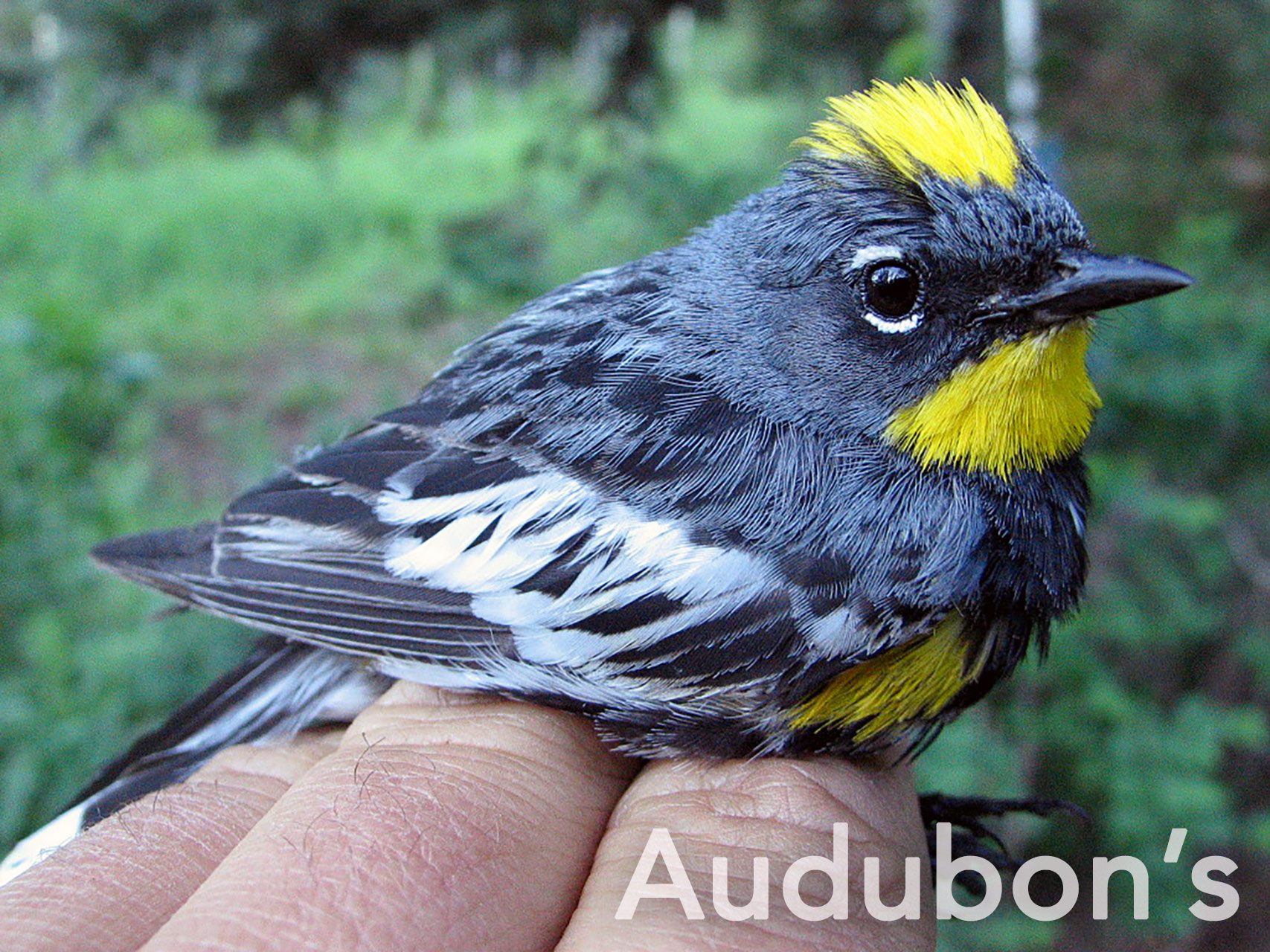
The Yellow-Rumped Warbler is a striking bird known for its vibrant yellow patches on its back and rump. This small songbird is easy to spot during migration seasons thanks to its distinctive coloring. If you’ve ever paused to watch it flit through trees, you might have noticed how those yellow flashes stand out against its otherwise gray and brown feathers.
Subspecies Variations
Yellow-Rumped Warblers come in several subspecies, each with slight differences in color and markings. The most common are the Myrtle and Audubon’s warblers. Myrtle warblers have a bright yellow throat and white wing patches, while Audubon’s display a yellow throat and a more streaked appearance.
These variations can confuse bird watchers, but paying attention to the yellow patches on the back and rump helps in identification. Did you know that these differences also reflect their breeding ranges and behaviors? Observing these subtle clues can make your birdwatching experience more rewarding.
Preferred Environments
Yellow-Rumped Warblers adapt well to different habitats, but they prefer forests, woodlands, and shrubby areas. During winter, you might find them in parks or gardens where berries are abundant. They often feed on insects in the summer and switch to fruit in colder months, which is unusual for many warblers.
Have you noticed how their presence changes with the seasons in your area? Watching where they gather can tell you a lot about local ecosystem health. Offering native berry-producing plants in your garden might even invite these beautiful birds to visit more often.
Eurasian Golden Oriole
The Eurasian Golden Oriole is a striking bird known for its vibrant yellow back and contrasting black wings. Its bright colors make it easy to spot, even from a distance. If you love birdwatching, this species offers a delightful sight and a chance to hear unique calls in the wild.
Natural Range
This bird prefers warm climates and is commonly found across Europe and western Asia. It spends its summers in these regions, nesting in broadleaf forests and gardens. When colder months arrive, it migrates to tropical Africa to stay warm.
Have you ever wondered how such a small bird manages such a long journey? Their migration covers thousands of kilometers, showing impressive endurance.
Vocalizations And Calls
The Eurasian Golden Oriole has a clear, flute-like whistle that sounds almost musical. Its call is often described as “wee-lee” or “or-lee,” which can be heard echoing through the trees. These sounds help you identify the bird even when it’s hidden among leaves.
Listening closely to their calls can improve your bird spotting skills. Next time you’re outside, try to match the notes you hear with the golden oriole’s distinctive whistle. It’s a rewarding challenge that connects you directly with nature.
Conservation Efforts
Conservation efforts play a key role in protecting birds with yellow on their backs. These birds often face habitat loss and other dangers. Protecting them helps keep nature balanced and beautiful.
Threats To Yellow-backed Birds
- Habitat destruction reduces places for nesting and feeding.
- Pollution affects water and food sources.
- Climate change shifts weather patterns, disrupting migration and breeding.
- Illegal hunting and trapping put some species at risk.
- Predators introduced by humans threaten eggs and young birds.
How To Support Conservation
- Support local and global wildlife protection groups.
- Plant native trees and flowers to provide food and shelter.
- Reduce use of harmful chemicals in gardens and farms.
- Participate in bird counts and citizen science projects.
- Avoid disturbing nests and feeding wild birds responsibly.
Credit: www.allaboutbirds.org
Birdwatching Tips
Birdwatching is not just about spotting colorful feathers; it’s about patience, preparation, and knowing where to look. When you search for species with yellow on their backs, having the right tips can make your experience rewarding. Getting familiar with the best spots and gearing up properly will increase your chances of a successful sighting.
Best Locations For Spotting
Different birds with yellow backs prefer different habitats. You’ll often find them in wooded areas, open fields, and near water sources. National parks and nature reserves offer protected environments that attract a variety of species.
Try visiting places like:
- Mixed forests where sunlight filters through the trees
- Wetlands and marshy areas known for attracting colorful birds
- Gardens or parks that feature native plants and bird feeders
Have you noticed how birds with yellow backs often perch high up? Bringing binoculars will help you spot them even when they’re far away or hidden among leaves.
Essential Gear For Birdwatchers
Your gear can make or break your birdwatching trip. A good pair of binoculars is crucial for clear views of distant birds. Consider a model with at least 8x magnification for detailed observation.
Other must-have items include:
- A field guide or app to help identify species quickly
- A notebook to jot down sightings and interesting behaviors
- Comfortable clothing in earth tones to blend into surroundings
- A camera with a zoom lens if you want to capture photos without disturbing the birds
Think about your last birdwatching trip. Did you have everything you needed to enjoy it fully? Sometimes, simple preparation can turn a frustrating day into a memorable one.
Frequently Asked Questions
What Bird Species Has Yellow On Its Back?
Several bird species feature yellow on their backs, including the American Goldfinch, Yellow Warbler, and Yellow-rumped Warbler. These bright markings help in identification and are common in various regions during specific seasons.
Why Do Some Birds Have Yellow Backs?
Yellow coloration on birds’ backs often serves for camouflage, attracting mates, or signaling territory. Bright colors can indicate health and vitality, playing a key role in their survival and reproductive success.
Where Can I Find Birds With Yellow Backs?
Birds with yellow backs are commonly found in North America, especially in forests, wetlands, and gardens. Seasonal migration patterns influence their presence in different habitats during spring and summer months.
How To Identify Yellow-backed Birds Easily?
Look for bright yellow patches on the back combined with specific markings like wing bars or streaks. Listening to their unique calls and noting their size also helps in accurate identification.
Conclusion
Birds with yellow on their backs add bright color to nature. These species are easy to spot and enjoy watching. Their yellow feathers help them stand out in green trees. Knowing about these birds can make birdwatching more fun. Next time you see a flash of yellow, remember this guide.
Enjoy discovering the beauty of these colorful birds near you. Keep exploring, and nature will surprise you often.