
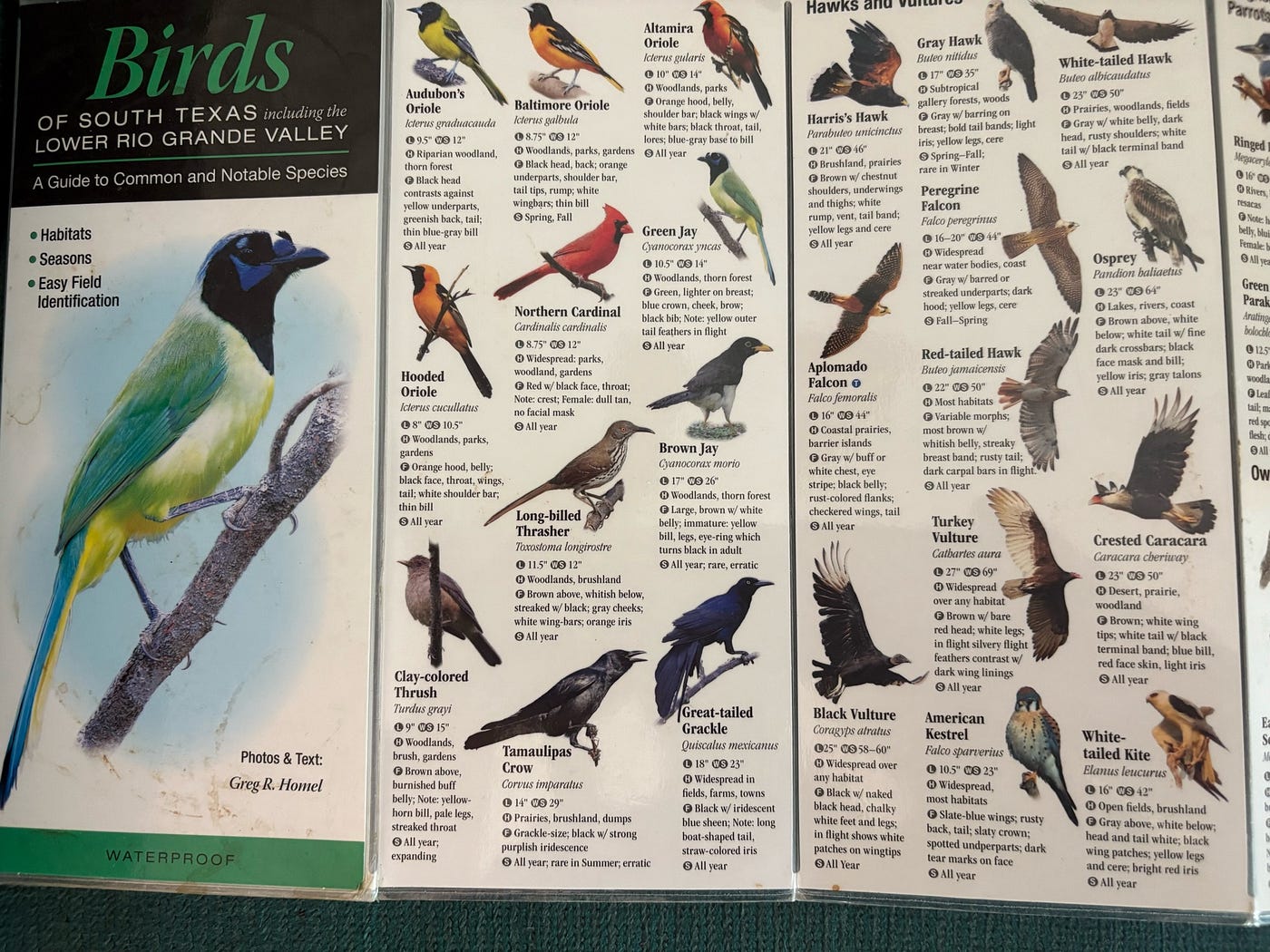
Are you ready to discover a place where you can see 500 different bird species all in one state? Texas is a birdwatcher’s paradise, offering incredible spots where your passion for birds can truly soar.
Whether you’re a beginner or an expert, this guide will show you exactly where to go to experience the stunning variety of birds Texas has to offer. Get ready to explore hidden gems and popular hotspots that will make your birdwatching adventure unforgettable.
Keep reading to find out where your next amazing birding trip should be!
Top Birdwatching Regions
Texas offers some of the richest birdwatching experiences in the country, with over 500 species observed across its diverse landscapes. Knowing where to go can make all the difference in spotting rare and vibrant birds. The top birdwatching regions each offer unique habitats and opportunities to connect with nature in ways you might not expect.
Gulf Coast Hotspots
The Gulf Coast is a magnet for migratory birds, especially during spring and fall. Places like High Island and Anahuac National Wildlife Refuge are famous for attracting shorebirds, warblers, and raptors. Have you ever stood quietly and watched a massive flock of shorebirds take off in unison? It’s an unforgettable sight that these coastal hotspots make possible.
Bring your binoculars and patience, because the variety here can surprise you daily. Spotting a rare swallow-tailed kite soaring above marshes or a colorful painted bunting in the brush can turn a simple walk into a thrilling adventure.
Hill Country Wonders
The Texas Hill Country offers a different birdwatching flavor with its rugged terrain and spring-fed rivers. Locations like Lost Maples State Natural Area and Guadalupe River State Park host a mix of woodland and riparian species. You might find yourself tracking elusive warblers or spotting the vibrant vermilion flycatcher perched on a thorny branch.
Listening closely, you’ll catch the melodious songs of the painted bunting and the chatter of quail nearby. This region challenges you to sharpen your senses and rewards you with intimate encounters with nature’s colorful residents.
West Texas Wilderness
Venture into West Texas for a stark, expansive landscape that supports species you won’t easily find elsewhere. Big Bend National Park and the Davis Mountains are home to hummingbirds, elegant trogons, and even the rare Colima warbler. Have you ever imagined spotting a bird only found in the mountainous regions of Mexico right here in the U.S.?
The dry air and wide-open skies create perfect conditions for raptors and desert-adapted birds. This wilderness invites you to step off the beaten path and discover Texas’s wild, rugged side while ticking rare birds off your list.
Credit: tpwmagazine.com
Prime Birding Seasons
Texas offers an incredible variety of bird species, but knowing the best times to visit can make your birding experience unforgettable. Prime birding seasons highlight when you can catch the most species in action. Timing your trip right will maximize your sightings and deepen your appreciation of Texas’s rich birdlife.
Spring Migration
Spring migration in Texas usually happens from March through May. During this time, you can witness thousands of birds traveling north. Coastal areas like the Rio Grande Valley become bustling hotspots with colorful warblers, orioles, and tanagers.
Have you ever seen a bird stop briefly on its journey and then continue? Spotting these travelers gives you a glimpse of nature’s incredible endurance. Plan your visit early in the season to catch the peak movement before birds spread out.
Fall Flocking
Fall migration takes place from late August to November. Birds gather in large flocks preparing for their southbound trip. Locations like High Island attract spectacular groups of hawks, shorebirds, and sparrows.
Imagine standing under a sky filled with swirling raptors or watching flocks of sandpipers dart along the shore. These moments happen best in the fall. Don’t miss the chance to join local birders who know the secret spots for prime viewing.
Winter Rarities
Winter in Texas offers a different kind of thrill for bird watchers. Some rare species, including certain waterfowl and woodpeckers, only appear during the colder months. Places like the Panhandle and East Texas woodlands are perfect for finding these unique birds.
Have you considered how winter’s quiet landscape makes spotting birds easier? The lack of leaves and fewer insects draw birds into the open. A winter trip can reveal species you won’t see any other time of year, making it a rewarding experience for patient watchers.
Essential Birding Gear
To truly enjoy spotting 500 bird species in Texas, having the right gear is a game-changer. The right tools not only make birding easier but also more enjoyable and productive. You’ll find that a few key items can improve your focus and comfort during long hours outdoors.
Binoculars And Scopes
Good binoculars are essential for birding. Look for models with 8x to 10x magnification for a clear, wide view without too much shake. Scopes are useful if you want to observe birds from a longer distance, especially in open areas like Texas coastal wetlands.
I once missed a rare sighting because my binoculars weren’t powerful enough. Upgrading to a better pair made it easier to spot tiny details, like the subtle colors on a warbler’s feathers.
- Choose waterproof and fog-resistant options for unpredictable Texas weather.
- Consider lightweight models to avoid strain during long hikes.
Field Guides And Apps
Carrying a field guide or using a birding app can help you identify species on the spot. Apps like Merlin Bird ID offer quick identification with photos and sounds, which is handy when you hear a call but can’t see the bird clearly.
Physical guides still have value, especially if you find yourself in areas with poor phone signal. Texas has several regional guides that focus on local species, making your search more targeted.
- Download apps with offline capabilities for remote birding sites.
- Bring a notebook or use app notes to track your sightings.
Clothing And Footwear
Your comfort affects how long you can stay out birding. Dress in layers to adjust to Texas’ changing temperatures from morning chills to midday heat. Light-colored clothing helps reduce heat absorption and keeps insects away.
Sturdy, waterproof footwear is a must. Many birding spots have muddy trails or uneven terrain, so good shoes prevent injuries and keep your feet dry.
- Wear a wide-brimmed hat and sunglasses for sun protection.
- Bring insect repellent and long sleeves to guard against mosquitoes and ticks.
What’s your current birding setup missing? Adding the right gear can turn a good birdwatching day into an unforgettable one.
Birdwatching Events And Festivals
Texas offers many birdwatching events and festivals for enthusiasts of all levels. These gatherings bring people together to celebrate the state’s rich bird diversity. They also provide great chances to see many species in one place. Participate in these events to learn from experts and enjoy the outdoors.
Annual Birding Festivals
Texas hosts several annual birding festivals that attract bird lovers worldwide. These festivals feature bird walks, workshops, and talks by bird experts. Popular events include the Rio Grande Valley Bird Festival and the Central Texas Birding Classic. They offer a fun way to see hundreds of bird species and meet fellow birdwatchers.
Guided Birdwatching Tours
Guided tours take you to the best birding spots across Texas. Experienced guides help spot and identify birds, improving your skills. Tours often visit places like High Island and the Texas Coast. They suit beginners and seasoned birders who want expert advice and a structured experience.
Community Bird Counts
Community bird counts invite locals and visitors to help track bird populations. Events like the Christmas Bird Count are popular in Texas. These counts gather valuable data for conservation efforts. Joining a count is a rewarding way to contribute and see many bird species close up.
Conservation Efforts
Conservation efforts play a vital role in maintaining Texas as a thriving habitat for over 500 bird species. Without dedicated actions to protect their environment, these diverse birds could face serious challenges. Understanding the key conservation strategies helps you appreciate the work behind every bird sighting and encourages you to support these initiatives.
Habitat Preservation
Preserving natural habitats is the foundation for sustaining bird populations. Areas like the Texas Gulf Coast and Hill Country are carefully managed to keep wetlands, forests, and grasslands intact. These habitats provide essential food, shelter, and breeding grounds for many species.
Have you ever noticed how a small patch of trees or a pond attracts a variety of birds? Protecting these spaces ensures birds can find the resources they need year after year.
Endangered Species Protection
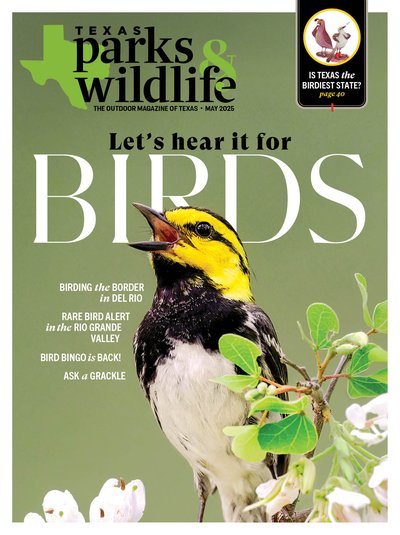
Certain birds in Texas, such as the Whooping Crane and the Golden-cheeked Warbler, need extra care to survive. Conservation programs focus on monitoring their numbers and reducing threats like habitat loss and pollution. Specialized breeding and relocation efforts have helped stabilize some of these populations.
Imagine witnessing the rare sight of an endangered bird in the wild—knowing that active protection made that moment possible adds a deeper connection to your experience.
Community Involvement
Your participation can make a real difference in bird conservation. Local groups organize clean-ups, build birdhouses, and track sightings to help scientists gather data. Volunteering or simply spreading awareness supports ongoing efforts and strengthens the bond between people and nature.
Have you ever joined a birdwatching event or contributed to a citizen science project? These activities turn your love for birds into meaningful action.
Credit: tpwmagazine.com
Tips For Successful Birdwatching
Birdwatching in Texas can be an incredible experience, especially when aiming to spot up to 500 different bird species. To make your time rewarding, knowing how to observe effectively is key. These tips will help you sharpen your skills, whether you’re just starting or looking to capture rare moments on camera.
Best Practices For Beginners
Start by choosing a quiet spot where birds feel safe. Early mornings are usually the best time to see birds active and feeding.
Use binoculars to get a closer look without disturbing them. Keep your movements slow and avoid sudden gestures to prevent scaring birds away.
Bring a notebook or use an app to jot down what you see. This helps you track species and notice patterns over time.
Spotting Rare Species
Focus on habitats that attract unique birds, such as wetlands, forests, or coastal areas. Pay attention to seasonal changes — some rare species only appear during migration.
Learn the calls and songs of rare birds. Sometimes you’ll hear a bird before you see it, giving you a head start.
Join local birdwatching groups or forums. Fellow birders often share recent sightings, which can guide you to less common species.
Photography Techniques
Use a camera with a zoom lens to capture detailed shots without getting too close. Natural light is your best friend; try shooting during golden hours just after sunrise or before sunset.
Keep your camera steady with a tripod or by resting it on a solid surface. Patience is crucial — wait quietly for the right moment rather than rushing your shots.
Experiment with different angles and focus points. Sometimes a photo that highlights a bird’s behavior tells a better story than a simple portrait.

Credit: www.amazon.com
Frequently Asked Questions
Where Are The Best Birdwatching Spots In Texas?
Texas offers top birdwatching sites like South Padre Island, High Island, and Big Bend National Park. These areas host diverse habitats attracting over 500 bird species yearly, making them ideal for enthusiasts seeking rich bird diversity and unique sightings.
How Many Bird Species Can I Spot In Texas?
Texas is home to over 600 bird species, with around 500 commonly observed by birdwatchers. The state’s varied ecosystems support resident and migratory birds, making it a prime destination for observing numerous species throughout the year.
When Is The Best Time To Observe Birds In Texas?
Spring and fall migrations are the best times to see diverse bird species in Texas. During these seasons, thousands of migratory birds pass through, increasing chances of spotting rare and colorful species in prime birdwatching locations.
What Equipment Do I Need For Birdwatching In Texas?
Bring binoculars, a field guide, comfortable clothing, and a notebook for birdwatching in Texas. These essentials help identify and record sightings, enhancing your experience while exploring diverse bird habitats across the state.
Conclusion
Texas offers amazing spots to see 500 bird species. Each location has unique birds and beautiful nature. Bring your binoculars and enjoy the peaceful outdoors. Birdwatching here can be fun for all ages. Remember to respect wildlife and stay on trails.
Your next bird adventure is waiting in Texas. Explore, watch, and appreciate the rich birdlife around you. Nature’s wonders are closer than you think.