
Have you ever wondered which birds can catch West Nile Virus (WNV)? If you care about your backyard wildlife or enjoy birdwatching, knowing which species are at risk is important.
Some birds can carry the virus without showing signs, while others may become seriously ill. Understanding this can help you protect your feathered friends and keep your environment safe. Keep reading to discover which bird species are most affected by WNV and what that means for you.
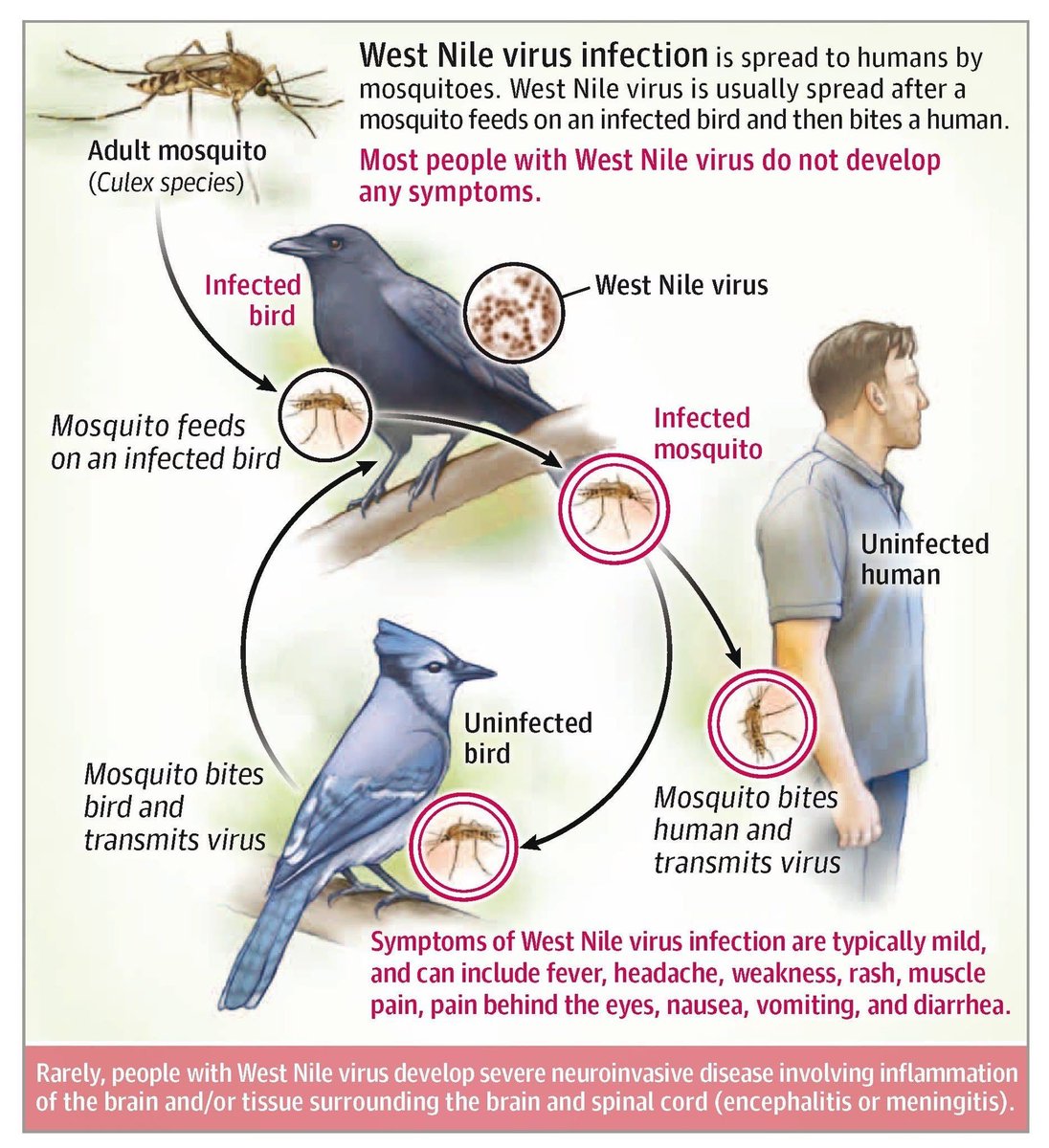
Credit: x.com
West Nile Virus Overview
West Nile Virus (WNV) is a virus spread by mosquitoes. It affects many bird species and some mammals, including humans. Birds play an important role in the virus’s life cycle. Understanding which birds can carry WNV helps control its spread.
What Is West Nile Virus?
WNV is a virus from the Flavivirus family. It mainly spreads through mosquito bites. Mosquitoes get infected by biting birds carrying the virus. Infected mosquitoes then bite other animals and people, spreading WNV further.
How Does West Nile Virus Affect Birds?
Many bird species can get infected by WNV. Some birds show no symptoms but still carry the virus. Others may become very sick or die. The virus can weaken birds, making it hard for them to survive.
Bird Species Most Commonly Infected
- Crows and Ravens
- Jays
- Hawks and Eagles
- Owls
- House Sparrows
- Finches
- Robins
These birds often have high virus levels. They can pass WNV to many mosquitoes, spreading it quickly.
Birds Resistant To West Nile Virus
Some birds show strong resistance. Ducks and pigeons usually carry the virus without serious illness. They act as reservoirs but do not spread the virus as much.
Importance Of Monitoring Bird Infections
Tracking WNV in birds helps predict outbreaks. It guides efforts to reduce mosquito populations. Protecting birds also reduces risks to humans and other animals.
Transmission Of West Nile Virus
West Nile Virus (WNV) spreads in ways that might surprise you. Understanding how it moves from one bird to another or to other animals is key to protecting your local wildlife and even yourself. Let’s break down the main ways this virus travels.
Transmission Through Mosquito Bites
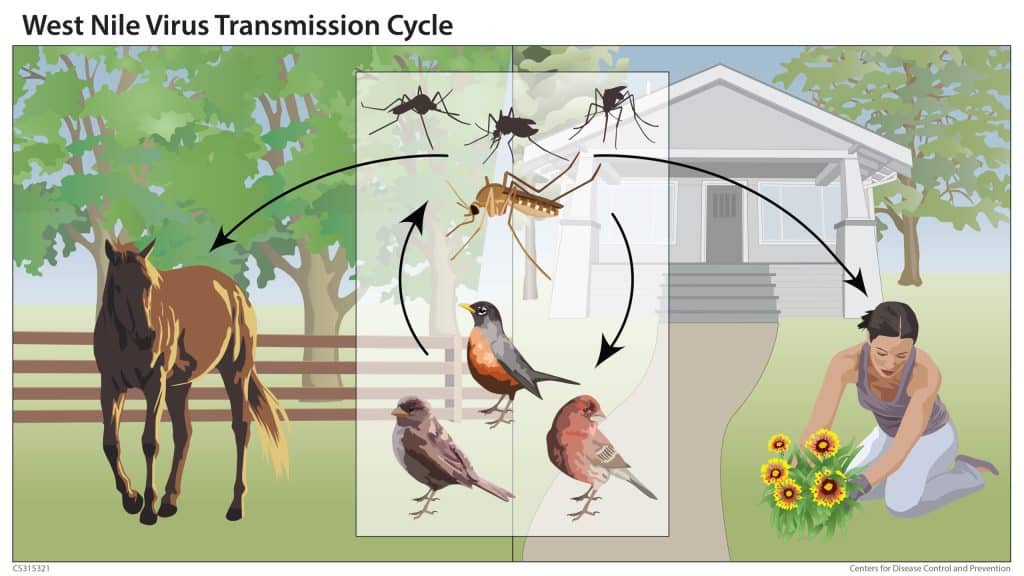
Mosquitoes are the primary carriers of West Nile Virus. When a mosquito bites an infected bird, it picks up the virus. Later, it can transmit the virus to other birds or mammals through its next bite.
This cycle means that controlling mosquito populations can significantly reduce the spread of WNV. Have you noticed more mosquitoes around your home during certain seasons? That’s when the risk of transmission spikes.
Bird-to-bird Transmission
While mosquitoes are the main culprits, some bird species can spread WNV directly to each other. This happens mainly through close contact, such as feeding or preening.
Not all birds are equally susceptible, though. Crows, jays, and some raptors often show higher infection rates and can even infect others nearby.
Other Transmission Routes
Although rare, WNV can also spread through contact with infected bird fluids or tissues. This might happen if you handle sick or dead birds without protection.
It’s a good practice to wear gloves or use tools when dealing with wildlife, especially if you suspect illness. Your safety and the health of the birds depend on careful handling.
Birds As Reservoir Hosts
Birds play a crucial role as reservoir hosts for West Nile Virus (WNV). These hosts carry the virus without showing severe illness. The virus multiplies in their bodies, allowing mosquitoes to pick it up and spread it further. Understanding which bird species can harbor WNV helps track and control outbreaks.
Common Bird Species Infected With Wnv
Many bird species can be infected with WNV. Some are more important in spreading the virus. These include:
- American Crows
- Blue Jays
- House Sparrows
- Robins
- House Finches
These birds often have high virus levels, making them key in transmission.
Bird Species That Show High Mortality
Some birds suffer more from WNV infection. They often die quickly after being infected. This group includes:
- American Crows
- Blue Jays
- Yellow-billed Magpies
Their deaths can signal the virus’s presence in an area.
Birds That Are Resistant Or Less Affected
Certain bird species carry the virus but do not get very sick. They act as silent carriers. Examples include:
- Pigeons
- Doves
- Hawks
These birds help maintain the virus in nature without dying.
Role Of Migratory Birds In Wnv Spread
Migratory birds can carry WNV over long distances. They introduce the virus to new regions. This movement helps the virus spread across continents. Many migratory songbirds and waterfowl play this role.
Commonly Infected Bird Species
West Nile Virus (WNV) affects many bird species across different regions. Some bird types are more vulnerable to the virus than others. Knowing which birds commonly get infected helps track and control the spread of WNV. These birds often carry the virus without showing strong symptoms, making them important in the virus cycle.
Crows And Ravens
Crows and ravens are highly susceptible to WNV. They often show severe symptoms and high mortality rates. These birds act as key indicators of WNV presence in an area. Their large populations and social behavior help spread the virus quickly.
Jays And Magpies
Jays and magpies also get infected frequently. They live in urban and rural areas, increasing their contact with mosquitoes. These birds can carry high amounts of the virus, making them important in WNV transmission.
Sparrows And Finches
Sparrows and finches often carry the virus without severe symptoms. Their large numbers and close contact with other birds help maintain WNV in the environment. These small birds are common hosts for the virus.
Hawks And Eagles
Hawks and eagles can get infected but show fewer symptoms. These birds of prey get the virus by eating infected birds. They help spread WNV across wider areas through their large territories.
Regional Variations In Bird Infections
Bird infections with West Nile Virus (WNV) vary widely depending on the region. Different climates, bird species, and ecosystems influence which birds are more likely to be infected. Understanding these regional differences helps in tracking the spread and impact of WNV on local bird populations.
Bird Species Most Affected In North America
In North America, crows and jays are highly susceptible to WNV. These birds often show severe symptoms and high mortality rates. You might notice sudden die-offs of American crows in your area during peak WNV season.
Other common victims include blue jays and house sparrows, which can carry the virus without showing symptoms. This silent spread makes controlling the virus more challenging for wildlife officials.
Wnv Impact On Birds In Europe
Europe experiences a different pattern, with raptors like hawks and owls more frequently infected. The virus tends to affect birds of prey that hunt infected smaller birds or mosquitoes.
Interestingly, some passerine birds, such as the Eurasian magpie, also show notable infection rates. This regional variation suggests that the virus adapts to local bird populations and their behaviors.
Bird Infection Patterns In Africa And The Middle East
Africa and the Middle East have diverse bird populations affected by WNV, including waterfowl and migratory species. These areas serve as important hubs for virus transmission due to bird migration routes.
Species like the Egyptian goose and various herons often carry the virus, sometimes without symptoms. This asymptomatic carriage can lead to unexpected virus spread along migratory paths.
How Local Environment Shapes Bird Vulnerability
Temperature and mosquito species are crucial factors influencing WNV infections. Warmer climates tend to support higher mosquito populations, increasing infection risk for birds.
Urban areas may see different bird species infected compared to rural settings, often due to human-altered habitats. Have you noticed changes in bird activity or health in your neighborhood over time? These observations can provide clues about local WNV presence.
Impact On Bird Populations
West Nile Virus (WNV) affects many bird species worldwide. The virus can cause illness and death in birds, impacting their populations. Some birds show severe symptoms, while others carry the virus without harm. The effect of WNV on bird populations varies by species and location.
Birds play a key role in spreading WNV through mosquito bites. High mortality in some species can change the balance of ecosystems. Understanding the impact on bird populations helps track and manage the virus’s spread.
Species Most Vulnerable To Wnv
- Corvids such as crows and jays suffer high death rates.
- American robins often carry the virus without severe effects.
- Some raptors, like hawks and owls, also show illness.
- Waterfowl generally have lower mortality but can spread WNV.
Population Declines In Affected Birds
WNV has caused sharp declines in crow populations in many areas. This decline affects birdwatchers and local ecosystems. Some species take years to recover, altering predator-prey relationships. Declines may reduce bird diversity in some regions.
Long-term Ecological Consequences
Reduced bird numbers impact seed dispersal and insect control. Changes in bird communities can affect plant growth and insect populations. Predators relying on birds may face food shortages. Ecosystem balance may shift, causing unknown ripple effects.
Symptoms In Birds
Noticing symptoms of West Nile Virus (WNV) in birds can be tricky, yet it’s essential for protecting both wild and domestic bird populations. Birds infected with WNV might show subtle signs that easily go unnoticed. Paying close attention to these symptoms can help you act quickly and prevent further spread.
Common Physical Symptoms
Infected birds often appear lethargic or weak. You might see drooping wings or difficulty standing. Some birds show a ruffled feather appearance, which indicates distress or illness.
Another sign is weight loss due to reduced appetite. Birds may also have trouble flying or exhibit uncoordinated movements. These symptoms suggest the virus is affecting their nervous system.
Behavioral Changes To Watch For
Birds with WNV may behave unusually. They might become less responsive to their surroundings or appear disoriented. Some even show tremors or seizures.
Have you ever noticed a bird acting strangely in your backyard? These behavioral shifts can be early warnings. Observing these changes can give you a chance to seek help for the bird.
Species-specific Symptom Variations
Not all birds show the same signs of infection. Corvids like crows and jays often suffer severe symptoms and high mortality rates. In contrast, some songbirds may carry the virus without obvious illness.
Understanding which species are more vulnerable helps you focus your attention. For example, if you spot a sick crow, it’s more likely to be related to WNV than a healthy finch nearby.
When To Contact A Wildlife Specialist
If you see a bird with any of these symptoms, consider reporting it to local wildlife authorities. They can confirm if WNV is present and take action to protect other birds.
Early intervention can save many birds and reduce the risk of transmission to humans and other animals. Don’t hesitate to reach out if you’re unsure about a bird’s condition.
Prevention And Control Measures
Keeping birds safe from West Nile Virus (WNV) requires proactive prevention and control. Protecting these species not only helps them but also reduces the risk of spreading the virus to humans and other animals. Let’s look at practical ways you can help stop WNV in its tracks.
Reducing Mosquito Breeding Sites
Mosquitoes spread WNV, so cutting down their breeding spots is key. Empty standing water from birdbaths, flowerpots, and gutters regularly. Even small puddles in your yard can become mosquito nurseries.
Think about your outdoor space—can you spot hidden water pools? Removing these stops mosquitoes from multiplying near your birds.
Using Mosquito Repellents Safely
You can protect birds by carefully using mosquito repellents designed for wildlife or outdoor areas. Avoid harsh chemicals that might harm them. Instead, opt for natural options like citronella plants near aviaries or safe insecticides approved for use around birds.
Have you tried placing fans near bird enclosures? Mosquitoes struggle to fly in strong breezes, which can keep your feathered friends safe without chemicals.
Maintaining Bird Health And Habitat
Strong, healthy birds resist infections better. Provide balanced nutrition and clean water daily. Keep birdhouses and feeders clean to prevent disease spread.
Also, ensure birds have plenty of shaded spots to reduce stress. Stress weakens their immune systems, making them more vulnerable to WNV.
Monitoring And Reporting Sick Birds
Watch for signs like weakness, disorientation, or unusual behavior in your birds. Early detection can prevent outbreaks. Report any suspicious cases to local wildlife or health authorities immediately.
Have you observed any odd bird behavior in your area? Prompt action could save many lives and help track the virus’s movement.
Research And Monitoring Efforts
Research and monitoring efforts play a vital role in understanding West Nile Virus (WNV) in birds. Scientists track infection rates to identify which species are most affected. This helps in managing outbreaks and protecting wildlife.
These efforts involve collecting data from different bird populations across various regions. Researchers study patterns in infection to predict future risks. Monitoring also supports public health by reducing virus spread to humans.
Field Surveys And Sample Collection
Field surveys involve observing bird populations in their natural habitats. Researchers collect blood and tissue samples to test for WNV infection. This helps determine which species carry the virus and how widespread it is.
Teams use mist nets or traps to safely capture birds for sampling. After testing, birds are usually released back into the wild. Data from these surveys guide further research and control measures.
Use Of Technology In Tracking
Technology aids in monitoring WNV in birds more efficiently. GPS trackers follow bird movements to study migration and spread of the virus. Remote sensing detects changes in habitats that affect bird health.
Data collected from devices helps identify hotspots where WNV is more common. This allows quicker response to outbreaks and better protection for vulnerable species.
Collaboration Between Agencies
Multiple agencies work together to monitor WNV in birds. Wildlife organizations, public health departments, and universities share data and resources. This teamwork improves understanding and response efforts.
Such collaboration leads to standardized methods for testing and reporting. It also promotes public awareness about the risks of WNV to birds and humans.

Credit: extension.psu.edu
Credit: walthamtimes.org
Frequently Asked Questions
What Bird Species Are Commonly Infected With Wnv?
Crows, jays, and raptors like hawks and owls often get infected with West Nile Virus (WNV). These birds show high susceptibility and can suffer severe illness or death from the virus.
Can Songbirds Carry West Nile Virus?
Yes, many songbirds like sparrows and finches can carry WNV. They usually exhibit mild symptoms but help spread the virus to mosquitoes, which then infect other animals.
Are Waterfowl Affected By West Nile Virus?
Waterfowl such as ducks and geese can be infected but rarely show serious symptoms. They play a smaller role in spreading WNV compared to other bird groups.
How Does Wnv Affect Raptors And Birds Of Prey?
Raptors and birds of prey can develop severe symptoms and often die from WNV. Infection occurs mainly through mosquito bites, impacting their health and population.
Conclusion
Birds from many species can catch West Nile Virus. Some types get sicker than others. Knowing which birds are at risk helps protect them better. Watching bird health can also warn us about local virus spread. Keeping an eye on birds supports both nature and human safety.
Stay aware of how WNV affects wild and pet birds. This knowledge helps reduce the virus’s impact on all living creatures. Protecting birds means protecting our environment too.