
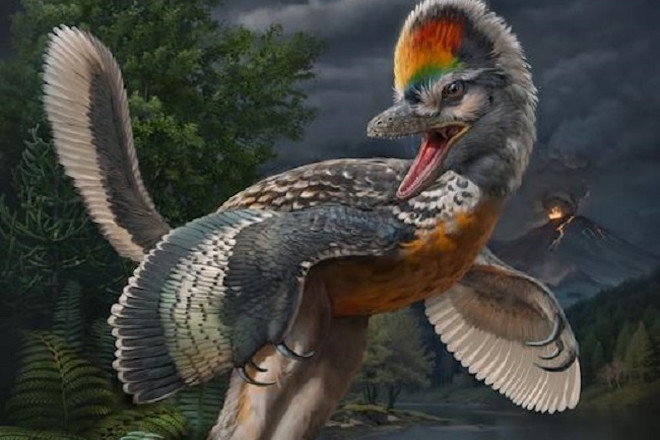
Have you ever wondered which bird has been soaring the skies for millions of years? Discovering one of the oldest species of birds will surprise you.
These ancient creatures hold secrets from a time long before humans walked the earth. By learning about them, you’ll see how nature’s history is still alive today. Keep reading to uncover fascinating facts that will change the way you look at birds forever.

Credit: www.discovermagazine.com
The Ancient Origins Of Birds
Understanding the ancient origins of birds gives you a fascinating glimpse into the past. Birds are not just beautiful creatures of the sky; they are living links to a world long gone. Their evolution tells a story of survival, adaptation, and incredible change over millions of years.
The Evolutionary Journey From Dinosaurs To Birds
Birds evolved from a group of dinosaurs called theropods. These were two-legged predators, some of which had feathers. Over time, these feathers helped with insulation, display, and eventually flight.
Imagine holding a fossil that shows a tiny dinosaur with feathers—this is a direct connection to the birds you see every day. The transition from ground runners to skilled flyers was gradual but remarkable.
Fossil Evidence That Shaped Our Understanding
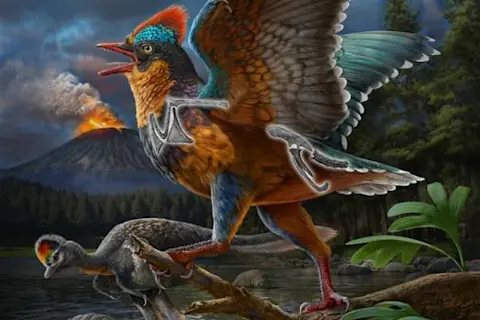
Fossils like Archaeopteryx, discovered in the 19th century, provide critical evidence of early birds. This creature had wings and feathers but also dinosaur-like teeth and a long bony tail.
These fossils challenge the way you think about birds. They show that what we call “birds” today are just the latest chapter in a long evolutionary tale.
How Ancient Birds Influenced Modern Species
Many modern birds retain features from their ancient ancestors. For example, the hoatzin chick has claws on its wings, a trait seen in early birds.
When you watch birds in your backyard, you’re witnessing the results of millions of years of evolution. These traits help them survive in diverse environments and continue their lineage.
The Hoatzin: A Living Fossil
The Hoatzin stands out as one of the oldest species of birds still alive today, often called a living fossil. Its lineage dates back over 64 million years, offering a rare glimpse into avian evolution. Encountering a Hoatzin challenges your understanding of what birds can be, blending ancient traits with unique modern adaptations.
Unique Characteristics
The Hoatzin has several traits that make it unlike any other bird you’ve seen. Its digestive system ferments leaves like a cow, using bacteria to break down tough plant material. This unusual feature gives it a distinct, often unpleasant odor, which acts as a natural defense against predators.
What’s even more fascinating is the presence of claws on the wings of Hoatzin chicks. These claws help young birds climb branches before they can fly, a feature that echoes back to the distant ancestors of birds. Watching a Hoatzin chick climb can make you question how much we still don’t know about bird development.
Habitat And Distribution
The Hoatzin lives mainly in the Amazon and Orinoco river basins, thriving in swampy forests and wetlands. You’ll find it perched quietly among dense vegetation, where it feeds on leaves, fruits, and flowers. Its preference for watery habitats means it is often hidden from plain sight, making spotting one a rewarding experience for bird watchers.
Have you ever wondered how animals adapt to their environment over millions of years? The Hoatzin’s survival in such a specialized habitat shows how evolution can take surprising turns, preserving ancient features while adapting to present needs. This bird’s continued existence challenges you to think about conservation and the fragile balance of ecosystems.
Evolutionary Significance
The evolutionary significance of one of the oldest bird species reveals much about the history of life on Earth. These birds act as living links to ancient times, showing how species adapt and survive over millions of years. Their traits offer clues about the environment and challenges faced by early birds.
Ancestors And Relatives
These ancient birds share common ancestors with many modern species. Fossils show their close relatives had different features but shared key survival traits. Studying their bones and feathers helps scientists trace the path of bird evolution.
Some relatives evolved into today’s diverse bird families. Others remained similar to their ancient forms. This mix of change and stability is a crucial part of evolution.
Survival Through Millennia
One of the oldest bird species survived major events like ice ages and mass extinctions. Their ability to adapt to changing climates and food sources ensured their survival. Simple body structures and flexible diets helped them endure.
These birds teach us about resilience in nature. Their survival shows how species can persist by evolving slowly and steadily. They are living proof of life’s long and complex journey.
Credit: www.discovermagazine.com
Behavior And Ecology
Understanding the behavior and ecology of one of the oldest species of birds reveals how these creatures have thrived for millions of years. Their habits and interactions with the environment offer a glimpse into the survival strategies that have stood the test of time. Observing these birds can challenge your assumptions about animal intelligence and adaptation.
Diet And Feeding Habits
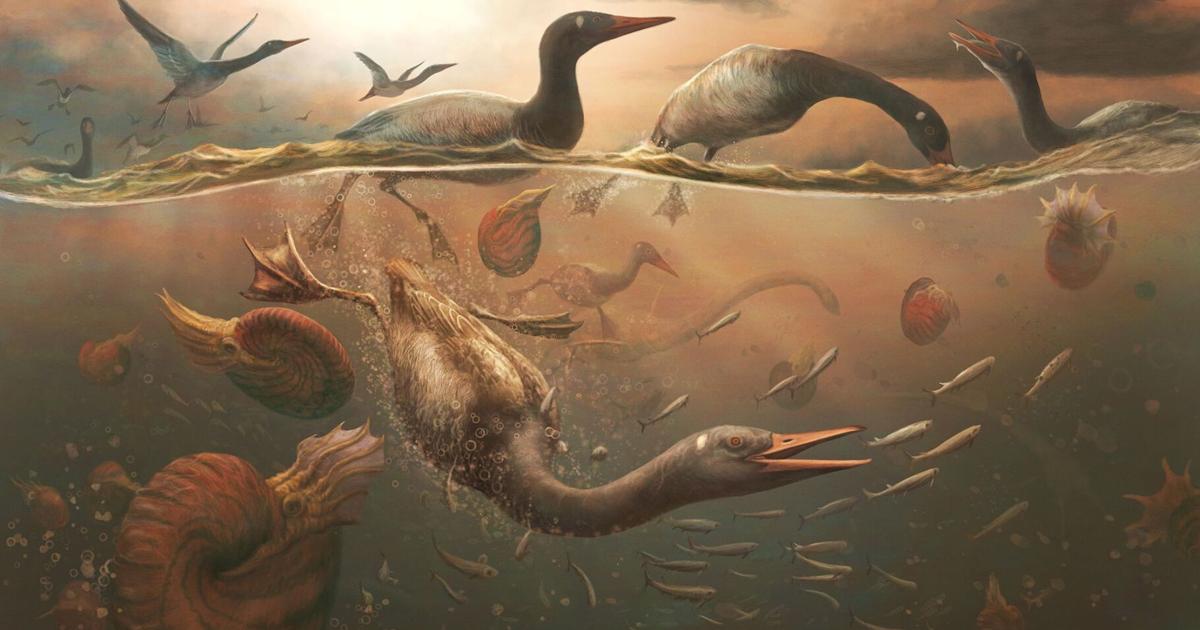
These ancient birds have a varied diet that often depends on their habitat. They primarily feed on fish, insects, and small aquatic animals, using sharp beaks to catch prey efficiently.
Many species show remarkable patience, standing still for long periods before striking. This hunting strategy conserves energy and increases success rates.
Have you ever noticed how some birds seem picky while others eat almost anything? This adaptability in diet helps them survive changing environments.
Reproduction And Lifecycle
The reproduction cycle of these birds is closely tied to seasonal changes. They usually build nests in secluded areas to protect their eggs from predators.
Both parents often share the responsibility of incubating eggs and feeding chicks. This teamwork improves the survival chances of their offspring.
Watching their young grow can teach you a lot about nature’s patience and care. How do you think such dedicated parental behavior affects the population stability of these ancient birds?
Conservation And Threats
Conserving one of the oldest bird species is vital for nature’s balance. These birds face many threats that put their survival at risk. Understanding these dangers helps create better protection plans. Efforts focus on preserving habitats and reducing human harm.
Current Conservation Status
Many ancient bird species are listed as vulnerable or endangered. Habitat loss, climate change, and hunting reduce their numbers. Conservation groups monitor populations to track changes. Protected areas have helped some species recover. Yet, many still struggle to survive in the wild.
Human Impact And Environmental Challenges
Humans affect these birds in several ways. Deforestation destroys nesting sites and feeding grounds. Pollution contaminates water and soil, harming their health. Urban development fragments habitats, making movement hard. Climate change alters food availability and breeding patterns. Illegal hunting and trade also threaten their survival.
Credit: www.waaytv.com
Cultural And Scientific Importance
The oldest species of birds hold a unique place both culturally and scientifically. Their survival across millions of years offers a living window into the past. Understanding their importance can deepen your appreciation for nature and science alike.
Role In Indigenous Cultures
Many indigenous cultures see these ancient birds as symbols of wisdom and endurance. They often appear in stories, rituals, and art, reflecting a deep respect for nature’s resilience.
In some communities, the bird’s behavior guides seasonal activities like fishing or planting. This connection shows how closely human life once depended on these species.
Have you ever wondered how ancient knowledge passed down through generations can still influence us today? These birds help keep that wisdom alive.
Interest To Ornithologists
Ornithologists study these species to understand evolution and environmental changes. Their primitive traits provide clues about how modern birds developed.
Research on these birds has led to discoveries about flight mechanics and migration patterns. This can inform conservation strategies that you might support or participate in.
What insights could you gain by learning how these birds adapt to changing climates? Their resilience offers lessons that go beyond science.
Frequently Asked Questions
What Is One Of The Oldest Bird Species Alive Today?
The Archaeopteryx is one of the oldest known bird species. It lived around 150 million years ago and bridges dinosaurs and modern birds.
How Old Is The Archaeopteryx Bird Species?
Archaeopteryx dates back approximately 150 million years to the Late Jurassic period. It represents an early stage in bird evolution.
Why Is Archaeopteryx Important In Bird Evolution?
Archaeopteryx shows features of both dinosaurs and birds. It helps scientists understand how modern birds evolved from ancient reptiles.
Are There Any Birds Older Than Archaeopteryx?
No confirmed bird species older than Archaeopteryx exist. It remains the earliest known bird fossil discovered to date.
Conclusion
Birds have existed for millions of years. Some species are older than others. These ancient birds show us how life has changed. They help scientists learn about evolution. Their survival tells a story of strength and adaptation. Knowing about old bird species is fascinating.
It connects us to Earth’s distant past. We can appreciate nature’s long journey through their history.