
Have you ever wondered which bird species caught Charles Darwin’s attention and changed the way we understand life on Earth? The answer lies in a group of birds that helped shape one of the most important scientific theories ever.
If you want to discover the fascinating story behind these birds and why they matter to you, keep reading. This is more than just a history lesson—it’s a key to unlocking how nature works right before your eyes.
Darwin’s Voyage On The Hms Beagle
Charles Darwin’s journey on the HMS Beagle was a key moment in science. The voyage lasted nearly five years, from 1831 to 1836. Darwin traveled across oceans, visiting many lands and islands. This trip gave him a chance to observe nature closely. He collected many plants, animals, and fossils. His observations led to new ideas about life on Earth.
One of the most famous stops was the Galápagos Islands. Here, Darwin saw unique species of birds. These birds helped shape his theory of evolution. The HMS Beagle voyage was more than a trip. It was a scientific adventure that changed how we understand nature.
Setting Sail: The Start Of An Epic Journey
The HMS Beagle left England in December 1831. Its mission was to map the coast of South America. Darwin was the ship’s naturalist, studying plants and animals. The voyage covered thousands of miles and many climates. Darwin kept detailed notes and sketches throughout the trip.
Discovering New Species In South America
Darwin explored many places in South America. He found fossils of extinct animals like giant sloths. He studied birds, reptiles, and insects. These discoveries showed how species might change over time. Darwin’s collections were sent back to England for study.
The Galápagos Islands: A Natural Laboratory
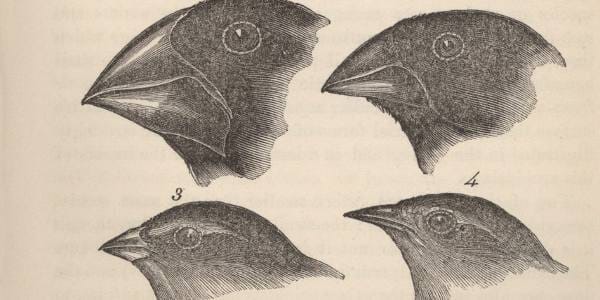
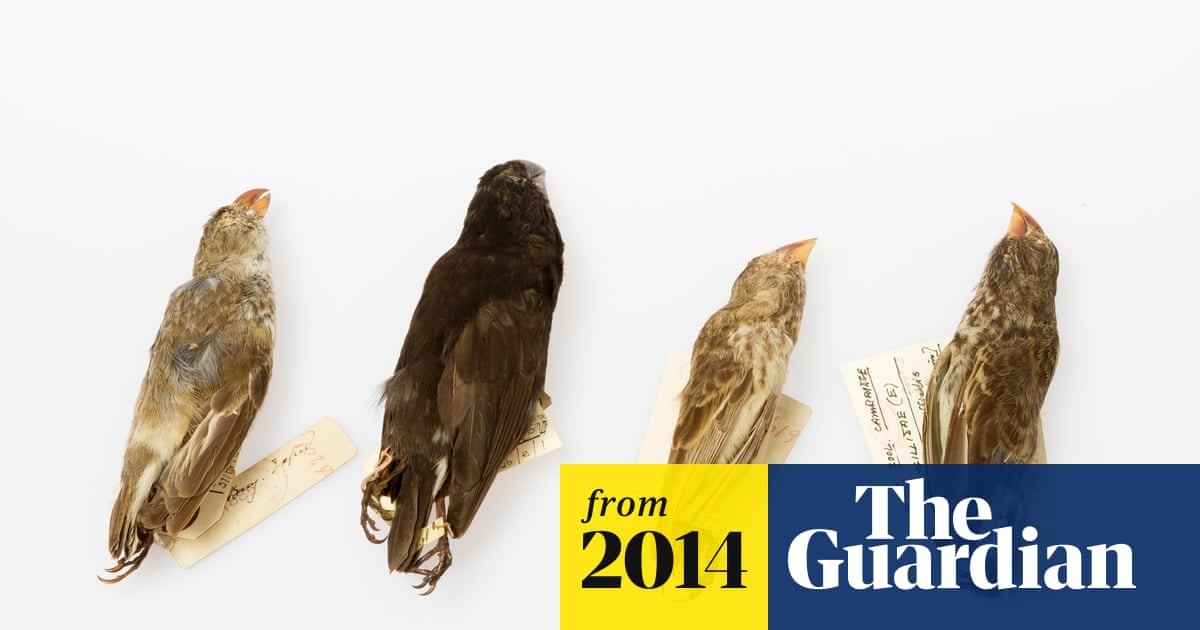
The Galápagos Islands held special interest for Darwin. He noticed birds with different beak shapes on each island. These finches adapted to their unique island environments. This variation suggested that species evolve to survive. The Galápagos finches became a symbol of evolutionary change.
Bird Species Darwin Described
- Darwin’s finches: A group of small birds with diverse beaks.
- Galápagos mockingbirds: Different species found on separate islands.
- Other unique birds: Including woodpecker finches and cactus finches.
Darwin’s careful study of these birds helped him understand natural selection. His voyage on the HMS Beagle remains one of the most important scientific journeys ever.
Galápagos Islands: A Natural Laboratory
The Galápagos Islands stand out as a unique natural laboratory where evolution reveals itself in real time. This isolated archipelago provided Charles Darwin with crucial observations that shaped his theory of natural selection. The diverse bird species here demonstrate how life adapts to different environments, offering you a firsthand look at evolutionary processes.
Darwin’s Finches: Icons Of Adaptation
Among the many birds Darwin described, the finches of the Galápagos are the most famous. These small birds vary in beak shape and size depending on their food source. You can see how some have strong, thick beaks for cracking nuts, while others have slender, pointed beaks for catching insects.
What’s fascinating is how these differences evolved from a common ancestor. This shows you evolution isn’t just a concept but a living process shaped by environmental pressures.
How The Islands Shaped Bird Evolution
The Galápagos Islands differ in climate and vegetation, creating distinct habitats. Each island hosts bird species with unique traits tailored to their surroundings. For example, the medium ground finch on one island might have a much larger beak than its cousin on another island.
This variation challenges you to think about how isolation and environment drive species to adapt. Could the birds have changed so much if they lived side by side?
Bird Species Beyond Finches
While finches grab most attention, Darwin also described other birds that contribute to the islands’ story. The Galápagos mockingbird, for instance, varies slightly across islands, hinting at early stages of speciation. You’ll find the flightless cormorant, a rare bird with reduced wings, showing how isolation leads to unexpected traits.
These birds prove that evolution isn’t limited to one group. They encourage you to look broadly at how different species respond to the same environment in unique ways.
The Famous Finches
Charles Darwin’s observations of finches on the Galápagos Islands remain one of the most famous examples of natural selection. These birds, now commonly called Darwin’s finches, showcase how small changes can lead to big differences in survival. They helped Darwin understand how species adapt to their environments over time.
Variation In Beak Shapes
The finches have different beak shapes depending on the food available on their island. Some have strong, thick beaks for cracking seeds, while others have long, slender beaks to catch insects. This variety shows how even small physical differences can help birds survive in different habitats.
Imagine you visit an island with only hard seeds to eat. A finch with a weak beak might struggle, but one with a strong beak will thrive. This simple fact highlights how nature “tests” which traits work best.
Adaptation And Survival
Each finch species adapted to its unique environment, improving its chances of survival and reproduction. This process is called adaptation. It means that over many generations, birds with beneficial traits become more common.
Have you ever noticed how your habits change when your surroundings do? The finches’ beaks changed similarly, shaped by the food sources and challenges they faced. Their story encourages you to think about how small changes in your environment might influence your own growth and success.

Credit: en.wikipedia.org
Mockingbirds: A Surprising Revelation
When Charles Darwin first encountered mockingbirds during his voyage on the HMS Beagle, he didn’t just see ordinary birds. Instead, he noticed subtle differences among mockingbird species on various islands. This unexpected discovery played a crucial role in shaping his ideas about evolution and natural selection.
Species Differentiation
Darwin observed that mockingbirds from different Galápagos Islands had distinct features. Some had variations in size, beak shape, and plumage color. These differences were clear enough for Darwin to realize that they were not just one species, but several closely related ones.
This was surprising because mockingbirds were thought to be uniform across regions. The variations suggested that species could change when isolated in different environments. Have you ever noticed small differences in animals or plants where you live that might hint at this process?
Impact On Darwin’s Theories
These mockingbird variations helped Darwin question the fixed nature of species. If species could change based on their environment, then nature itself was dynamic. This insight pushed Darwin to develop his theory of natural selection.
Darwin realized that survival depended on how well a species adapted to its surroundings. The mockingbirds’ differences were evidence that species evolve over time, adapting to new challenges. Next time you see a bird or animal, think about how its traits might have changed to fit its home.
The Role Of Tortoises
The Galápagos tortoises played a surprising yet crucial role in Charles Darwin’s study of species variation. While many focus on the birds Darwin described, especially finches, the tortoises offered key insights into adaptation and survival. Observing these slow-moving creatures helped Darwin understand how different environments shape physical traits over time.
Shell Variations
Each island in the Galápagos had tortoises with distinct shell shapes. Some had dome-shaped shells, while others sported saddle-backed shells. These differences weren’t random; they matched the type of vegetation and terrain the tortoises lived on.
For instance, tortoises with saddle-backed shells could stretch their necks higher to reach sparse cactus plants. Meanwhile, those with dome-shaped shells thrived where plants were closer to the ground. This clear link between shell shape and habitat showed how species adapt to their surroundings.
Inspiration For Natural Selection
Watching the tortoises made Darwin question how species change over time. If physical traits like shell shape provided survival advantages, then nature might “select” these traits naturally. This idea became a cornerstone of his theory of natural selection.
Think about your own environment. How might small changes around you influence your habits or even appearance over many years? Darwin’s observations invite you to consider how life constantly adjusts to challenges, often in subtle ways.
Credit: www.theguardian.com
Cultural Impact Of Darwin’s Birds
Darwin described several finch species from the Galápagos Islands, each with unique beak shapes. These birds helped shape his theory of evolution. Their study changed how people understand nature and species adaptation.
Darwin’s study of birds, especially the finches of the Galápagos Islands, changed how people think about nature. These birds became symbols of discovery and change. They helped shift ideas about life and species. The cultural impact goes beyond science. Art, education, and public understanding of evolution all felt their influence. Darwin’s birds made evolution a topic everyone could discuss and explore.Influence On Scientific Thought
Darwin’s birds showed how species adapt to their environments. This idea challenged old beliefs about fixed species. Scientists began to see nature as dynamic and ever-changing. The finches became examples of natural selection in action. Researchers studied variation in beaks and behaviors closely. These birds helped form the foundation of evolutionary biology. Their story encouraged scientists to observe and question nature deeply.Legacy In Modern Evolutionary Studies
Today, Darwin’s birds remain important in evolution research. Scientists use them to study genetic changes over time. The finches show how small differences lead to new species. Modern technology allows detailed analysis of their DNA. This research confirms and expands Darwin’s early ideas. The birds inspire ongoing studies on adaptation and survival. They stand as living proof of evolution’s power and process.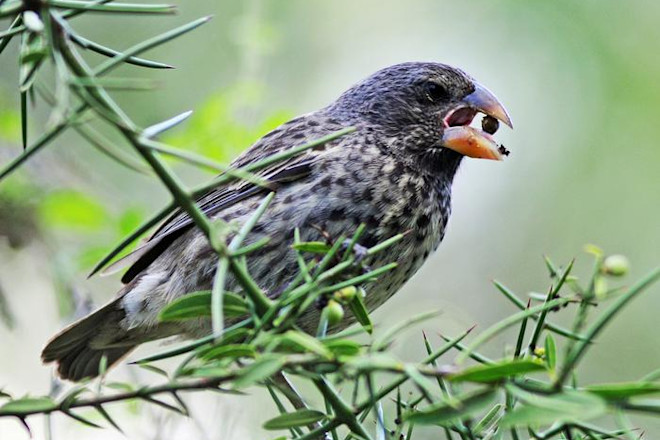
Credit: www.discovermagazine.com
Frequently Asked Questions
What Bird Species Did Darwin Famously Describe?
Darwin famously described finches from the Galápagos Islands. These finches showed diverse beak shapes adapted to different diets. They helped him develop his theory of natural selection.
Why Are Darwin’s Finches Important In Evolution?
Darwin’s finches demonstrate adaptive radiation. Their varied beaks evolved to exploit different food sources. This diversity supports the concept of evolution by natural selection.
How Many Species Of Finches Did Darwin Identify?
Darwin identified about 13 finch species on the Galápagos Islands. Each species has unique beak shapes and feeding habits. This variety illustrated species adaptation in isolated environments.
Where Did Darwin Study These Bird Species?
Darwin studied these birds on the Galápagos Islands during his voyage on the HMS Beagle. The islands’ isolation created unique species, ideal for studying evolution.
Conclusion
Darwin’s study of birds showed how species adapt over time. His observations of finches revealed small but important differences. These differences helped explain how animals evolve in nature. Understanding these birds helps us see evolution’s power clearly. Darwin’s work still inspires scientists and nature lovers today.
Birds remain key examples of life’s endless changes. This knowledge deepens our respect for the natural world. Keep exploring nature to find your own fascinating stories.