
Have you ever wondered which bird holds the record for living the longest? Imagine a creature that can outlive generations of humans, witnessing changes over decades or even centuries.
Knowing about the longest living bird species in the world isn’t just fascinating—it can change how you see nature and time itself. You’ll discover the amazing facts about these incredible birds and what makes their lifespan so extraordinary. Ready to find out which bird breaks all the records?
Keep reading, and prepare to be amazed.
Longest-lived Bird Species
Birds are known for their beauty and songs. Some birds also live for many years. The longest-lived bird species shows how amazing nature can be. These birds survive in tough places and live through many seasons. Their long lives help them learn, adapt, and raise many young ones. Understanding these birds gives us a glimpse of nature’s strength and wonder.
Albatross: The Ocean Wanderer
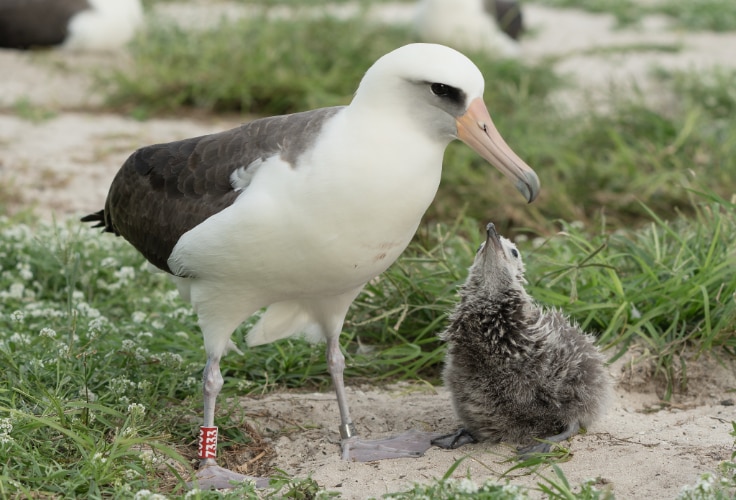
The albatross lives mostly over oceans. It can fly long distances without stopping. Some albatrosses live more than 60 years. Their strong wings and calm nature help them live long. These birds return to the same nesting spots yearly. Their long life helps them find good mates and raise chicks well.
Macaws: Vibrant And Long-lived
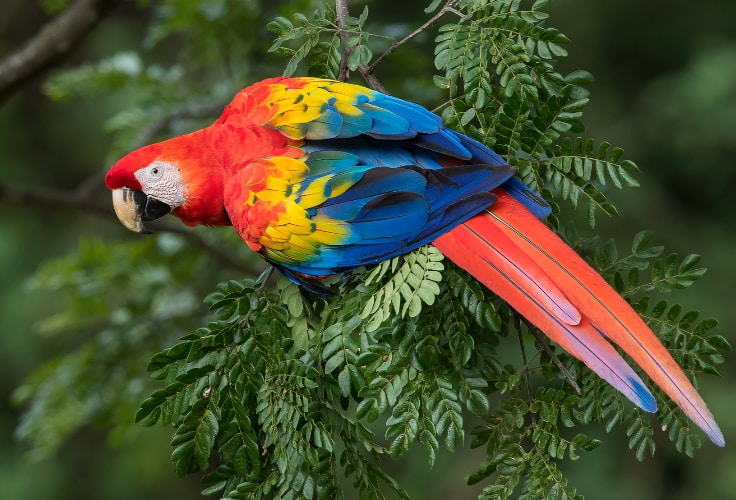
Macaws are colorful parrots found in rainforests. These birds can live up to 50 years or more. They have strong beaks and bright feathers. Macaws form close bonds with their partners. Their long life helps them stay safe from many dangers. They also learn many skills over the years.
Amazon Parrots: Smart And Steady
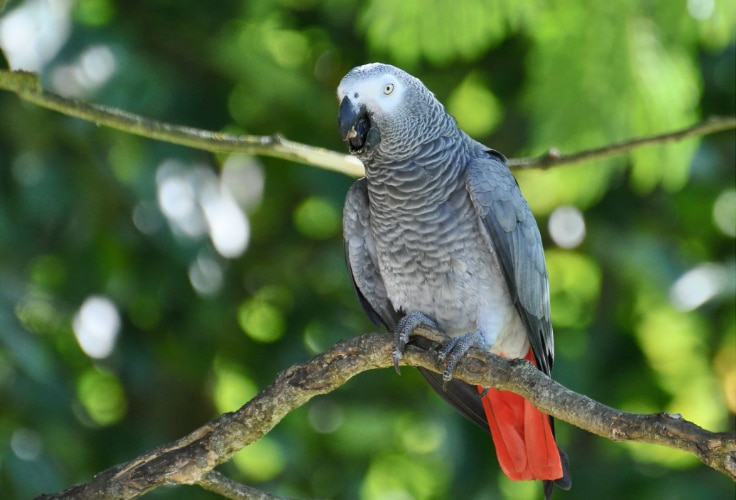
Amazon parrots are known for their talking skills. They live mainly in Central and South America. These birds often live 40 to 70 years. Their intelligence helps them survive in the wild. They use their beaks and feet to eat and play. Their long life lets them build strong social groups.
Petrels: Masters Of The Sea
Petrels are small sea birds that live long lives. Some species live over 50 years. They fly over oceans and find food far away. Petrels can survive strong storms and cold waters. Their long life helps them breed slowly but well. They return to the same nesting sites yearly.
Why Do Some Birds Live Longer?
- Slow body growth reduces energy use.
- Strong immune systems fight diseases.
- Living in safe places lowers risk.
- Good food sources support health.
- Strong family bonds help care for young.
Credit: avibirds.com
Secrets Of Avian Longevity
Understanding why some birds live exceptionally long lives can change how you think about aging—not just in animals, but in yourself too. The secrets behind avian longevity aren’t hidden in a single factor; they are a blend of genetics, environment, and diet. Each piece plays a crucial role in extending a bird’s lifespan far beyond what you might expect.
Genetic Factors
Some bird species carry genes that help them resist diseases and repair cellular damage efficiently. These genes slow down the aging process and keep their bodies functioning longer.
For example, parrots have DNA that supports strong immune systems and stable heart functions. This genetic advantage means they can live up to 80 years or more, far beyond many other birds.
Environmental Influences
Where a bird lives affects its lifespan significantly. Birds in safe, stable environments with fewer predators and less pollution tend to live longer.
Imagine a bird in a quiet forest with plenty of shelter and clean water compared to one in a noisy city with high pollution—it’s clear which one has a better chance at a long life.
Diet And Nutrition
What birds eat has a direct impact on their health and longevity. A balanced diet rich in antioxidants, vitamins, and minerals helps them fight off diseases and maintain energy.
Parrots, for example, thrive on varied diets including fruits, nuts, and seeds that provide essential nutrients. Could adjusting your diet with similar principles improve your own well-being?
Notable Long-lived Birds
Some bird species are famous for their long lives. These birds often live far longer than many mammals. Their lifespans can teach us about survival and adaptation in nature. Here are some notable long-lived birds that stand out in the animal kingdom.
Albatrosses
Albatrosses are large seabirds known for their impressive wingspan. They can live more than 50 years in the wild. Some albatrosses have been recorded living up to 70 years. These birds spend most of their life flying over oceans. Their long lifespan helps them travel great distances and find mates over many years.
Parrots
Parrots are colorful birds with strong beaks and loud calls. Many parrot species can live 40 to 60 years. Some parrots, like the macaw, can live even longer, up to 80 years. Their intelligence and social nature contribute to their long lives. Parrots often form strong bonds with their mates and flock members.
Eagles
Eagles are powerful birds of prey with sharp vision. They usually live 20 to 30 years in the wild. Some eagles can live up to 50 years in captivity. Their long life supports raising multiple generations of young. Eagles are symbols of strength and endurance, reflecting their lifespan in the wild.
Credit: avibirds.com
Impacts On Lifespan
The lifespan of the longest living bird species depends on many factors. These factors affect how long they survive in the wild and captivity. Some influences are natural, while others come from human activities. Understanding these impacts helps protect these birds better.
Predation And Threats
Birds face danger from predators like large mammals and other birds. Eggs and chicks are more vulnerable than adults. Natural disasters also reduce their chances of survival. Loss of habitat limits food and safe nesting places. These threats shorten their life expectancy significantly.
Human Interactions
Humans affect bird lifespans in many ways. Hunting and trapping reduce their numbers quickly. Pollution harms their health and contaminates food sources. Urban development destroys natural habitats. Noise and light pollution disturb their sleep and breeding cycles. Some birds adapt, but many cannot survive these changes.
Conservation Efforts
Conservation projects help increase bird lifespans worldwide. Protected areas provide safe homes and food supplies. Breeding programs support population growth of endangered species. Laws prevent hunting and trade of rare birds. Education raises awareness about bird protection. These efforts give hope to the longest living birds.
Comparing Avian And Mammalian Lifespans
Birds and mammals show wide differences in how long they live. Some birds outlive many mammals, even large ones like elephants or whales. Understanding these differences helps us learn about aging and survival in nature. Lifespan depends on many factors, including body size, metabolism, and environment. Comparing these groups reveals unique traits that help birds live longer than expected.
Unique Adaptations
Birds have special traits that support longer life. Their bodies are built for flight, which demands efficient energy use. This lowers damage from harmful molecules called free radicals. Many birds also have strong immune systems to fight diseases better.
Mammals rely on different strategies. Larger mammals often live longer because they grow slowly and reproduce less. Their bodies use more energy, which can cause faster aging in smaller species. Some mammals, like bats, share traits with birds, such as long life despite small size.
Lifespan Variability
Lifespans vary greatly within birds and mammals. Some small birds, like parrots, can live over 80 years. Others, like sparrows, only live a few years. Mammals show similar variety. Mice live just a couple of years, while whales can live over a century.
Environmental factors also affect lifespan. Safe habitats and good food help animals live longer. Stress and predators shorten life. Birds often face fewer predators as adults, aiding their longer lives.
Credit: avibirds.com
Conservation And Lifespan
Understanding the link between conservation efforts and the lifespan of the longest living bird species reveals how human actions can directly impact these creatures’ survival. Many of these birds have natural lifespans that can reach decades, but without protection, their numbers dwindle quickly. Conservation not only helps maintain their populations but also supports healthier, longer lives for individual birds.
Role Of Conservation In Longevity
Conservation plays a crucial role in extending the lifespan of bird species by providing safe habitats and reducing threats like poaching and habitat destruction. When you protect nesting sites and limit human interference, birds face fewer dangers and stress, which often leads to longer lives.
Consider the impact of clean environments: pollutants can shorten a bird’s life by damaging their health over time. Efforts to reduce pollution and control invasive species have shown measurable improvements in bird longevity.
Have you ever wondered how something as simple as preserving a tree can affect a bird’s lifespan? Trees offer shelter, food, and breeding grounds, all critical for survival. Conservation ensures these vital resources remain available.
Success Stories
The story of the Laysan albatross stands out as a powerful example. Through dedicated conservation programs on Midway Atoll, their population has rebounded significantly, and many individuals are now living well beyond 60 years.
Another inspiring case is the kakapo, a flightless parrot from New Zealand. Intensive conservation, including predator control and breeding programs, has helped these birds survive much longer than they might have in the wild.
- Protection of nesting areas has increased survival rates.
- Medical care and monitoring help catch diseases early.
- Community involvement raises awareness and support for conservation.
What lessons can you take from these examples? Even small actions like supporting local conservation groups or reducing habitat destruction can make a big difference in the lifespan of these incredible birds.
Frequently Asked Questions
What Is The Longest Living Bird Species?
The longest living bird species is the albatross, known to live over 60 years. Some parrots, like the cockatoo, can live up to 70 years or more. Lifespan varies by species and environment, but albatrosses hold the record for longevity.
How Do Birds Achieve Long Lifespans?
Birds achieve long lifespans through slow metabolism, low predation, and strong immune systems. Some species also benefit from protective habitats and social behaviors that reduce stress. These factors contribute to their ability to live several decades in the wild or captivity.
Which Bird Lives The Longest In Captivity?
The oldest recorded captive bird is a cockatoo named “Cookie,” who lived 83 years. Parrots, especially larger species like macaws and cockatoos, tend to live longer in captivity due to consistent care. Proper nutrition and veterinary care extend their lifespan significantly.
Why Do Albatrosses Live So Long?
Albatrosses live long due to their slow growth, strong flight abilities, and safe ocean habitats. They face fewer predators and have efficient energy use during long flights. Their life strategy focuses on longevity and low reproduction rates, aiding survival for decades.
Conclusion
The longest living bird species shows us nature’s amazing strength. These birds can live many decades, some over a hundred years. Their long lives teach us about survival and care. Watching them helps us understand how animals adapt and thrive.
Protecting their homes is important for their future. Every bird has a story worth knowing. Remember, their long life is a gift of nature. We can learn patience and endurance from them. These birds inspire us to respect all living things.
Their lifespan is truly a wonder of the animal world.