
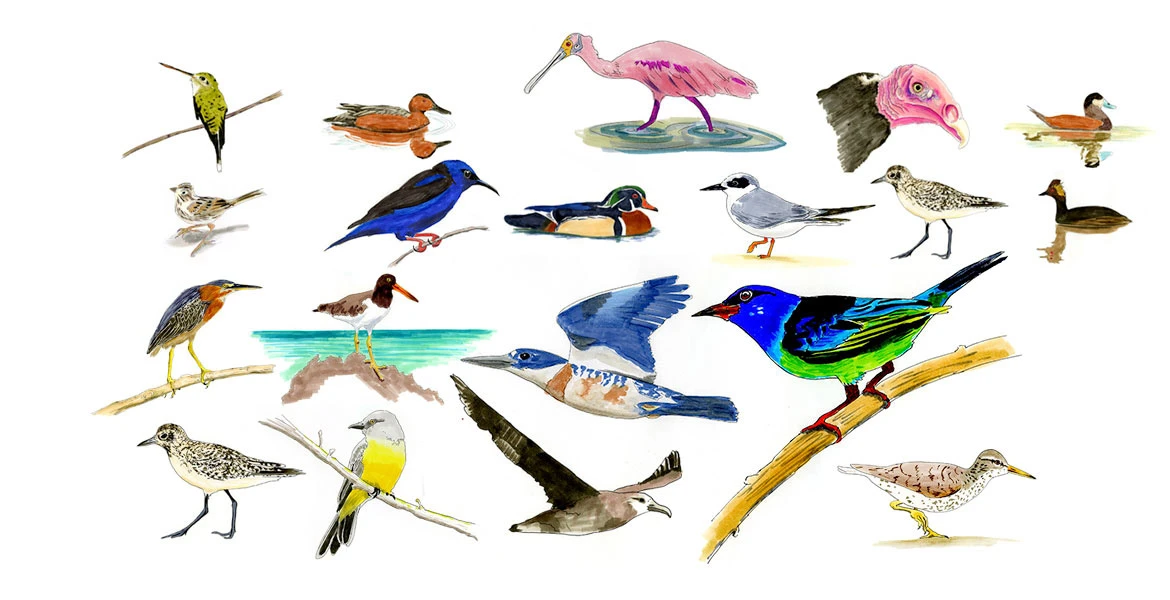
Have you ever stopped to wonder why there are so many different kinds of birds? From the tiny hummingbird to the majestic eagle, the variety is truly amazing.
But what makes birds so diverse, and why do they come in so many shapes, sizes, and colors? If you’re curious about the secrets behind this incredible diversity, keep reading. You’ll discover fascinating reasons that explain why the bird world is bursting with so many unique species—and how this richness affects your connection to nature every day.
Evolutionary Origins
Understanding why there are so many bird species starts with looking at their evolutionary origins. Birds didn’t just appear overnight; their diversity is the result of millions of years of change and adaptation. Tracing back their history reveals how different environments and survival challenges shaped the vast variety of birds you see today.
The Age Of Birds
Birds first appeared around 150 million years ago during the late Jurassic period. They evolved from small, feathered dinosaurs, which means their roots go deep into prehistoric times. This long history gave birds plenty of time to diversify into the many species we know.
Imagine the world back then—vast forests, different climates, and plenty of opportunities for birds to explore new ways of living. Over millions of years, they adapted wings for flight, beaks for various diets, and feathers for insulation and display. These changes laid the foundation for the incredible variety of birds today.
Adaptive Radiation
Adaptive radiation is a key process that explains bird diversity. When birds encounter new environments with little competition, they rapidly evolve to fill different roles. This leads to the creation of many new species, each adapted to a specific lifestyle.
Consider the famous example of Darwin’s finches in the Galápagos Islands. Each finch species developed unique beak shapes to eat different types of food like seeds, insects, or even blood. This shows how quickly birds can change to survive in new conditions.
Are there places near you where birds show surprising variety? Watching how species differ in size, color, or behavior can give you a front-row seat to evolution in action. Your backyard could be a mini-lab of natural selection and adaptation.
Diverse Habitats
Birds live in many different places across the world. These places offer unique conditions and resources. Because of this, birds have adapted to fit many environments. This variety helps explain why there are so many bird species. Diverse habitats provide food, shelter, and breeding grounds that suit different bird needs.
Forests And Woodlands
Forests and woodlands are rich in trees and plants. They offer many layers, from the ground to the canopy. Birds find plenty of food like insects, seeds, and fruits. Trees provide nesting spots and protection from predators. These areas support a wide range of bird sizes and shapes. Many songbirds, woodpeckers, and owls thrive here.
Wetlands And Waterways
Wetlands include marshes, swamps, and riverbanks. These areas are full of water and plants. Birds here rely on fish, amphibians, and aquatic insects for food. Wetlands serve as important breeding and resting places. Wading birds, ducks, and herons are common in these habitats. Wetlands also help birds during long migrations.
Deserts And Grasslands
Deserts and grasslands have fewer trees and less water. Birds in these areas adapt to heat and dry conditions. They eat seeds, insects, and small animals. Many ground-nesting birds live here to avoid heat. Hawks, sparrows, and larks often inhabit these open spaces. These habitats challenge birds to survive with limited resources.
Adaptations And Specializations
Bird species have evolved a remarkable range of adaptations and specializations that allow them to thrive in different environments. These unique traits help explain why there is such a vast diversity among birds. Understanding these adaptations can give you a deeper appreciation of how birds survive and flourish in your own backyard or faraway wilderness.
Beak Variations
Bird beaks come in many shapes and sizes, each suited to specific diets and lifestyles. Some have sharp, hooked beaks to tear flesh, while others have long, slender beaks perfect for extracting nectar from flowers.
Think about the difference between a woodpecker’s chisel-like beak and a pelican’s pouch-equipped bill. These variations allow birds to exploit different food sources without competing directly, promoting species diversity.
Feather Functionality
Feathers aren’t just for flight or warmth—they serve multiple roles that vary across species. Some birds have waterproof feathers to survive rainy climates, while others have bright plumage used for attracting mates or camouflaging from predators.
Have you noticed how owls have soft-edged feathers that help them fly silently? Such specialized feathers give them a hunting advantage, showing how small changes can make a big difference in survival.
Migration Patterns
Migration is another key specialization that separates bird species. Some travel thousands of miles between breeding and wintering grounds, while others stay put year-round.
These migration strategies reflect how birds adapt to seasonal changes and resource availability. Could your local birds be part of a vast journey you never knew about? Paying attention to migration can reveal hidden connections in nature.
Role Of Isolation
Isolation plays a key role in creating many bird species. It stops birds from mixing with others. This separation allows them to change over time in unique ways. Different groups adapt to their own environments. This leads to new types of birds.
Geographic Barriers
Mountains, rivers, and deserts can divide bird populations. These barriers block birds from traveling freely. Birds on one side face different conditions than birds on the other side. This causes each group to develop distinct traits. Over many generations, new species form.
Island Evolution
Islands are natural laboratories for bird evolution. Birds that reach islands often stay isolated. They adapt to new food sources and habitats. Without competition from mainland birds, they evolve unique features. Islands often have many bird species found nowhere else on Earth.
Climate Influence
Climate plays a huge role in shaping the variety of bird species around the world. Different climates create unique habitats and food sources that encourage birds to adapt in many ways. Understanding how climate influences bird diversity can help you appreciate why some regions are bird hotspots while others have fewer species.
Tropical Diversity
Tropical regions, with their warm temperatures and consistent rainfall, support an incredible number of bird species. These areas offer abundant food year-round, allowing birds to specialize in narrow niches. You might notice vibrant parrots, hummingbirds, and toucans thriving here due to the steady climate.
Think about a trip to the Amazon rainforest. You’ll find so many bird species that each one seems to have a unique role. This specialization happens because the stable tropical climate reduces stress on survival, letting birds evolve diverse traits.
- Steady temperatures encourage year-round breeding.
- Rich plant life offers varied food sources.
- Complex forest layers create many habitats.
Impact Of Climate Change
Climate change is shaking up bird diversity in many ways. Rising temperatures and shifting weather patterns force birds to move or adapt quickly. You might have seen reports of birds appearing in places they never lived before.
Some species struggle to find food or suitable nesting spots as their habitats change. This makes you wonder: How will bird diversity look in the next few decades? Your actions today can influence the survival of many bird species.
- Bird migration patterns are shifting earlier or later.
- Some birds expand their range toward cooler areas.
- Others face population declines due to habitat loss.
By paying attention to these changes, you can support conservation efforts that protect birds and their habitats. What small changes can you make to help preserve bird diversity in your area?

Credit: www.allaboutbirds.org
Human Impact
Human activities play a big role in shaping bird species diversity. The way people change the land and use resources affects birds deeply. Some changes hurt bird populations, while others help protect them. Understanding human impact helps explain why there are so many bird species today.
Habitat Destruction
Cutting down forests and building cities reduce bird homes. Many birds lose places to live and find food. Wetlands and grasslands also shrink from farming and industry. This destruction causes some birds to disappear. Others must move to new areas and adapt quickly. Habitat loss is one of the main threats to bird diversity.
Conservation Efforts
People work hard to save bird species and their habitats. Protected parks and reserves give birds safe places. Laws limit hunting and trading of rare birds. Programs raise awareness and teach people about birds. Breeding programs help bring back endangered species. These efforts slow down losses and help birds thrive again.
Birds In Culture
Birds have fascinated humans for thousands of years. They appear in art, stories, and traditions around the world. Their colors, songs, and behaviors inspire many cultures. The variety of birds adds rich meaning to human life. People see birds as symbols, messengers, or spirits. Their presence connects nature with culture deeply.
Symbolism And Mythology
Birds often represent ideas in myths and legends. Different birds stand for different meanings. For example:
- Doves symbolize peace and hope.
- Eagles represent strength and freedom.
- Owls are linked to wisdom and mystery.
Many ancient cultures believed birds could carry messages from gods. Stories about birds teach lessons and explain nature. These meanings vary across countries and communities. Birds also appear in religious ceremonies and art. Their symbolic roles keep cultures connected to their past.
Birdwatching And Ecotourism
Birdwatching is a popular hobby worldwide. People travel to see rare and colorful birds. This activity supports ecotourism and local economies. It helps protect bird habitats and wildlife. Birdwatchers learn about different species and their needs.
Ecotourism encourages respect for nature. It promotes conservation and education. Watching birds brings joy and peace to many. This bond between humans and birds grows stronger every day.

Credit: www.wildlifenomads.com
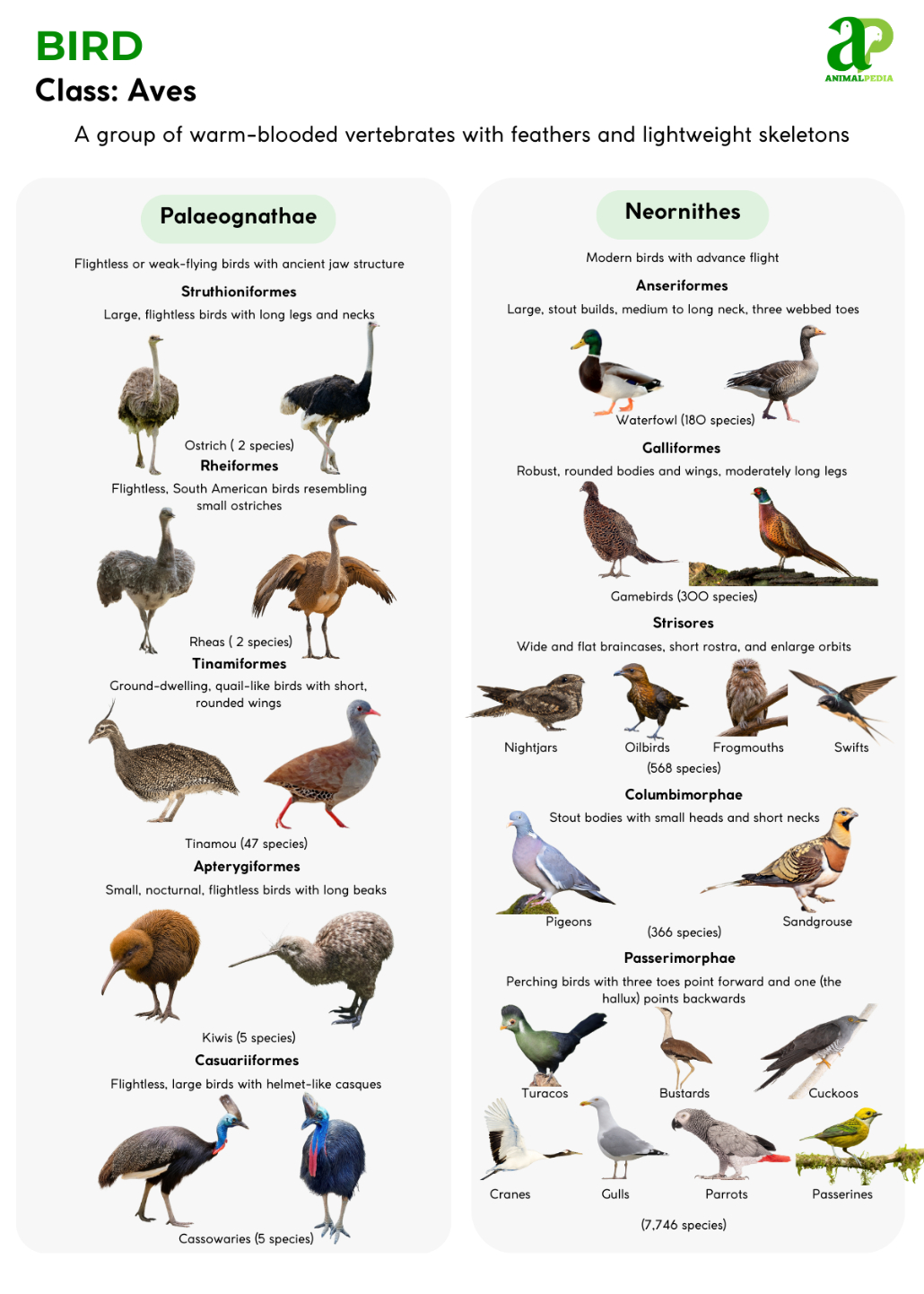
Credit: animal-pedia.org
Frequently Asked Questions
Why Do So Many Bird Species Exist Worldwide?
Bird species diversity arises from millions of years of evolution. Different environments and climates promote unique adaptations. Geographic isolation and ecological niches drive speciation. This leads to a wide variety of birds, each suited to specific habitats and lifestyles.
How Does Habitat Diversity Affect Bird Species Numbers?
Varied habitats offer different resources and challenges. Birds adapt to forests, deserts, wetlands, and mountains uniquely. These adaptations encourage species to evolve separately. Habitat diversity directly increases the number of bird species.
What Role Does Evolution Play In Bird Species Variety?
Evolution through natural selection shapes bird traits. Mutations and genetic variations help birds survive better. Over time, these changes create new species. Evolution is the key process behind bird diversity.
How Does Geographic Isolation Lead To New Bird Species?
When bird populations are separated by barriers, they evolve independently. This isolation limits gene flow, causing species to diverge. Geographic isolation is a major driver of speciation in birds.
Conclusion
Birds have many species because they adapt to different places. Each species finds its own way to live and survive. Nature changes, so birds change too. This helps them spread across the world. Their colors, songs, and habits also grow unique.
More species mean more balance in nature. Birds show us how life changes and stays strong. Watching them helps us understand the world better. The variety of birds makes nature rich and alive. It reminds us to protect the places they call home.