
Have you ever wondered which birds actually have a penis? It might surprise you, but not all birds do.
This little-known fact can change how you see these creatures forever. If you’re curious about nature’s secrets and want to learn something truly fascinating, keep reading. You’ll discover which species break the norm and why this matters to your understanding of the animal world.
Get ready to be amazed!

Credit: www.reddit.com
Bird Reproductive Anatomy
Bird reproductive anatomy varies widely across species. Most birds lack a penis. Instead, they use a simple opening called the cloaca. The cloaca serves as the exit for eggs, sperm, and waste. During mating, birds press their cloacas together in a “cloacal kiss.” This allows sperm transfer without a penis.
Some birds, however, have a penis. This organ is usually soft and retractable. It helps deliver sperm directly to the female’s reproductive tract. The presence of a penis depends on the species’ evolutionary path and mating habits.
Birds Without A Penis
Most bird species fall into this group. Examples include:
- Songbirds
- Raptors
- Parrots
- Hummingbirds
These birds rely on the cloacal kiss for reproduction. Their mating process is quick, often lasting just a few seconds.
Birds With A Penis
Some birds evolved a penis for reproduction. These species include:
- Ducks and geese
- Swans
- Ratites like ostriches and emus
- Some waterfowl
The penis in these birds varies in size and shape. It helps with internal fertilization, especially in aquatic environments.
Why Do Some Birds Have A Penis?
Environmental and behavioral factors influence penis development. Waterfowl face challenges during mating in water. A penis helps maintain contact and ensures sperm transfer. In contrast, land birds usually do not need a penis. Their mating is simpler and faster.
Unique Features Of Bird Penises
| Feature | Description |
|---|---|
| Size | Varies greatly; some can be longer than the bird’s body |
| Shape | Spiral or corkscrew in some species |
| Material | Mostly soft tissue, can become rigid when erect |
| Retractability | Usually retracts inside the body when not in use |
Credit: www.discovermagazine.com
Birds With Penises
Not all birds are created equal when it comes to anatomy. While many bird species reproduce without a penis, some do have this organ, and it plays a crucial role in their mating process. Understanding which birds have penises can change how you view bird behavior and evolution.
Waterfowl
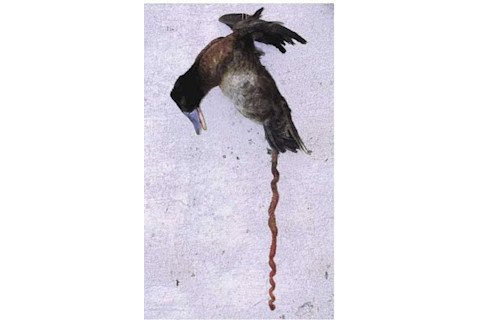
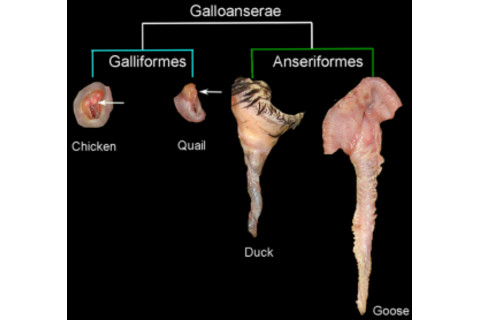
Waterfowl, such as ducks, geese, and swans, are the most well-known birds with penises. These birds have a unique reproductive organ that can be quite long and spiraled. The male duck’s penis, for example, can be up to 20 centimeters long, which is impressive given their body size.
This trait is linked to their mating habits, which often involve forced copulation. The penis helps males maintain contact during mating in watery environments. Have you ever wondered why some ducks have such complex genitalia compared to other birds?
Ratites
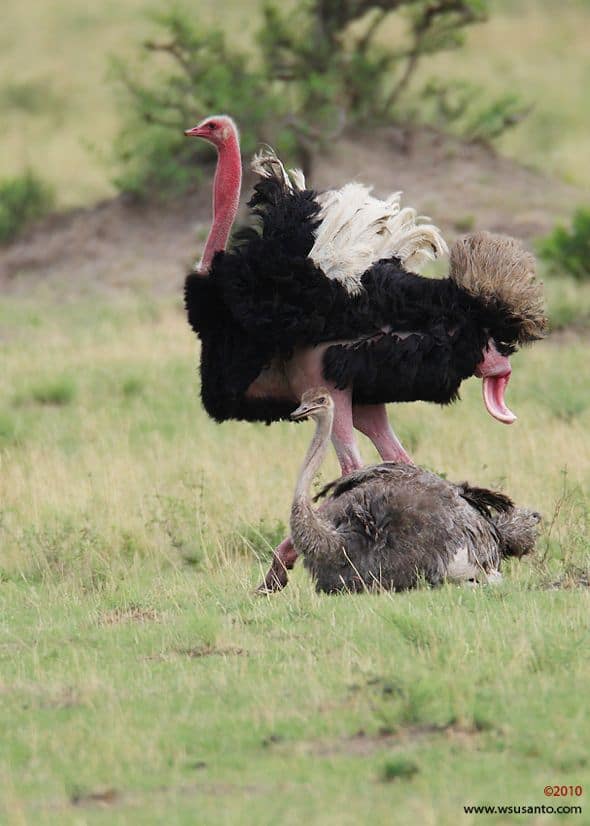
Ratites are large, flightless birds like ostriches, emus, and rheas. Unlike most birds, ratites have a penis, which helps during mating. Ostriches, for instance, have a large, muscular penis that can reach up to 20 centimeters.
These birds rely on internal fertilization, which requires this organ. If you’ve seen how ostriches mate, you might notice the importance of the penis in ensuring successful reproduction in these heavy birds.
Other Notable Species
Beyond waterfowl and ratites, some other bird species have penises, although it’s much rarer. For example, certain species of grebes and tinamous possess this organ, but it’s usually smaller and less complex.
Birds like songbirds and raptors typically do not have penises and reproduce through a “cloacal kiss.” Why do you think evolution favored the presence of a penis in only some bird groups? It highlights how diverse bird reproductive strategies are, shaped by their unique environments and behaviors.
Unique Penile Structures
The diversity of bird anatomy extends beyond feathers and beaks. Some bird species have developed truly unique penile structures that differ greatly from what you might expect. These adaptations serve various reproductive purposes and reveal fascinating evolutionary paths.
Corkscrew Shape
One of the most unusual penile shapes in birds is the corkscrew design. This twisted form is found in species like the waterfowl family, including ducks and geese.
The corkscrew shape fits perfectly with the female’s equally complex reproductive tract. This matching design helps ensure successful fertilization, even in competitive mating environments.
Have you ever wondered how such a bizarre shape evolved? It turns out, sexual conflict and competition drive these intricate adaptations.
Size Variations
Bird penises vary dramatically in size, from nearly invisible to surprisingly large relative to body size. For example, some ducks have penises that can extend longer than their entire body length.
Size differences can influence mating success, especially in species where males compete fiercely for females. Larger size might give an advantage, but it also comes with costs like increased energy to maintain and risk of injury.
Understanding these size variations challenges you to think about the balance between reproductive benefits and physical limitations in nature.
Evolutionary Insights
Understanding which bird species have a penis offers fascinating evolutionary insights. Most birds lost their penises over millions of years. This change did not happen randomly. It reflects specific survival and reproduction strategies. Studying these patterns reveals why some birds still have penises today.
Loss Of Penis In Most Birds
Most birds do not have a penis. Instead, they reproduce using a simple “cloacal kiss.” This involves pressing their cloacas together to transfer sperm. The loss of the penis happened early in bird evolution. It likely helped reduce the risk of infection and injury during mating. Birds like songbirds, pigeons, and parrots follow this method.
Adaptive Reasons
Birds with penises usually live in water or need quick mating. Ducks and geese have long, sometimes spiral-shaped penises. This helps them mate efficiently in water, where cloacal contact is difficult. A penis can also help in species with aggressive mating habits. It ensures sperm reaches the female despite competition. These traits show how evolution shapes reproductive organs based on environment and behavior.
Mating Behaviors
Bird mating behaviors show unique adaptations across species. Some birds have penises, while others do not. These differences influence how they attract mates and reproduce. Understanding their mating rituals reveals fascinating natural diversity.
Courtship Rituals
Birds use visual and vocal displays to attract partners. Males often perform dances or show bright feathers. These actions signal health and strength. Some species build elaborate nests or offer gifts. Courtship can last from minutes to weeks.
Species with penises may use extra displays to prepare for mating. These include specific calls or movements. The goal is to gain the female’s acceptance.
Copulatory Practices
Bird species with penises have distinct mating methods. The penis helps ensure sperm transfer inside the female. This reduces the risk of sperm loss during mating.
In contrast, most birds without penises perform a “cloacal kiss.” They briefly touch cloacas to pass sperm.
Birds with penises often have quick and precise copulation. This process may last only a few seconds. It helps avoid predators and interruptions.
Credit: www.discovermagazine.com
Scientific Studies And Discoveries
Scientific studies have uncovered fascinating facts about bird anatomy. Researchers have explored which bird species have a penis and why. These discoveries challenge old beliefs about bird reproduction. Research continues to evolve with new findings and better tools.
Recent Research
Recent studies reveal that many bird species possess a penis. Ducks and geese are well-known examples with a visible organ. Scientists found that around 3% of bird species have a penis. Most birds reproduce without one, using cloacal kissing instead.
Researchers study the size, shape, and function of bird penises. They discovered these organs vary widely among species. Some have long, spiral-shaped penises while others have short, simple ones. These differences relate to mating habits and evolutionary pressures.
Technological Advances In Study
New technology helps scientists study bird reproduction in detail. High-resolution imaging reveals the structure of bird penises without harm. MRI and CT scans create 3D images for better analysis.
Genetic studies identify genes linked to penis development in birds. These tools help explain why some birds lost their penis over time. Technology allows for non-invasive observation of live birds during mating. This gives clearer insight into reproductive behaviors and anatomy.
Frequently Asked Questions
Which Bird Species Have A Penis?
Only about 3% of bird species, mainly waterfowl like ducks, geese, and swans, have a penis. Most birds reproduce using a cloacal kiss, where they briefly touch cloacas to transfer sperm.
Why Do Some Birds Have A Penis?
Birds with a penis often live in aquatic environments. It helps them mate efficiently in water, preventing sperm loss and improving fertilization success.
Do All Male Birds Have A Penis?
No, most male birds do not have a penis. Only a few species, especially waterfowl and some ratites, possess one, while others rely on cloacal contact for reproduction.
How Does The Bird Penis Differ From Mammals?
The bird penis is usually smaller and less complex than mammals’. It is often corkscrew-shaped in ducks and retractable to avoid damage.
Conclusion
Bird species vary greatly in their anatomy and behavior. Some birds, like ducks and geese, have a penis, while most do not. This difference helps them with reproduction in unique ways. Understanding these traits reveals nature’s diversity and creativity. Birds continue to surprise us with their special features.
Learning about them makes the world more interesting. Keep exploring and observing the amazing animal kingdom.