
Have you ever wondered why some birds don’t have legal protection, even though they face dangers in the wild? It might surprise you to learn that not all birds are treated equally when it comes to conservation laws.
This can affect the balance of nature and your experience with wildlife. Understanding why certain birds are considered unprotected species can help you see the bigger picture behind wildlife policies and why your awareness matters. Keep reading to uncover the reasons behind this surprising reality and what it means for you and the environment.
Factors Leading To Unprotected Status
Understanding why some birds remain unprotected requires looking at key factors that influence their status. These factors often involve complex interactions between the birds’ environment and human activities. By examining these issues closely, you can see why certain species don’t receive legal protection despite their importance in ecosystems.
Habitat Loss
Habitat loss is a major reason some birds are not protected. When natural areas shrink due to farming, urban growth, or logging, birds lose crucial places to live and breed.
However, some birds adapt quickly to new environments, even thriving in cities or farmlands. This adaptability often leads authorities to overlook their need for protection, assuming their populations are stable.
Have you noticed pigeons or sparrows flourishing in your neighborhood? Their success can sometimes mask the struggles of less visible species that share the same habitats.
Overpopulation Concerns
Some birds are considered unprotected because their populations are very large and stable. When a species becomes overly abundant, it can disrupt ecosystems or compete with other wildlife.
For example, starlings and gulls often outnumber other birds, causing problems for agriculture or native species. Authorities might avoid protecting them to manage these imbalances.
Do you think protecting a bird that causes crop damage or spreads diseases is practical? This question often influences decisions about which birds receive legal safeguards.
Human-wildlife Conflicts
Conflicts between birds and humans frequently affect protection status. Birds that damage property, threaten livestock, or interfere with human activities are less likely to be protected.
Take crows and pigeons, for instance. They can carry diseases or cause noise and mess, leading to negative public opinion. This pressure often results in relaxed protections or even control measures.
How would you balance the needs of wildlife with your own daily life? This challenge is at the heart of why some birds remain unprotected despite their ecological roles.
Economic Impacts
Some birds are seen as unprotected due to the economic harm they cause. Their presence can affect farmers and local businesses. Understanding these impacts explains why protections may be limited. Economic factors often weigh heavily in wildlife management decisions.
Agricultural Damage
Birds can damage crops by eating seeds, fruits, and grains. This leads to lower harvests and loss of income for farmers. Some species gather in large flocks, increasing the damage. Farmers spend money on nets, scarecrows, and other deterrents. These costs add up and reduce profits. Crop damage is a key reason some birds lack legal protection.
Impact On Local Economies
Bird-related crop losses affect entire communities. Reduced farm output means less money circulates locally. Markets may face higher prices due to lower supply. Some towns rely heavily on agriculture for jobs and income. When birds hurt crops, workers face job risks. This economic strain influences policies on bird protection and control.
Ecological Consequences
Understanding the ecological consequences of leaving some bird species unprotected reveals how fragile natural balances can be. These birds often play crucial roles in their habitats, and their decline or unchecked growth can cause ripple effects through entire ecosystems. You might not realize how much your local environment depends on these birds until you see what happens when their populations shift dramatically.
Disruption Of Ecosystems
Birds contribute to seed dispersal, pollination, and nutrient cycling. When certain species lack protection, their numbers can plummet, disrupting these vital processes.
For example, fruit-eating birds help plants spread seeds far and wide. Without them, some plants may fail to reproduce effectively, altering plant community structures.
Have you noticed fewer flowers or fewer young trees in your area? It could be linked to the decline of these bird species.
Predator-prey Imbalances
Birds often act as both predators and prey, maintaining a natural balance. If unprotected species disappear, predators might lose a food source, or prey populations could explode unchecked.
Take insect-eating birds—without them, insect populations can surge, leading to crop damage and ecosystem strain. On the other hand, if predatory birds grow too abundant without checks, they might overhunt smaller animals.
Consider how this imbalance could affect your garden or local wildlife. Would you be prepared to handle sudden increases in pests or loss of certain animals?

Credit: www.birdwatchingdaily.com
Legal Frameworks And Policies
Understanding why some birds are considered unprotected requires a close look at the legal frameworks and policies that govern wildlife conservation. Laws shape which species receive protection and which do not, often based on ecological, economic, and social factors. These frameworks create a complex environment where some birds slip through the cracks of protection.
Wildlife Protection Laws
Wildlife protection laws define which animals are safeguarded under national and international regulations. These laws often focus on species that are endangered or have significant ecological roles. For example, the Migratory Bird Treaty Act in the United States protects many bird species, but it does not cover every bird found in the country.
These laws set the rules for hunting, trading, and habitat destruction. They also provide penalties for violations, aiming to deter harmful activities. However, protection is usually reserved for species recognized as vulnerable or threatened, leaving others unprotected by default.
Exceptions And Loopholes
Legal protections are not always straightforward. Some birds are excluded due to their population numbers or perceived impact on human activities. For instance, species considered pests or invasive may be deliberately left unprotected to allow population control.
Loopholes in legislation can also create gaps in protection. A bird might be protected in one state but not in another, or the law might not cover certain habitats. Have you ever wondered why some birds are hunted legally while others are not, even if they look similar? These inconsistencies often stem from such exceptions.
Understanding these legal nuances is crucial if you want to advocate effectively for bird conservation. Knowing where the laws fall short can help you push for better protections and make a real difference in preserving bird populations.
Conservation Efforts And Challenges
Conservation efforts for birds face many challenges. Some species lack legal protection due to unclear population data or limited public awareness. Protecting these birds needs teamwork between experts and communities. Efforts focus on habitat preservation, research, and education. Challenges include funding shortages and habitat loss caused by human activities. Understanding the roles of different groups helps improve conservation outcomes.
Role Of Conservation Organizations
Conservation organizations lead many protection projects. They study bird populations and habitats carefully. These groups create plans to protect vulnerable species. They also work with governments to pass wildlife laws. Many organizations run breeding programs for endangered birds. They educate the public about the importance of birds. Research by these groups helps identify threats early. Their efforts guide policies for better bird protection.
Community Involvement
Local communities play a big role in bird conservation. People can report sightings and protect nesting areas. Community groups organize clean-ups and plant trees. Education programs help locals understand why birds matter. Involving residents creates a sense of responsibility. Many successful projects rely on community support. Sharing knowledge helps reduce harmful activities near bird habitats. Active participation strengthens conservation actions on the ground.

Credit: www.allaboutbirds.org
Controversies And Ethical Concerns
Controversies and ethical concerns often surround the classification of some birds as unprotected species. These issues raise questions about how humans value wildlife and balance nature conservation with economic and social interests. The debate involves complex decisions that affect both bird populations and human communities.
Ethical Dilemmas In Wildlife Management
Wildlife managers face tough choices when protecting certain bird species. Some birds damage crops or spread diseases. Protecting them may harm farmers and local economies.
Deciding which species deserve protection involves weighing their ecological role against human needs. Sometimes, birds seen as pests are left unprotected to reduce conflicts. This raises ethical questions about fairness and animal rights. How much harm justifies removing protection?
Public Perception And Misconceptions
Many people view some birds as nuisances rather than valuable wildlife. Misunderstandings about a bird’s behavior or impact influence public opinion. Negative views can lead to pressure on authorities to deny protection.
Education gaps cause myths and fear about certain birds. This affects policies and conservation efforts. Clear, accurate information is crucial for fair treatment. Changing perceptions can help protect unprotected species in the future.
Case Studies Of Unprotected Bird Species
Some bird species remain unprotected due to complex environmental and human factors. Studying specific cases helps us understand why certain birds do not receive legal protection. These examples show the challenges faced by birds outside conservation laws.
Invasive Species Examples
Invasive species often outcompete native birds for food and space. The European Starling, introduced in North America, pushes out many native birds. These invasive birds adapt quickly and breed fast. Native species lose habitat and nesting sites. Authorities may not protect invasive birds despite their impact.
Another example is the Common Myna in Australia. It spreads rapidly and harms local bird populations. Protection laws rarely cover invasive birds because they are not endangered. This lack of protection allows invasives to dominate ecosystems.
Impact Of Urbanization
Urban areas create harsh conditions for many bird species. Some birds adapt well, but others struggle to survive. Birds like pigeons thrive in cities and are not protected by law. Their numbers grow large, causing conflicts with humans.
Urbanization reduces natural habitats and food sources. Birds dependent on forests or wetlands lose homes. Species that cannot adapt quickly remain unprotected and decline. City development often ignores the needs of these vulnerable birds.
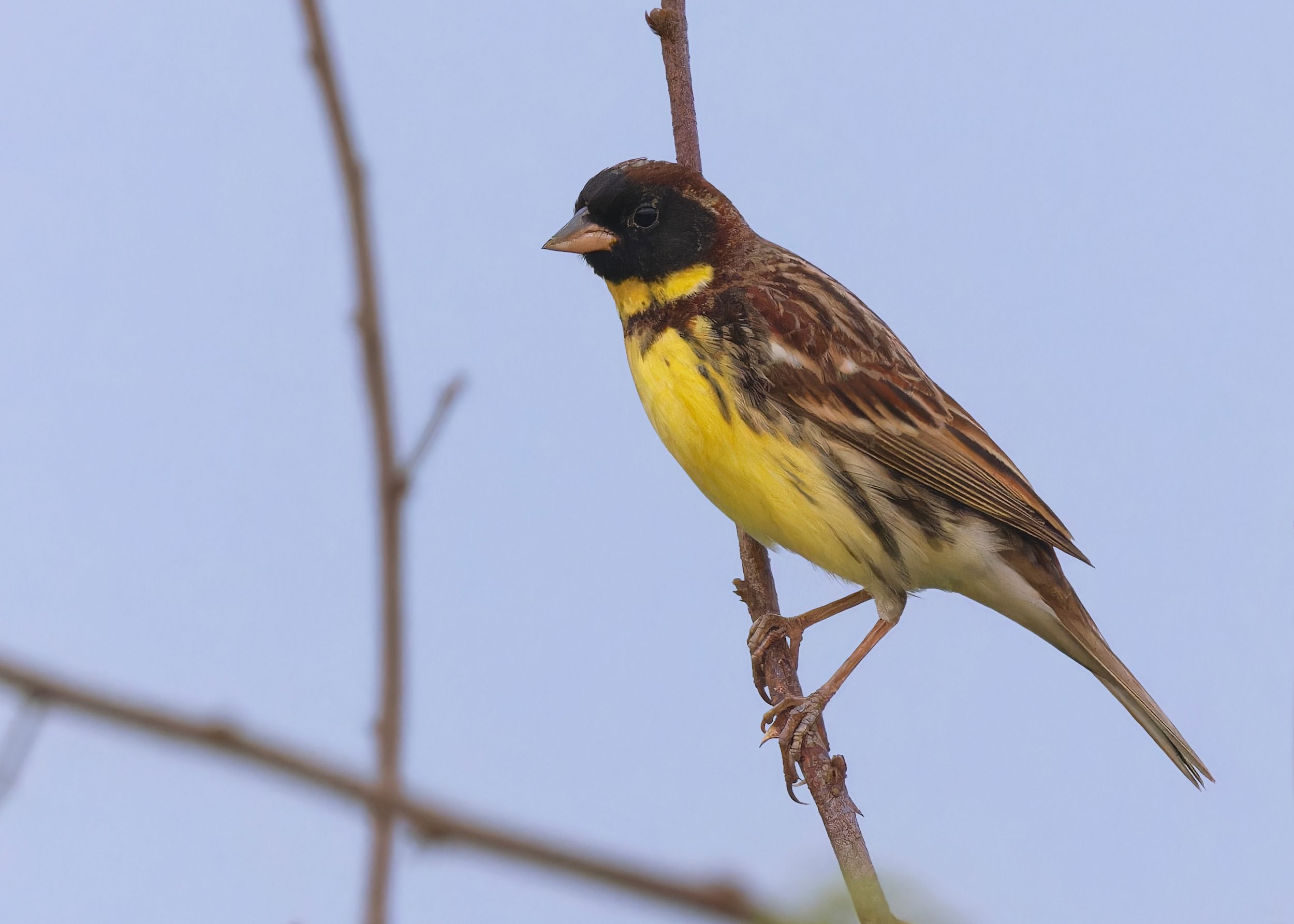
Credit: datazone.birdlife.org
Frequently Asked Questions
Why Are Some Birds Not Legally Protected?
Some birds lack legal protection because they are abundant, pose no threat, or have stable populations. Laws prioritize endangered or vulnerable species to allocate conservation resources effectively.
How Does Population Status Affect Bird Protection?
Birds with stable or increasing populations often remain unprotected. Conservation efforts focus on species at risk of extinction or significant decline to prevent biodiversity loss.
What Factors Determine Bird Protection Status?
Protection depends on population trends, habitat threats, ecological importance, and human impact. Authorities assess these factors to decide which bird species need legal safeguards.
Can Unprotected Birds Face Conservation Risks?
Yes, unprotected birds can face risks like habitat loss and pollution. Lack of legal protection may delay conservation actions until populations decline significantly.
Conclusion
Some birds remain unprotected due to their large populations. They do not face immediate threats like other species. Laws focus on animals at greater risk of extinction. Yet, unprotected birds still need respect and care. People can help by learning and supporting wildlife.
Protecting habitats benefits all birds, protected or not. Awareness can lead to better choices for nature. Small actions from many can make a big difference. Birds bring beauty and balance to the world. Let’s appreciate them, no matter their protection status.