
Have you ever wished you could have a conversation with a bird? Imagine the surprise of hearing a feathered friend actually talk back to you!
Some bird species have the incredible ability to mimic human speech and sounds, turning them into fascinating companions. If you’ve ever wondered which birds can truly talk and what makes them so special, this article is made just for you.
Get ready to discover the amazing world of talking birds and find out how they might brighten your life with their unique voices. Keep reading—you won’t want to miss a single word!
Parrots: Nature’s Chatterboxes
Parrots are often called nature’s chatterboxes for a good reason. Their ability to mimic human speech and sounds sets them apart in the bird world. If you’ve ever spent time around a talking parrot, you know how engaging and surprising their conversations can be.
These birds don’t just repeat words—they respond and interact, making them feel like true companions. Have you ever wondered which parrot species are the best talkers? Let’s look closer at some of the most remarkable ones.
African Grey Parrots
African Grey Parrots are famous for their impressive vocabulary and clear speech. They can learn hundreds of words and even use them in context, which is rare among birds.
What makes them stand out is their ability to understand the meaning behind words. Owners often share stories of their African Greys asking for treats or calling family members by name. This species is ideal if you want a parrot that feels like a true conversational partner.
Budgerigars
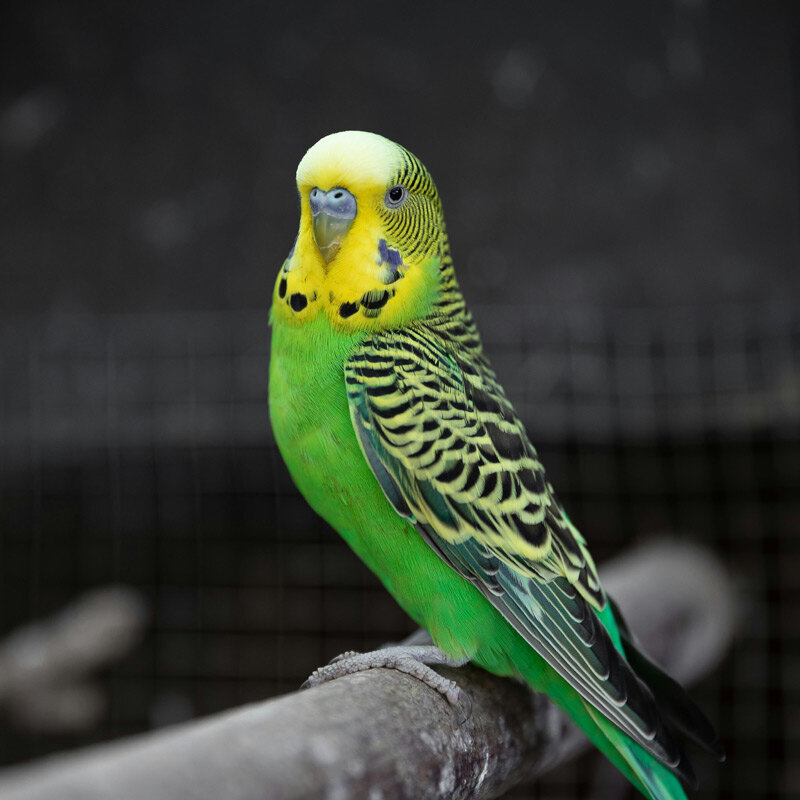
Budgerigars, or budgies, might be small, but they pack a big talking ability. These little birds pick up words quickly and can develop surprisingly clear speech.
Many budgie owners enjoy teaching their birds simple phrases and songs. Their playful nature makes the learning process fun and interactive. Have you tried teaching a budgie to say your favorite phrase yet?
Amazon Parrots
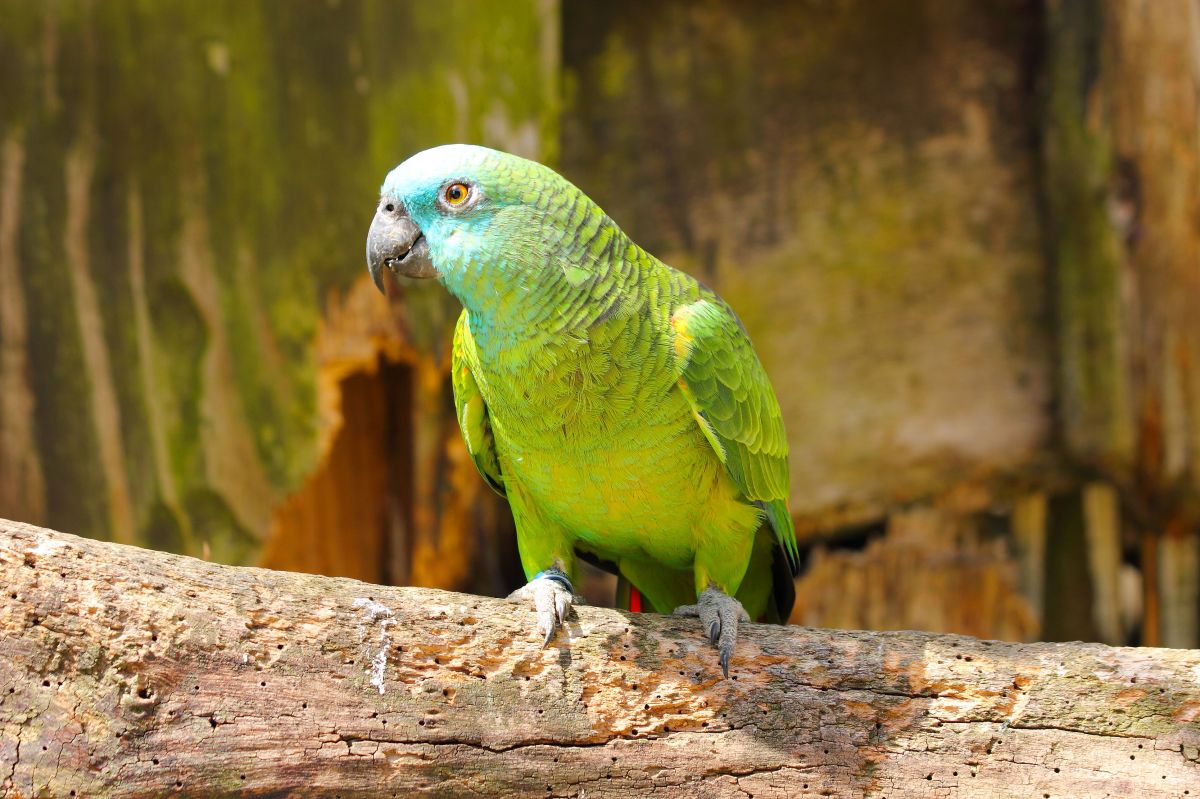
Amazon Parrots are known for their loud, clear voices and excellent mimicry skills. They often have a playful personality that makes talking with them entertaining.
These parrots can imitate not just words but also sounds like whistles and household noises. If you want a bird that adds life and humor to your home, an Amazon Parrot might be the perfect choice.

Credit: birdsnways.com
Mynas: Vocal Mimics
Mynas are famous for their ability to mimic sounds. These birds copy human speech and other noises with amazing clarity. Their vocal skills make them stand out among talking birds. Mynas use their mimicry to communicate and interact with their environment. They are intelligent and social, often found in groups. Their voices can include whistles, clicks, and even mechanical sounds.
Common Hill Mynas
Common Hill Mynas are the best-known mimics among mynas. They have bright black feathers with white wing patches. Their loud, clear calls sound almost like human speech. Hill mynas can learn many words and phrases quickly. They use varied tones and rhythms to make their speech more natural. These birds are popular pets because of their talking ability. In the wild, they live in forests and hills of South Asia.
Indian Mynas
Indian Mynas are widespread and easily recognized by their brown bodies and yellow eye patches. Their voice is less clear than hill mynas but still impressive. Indian mynas mimic other bird calls and human sounds well. They adapt to urban areas, often seen near people. Their social nature helps them learn new sounds fast. These birds use mimicry to warn others and attract mates.
Crows And Ravens: Unexpected Talkers
Crows and ravens are often seen as symbols of mystery and intelligence. Few know these birds can mimic sounds and even human speech. Their ability to “talk” surprises many. These birds are not just cawing; they communicate with complex sounds. Understanding their vocal skills reveals how smart these birds truly are.
American Crows
American crows are clever birds found across North America. They use a wide range of sounds to communicate. These birds can imitate human words and other noises they hear. They learn by listening carefully to their surroundings. American crows use their talking skills to interact with other crows. Their voices can express alarm, joy, or curiosity. Some people even teach them simple words and phrases. This ability makes them fascinating pets and wild birds alike.
Common Ravens
Common ravens are larger and often seen alone or in pairs. They have a deep, rich voice with many calls. Ravens can copy human speech, whistles, and other sounds. They use these sounds to communicate with each other and humans. Ravens are known for their problem-solving skills and social intelligence. Their talking ability adds to their reputation as one of the smartest birds. Observing ravens shows how they use sounds to share information and emotions.
Cockatoos: Charming Conversationalists
Cockatoos stand out as some of the most charming conversationalists in the bird world. These intelligent and social birds don’t just mimic sounds—they engage with you in ways that feel truly personal. If you’ve ever spent time with a cockatoo, you know how their playful chatter can brighten a room and spark genuine connection.
Sulphur-crested Cockatoos
Sulphur-crested Cockatoos are known for their loud calls and impressive ability to mimic human speech. Their bright yellow crest isn’t just for show—it often rises when they’re excited or trying to get your attention. These birds can learn a variety of words and phrases, sometimes surprising their owners with unexpected vocabulary.
One Sulphur-crested Cockatoo I met quickly learned to say “hello” and “want a treat?” It was fun to watch how the bird used these phrases at just the right moments, almost like it understood the context. Do you think your own bird could pick up on your daily routine and join in the conversation?
Galah Cockatoos
Galah Cockatoos are equally charming but bring a different energy to the conversation. Their soft pink and grey feathers match their gentle and curious nature. Though not as loud as Sulphur-crested Cockatoos, Galahs are quick learners and often use their voices to express emotions or respond to their owners.
Galahs often surprise people by repeating words with a sweet tone, which makes their mimicry feel more like a friendly chat than a mechanical repeat. If you’re patient and consistent, your Galah might become your favorite talkative companion. Have you noticed how some birds seem to understand more than just words?
Magpies: Whistling Wonders
Magpies are known as whistling wonders for their unique ability to mimic sounds. These birds have a rich, varied song that catches the ear. They can imitate other birds and even human noises. Their vocal skills make them stand out in the bird world.
Australian Magpies
Australian magpies are famous for their complex songs. They combine whistles, warbles, and clicks in their calls. These birds use sounds to communicate with their group. They can mimic car alarms and human speech. Their ability to learn new sounds helps them adapt well to cities.
Eurasian Magpies
Eurasian magpies have a different style of vocalization. Their calls are sharp, clear, and often repeated. They use short whistles and chattering sounds. These birds can copy other animals and some human voices. Their talking skills are less flashy but still impressive.
Factors Influencing Bird Speech
Understanding what makes some birds talk involves more than just knowing their species. Several key factors influence a bird’s ability and willingness to mimic human speech. These factors shape how effectively birds communicate and connect with their human companions.
Environment And Social Interaction
Birds are highly social creatures, and their environment plays a big role in their speech development. A bird living in a lively, interactive setting is more likely to pick up words and sounds. Isolation or a dull environment can limit their vocal growth.
Think about your own experience with language—interaction sparks learning. Birds learn best when they hear diverse sounds frequently and feel part of a social group. This social aspect encourages them to mimic and communicate, making your voice a key part of their environment.
Training And Bonding
Consistent training helps birds recognize and repeat words. Using clear, simple phrases and repeating them often boosts their memory. Patience is crucial; some birds may take weeks to start talking, while others pick it up quickly.
Bonding with your bird builds trust, which can increase their willingness to talk. When they feel secure and valued, they engage more with you. Have you noticed how your bird’s speech improves after spending quality time together?
Choosing A Talkative Bird
Choosing a talkative bird means more than just picking a species known for mimicking sounds. It’s about matching your lifestyle, patience, and environment with a bird that thrives on interaction. Your decision shapes not only the bird’s happiness but also how much joy and companionship you get in return.
Considerations Before Adoption
Ask yourself how much time you can dedicate daily to your bird. Talkative species like African Greys or Budgerigars need consistent interaction to develop their speaking skills.
Space matters. Larger birds require bigger cages and more room to move and explore. Think about noise levels too; some talkative birds can be loud, which might disturb neighbors or family members.
Research the bird’s lifespan and health needs. Parrots, for instance, can live for decades and might need specialized diets and veterinary care. Are you ready for that commitment?
Caring For Talkative Birds
Training your bird to talk requires patience and repetition. Use clear, simple words and repeat them often, especially during bonding moments. Positive reinforcement, like treats or affection, encourages your bird to repeat sounds.
Keep your bird mentally stimulated with toys and social interaction to prevent boredom, which can lead to behavioral problems. Talkative birds thrive on attention, so daily interaction is crucial.
Regular health checks ensure your bird stays vibrant and vocal. Clean cages, fresh water, and a balanced diet support their overall well-being, which directly affects their ability to talk.

Credit: birdsnways.com
Credit: lafeber.com
Frequently Asked Questions
Which Bird Species Are Known To Talk?
Parrots, mynah birds, and certain corvids like ravens are known to mimic human speech. These birds have specialized vocal organs. They can imitate words and sounds they hear frequently, making them popular talking pets.
How Do Birds Learn To Talk?
Talking birds learn by listening and repeating sounds. They mimic words through practice and social interaction. Birds like parrots use their syrinx to produce varied sounds. Consistent training and bonding help improve their talking skills.
Can All Parrots Talk?
Not all parrots talk, but many species do. African Grey Parrots and Amazon Parrots are top talkers. Some parrots have better vocal abilities than others. Individual birds vary in their willingness and ability to mimic speech.
Why Do Some Birds Talk Better Than Others?
Birds talk better due to species, intelligence, and social environment. Parrots with higher cognitive skills mimic speech more clearly. Training, interaction, and exposure to human voices improve their talking abilities. Age and health also affect their speech skills.
Conclusion
Birds that talk show how smart nature can be. Parrots, mynas, and crows are famous for this skill. They learn sounds and words from people around them. Talking birds bring joy and surprise to many homes. Watching them mimic speech feels like magic.
Understanding which species talk helps choose the right pet. Each bird has its own way of communicating. Listening to them shows how animals connect with humans. Talking birds remind us of nature’s amazing abilities. They teach patience and care through their unique voices.