
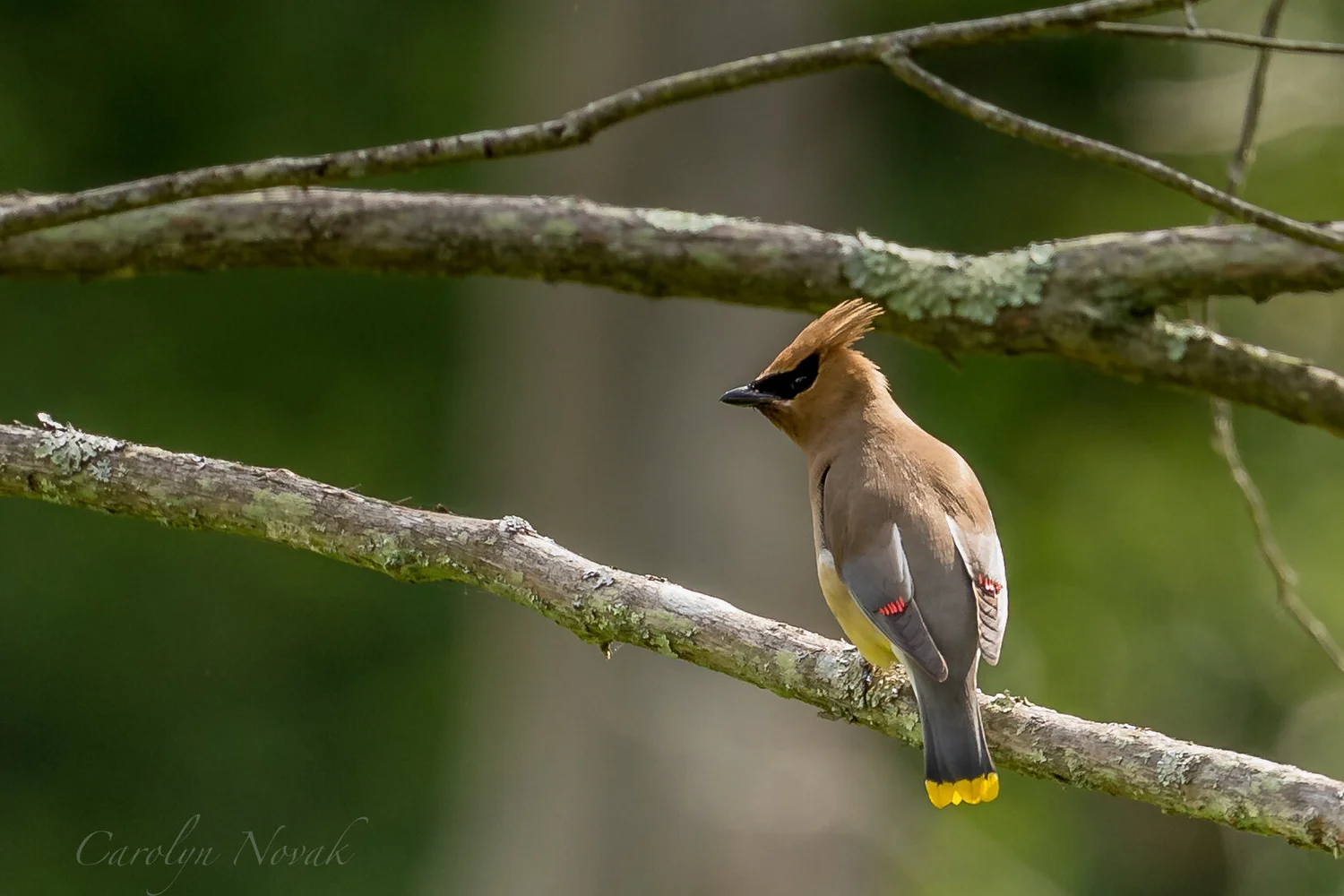
Have you ever wondered which birds you’re most likely to see fluttering around Long Island? Whether you’re a casual birdwatcher or just curious about the feathered friends in your backyard, knowing the common species can make your outdoor moments more exciting.
Imagine spotting a familiar bird and instantly recognizing its call or colors. You’ll discover the most common birds that brighten Long Island’s skies and parks. Get ready to learn about your local birds and make your next nature walk a little more magical.

Credit: www.notesfromtheroad.com
Birdwatching On Long Island
Birdwatching on Long Island offers a unique chance to connect with nature right in your backyard. The island’s diverse habitats—from coastal marshes to woodlands—invite a wide range of bird species. Whether you’re a seasoned birdwatcher or just starting out, Long Island provides a perfect setting to observe birds in their natural environment.
Top Spots For Birdwatching
Some locations on Long Island are particularly good for spotting birds. Places like the Jones Beach State Parkand Connetquot River State Parkhost a variety of species year-round. Visiting these spots early in the morning increases your chances to see more birds active and feeding.
Have you tried walking the trails at Caumsett State Historic Park? It’s a favorite among locals for its mix of forest and shoreline habitats. These areas attract both land and water birds, making your visit more rewarding.
Common Bird Species You’ll See
On Long Island, you’ll frequently encounter species like the American Robin, Red-tailed Hawk, and Song Sparrow. Each species has distinct behaviors and calls that make spotting them exciting. Pay attention to their feeding patterns and flight paths; it helps you predict where they might appear next.
Have you noticed how the Ospreyoften nests near water bodies here? Watching these majestic birds dive for fish is a thrilling experience that many birdwatchers on Long Island enjoy.
Tips For Successful Birdwatching
- Bring binocularsto see birds clearly without disturbing them.
- Wear neutral colorsto blend into the environment and avoid startling birds.
- Stay quiet and patient—sometimes waiting still is the best way to attract bird activity.
- Use a field guide or appto help identify unfamiliar species on the spot.
What’s the best bird you’ve ever spotted in the wild? Keeping a journal of your sightings can deepen your connection and improve your identification skills over time.
Credit: www.ntvli.com
Factors Influencing Bird Populations
Understanding the factors that influence bird populations on Long Island helps you appreciate why certain species thrive here while others are rare. These factors shape where birds live, how many appear, and when they visit. If you pay attention, you’ll notice patterns that reveal how dynamic and connected the island’s bird life really is.
Climate And Habitat
Long Island’s climate plays a big role in determining which birds call it home. Mild winters and warm summers create a comfortable environment for many species.
Habitat variety matters just as much. From coastal marshes to wooded areas and suburban backyards, each setting supports different birds. For instance, the salt marshes attract species like the Saltmarsh Sparrow, while forests provide shelter for woodpeckers and warblers.
Have you ever noticed how your own backyard changes with the seasons? Adding native plants can invite local birds, showing how small habitat tweaks impact bird presence.
Migration Patterns
Long Island sits along the Atlantic Flyway, a crucial route for migrating birds. This means many species pass through during spring and fall, boosting population numbers temporarily.
Migration timing depends on food availability and weather conditions. If insects emerge early in spring, migrating birds adjust their arrival to match. Conversely, harsh weather can delay or alter routes.
Think about the last time you spotted a rare warbler or a flock of geese—those moments reveal the ongoing dance between migration and local ecosystems. Your observations contribute to understanding these patterns.
American Robin
The American Robin is one of the most familiar birds on Long Island. It is often seen hopping on lawns and singing from tree branches. This bird is a symbol of spring and is loved for its bright colors and cheerful song.
Identification Features
- Bright orange-red breast that stands out
- Gray-brown back and wings
- White eye ring that looks like glasses
- Long legs and a round body shape
- Male and female look similar, but males have brighter colors
Preferred Habitats
The American Robin enjoys a variety of places on Long Island. It feels at home in:
- Open lawns and parks where it can find worms
- Wooded areas with trees for nesting
- Gardens and backyards with shrubs and trees
- Near bodies of water like ponds and streams
This bird adapts well to both natural and urban settings. It often builds nests on tree branches or ledges near homes.
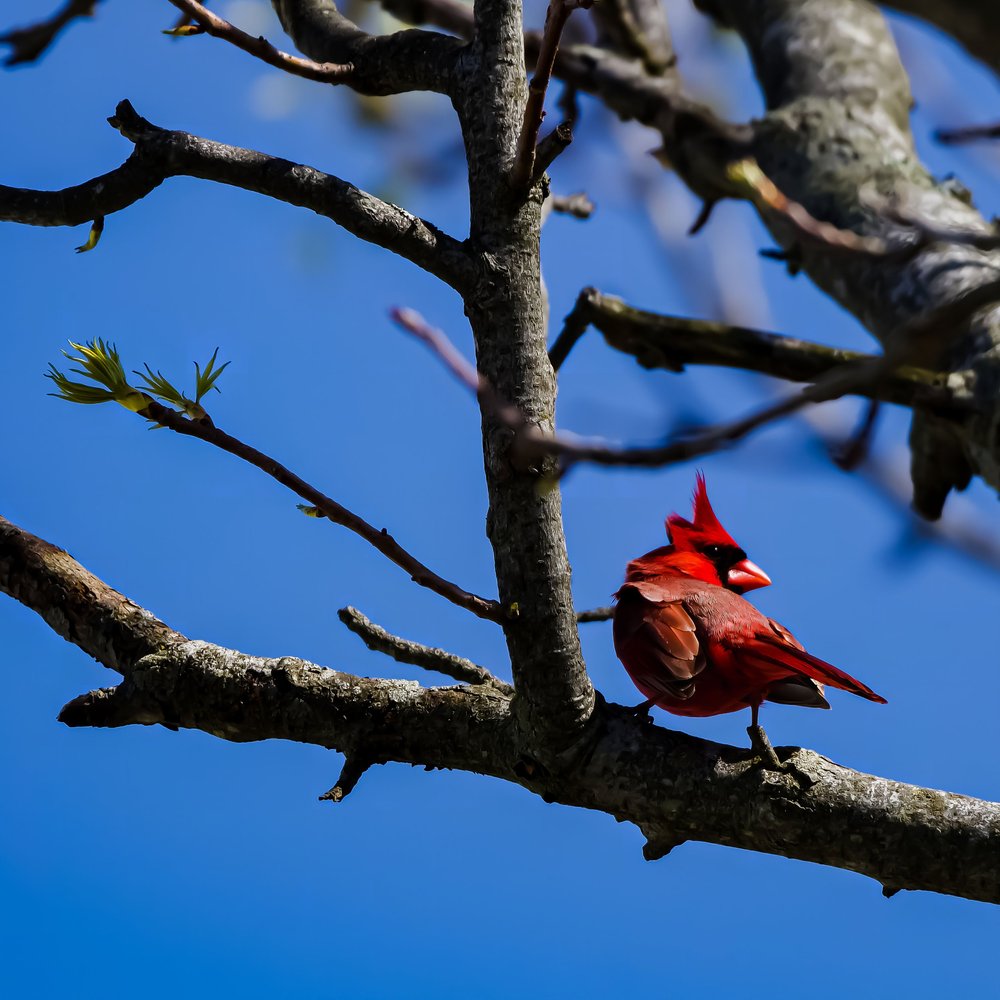
Northern Cardinal
The Northern Cardinal is one of Long Island’s most colorful and easily spotted birds. This bright bird stands out in gardens and parks throughout the year. Its vibrant colors and clear songs make it a favorite among bird watchers and nature lovers.
Distinctive Characteristics
- Male cardinals have bright red feathers from head to tail.
- Females show a softer brown color with red accents on wings and crest.
- Both sexes have a sharp, cone-shaped orange-red beak.
- Their black mask covers the face around the beak and eyes.
- They measure about 8 to 9 inches long with a strong, straight posture.
Behavior And Diet
Northern Cardinals are active birds, often seen hopping on the ground or perching high. They are mostly found alone or in pairs rather than large groups. Males sing loudly to mark territory and attract mates. Their song is clear and melodic, heard across many Long Island neighborhoods.
Their diet includes seeds, fruits, and insects. Cardinals are strong seed eaters and use their beaks to crack open hard shells. They enjoy sunflower seeds, berries, and small insects. In winter, they rely more on seeds from feeders or fallen fruits. This diet helps them stay healthy and active all year.
Blue Jay
The Blue Jay is one of the most recognizable birds you’ll spot on Long Island. Its vibrant blue feathers and striking crest make it stand out in any backyard or park. But there’s more to this bird than just its looks—it has some fascinating behaviors that might surprise you.
Vocal Abilities
Blue Jays are known for their impressive range of sounds. They can mimic the calls of other birds, including hawks, which they sometimes use to scare off predators or competitors. Have you ever heard a Blue Jay’s loud, harsh “jay” call? It’s hard to miss and serves as an effective warning to other birds nearby.
Besides loud calls, Blue Jays also use softer sounds to communicate with their family or mates. Their vocal skills help them navigate complex social interactions. Next time you hear a variety of bird sounds in your neighborhood, listen closely—you might catch a Blue Jay copying its neighbors!
Social Behavior
Blue Jays are highly social birds that often travel in small groups, especially during migration. They work together to find food and watch out for danger. Have you noticed how they sometimes mob predators like hawks or owls? This teamwork helps keep their community safe.
These birds also show a level of intelligence in their social interactions. They remember faces—both of other birds and humans—and can hold grudges or form alliances. Understanding their social habits can help you attract and observe them more easily in your own backyard.

Credit: www.wildlifenomads.com
Song Sparrow
The Song Sparrow is one of the most familiar birds you’ll encounter on Long Island. Its rich, melodious voice fills the air in the early mornings and late afternoons. This bird’s presence is a comforting sign of nature’s resilience in suburban and wild areas alike.
Song Patterns
Song Sparrows have a wide range of songs, each with a unique pattern of trills and whistles. These patterns vary not only by individual but also by region, making the Long Island variety distinct.
You might notice how their songs change depending on the time of day or season. Males sing more during breeding season to attract mates and defend territory. Listening closely, you can hear subtle variations that tell you a lot about their mood and intentions.
Adaptation To Environment
Song Sparrows thrive in Long Island because they adapt well to diverse habitats. Whether it’s marshes, gardens, or woodland edges, they find food and shelter easily.
Their diet includes seeds, insects, and small fruits, allowing them to survive year-round. If you provide dense shrubs or brush piles in your yard, you might just invite these birds to make a home nearby.
Have you ever noticed how some birds seem to disappear in winter while Song Sparrows stay active? Their ability to adjust to changing food availability and weather keeps them around longer than many others.
Mourning Dove
The Mourning Dove is one of the most familiar birds you’ll spot on Long Island. Its soft cooing sound often fills the air, creating a calm background to your outdoor moments. Despite its gentle appearance, this bird is incredibly adaptable and thrives in various environments, from urban areas to open fields.
Feeding Habits
You’ll find Mourning Doves mainly feeding on the ground. Their diet consists mostly of seeds, which they peck up from lawns, roadsides, and fields. They prefer small seeds like those from grasses, sunflowers, and weeds.
Interestingly, Mourning Doves don’t drink water like many birds. Instead, they suck water by drawing it up in a continuous motion, much like a straw. If you want to attract them to your yard, scatter some seeds in open spaces where they can easily feed.
Nesting Practices
Mourning Doves build simple nests, often just a shallow platform of twigs. They typically place these nests in trees, shrubs, or even on building ledges. Don’t expect elaborate structures; their nests look quite fragile but do the job well.
Both the male and female share the responsibility of building the nest and caring for the young. They usually raise two broods in one season, which means you might observe baby doves in your garden multiple times during spring and summer. Have you ever noticed how quietly the parents feed their chicks? It’s a subtle but fascinating behavior to watch.
Red-winged Blackbird
The Red-winged Blackbird is a common sight across Long Island’s wetlands and fields. Males are known for their striking black feathers with bright red and yellow shoulder patches. These birds are easy to spot due to their loud, distinctive calls. They play a key role in the local ecosystem by controlling insect populations and spreading seeds.
Territorial Displays
Male Red-winged Blackbirds are very protective of their territory. They use their red shoulder patches to warn other males. During spring and summer, males perch on tall plants and show off their colors. They spread their wings and sing loudly to claim space. These displays help them attract females and keep rivals away.
Seasonal Movements
Red-winged Blackbirds migrate depending on the season. In fall, many birds move south to find warmer areas. Some stay on Long Island if the winter is mild. In spring, they return to breed and build nests near water. Their movements affect where bird watchers can find them throughout the year.
House Sparrow
The House Sparrow is one of the most common birds found on Long Island. It is small, brown, and very adaptable. These birds often live near people, making cities and towns their perfect home. Their ability to survive in many environments helps them thrive across Long Island.
Urban Adaptation
House Sparrows live well in cities and towns. They find food easily around homes and parks. These birds eat seeds, crumbs, and insects. They are not picky and can eat almost anything. Buildings provide many places to build nests. They use holes in walls, vents, and even street lights. House Sparrows stay close to humans. This helps them find food and shelter fast.
Reproductive Behavior
House Sparrows are active breeders from spring to late summer. They build nests using grass, feathers, and small twigs. Both males and females help build the nest. They lay 3 to 7 eggs in each clutch. The eggs hatch in about 10 days. Young sparrows grow fast and leave the nest in two weeks. These birds can have several broods in one season. This helps keep their numbers high on Long Island.
American Goldfinch
The American Goldfinch is a vibrant splash of yellow that brightens Long Island’s landscapes almost year-round. This small songbird is hard to miss with its cheerful chirps and fluttering flight. Have you ever paused to watch their lively dance from branch to branch? It’s a simple pleasure that connects you to nature’s rhythm right in your backyard.
Breeding Season Traits
During breeding season, the American Goldfinch undergoes a remarkable transformation. Males sport a bright yellow plumage contrasted with black wings and cap, making them stand out as nature’s own highlighter. Females, meanwhile, show a softer olive-yellow tone that helps them blend into the foliage while nesting.
The timing is unique too. Unlike many birds, goldfinches breed late in the summer when thistles and other seed plants are abundant. This delay ensures their chicks have a steady food supply. If you watch closely, you might spot their intricate nests woven with plant fibers and lined with downy seeds.
Dietary Preferences
American Goldfinches thrive on a seed-based diet, focusing heavily on the seeds of composite plants like sunflowers, dandelions, and, notably, thistles. They are one of the few birds that rely almost exclusively on seeds, even during the breeding season.
They have a unique feeding style—often hanging upside down to access seeds. If you want to attract them, try planting native seed-bearing plants or placing nyjer seed feeders in your garden. Watching them feed up close can teach you a lot about their preferences and habits.
European Starling
The European Starling is one of the most noticeable birds on Long Island. Originally brought from Europe in the late 1800s, these birds have spread rapidly across North America. Their iridescent feathers and sharp calls make them hard to miss in urban and rural areas alike.
Invasive Species Impact
European Starlings are an invasive species that affect local ecosystems significantly. They compete with native birds for nesting sites, often taking over cavities that would otherwise belong to bluebirds or woodpeckers.
This competition can reduce the populations of native species, changing the balance of bird communities. Have you ever noticed fewer native birds in areas crowded with starlings? That’s a direct result of their aggressive nesting behavior.
Flocking Behavior
One of the most fascinating traits of European Starlings is their flocking behavior. They form huge groups called murmurations, sometimes numbering in the thousands, moving in synchronized patterns.
These impressive flocks provide safety in numbers and help the birds find food more efficiently. Next time you see a swirling mass of birds at sunset, consider how these patterns communicate survival strategies and social connections within the flock.
Bird Conservation Efforts
Bird conservation efforts on Long Island focus on protecting native species and their habitats. These efforts help maintain the balance of local ecosystems. Conservation groups work hard to monitor bird populations and create safe environments for them.
Long Island hosts many common bird species like ospreys, eastern bluebirds, and red-tailed hawks. Protecting these birds requires teamwork between local organizations and residents. Together, they ensure birds have places to nest, feed, and thrive.
Local Initiatives
Several local groups lead bird conservation projects across Long Island. They restore wetlands and plant native trees to support bird habitats. These initiatives also involve tracking bird numbers and species diversity over time.
Long Island’s parks and nature reserves often serve as sites for conservation work. Efforts include building nesting boxes and controlling invasive plants. These actions improve the living conditions for many bird species.
Community Involvement
Community participation is vital for successful bird conservation. Volunteers join bird counts and help clean up natural areas. Schools and clubs organize educational events to raise awareness about bird protection.
Residents can also support birds by creating bird-friendly spaces in their yards. Simple steps like providing food, water, and shelter make a big difference. Everyone’s small actions add up to a stronger effort for bird survival.
Frequently Asked Questions
What Bird Species Are Most Common On Long Island?
The most common birds on Long Island include American Robins, Northern Cardinals, Blue Jays, and Mourning Doves. These species thrive in local habitats such as woodlands, parks, and suburban areas, making them easily spotted by birdwatchers year-round.
Which Migratory Birds Frequent Long Island?
Long Island hosts migratory birds like the Warblers, Hawks, and various waterfowl. These birds pass through during spring and fall migrations, using the island’s diverse habitats as resting and feeding grounds.
Are There Any Rare Bird Species On Long Island?
Yes, rare species such as the Piping Plover and Bald Eagle occasionally appear on Long Island. These birds are protected and attract birdwatchers interested in spotting uncommon wildlife.
How Does Long Island’s Habitat Support Diverse Bird Life?
Long Island’s mix of forests, wetlands, and coastal areas provides food and shelter. This diversity supports both resident and migratory birds, ensuring a rich variety of species throughout the year.
Conclusion
Long Island hosts many bird species throughout the year. Common birds like seagulls, robins, and sparrows thrive here. Bird watchers enjoy spotting these familiar feathered friends. Each species adds life and color to local parks and beaches. Knowing which birds are common helps you appreciate nature more.
Watch closely, and you might see something new each day. Nature’s variety makes Long Island a special place for birds. Keep exploring and enjoy the simple beauty of these birds nearby.