
Have you ever wondered why some birds change their colors as time goes by? It’s more than just a beautiful surprise for your eyes.
These color changes hold secrets about survival, attraction, and even communication. Understanding why bird species change colors can give you a new perspective on nature’s incredible ways of adapting and thriving. Keep reading, and you’ll discover fascinating reasons behind these vibrant transformations that might change how you see the birds around you forever.
Mechanisms Of Color Change
Birds change colors over time through various natural processes. These changes help them adapt, survive, and attract mates. Understanding the mechanisms behind color change reveals how nature shapes bird appearances.
Genetic Mutations
Genetic mutations alter the bird’s DNA, affecting feather pigments. These changes can create new colors or patterns. Over generations, beneficial mutations may spread through populations. This process helps birds better blend into their surroundings or stand out for mating.
Environmental Influences
Bird colors can shift due to environmental factors like sunlight, temperature, and habitat. Sunlight may fade or intensify pigments. Temperature changes can affect feather growth and color brightness. Habitat influences the need for camouflage or display, driving color adaptation.
Dietary Factors
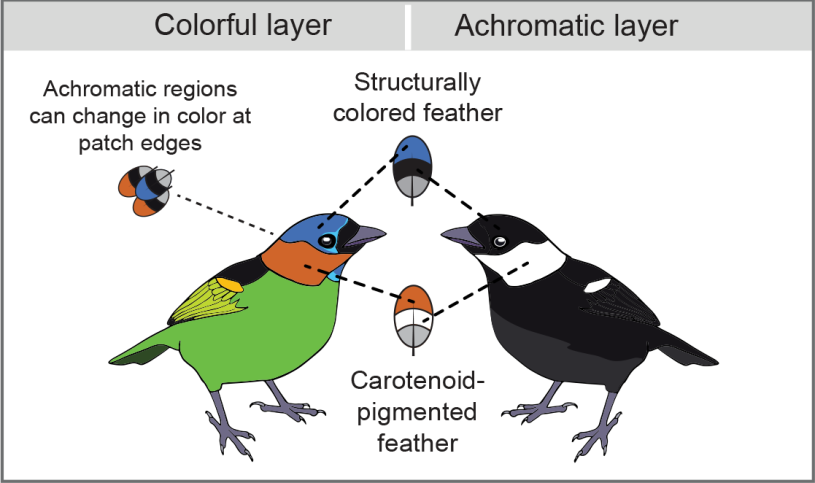
The food birds eat directly impacts their feather colors. Certain pigments come from diet, such as carotenoids from fruits and insects. A rich diet enhances vibrant colors, while poor nutrition dulls them. Diet changes can lead to noticeable color shifts in birds.
Role Of Natural Selection
The role of natural selection in the changing colors of bird species is a fascinating process. Birds don’t just change colors randomly; these changes often happen because certain colors give them an edge in survival or reproduction. Over generations, natural selection favors those color traits that help birds thrive in their environment.
Survival Advantages
Colors can help birds blend into their surroundings, making them less visible to predators. Imagine walking through a forest and spotting a bird whose feathers match the leaves perfectly—that bird has a better chance of staying safe.
Some colors also help regulate body temperature or protect against harmful sunlight. Birds with colors that improve their health and safety are more likely to live longer and pass those colors to their offspring.
Mating Preferences
Your own experiences might show how appearance affects attraction, and birds are no different. Bright or unique colors can catch the eye of potential mates, signaling health and strong genes.
Birds often choose partners based on feather color, which can lead to the spread of certain colors in a population. Have you noticed how peacocks display their feathers? That’s natural selection working through mating preferences.
Impact Of Habitat Changes
Bird species often change colors as their habitats evolve. These changes in their environment directly affect their appearance, survival, and behavior. Understanding the impact of habitat changes helps you see why color shifts happen over time in different bird populations.
Urbanization Effects
Urban areas create new challenges and opportunities for birds. The colors that once helped them blend into forests or fields might now stand out against concrete and glass. This can make birds more visible to predators or less attractive to mates.
Some birds adapt by developing duller or more muted colors to stay hidden in cityscapes. Others might evolve brighter colors that help them signal dominance or attract mates in noisy, crowded environments. Have you noticed how pigeons in cities show more varied colors compared to their countryside relatives?
These changes happen because urban environments change the food sources, predators, and social structures birds face every day. Your local park birds might be adjusting their colors without you even realizing it.
Climate Change Adaptations
Rising temperatures and shifting weather patterns force birds to adapt in many ways, including their coloration. Birds living in warmer regions may develop lighter colors to reflect sunlight and stay cool.
Color changes can also help birds blend into new or altered environments caused by droughts, wildfires, or vegetation shifts. For example, species that once matched lush green forests might turn browner if the area becomes dry and sparse.
Have you ever wondered why some birds look different from one year to the next? Climate change might be subtly influencing their color patterns as they try to survive in new conditions. Paying attention to these changes can reveal how quickly nature responds to environmental stress.

Credit: www.birdwatchingdaily.com
Examples Of Color Evolution
Bird species change colors over time to adapt to their environment and improve survival. These color shifts can help with camouflage, attracting mates, or warning predators. Examples include the bright plumage of tropical birds and the duller tones of those in colder regions.
Bird colors change over time for many reasons. These changes help birds survive and attract mates. Different species show unique color shifts. These examples reveal how nature shapes bird colors.
Peacock Feathers
Peacocks display bright, iridescent feathers. Their colors come from tiny structures that reflect light. Over time, these feathers evolved to attract peahens. The shimmering blue and green hues signal health and strength. Bright feathers increase a male’s chance to mate. This color evolution is a clear example of sexual selection.
Penguin Plumage
Penguins have mostly black and white feathers. This coloration helps them hide from predators. From above, their dark backs blend with the ocean. From below, their white bellies match the bright sky. Over time, this color pattern evolved for better camouflage. The simple colors also help penguins stay warm in cold climates.
Scientific Studies And Discoveries
Scientific studies have greatly expanded our understanding of why bird species change colors over time. Researchers have uncovered various biological and environmental factors influencing these changes. These discoveries help explain the complex processes behind feather pigmentation and evolution.
Scientists examine genetic variations, diet, and habitat effects on bird coloration. They also explore how color changes impact mating and survival. This ongoing research provides valuable insights into the natural world.
Recent Research Findings
Recent studies reveal that color changes in birds often relate to genetic mutations. These mutations affect melanin and carotenoid pigments in feathers. Researchers found that some species adapt their colors to better blend with their environment.
Other findings highlight the role of sexual selection. Birds with brighter colors tend to attract more mates. This drives gradual color evolution over generations. Some species also shift colors due to climate changes affecting their habitats.
Technological Advances In Observation
New technology helps scientists study bird colors with greater accuracy. High-resolution cameras capture detailed feather patterns. Spectrophotometers measure the exact wavelengths of light reflected by feathers.
Tracking devices allow long-term observation of bird populations. This helps link color changes with migration and behavior. Computer models simulate how environmental factors influence feather pigmentation.
These tools enable researchers to gather data faster and more precisely. They deepen our understanding of bird color evolution in natural settings.

Credit: www.allaboutbirds.org
Implications For Conservation
Understanding why bird species change colors over time is not just a fascinating glimpse into nature’s creativity—it holds real importance for conservation efforts. These color changes often reflect adaptations to shifting environments, predator pressures, or mating dynamics. Recognizing these shifts helps you appreciate the delicate balance needed to protect bird populations effectively.
Protecting Diverse Habitats
Birds rely on a variety of habitats to support their changing needs throughout their life cycles. When a species changes color, it often signals an adaptation to a specific environment. If that environment disappears, the birds may lose the advantage their coloration gives them.
Think about wetlands, forests, or grasslands—each offers unique resources essential for birds. By protecting these diverse habitats, you help preserve the natural settings where birds evolve and thrive. Have you noticed how local habitat changes affect bird populations in your area?
Promoting Genetic Diversity
Color changes in birds often stem from genetic variation within populations. This diversity is crucial for resilience against diseases, climate change, and other threats. Without genetic diversity, bird species become vulnerable to extinction.
Supporting conservation programs that maintain or increase genetic diversity ensures that birds can continue adapting over time. Simple actions like supporting breeding programs or preserving migration corridors can make a big difference. What steps can you take to help maintain genetic diversity in your local bird populations?
Credit: nhm.org
Frequently Asked Questions
Why Do Some Birds Change Colors Seasonally?
Birds change colors seasonally to improve camouflage and attract mates. Molting replaces old feathers with new ones suited for the environment. Seasonal color shifts help birds blend into changing habitats and signal breeding readiness.
How Does Diet Affect Bird Color Changes?
Diet impacts bird feather pigments, especially carotenoids. Birds consuming colorful foods develop brighter feathers. Nutrient-rich diets enhance plumage vibrancy, aiding in mate attraction and health signaling.
Can Environmental Factors Influence Bird Color Evolution?
Yes, environmental factors like habitat, climate, and predators drive color evolution. Birds adapt colors for better survival and reproduction. Changes occur over generations, helping species blend or stand out as needed.
Do Genetic Mutations Cause Bird Color Variations?
Genetic mutations can alter feather colors by affecting pigment production. These variations may provide advantages or disadvantages. Over time, beneficial mutations spread, leading to color changes within species.
Conclusion
Bird colors change to help them survive and find mates. Nature shapes these colors over many years. Bright feathers can warn predators or attract partners. Changes also help birds blend into new environments. This shows how life adapts and evolves.
Watching birds teaches us about nature’s clever designs. Color changes are not random but a smart strategy. Each shade tells a story of survival and growth. Birds remind us that change is part of life.