
Have you ever wondered why a bird’s feathers suddenly change color? It’s a fascinating mystery that hides secrets about nature’s design and survival tricks.
When you learn what causes these color changes, you’ll see birds in a whole new light. This isn’t just about pretty feathers—it’s about how birds adapt, attract mates, and protect themselves. Keep reading to discover the surprising reasons behind these vibrant transformations and how they affect the birds you love to watch.

Credit: environment.princeton.edu
Genetic Influence
Genetic influence plays a key role in the color changes of bird feathers. Birds inherit genes that control pigment production and feather structure. These genetic factors shape how feathers look, including their color and pattern. Variations in DNA lead to the wide range of colors seen across bird species.
Role Of Dna In Color Variations
DNA contains instructions for making pigments like melanin and carotenoids. These pigments give feathers their colors, such as black, brown, red, and yellow. Small changes in DNA can affect how much pigment is made or where it appears on the feathers.
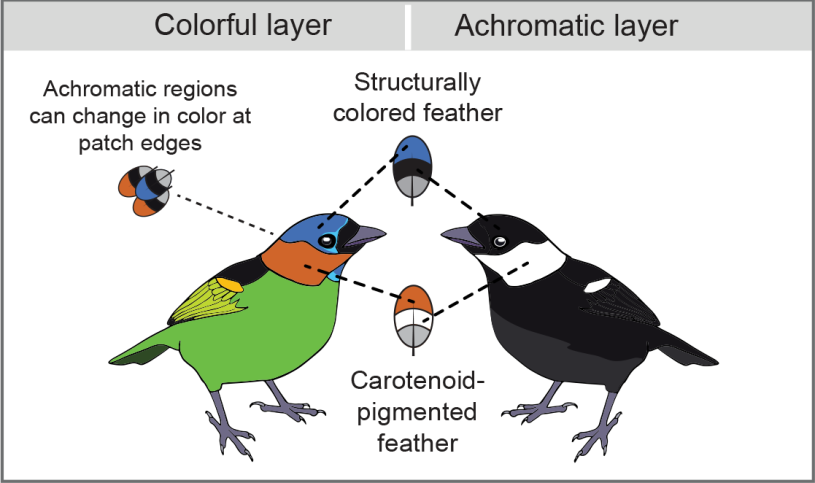
Genes also influence feather structure, affecting how light reflects off feathers. This reflection can create iridescent or bright colors. Different bird species have unique DNA sequences that determine these effects.
Inherited Traits And Mutations
Birds inherit color traits from their parents through genes. These traits can remain stable or change across generations. Sometimes, mutations occur in genes that control feather color. Mutations can create new colors or patterns.
Inherited mutations can spread through a population if they offer survival or mating advantages. This process helps explain the diversity of feather colors seen in nature. It also shows how genetics drives evolution in bird species.
Dietary Impact
Diet plays a surprising role in the colors you see on a bird’s feathers. What a bird eats directly affects its feather pigments, sometimes changing its entire appearance. Understanding this link can give you fresh insights into how birds adapt and survive in their environments.
Pigments From Food Sources
Birds get some of their feather colors from pigments found in their diet. These pigments include carotenoids, which produce reds, oranges, and yellows. If a bird eats more fruits, seeds, or insects rich in carotenoids, its feathers can become brighter and more vibrant.
Think about flamingos—they are naturally pale when born but turn pink because of the shrimp and algae they consume. Without these foods, their feathers would remain dull. This shows how diet can directly add color, not just maintain it.
Nutritional Deficiencies
Missing key nutrients can cause feathers to lose their color or look unhealthy. Lack of vitamins like A and E can lead to dull, brittle feathers, making birds less attractive to mates. Your backyard birds might lose some of their shine if their food sources change or become scarce.
Have you noticed birds looking less colorful during certain seasons? This could be a sign of limited food variety impacting their feather health. Ensuring a balanced diet in the wild is a challenge birds face constantly, affecting their appearance and survival.
Environmental Factors
Environmental factors play a crucial role in the way bird feathers change colors. These changes help birds adapt to their surroundings. Color shifts can signal breeding readiness, camouflage, or temperature regulation. Understanding these factors reveals how birds interact with their habitat and survive.
Climate And Seasonal Changes
Bird feathers often change color due to climate and seasons. Temperature variations can trigger molting, where old feathers are replaced by new ones. New feathers may show brighter or duller colors depending on the season.
In colder months, birds may develop darker feathers to absorb more heat. During breeding seasons, vibrant colors attract mates. Light exposure also influences pigment production, affecting feather hues.
Habitat Influences
Birds adapt their feather colors to match their habitats. Forest birds often display greens and browns to blend with trees. Birds living in open areas might have lighter or more reflective feathers.
Changes in food sources can alter feather color. Some birds get pigments from their diet, like carotenoids, which create reds and yellows. Pollution and habitat changes may also impact feather coloration over time.

Credit: www.reddit.com
Hormonal Changes
Hormonal changes play a significant role in the way bird species display varying feather colors. These changes are closely linked to the bird’s internal physiological state and external environmental factors. Understanding this connection can help you appreciate the dynamic beauty of birds beyond just their appearance.
Breeding And Mating Seasons
During breeding seasons, many birds experience a surge in hormones like testosterone and estrogen. This hormonal shift often triggers a transformation in feather colors, making them brighter or more vivid. The change serves a clear purpose: attracting mates and signaling reproductive readiness.
Take the example of the male cardinal. Outside the breeding season, its feathers may appear duller. But as hormones rise, the feathers become a striking red, boosting its chances to attract a female. This shows how hormone-driven color changes are crucial for survival and reproduction.
Have you ever wondered why some birds suddenly look more colorful at certain times of the year? It’s not just nature’s whim; it’s a hormone-driven signal designed to communicate fitness and availability.
Stress-induced Color Changes
Stress also influences hormone levels, which can cause unexpected feather color changes. Birds under prolonged stress may exhibit duller or faded feathers due to increased levels of corticosterone, a stress hormone. This color shift can indicate poor health or unfavorable environmental conditions.
For example, if a bird faces food scarcity or habitat disturbance, its feathers might lose their usual vibrancy. This subtle change can alert you to the bird’s well-being without any visible signs of illness.
Could observing feather color variations help you assess the stress levels or environmental challenges faced by birds in your area? Paying attention to these details can deepen your connection with nature and improve your birdwatching experience.
Age And Maturation
Age and maturation significantly influence the color changes in bird feathers. As birds grow, their feathers often shift in shade and pattern. These changes help signal their age and maturity to other birds. This transformation supports survival and social behaviors in the wild.
Juvenile To Adult Transition
Young birds usually have duller, simpler feathers. These feathers provide camouflage and protection from predators. As they mature, their feathers develop brighter and more complex colors. This change marks their readiness to mate and join adult social groups. The transformation varies by species but follows a clear pattern of growth and color enhancement.
Molting Processes
Molting is the natural shedding of old feathers. Birds replace these with new feathers that often differ in color. Molting allows the bird to grow adult plumage after the juvenile phase. The process happens in cycles and can last several weeks. Each molt plays a key role in the bird’s color and appearance changes.
Chemical Exposure
Chemical exposure can change a bird species’ feather colors in surprising ways. Birds often come into contact with various chemicals in their environment. These substances can alter the pigments in their feathers or affect the structure that reflects light. The result is a change in the bird’s appearance, sometimes subtle and sometimes very noticeable. Understanding these effects helps us see how pollution and human activities impact wildlife.
Pollutants And Contaminants
Pollutants like heavy metals and industrial waste can affect feather colors. These chemicals may enter a bird’s body through food or water. Once inside, they interfere with pigment production. For example, lead and mercury can reduce melanin, the pigment that gives feathers dark shades. This leads to faded or patchy feathers. Some birds show unusual colors because pollutants change how light reflects off their feathers. Contaminants also weaken feathers, affecting their ability to protect birds from weather and predators.
Impact Of Pesticides
Pesticides often harm birds by changing their feather colors. These chemicals target insects but can poison birds too. Pesticides disrupt the balance of pigments like carotenoids, responsible for red, yellow, and orange hues. Birds exposed to pesticides may have dull or discolored feathers. These changes can make it hard for birds to attract mates or blend into their habitats. Pesticides also weaken feathers, causing more wear and tear. Long-term exposure can reduce bird populations by affecting their health and survival.
Artificial Influences
Artificial influences can change a bird’s feather colors in many ways. These changes often come from human activities and environments. Birds living close to people or bred for certain looks may show colors different from their wild relatives.
Captivity And Human Interaction
Birds in captivity often face different conditions than in the wild. Light, diet, and stress levels can affect feather color. Captive birds may lose some natural pigments or develop unusual shades. Handling by humans can also cause wear or damage to feathers, altering their appearance.
Diet plays a big role here. Foods rich in certain pigments can enhance colors. Lack of natural food sources might dull feathers. Sometimes, birds in captivity are exposed to artificial lights. This can disrupt their natural color cycles and molting patterns.
Selective Breeding
Selective breeding is a process where humans choose birds with specific colors to reproduce. This creates new feather colors and patterns over generations. Breeders aim for unique or rare shades that do not appear in nature. This practice often produces brighter, more vivid colors.
Through selective breeding, birds can develop features like:
- Unusual color combinations
- Enhanced brightness
- Pattern variations
These changes result from controlled genetics, not natural evolution. The process can reduce genetic diversity and sometimes cause health issues. Still, it is a common way to create colorful pet birds and show birds.

Credit: www.msn.com
Unique Case Studies
Unique case studies offer fascinating insights into why certain bird species experience changes in their feather colors. These examples reveal the complex interplay between biology, environment, and behavior that shapes these transformations. Understanding these cases can help you appreciate the diversity and adaptability of birdlife more deeply.
Specific Bird Species Examples
The male Northern Cardinal is a striking example. Its feathers appear dull and brownish in winter but turn bright red during mating season. This shift is driven by hormonal changes that affect pigment production, signaling readiness to attract a mate.
Another intriguing case is the Rock Ptarmigan, which changes from brown in summer to white in winter. This color change provides camouflage, helping it avoid predators. It’s a clear example of how survival needs can dictate feather coloration.
Then there’s the Peacock, whose iridescent tail feathers change color depending on the angle of light. This happens because of microscopic structures, not pigments, demonstrating how physical properties can influence color perception.
Research Findings
Recent studies have shown that feather color changes often result from a combination of pigment alteration and feather structure modification. Melanin and carotenoids are common pigments responsible for most color shifts.
Research also highlights the role of environmental factors like temperature, diet, and light exposure. Birds living in colder climates tend to develop feathers with more melanin, which helps absorb heat.
One surprising discovery involved the Satin Bowerbird. Scientists found that social interactions and stress levels can influence feather brightness. This suggests that feather color might communicate more than just age or health—it could reflect emotional states.
Have you ever noticed a bird’s color change and wondered what it might be trying to tell you? These findings show that feather colors are not just beautiful—they’re messages shaped by nature and experience.
Frequently Asked Questions
Why Do Bird Feathers Change Color Seasonally?
Bird feathers change color seasonally due to molting and hormonal shifts. These changes help birds with camouflage, mating displays, and temperature regulation. Seasonal color shifts are common in species adapting to different environmental conditions.
How Do Pigments Affect Bird Feather Colors?
Pigments like melanin and carotenoids determine feather colors. Melanin creates blacks and browns, while carotenoids produce reds, oranges, and yellows. Birds acquire carotenoids from their diet, directly influencing feather coloration.
Can Light Exposure Change Feather Colors?
Yes, light exposure can fade or alter feather colors. Prolonged sunlight causes pigment breakdown, leading to color changes. This natural effect helps birds blend into their environments over time.
Do Feathers Change Color Due To Bird Age?
Feather colors often change as birds mature. Juvenile birds usually have duller feathers, which brighten with age. This color change signals maturity and readiness for breeding in many species.
Conclusion
Bird feathers change color for many reasons. Some colors help birds hide from danger. Others attract mates or show health. Sunlight and diet also play a role. Feathers can even change with the seasons. Understanding these changes helps us learn about birds.
Nature’s colors tell important stories. Watching birds closely reveals their secret signals. Feathers are more than just pretty colors. They are part of how birds live and survive. This makes each bird unique and special.