

Have you ever wondered what kinds of birds filled the skies over 16th century Mexico? Imagine the vibrant colors, unique calls, and diverse species that once thrived in that rich landscape.
Knowing about these birds can take you closer to the history and culture of that time. You’ll discover the fascinating bird species that lived alongside ancient civilizations. Get ready to explore a world where every bird tells a story—one that connects nature, history, and your curiosity.
Keep reading to uncover the secrets of Mexico’s feathered past.

Credit: www.wikiwand.com
Avian Diversity In 16th Century Mexico
Mexico in the 16th century was a treasure trove of bird species, showcasing a vibrant and rich avian diversity. The varied landscapes—from dense jungles to arid deserts—offered perfect habitats for countless birds. This diversity is not just a historical fact but a lens through which you can appreciate how nature adapted and thrived long before modern changes.
Habitat Variety And Its Impact On Bird Species
The vast range of habitats in 16th century Mexico supported a wide array of birds. Tropical rainforests in the south housed colorful parrots and toucans. Meanwhile, the central highlands were home to hummingbirds and quetzals, known for their dazzling feathers.
Have you ever wondered how a single country can nurture such different birds? The answer lies in the varied climate and geography. Mountains, rivers, and forests created micro-environments where different bird species could flourish without competition.
Key Bird Species In 16th Century Mexico
Among the most notable birds were the Resplendent Quetzal, a symbol of beauty and freedom, and the Aztec Eagle, which held cultural significance. You’d also find the Montezuma Oropendola, famous for its unique nest-building skills. These birds not only played ecological roles but also influenced local traditions and mythology.
- Resplendent Quetzal:Known for vibrant green and red plumage.
- Montezuma Oropendola:Recognized by its hanging nests and melodic calls.
- Aztec Eagle:Revered in Aztec culture and depicted in art.
The Influence Of Human Activity On Bird Populations
Even in the 16th century, human settlements began to impact bird habitats. The Aztecs and other indigenous groups practiced agriculture, which altered some landscapes. However, their respect for nature often helped maintain a balance that modern urbanization tends to disrupt.
Think about your own surroundings—how does human presence affect local birds today? By understanding past interactions, you can better appreciate the importance of protecting habitats now.
Historical Records And Sources
Understanding the bird species in 16th century Mexico relies heavily on historical records and sources. These records provide direct and indirect information about the avian life during that era. Researchers piece together data from various origins to paint a clearer picture of the past. This section explores key sources that reveal the types of birds that once existed in Mexico.
Codices And Manuscripts
Ancient codices and manuscripts are vital for studying Mexico’s natural history. Indigenous peoples documented birds through detailed illustrations and descriptions. These records often showed birds’ appearances and their roles in culture. Some codices include symbolic birds linked to myths and rituals. Such documents help identify species that lived in the region centuries ago.
Accounts Of Early Explorers
Spanish explorers wrote about the birds they encountered on their journeys. Their journals describe colors, sounds, and behaviors of many birds. These firsthand accounts offer valuable observations of native species. Explorers noted birds used for food, feathers, and spiritual significance. Their writings contribute to understanding the diversity of birds in 16th century Mexico.
Archaeological Evidence
Archaeologists find bird bones, feathers, and artifacts at ancient sites. These physical remains confirm the presence of certain species. Tools and ornaments made from bird parts show how humans interacted with birds. Excavations reveal which birds were common or rare in specific areas. Archaeological data supports information found in written records and artwork.
Commonly Found Bird Species
The bird species that thrived in 16th century Mexico paint a vivid picture of the region’s rich biodiversity. These birds were not just part of the natural landscape but also played significant roles in the culture and daily life of the people. Understanding which species were commonly found helps you appreciate the ecological tapestry that existed centuries ago.
Parrots And Macaws
Brightly colored parrots and macaws were abundant in the forests of 16th century Mexico. Their vibrant feathers were highly prized and often used in traditional clothing and ceremonial decorations.
You might be surprised to learn that species like the Scarlet Macaw and the Military Macaw were common in these areas. These birds were known for their loud calls and strong presence in the canopy, making them easy to spot.
Hummingbirds
Hummingbirds, with their tiny size and incredible flying skills, fascinated people then and continue to do so now. Mexico’s diverse climate provided a perfect home for various species, including the Ruby-throated Hummingbird and the Violet-crowned Hummingbird.
Have you ever watched a hummingbird hover effortlessly, wings a blur? Their ability to hover and dart quickly made them vital pollinators for many native plants, sustaining the ecosystem in a way few other birds could.
Waterfowl And Waders
Near lakes, rivers, and wetlands, waterfowl and wading birds were a common sight. Ducks, herons, and egrets thrived in these watery habitats, contributing to the balance of aquatic life.
Species like the Mexican Duck and the Great Egret were frequently observed. Their presence indicated healthy water systems, which were essential for both wildlife and human settlements.
Endemic And Rare Species
Mexico in the 16th century was home to many unique bird species. Some of these birds lived only in this region. These endemic and rare species added color and life to the forests and mountains. Many of them held special meaning for the indigenous people.
These birds were often hard to find. Their rarity made them precious to naturalists and explorers of the time. Understanding these species helps us appreciate Mexico’s rich natural history.
Quetzal Birds
The quetzal is one of Mexico’s most famous birds. Its bright green and red feathers shine in the forest. This bird was sacred to the Aztecs and Maya. They believed the quetzal symbolized freedom and wealth.
Quetzals lived mainly in mountain cloud forests. They were shy and rarely seen. Their long tail feathers were prized for decoration and ritual use.
Turquoise-browed Motmot
The turquoise-browed motmot is a striking bird with blue and green plumage. It has a unique racket-shaped tail that moves like a pendulum. This bird lived in open woodlands and forest edges.
It was common in 16th century Mexico but still special. The motmot’s call was a familiar sound in rural areas. Its beauty made it a symbol in native art and stories.
Horned Guan
The horned guan is a rare and unusual bird. It has a bright red horn on its head, making it easy to recognize. This bird lived in cool mountain forests with dense vegetation.
It is one of the rarest birds in Mexico, even today. In the 16th century, it was already rare and hard to spot. Its presence was often linked to sacred places in indigenous cultures.
Cultural Significance Of Birds
Birds held a special place in 16th century Mexican cultures, weaving themselves deeply into daily life, beliefs, and traditions. Their presence was more than just natural; it was symbolic and spiritual. Understanding their cultural significance reveals how indigenous people viewed the natural world and their connection to it.
Symbolism In Aztec And Mayan Cultures
In Aztec culture, birds were often seen as messengers between humans and gods. The hummingbird, for example, symbolized vigor and war because of its quick, darting movements. If you think about it, the Aztecs admired traits like bravery and energy, which they saw reflected in these tiny birds.
The Mayans also gave birds important roles in their spiritual life. The quetzal, with its brilliant green feathers, represented freedom and wealth. Imagine how valuable these birds were, not just for their beauty but for what they stood for in society.
Both cultures believed that birds carried the souls of the dead or served as guides in the afterlife. This belief shows how birds were more than animals—they were a bridge to the spiritual world.
Birds In Art And Mythology
Birds appear frequently in Aztec and Mayan art, adorning pottery, textiles, and temple carvings. Their images were not just decorative but told stories and conveyed important messages. When you look at these artworks, you see how birds were woven into the fabric of life and belief.
One striking example is the feathered serpent god, Quetzalcoatl, whose name means “feathered serpent.” This deity combined the earth (serpent) with the sky (feathers), symbolizing duality and balance. It’s fascinating how birds represented complex ideas, not just simple creatures.
Mythological tales often feature birds as heroes or divine beings, reinforcing their importance. These stories can inspire you to think about the natural world differently—as a source of wisdom and connection.
Impact Of Environment And Habitat
The environment and habitat played a crucial role in shaping the variety of bird species in 16th century Mexico. Different landscapes offered unique resources and shelter, influencing which birds could thrive. Understanding these habitats helps you appreciate how nature and birds adapted to each other over time.
Forests And Jungles
Dense forests and jungles were home to many colorful and diverse bird species. Thick tree canopies provided safe nesting spots and abundant food like fruits and insects. Birds such as the resplendent quetzal, known for its vibrant feathers, found ideal conditions in these areas.
Have you ever noticed how birds in forests often have loud, melodious calls? This helped them communicate through the thick foliage. The environment encouraged birds to develop unique songs to mark territory or attract mates.
Coastal And Wetland Areas
Along Mexico’s coasts and wetlands, bird species adapted to watery surroundings. These habitats supported shorebirds, herons, and ducks that relied on fish, crustaceans, and aquatic plants. The availability of water and food shaped their behaviors and physical traits.
Imagine walking near a marsh and spotting a graceful heron standing still, waiting for its prey. This patience and hunting style evolved because of the wetland environment. Such habitats were essential for migratory birds too, offering resting spots during long journeys.
Conservation And Legacy
The bird species of 16th century Mexico left a lasting impact on the region’s natural heritage. Their presence shaped ecosystems and influenced local cultures. Today, efforts to protect these birds continue to preserve this legacy. Understanding the history helps guide modern conservation strategies.
Modern Conservation Efforts
Conservation groups work to protect native bird species in Mexico. They focus on habitat restoration and reducing threats like deforestation. Many projects involve local communities to support sustainable practices. Protected areas safeguard critical bird habitats from further damage.
Programs also monitor bird populations to track changes over time. This data helps identify species at risk and prioritize actions. Education campaigns raise awareness about the importance of birds. They encourage people to respect wildlife and their environments.
Historical Influences On Current Biodiversity
The diversity of birds in Mexico today reflects centuries of natural and human changes. Indigenous peoples influenced bird habitats through farming and forest management. Spanish colonization introduced new species and altered landscapes.
Some bird species declined due to hunting and habitat loss during colonial times. Others adapted and thrived in changing environments. The combination of past events created the unique bird populations seen now.
Understanding these historical influences helps scientists protect and restore bird diversity. It connects the past with present-day conservation goals.
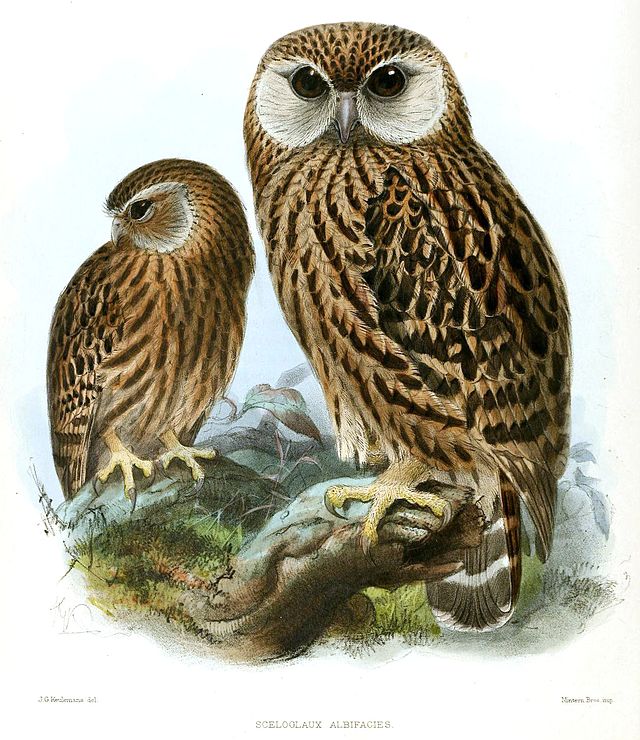
Credit: www.wikiwand.com

Credit: en.wikipedia.org
Frequently Asked Questions
What Bird Species Were Native To 16th Century Mexico?
16th century Mexico hosted diverse native birds like the Resplendent Quetzal, Mexican Jay, and various hummingbirds. These species thrived in forests and highlands, playing vital roles in local ecosystems and indigenous cultures.
How Did Birds Influence Aztec Culture In Mexico?
Birds held spiritual importance in Aztec culture. Species like the quetzal symbolized wealth and power. Feathers were used in ceremonial attire and rituals, reflecting birds’ cultural and religious significance.
Which Birds Were Common In Mexico’s 16th Century Forests?
Forests of 16th century Mexico commonly housed toucans, woodpeckers, and owls. These birds contributed to forest health by controlling insects and aiding seed dispersal, sustaining ecological balance.
Are Any 16th Century Mexican Bird Species Endangered Today?
Yes, some species like the Resplendent Quetzal face habitat loss and are endangered today. Conservation efforts focus on protecting habitats to preserve these historically significant birds for future generations.
Conclusion
Birds shaped the natural world of 16th century Mexico. Many unique species thrived in forests, mountains, and lakes. These birds played vital roles in local life and culture. Exploring their history helps us understand Mexico’s rich environment. Their songs and colors still inspire people today.
Studying past species guides efforts to protect birds now. Nature’s stories connect us across time. Remembering these birds keeps their legacy alive.