

Have you ever wondered which birds are disappearing from our skies and why it matters to you? Birds are more than just beautiful creatures; they play a vital role in keeping nature balanced.
When certain bird species become endangered, it signals trouble for the environment—and for us. You’ll discover which birds are at risk and what you can do to help protect them before it’s too late. Keep reading to find out how these fragile lives connect to your world in surprising ways.
Threatened Birds Overview
Many bird species face the risk of extinction. These threatened birds struggle to survive due to various dangers. Understanding their challenges helps us protect them better.
Threatened birds live in different habitats worldwide. Their numbers drop because of habitat loss, pollution, hunting, and climate change. Each species has unique needs and threats.
Causes Of Bird Endangerment
- Habitat destruction from deforestation and urban growth
- Pollution affecting air, water, and food sources
- Illegal hunting and trade of rare birds
- Climate change altering migration and breeding patterns
Examples Of Threatened Bird Species
- California Condor – critically endangered due to poisoning and habitat loss
- Whooping Crane – endangered because of wetland drainage
- Spix’s Macaw – extinct in the wild, survives only in captivity
- Forest Owlet – rare due to deforestation in India
Importance Of Protecting Threatened Birds
- Birds help control pests and pollinate plants
- They contribute to healthy ecosystems and biodiversity
- Bird watching supports eco-tourism and local economies
- Protecting birds also safeguards other wildlife and habitats
Factors Leading To Endangerment
Many bird species face risks that push them toward extinction. Various factors cause their numbers to drop quickly. These threats affect birds’ ability to survive and reproduce. Understanding these causes helps us protect them better.
Habitat Loss
Birds lose homes as forests and wetlands disappear. Human activities like farming and building cities destroy natural areas. Without safe places to nest and find food, birds struggle. Habitat loss is one of the main reasons many species become endangered.
Climate Change Impact
Changing weather patterns disrupt bird migration and breeding. Warmer temperatures shift food sources and nesting sites. Some birds cannot adapt fast enough to new conditions. This leads to fewer birds surviving each year.
Poaching And Illegal Trade
Poachers capture birds for pets, feathers, and meat. Many rare species are sold illegally across borders. This practice reduces wild populations quickly. It also harms bird communities and ecosystems.
Invasive Species Threat
Non-native animals often compete with birds for food and space. Some invade nests and eat eggs or young birds. Invasive plants can change the environment birds rely on. These threats weaken bird populations and make survival harder.
Top Endangered Bird Species
Birds play a vital role in maintaining the balance of ecosystems. Yet, many species face serious threats that push them to the brink of extinction. Recognizing which birds are most endangered helps you understand the urgency behind conservation efforts and the impact your choices can have on their survival.
California Condor
The California Condor is one of the largest flying birds in North America, with a wingspan reaching up to 9.5 feet. It suffered a dramatic population decline due to habitat loss and lead poisoning. Captive breeding programs have helped increase their numbers, but only a few hundred remain in the wild today.
Have you ever thought about how lead ammunition affects wildlife beyond what we see? Avoiding products that harm these birds can make a real difference.
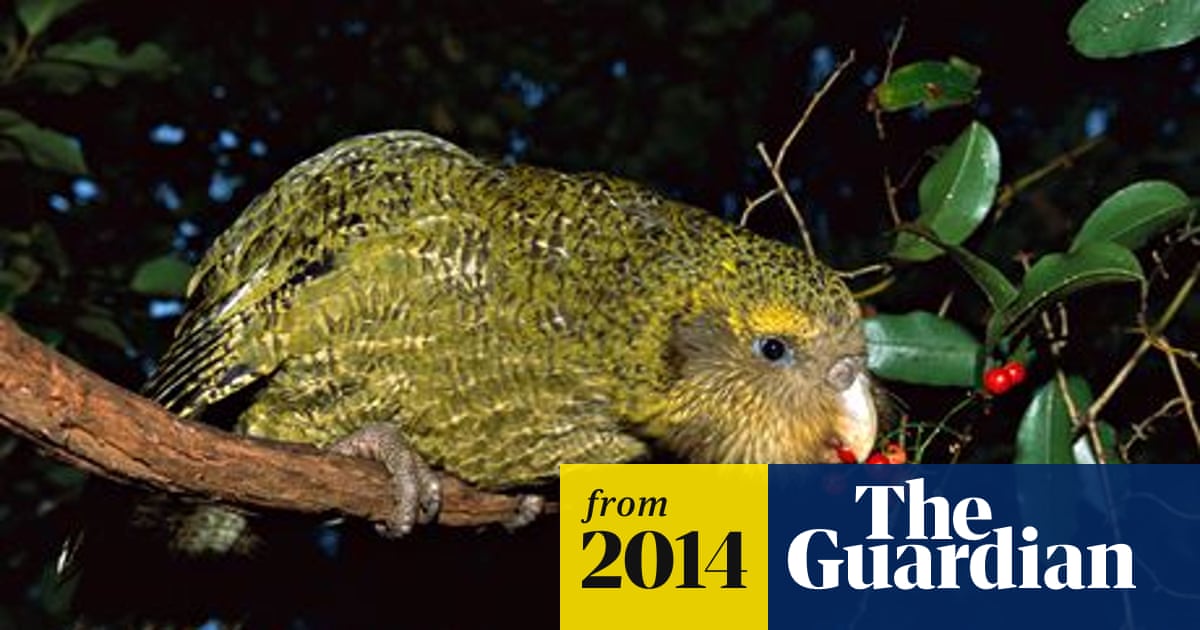
Kakapo Parrot
The Kakapo is a unique, flightless parrot native to New Zealand. Its population fell to just a few dozen because of introduced predators and habitat destruction. Conservationists have worked tirelessly to protect each bird, using intensive monitoring and predator-free sanctuaries.
Imagine the dedication required to care for every individual bird so closely. How would you feel knowing your actions contribute to the survival of such a rare creature?
Spoon-billed Sandpiper
This small shorebird is known for its distinctive spoon-shaped bill. It faces extreme threats from habitat loss due to coastal development and climate change. With fewer than 800 individuals left, urgent protection of its breeding grounds is crucial.
What can you do to support shorebird habitats near your community? Simple steps like supporting wetland conservation can help reverse their decline.
Philippine Eagle
The Philippine Eagle, one of the world’s largest and most powerful eagles, is critically endangered. Deforestation and hunting have drastically reduced its population. Efforts to protect this majestic bird include habitat preservation and community education programs.
Have you ever wondered how preserving forests benefits not just eagles but entire ecosystems? Your awareness and advocacy can boost these birds’ chances of survival.
Credit: www.theguardian.com
Conservation Efforts
Conserving endangered bird species demands focused and ongoing efforts that tackle the root causes of their decline. Protecting these birds means more than just saving individuals—it means rebuilding the ecosystems they depend on and securing their future. You might wonder how these efforts come together effectively and what role you could play in supporting them.
Habitat Restoration
Restoring natural habitats is crucial for giving endangered birds a chance to thrive again. Damaged forests, wetlands, and grasslands are carefully revived to provide safe nesting and feeding grounds. Sometimes, this involves removing invasive plants that choke native vegetation or replanting trees that birds rely on for shelter.
Have you noticed a local park or reserve undergoing changes? Many such projects focus on habitat restoration to attract bird species back. Your support or volunteer work can directly impact these restoration activities.
Breeding Programs
Breeding programs in zoos and sanctuaries help boost populations of birds that struggle to survive in the wild. These programs carefully manage mating pairs to maintain genetic diversity and prevent inbreeding. Once young birds grow strong, they are often released into protected areas where they can adapt and breed naturally.
One inspiring success story is the California condor, brought back from just 27 individuals through captive breeding. What if your community’s local zoo runs a similar program? Visiting or donating could help sustain these vital efforts.
Legislation And Policies
Laws play a powerful role in protecting endangered birds by restricting harmful activities like hunting, logging, and land development. Governments create policies that designate protected areas and regulate pollution to keep bird habitats safe. Enforcement of these laws ensures that conservation efforts have real teeth.
Do you know which laws protect birds in your area? Being informed helps you advocate for stronger protections and hold authorities accountable. Your voice can influence policy changes that benefit these vulnerable species.
How You Can Help
Protecting endangered bird species needs action from everyone. Small efforts add up and create big change. You can help birds by supporting groups, joining science projects, and pushing for better laws. Each step helps save habitats and keeps bird populations safe.
Supporting Conservation Organizations
Donate to groups that protect birds and their homes. These organizations work to stop habitat loss and illegal hunting. Volunteering your time can make a difference too. Sharing their work with friends spreads awareness. Together, these actions help fund research and protection efforts.
Participating In Citizen Science
Join bird counts and monitoring programs near you. Recording sightings helps scientists track bird health and numbers. Use apps or websites to submit your data easily. Your observations can guide conservation strategies. It’s a fun way to connect with nature and help science.
Advocating For Policy Changes
Support laws that protect endangered birds and their environments. Contact local leaders to express your concerns. Vote for policies that promote clean habitats and reduce pollution. Encourage communities to preserve natural areas. Strong laws can prevent habitat destruction and support bird recovery.

Credit: www.wildlifenomads.com
Credit: www.theguardian.com
Frequently Asked Questions
What Are The Most Endangered Bird Species?
The most endangered bird species include the Kakapo, California Condor, and the Spix’s Macaw. These birds face threats from habitat loss, hunting, and climate change, making their survival critical.
Why Are Bird Species Becoming Endangered?
Bird species become endangered mainly due to habitat destruction, pollution, invasive species, and climate change. Human activities like deforestation and urbanization greatly reduce their living spaces.
How Can We Protect Endangered Bird Species?
Protecting endangered birds requires habitat preservation, legal protection, and breeding programs. Public awareness and reducing pollution also help improve their chances of survival.
Which Regions Have The Most Endangered Birds?
Tropical rainforests, islands, and wetlands host the most endangered birds. Regions like the Amazon, Madagascar, and Pacific Islands are especially vulnerable.
Conclusion
Protecting endangered birds helps keep nature balanced and healthy. These species face many dangers like habitat loss and pollution. Every small effort counts to save them from disappearing. We all can help by learning and sharing their stories. Saving birds means saving our planet’s future.
Let’s act now to protect these beautiful creatures. Together, we make a difference.