

Have you ever wondered how birds survive in the harsh, cold environments of taiga-like habitats? These birds face tough conditions, yet many of them feed almost exclusively on specific foods.
Understanding their unique diets can open your eyes to nature’s incredible adaptability. If you’re curious about how these birds find food and thrive where few others can, keep reading. This article will reveal surprising facts about their eating habits and why it matters to you and the world around us.
Taiga Habitat Features
Birds in taiga habitats often eat mostly insects and seeds found in cold forests. These habitats offer shelter and food suited to their diets. Many birds adapt well to the unique conditions of taiga environments.
The taiga, also known as the boreal forest, is a unique biome. It stretches across the northern parts of North America, Europe, and Asia. This habitat is home to diverse wildlife, including various bird species. Birds here have adapted to survive in these challenging conditions. Understanding the taiga’s features helps us appreciate how these birds thrive.Climate And Vegetation
The taiga experiences long, cold winters with heavy snowfall. Summers are short and mild. This climate supports a specific type of vegetation. Coniferous trees dominate the landscape. Spruce, fir, and pine trees are common. These trees provide shelter and nesting sites for birds. The dense forest offers protection from harsh weather.Seasonal Changes
The taiga undergoes significant seasonal changes. In winter, snow blankets the ground. Many birds migrate south, but some stay. These resident birds have adapted to find food in the snow. In spring, the snow melts and the forest awakens. Birds return to breed and raise their young. The forest becomes alive with bird calls.Food Resources Availability
Food availability varies with the seasons. In summer, insects are plentiful. Birds feast on them to gain energy. Berries and seeds are also abundant. Winter poses a challenge. Food becomes scarce, and birds rely on stored reserves. Some species feed on tree bark or leftover seeds. The taiga’s food resources shape the birds’ survival strategies.Bird Species In Taiga
Bird species in taiga habitats show unique behaviors and traits. They survive in cold, dense forests with limited food sources. These birds often rely heavily on insects, seeds, and small animals. Their survival depends on special adaptations and seasonal movements.
Common Taiga Birds
- Spruce Grouse – feeds on needles and buds.
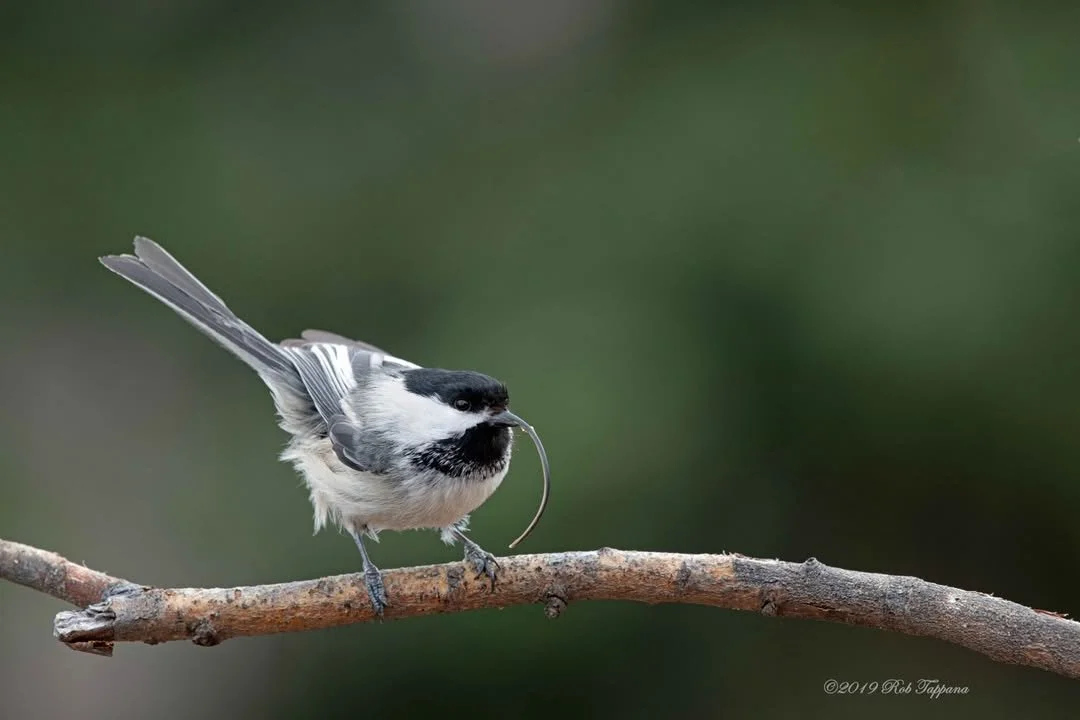
- Black-capped Chickadee – eats insects and seeds.
- Gray Jay – scavenges and stores food.
- Common Redpoll – consumes seeds from birch and alder.
- Boreal Owl – hunts small mammals at night.
Migration Patterns
Many taiga birds migrate south during winter. They avoid harsh weather and food shortages. Some species, like the Gray Jay, stay year-round. Others travel thousands of miles to find better climates. Migration timing depends on food availability and daylight length.
Adaptations To Cold
- Thick feathers provide insulation from freezing temperatures.
- Fat reserves build up before winter for energy.
- Behavioral changes like fluffing feathers trap warm air.
- Some birds store food in caches for later use.
- Color changes help with camouflage in snowy landscapes.
Dietary Preferences
Birds living in taiga-like habitats have unique dietary preferences. These preferences help them survive harsh and cold environments. Their food choices depend on what is available around them. Adaptations in their feeding habits ensure they get enough nutrition. Understanding their diet reveals how these birds thrive in such tough conditions.
Primary Food Sources
Birds in taiga habitats mainly eat insects, seeds, and berries. In summer, insects form a large part of their diet. Seeds from coniferous trees provide energy in colder months. Some birds also eat small mammals or fish occasionally. Their diets change with the seasons to match food availability.
Specialized Feeding Habits
Many taiga birds have special ways to find food. Woodpeckers drill into trees to reach insect larvae. Crossbills use their unique beaks to extract seeds from pine cones. Jays store food in hidden spots to eat later. These habits help them survive when food is scarce.
Impact Of Food Scarcity
Food scarcity affects bird behavior and survival rates. Birds may travel longer distances to find food. Some reduce their activity to save energy. Lack of food can lower breeding success in many species. Survival depends on how well birds adapt to these tough times.
Credit: www.birdtlc.org
Feeding Strategies
Birds living in taiga-like habitats use special feeding strategies. These strategies help them survive in cold, harsh environments. They find food in unique ways and adjust their diets as seasons change. Saving energy is also important for their survival.
Foraging Techniques
Many birds search for insects under tree bark or inside moss. Some hop on branches, picking seeds or berries. Others catch flying insects in the air. Birds use sharp eyesight and quick movements to find food fast. They often feed in groups to increase success.
Seasonal Diet Shifts
Food changes with the seasons in taiga habitats. In summer, birds eat mostly insects and fresh plants. Winter brings a shift to seeds, nuts, and stored food. Some species rely on cached food to survive cold months. This shift helps them get enough energy year-round.
Energy Conservation
Cold temperatures make energy conservation vital. Birds reduce activity during the coldest times of day. They fluff feathers to trap heat and stay warm. Some enter a state called torpor to lower their body temperature. These habits help them use energy wisely and survive winter.
Ecological Role Of Taiga Birds
The birds of taiga habitats play a vital role in maintaining the balance of these unique ecosystems. Their activities influence plant growth, insect populations, and the interactions among various species. Understanding their ecological role helps you appreciate how interconnected life in the taiga truly is.
Seed Dispersal
Many taiga birds feed on berries and seeds, carrying them across vast distances. As they move and excrete seeds, they help plants colonize new areas. This natural seed dispersal supports forest regeneration and biodiversity.
Think about how a single berry-eating bird can impact the growth of trees miles away. This process sustains the taiga’s dense vegetation and keeps the ecosystem healthy.
Pest Control
Taiga birds consume a large number of insects, including those harmful to trees. By feeding almost exclusively on insects during certain seasons, they naturally control pest populations. This reduces the need for chemical interventions and helps maintain forest health.
Have you noticed fewer insect outbreaks in areas with abundant bird activity? This balance is a direct result of birds keeping pests in check.
Interactions With Other Species
Birds in the taiga interact with mammals, plants, and even fungi, forming complex relationships. For example, some birds create nesting sites that other animals later use. These interactions shape the community structure and resource availability.
Consider how your actions in preserving bird habitats can ripple through the ecosystem, affecting many species you might not expect. Protecting taiga birds means supporting a web of life beyond just the birds themselves.
Challenges And Threats
Birds living in taiga-like habitats face many challenges that threaten their survival. These birds depend on specific environments and food sources. Changes to their habitat can disrupt their life cycles and reduce their numbers. Understanding these threats helps us protect these unique birds.
Habitat Loss
Many taiga areas are shrinking due to deforestation and land use changes. Trees are cut for wood and to clear land for farming. This reduces the space birds need to live and find food. Without enough habitat, bird populations decline quickly.
Loss of habitat also affects nesting sites. Birds may struggle to find safe places to raise their young. This leads to fewer birds surviving each year.
Climate Change Effects
Climate change alters the temperature and weather patterns in taiga regions. Warmer winters and shorter snow seasons affect bird migration and breeding. Some birds may arrive too early or too late for peak food availability.
Changes in insect populations, which many birds feed on, also impact their food supply. Some species may move north or to higher elevations to find suitable conditions. This shift can reduce biodiversity in taiga habitats.
Human Impact
Human activities like mining, logging, and road building disrupt bird habitats. Noise and pollution from these activities stress birds and reduce their chances to thrive. Light pollution can also confuse birds during migration.
Hunting and trapping pose direct threats to some bird species. Illegal activities reduce bird numbers faster than natural causes. Protecting birds requires controlling these human impacts effectively.
Conservation Efforts
Conserving birds that thrive in taiga-like habitats and feed almost exclusively on specific resources requires focused and ongoing efforts. These birds often face threats from habitat loss, climate change, and human activities. Protecting their delicate ecosystems is essential not only for their survival but also for maintaining the balance of these unique environments.
Protected Areas
Designating protected areas helps safeguard critical habitats for taiga birds. These zones limit human interference, allowing bird populations to thrive naturally.
For example, the establishment of wildlife reserves in Siberia has provided safe breeding grounds for species like the Siberian Jay. Would your community support creating or expanding protected zones nearby to help local wildlife?
Research And Monitoring
Continuous research gives us valuable insights into bird behavior, diet, and population trends. Monitoring programs help detect changes early and guide effective conservation strategies.
Scientists tracking the feeding patterns of these birds have uncovered shifts linked to climate change. How could you contribute to citizen science projects that gather data in your area?
Community Involvement
Local communities play a crucial role in conserving taiga birds by promoting awareness and sustainable practices. Education campaigns encourage respect for these species and their habitats.
In parts of Canada, community-led efforts have reduced disturbances during nesting seasons. Have you witnessed or participated in any local conservation activities that made a difference?
Credit: www.5ensesmag.com

Credit: www.wildlifenomads.com
Frequently Asked Questions
Do Birds In Taiga Habitats Feed Almost Exclusively?
Birds in taiga habitats mostly feed on insects, seeds, and berries. Their diet varies with seasons and availability. Some species adapt to eat small mammals or fish when needed. They rarely rely on a single food source exclusively.
What Types Of Food Do Taiga Birds Prefer?
Taiga birds prefer insects during summer and seeds or berries in winter. They consume a mix of protein-rich insects and plant-based foods. This varied diet helps them survive harsh seasonal changes in taiga regions.
How Do Taiga Birds Adapt Their Diet Seasonally?
Taiga birds switch from insect-based diets in summer to seeds and berries in winter. This seasonal adaptation ensures a steady food supply year-round. It helps them cope with the scarcity of insects during cold months.
Are Taiga Birds Specialized Feeders Or Generalists?
Most taiga birds are generalist feeders, consuming various foods like insects, seeds, and small animals. This flexibility improves their survival chances in the challenging taiga environment. Few species show strong specialization but still maintain some dietary variety.
Conclusion
Birds living in taiga habitats rely on a few key foods. Their diet mostly includes insects, seeds, and small animals. This helps them survive harsh winters and scarce resources. These birds show how nature adapts in tough conditions. Understanding their habits can teach us about wildlife balance.
Watching these birds can be both fun and educational. Their unique feeding habits make them special in the forest. Nature’s way of survival, simple yet effective.