

Have you ever wondered where the dodo bird once lived? This strange, flightless bird vanished long ago, yet its story still captures our imagination.
Knowing where the dodo’s habitat was can help you understand why it disappeared and what lessons it holds for us today. If you want to uncover the secrets of the dodo’s home and why it mattered so much, keep reading—your curiosity is about to be rewarded.

Credit: theorkneynews.scot
Dodo Bird Origins
The dodo bird, a symbol of extinction, holds a fascinating origin story. Native to the island of Mauritius, this flightless bird thrived in isolation. Understanding its roots helps unravel the mysteries of its habitat and disappearance.
Species Background
The dodo, known scientifically as Raphus cucullatus, was a unique bird. It belonged to the pigeon family, Columbidae. Unlike its relatives, the dodo could not fly. It evolved on Mauritius, a remote island in the Indian Ocean. This isolation shaped its distinct characteristics.
Evolutionary Path
The dodo’s ancestors likely flew to Mauritius. Over time, they adapted to the island’s environment. With no predators, flight became unnecessary. The dodo developed strong legs for walking and a large beak for foraging. Its size increased as it adapted to the island’s resources.
Mauritius Island Habitat
The dodo bird lived exclusively on Mauritius Island. This island provided a unique environment that supported the dodo’s survival. Understanding Mauritius Island’s habitat gives insight into why the dodo thrived there. The island’s isolation and natural features shaped the dodo’s life and behavior.
Geographical Location
Mauritius Island lies in the Indian Ocean, east of Madagascar. It is part of the Mascarene Islands. The island is volcanic and relatively young in geological terms. Its isolation made it a safe home for many unique species, including the dodo. Mauritius is about 2,000 kilometers away from the nearest major landmass.
Environmental Features
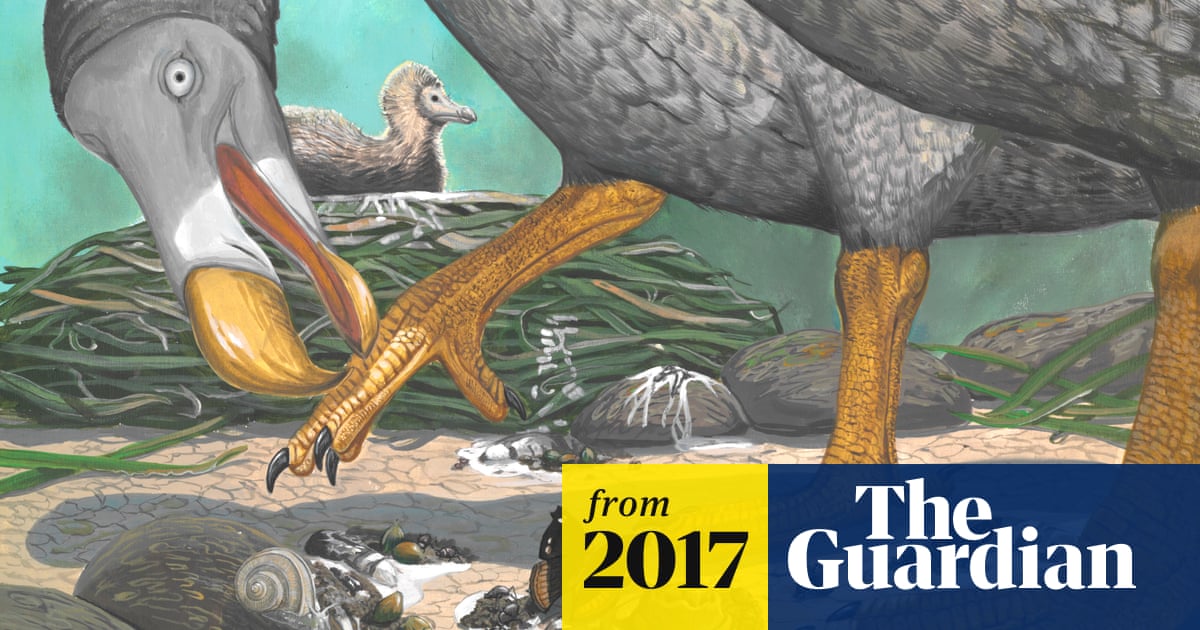
Mauritius has a tropical climate with warm temperatures year-round. The island features dense forests that once covered most of its area. These forests provided food and shelter for the dodo. The island also had freshwater streams and rich soil supporting diverse plants. The dodo’s habitat included both lowland forests and coastal areas. The absence of natural predators allowed the dodo to evolve without fear.
Ecosystem And Climate
The dodo bird’s habitat was unique, shaped by its ecosystem and the climate of its home island. Understanding these elements helps you picture the environment where the dodo thrived before it vanished. Let’s take a closer look at the plants surrounding the dodo and the weather patterns that influenced its life.
Flora Surroundings
The dodo lived on Mauritius, an island rich with dense forests and diverse plant life. Tall ebony trees and screw pines created thick canopies, offering shelter and food sources. You might be surprised to learn that many plants there were unlike those on nearby islands, making this habitat truly distinct.
Ground plants, like ferns and shrubs, covered the forest floor, providing insects and fruits that formed part of the dodo’s diet. This lush vegetation created a balanced environment where the dodo could easily find food without needing to fly. Have you ever thought how important plant variety is for an animal’s survival?
Climate Conditions
Mauritius enjoys a tropical climate with warm temperatures year-round, which suited the dodo well. The island experienced a wet season with heavy rains and a dry season with milder weather. These changes influenced the availability of food and water, shaping the dodo’s behavior and breeding cycles.
The consistent warmth meant no need for the dodo to migrate or adapt to cold weather. However, sudden storms could alter the landscape quickly, challenging the dodo’s ability to find safe shelter. How do you think such weather patterns would affect an animal that cannot fly or escape quickly?

Credit: medium.com
Dodo’s Ecological Role
The dodo bird played an important role in its island ecosystem. It helped keep the environment balanced through its feeding and interactions. Understanding the dodo’s ecological role reveals how it fit within its habitat and impacted other species.
Diet And Feeding Habits
The dodo mainly ate fruits, seeds, and roots. Its strong beak helped it crack hard seeds. It also fed on fallen fruit from the forest floor. This diet helped spread seeds around the island. The dodo’s feeding habits aided forest growth and plant diversity.
Interactions With Other Species
The dodo had few natural predators. Its large size and flightlessness made it vulnerable to new animals brought by humans. The dodo helped other species by dispersing seeds through its droppings. It also competed with some animals for food. This balance kept the island’s ecosystem stable.
Impact Of Human Arrival
The arrival of humans on Mauritius had a severe effect on the dodo bird’s habitat. This island was once a safe place for the dodo, with rich forests and no natural predators. Human activities changed this environment quickly. The dodo’s home was disturbed, and the balance of nature was broken. The impact was swift and led to the dodo’s extinction in less than a century.
Habitat Disruption
Humans cleared large parts of the forest for settlements and farming. Trees were cut down, removing food sources and nesting areas for the dodo. The natural landscape changed into open land, unsuitable for the dodo’s survival. Noise and human presence scared many animals away. The dodo lost its safe space to live and breed.
Introduction Of Invasive Species
Humans brought new animals like rats, pigs, and monkeys to the island. These invasive species hunted dodo eggs and young birds. They also competed for food and space. The dodo had no defense against these new threats. This invasion added pressure, further reducing dodo numbers quickly.
Extinction Factors
The extinction of the dodo bird is a tragic story shaped by several key factors. These factors combined to wipe out a species that once thrived on Mauritius Island. Understanding these causes helps us learn how fragile ecosystems can be.
Hunting Pressure
Humans arrived on Mauritius in the late 1500s. They hunted dodos for food, as the birds were large and easy to catch. Sailors and settlers did not see the dodo as special or protected. This hunting quickly reduced the dodo population. The birds had no natural fear of humans, making them even easier targets.
Environmental Changes
Humans brought new animals like rats, pigs, and monkeys. These animals ate dodo eggs and competed for food. The island’s forests were also cut down for settlements and farms. This habitat loss left fewer places for dodos to live and find food. These changes made it hard for the dodo to survive and reproduce.
Legacy Of The Lost Paradise
The dodo bird once lived only on Mauritius Island in the Indian Ocean. This island was a rich, untouched paradise filled with unique plants and animals. The dodo’s extinction marked the loss of this special habitat forever. Its story warns about the fragile balance between nature and humans.
Though the dodo is gone, its memory lives on. It reminds us how fragile ecosystems can disappear fast. The dodo’s legacy teaches important lessons about protecting wildlife and nature’s wonders.
Conservation Lessons
The dodo’s extinction shows the impact of human actions on wildlife. Invasive species and hunting led to its quick disappearance. This event helps scientists and conservationists understand how to protect vulnerable species today.
Efforts to save endangered animals now focus on:
- Preserving natural habitats
- Controlling invasive species
- Raising awareness about biodiversity
These lessons from the dodo’s loss guide modern conservation programs worldwide.
Cultural Significance
The dodo bird has become a powerful symbol in culture and science. It represents extinction and nature’s fragility. Artists, writers, and educators use the dodo to remind people of the need to protect wildlife.
The dodo appears in books, films, and museums. It inspires curiosity about history and the environment. This bird’s story connects past and present efforts to care for our planet.
Credit: www.theguardian.com
Frequently Asked Questions
Where Was The Natural Habitat Of The Dodo Bird?
The dodo bird lived exclusively on Mauritius Island in the Indian Ocean. This island provided dense forests and abundant food sources. The dodo thrived in this isolated habitat until human arrival disrupted its ecosystem.
What Type Of Environment Did Dodo Birds Prefer?
Dodos preferred tropical forest habitats with thick vegetation. These environments offered shelter, nesting sites, and plenty of fruits. The island’s warm climate supported their survival without natural predators initially.
Why Did Dodo Birds Only Live On Mauritius?
Mauritius was the dodo’s only home due to its geographic isolation. The bird evolved there without threats, adapting uniquely to the island’s conditions. Their limited range made them vulnerable to extinction after human contact.
How Did Mauritius’ Ecosystem Support Dodo Survival?
Mauritius had rich forests with fruiting trees and a predator-free environment. This allowed dodos to feed on fruits and nest safely. The ecosystem’s balance was crucial until humans and invasive species arrived.
Conclusion
The dodo bird lived only on Mauritius Island in the Indian Ocean. It found shelter in forests and fed on fruits and seeds. Sadly, people and animals destroyed its home and food. This loss caused the dodo to disappear forever.
Studying its habitat helps us protect other animals today. Nature’s balance depends on every creature’s place. Remembering the dodo reminds us to care for our world. Small actions can save many species from vanishing.