
Have you ever wondered what birds eat when they’re out in the wild? Understanding their natural diet can give you a fresh appreciation for these amazing creatures you see every day.
From tiny seeds to juicy insects, birds rely on a variety of foods to stay healthy and strong. By learning what fuels their lives, you’ll see birds in a whole new light—and maybe even discover how to attract them to your own backyard.
Keep reading, and you’ll uncover the surprising details about what birds really eat in their natural habitat.
Bird Diet Basics
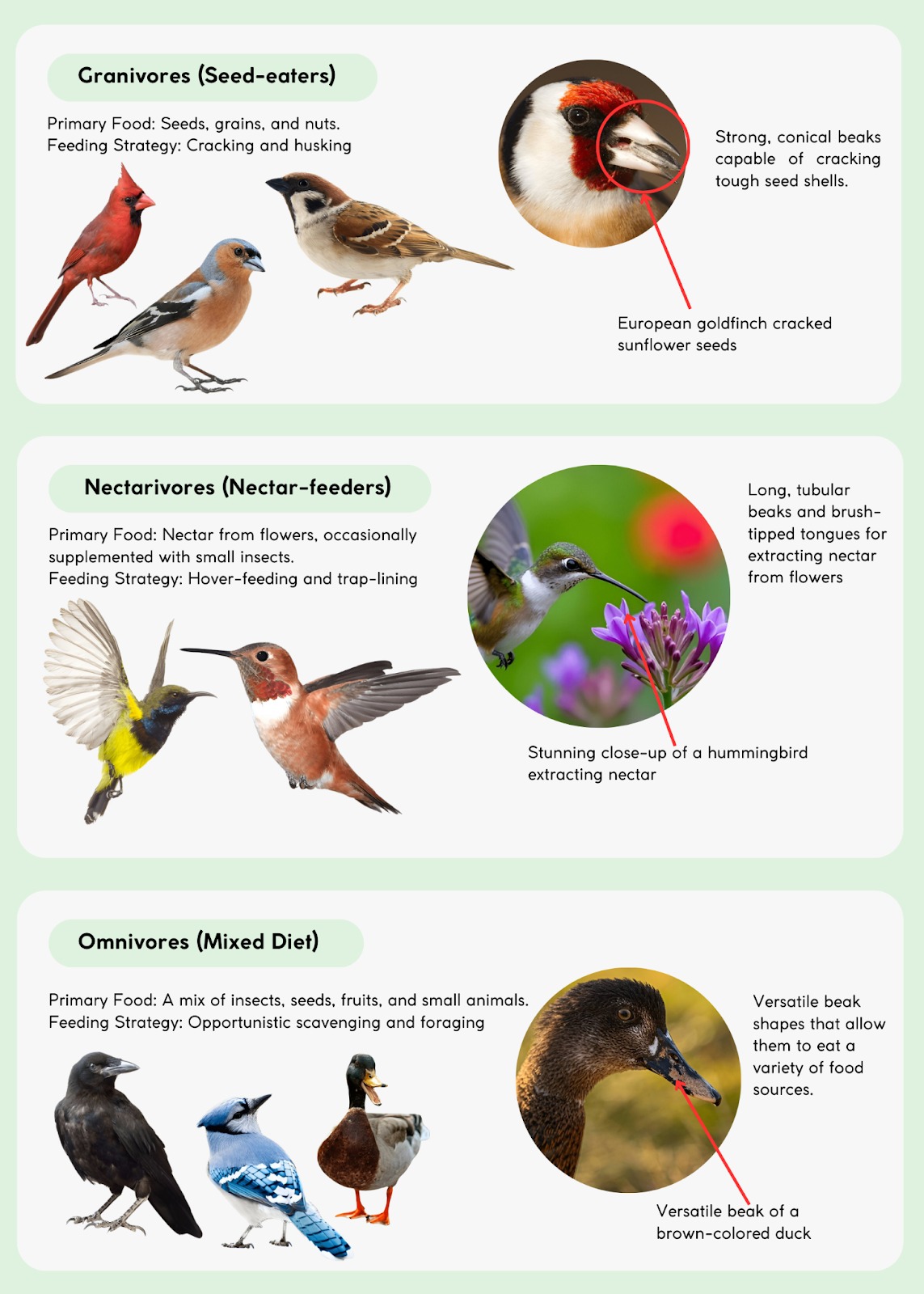
Birds eat seeds, fruits, insects, and small animals found in their natural surroundings. Their diet varies by species and habitat. Eating what nature provides helps birds stay healthy and strong.
Understanding what birds eat in their natural habitat is a window into the fascinating world of avian life. Birds have diverse diets that are as varied as their species, and knowing these basics can enhance your bird-watching experience. Whether you’re an avid birder or just curious, learning about bird diets can make your encounters more meaningful.Common Food Types
Birds consume a wide range of food sources, tailored to their environment and evolutionary needs. Many birds feast on seeds, berries, and fruits, which are abundant in forests and gardens. Others, like hawks and eagles, are predators, hunting small mammals and fish. Insects also play a crucial role, providing protein-rich meals for many bird species, especially during breeding seasons.Nutritional Needs
Just like humans, birds require a balanced diet to thrive. They need a mix of carbohydrates, proteins, and fats. Seeds are a vital source of energy, while insects and small animals offer essential proteins. Water is also critical, both for drinking and aiding in digestion. Have you ever noticed birds flocking to puddles or streams? They’re not just quenching their thirst but maintaining their health.Seasonal Variations
Birds adapt their diets based on seasonal changes, ensuring they meet their nutritional needs year-round. During spring and summer, insects and larvae are plentiful, providing necessary nutrients for breeding birds. In autumn, many birds switch to consuming more berries and seeds as they prepare for migration. Winter brings challenges, but birds are resourceful, often relying on stored food or scavenging in urban areas. What seasonal changes have you observed in bird behavior around you? Recognizing these patterns can deepen your appreciation for their resilience. By understanding these diet basics, you can better appreciate the birds that visit your backyard or local park. This knowledge not only enriches your bird-watching but also helps in creating a more bird-friendly environment. So next time you spot a bird, consider what it might be eating and how it thrives in its natural habitat.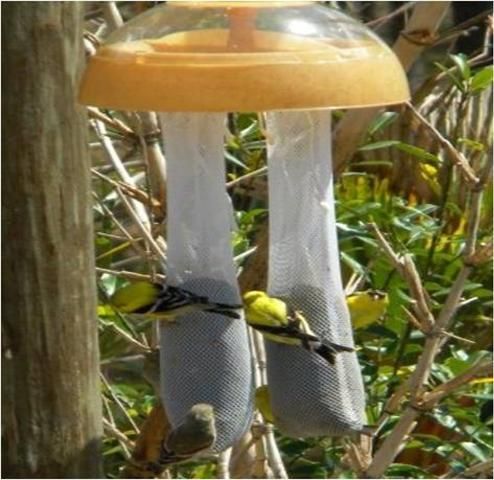
Credit: edis.ifas.ufl.edu
Seeds And Grains
Seeds and grains form a major part of many birds’ diets in the wild. These tiny powerhouses provide essential nutrients that keep birds active and healthy. Understanding what kinds of seeds birds prefer and how they find them can help you appreciate their natural behaviors and even attract them to your backyard.
Popular Seed Choices
Birds often go for seeds that are easy to access and rich in energy. Some favorites include:
- Sunflower seeds:Highly popular among a wide variety of birds like finches, cardinals, and chickadees.
- Millet:Especially loved by smaller birds such as sparrows and doves.
- Safflower seeds:Preferred by cardinals and grosbeaks but often ignored by squirrels.
- Nyjer (thistle) seeds:Tiny seeds that attract finches and other small songbirds.
Choosing the right seed can make a big difference if you want to observe certain birds. Have you ever noticed how some birds ignore certain feeders but flock to others? That’s often about seed preference.
How Birds Find Seeds
Birds rely on sharp eyesight and quick instincts to locate seeds in their environment. Many species scan the ground or tree branches, spotting seeds that blend in with leaves or soil.
Some birds, like sparrows, use their beaks to dig through leaf litter, while others like finches pick seeds directly from plants. You might be surprised to see how patiently they watch and wait for the perfect moment to grab a seed.
Benefits Of Grain Consumption
Grains provide birds with carbohydrates, which are essential for energy, especially during migration or cold weather. They also contain proteins and fats needed for muscle repair and maintaining body heat.
Consuming grains helps birds build fat reserves that act as fuel for long flights or survival during scarce food periods. If you watch closely, you’ll see birds adjusting their eating habits according to the season, focusing more on grains when they need extra energy.
Fruits And Berries
Fruits and berries make up a vital part of many birds’ diets in the wild. They offer a rich source of energy and nutrients, especially during seasons when insects and seeds are scarce. Watching birds feast on these colorful treats reveals much about their preferences and survival strategies.
Favorite Wild Fruits
Birds often seek out fruits that are easy to spot and rich in sugars. Common favorites include:
- Wild berries like blackberries, raspberries, and elderberries
- Fruits from native trees such as mulberries, crabapples, and serviceberries
- Figs and cherries in warmer climates
These fruits not only provide energy but also attract birds with their bright colors and sweet aromas. Have you noticed how some species prefer certain berries over others?
Role In Bird Nutrition
Fruits and berries supply essential vitamins, especially vitamin C and antioxidants, which support birds’ immune systems. The natural sugars act as quick fuel, helping birds stay active and warm. Additionally, the fiber in these foods aids digestion and helps maintain a healthy gut.
Birds eating a fruit-rich diet tend to have better feather condition and higher energy levels. Next time you see a bird nibbling on a berry, consider how this snack supports its day-to-day survival.
Foraging Techniques
Birds use various methods to find and eat fruits. Some hop from branch to branch, picking berries gently with their beaks. Others, like thrushes, may pluck fruit while hovering briefly.
Many birds time their feeding trips to when fruits are ripe and soft, making eating easier. They also remember fruitful spots and return regularly, showing impressive spatial memory.
How often have you spotted a bird returning to the same bush or tree? Observing this behavior can deepen your understanding of their food habits and intelligence.
Insects And Invertebrates
Insects and invertebrates form a crucial part of many birds’ diets. These small creatures provide essential proteins and nutrients. Birds rely on them for energy and growth. Their availability often shapes bird feeding habits and behavior.
Common Insect Prey
- Beetles
- Ants
- Caterpillars
- Flies
- Grasshoppers
- Spiders
- Dragonflies
These insects vary by region and bird species. Many birds prefer soft-bodied insects like caterpillars. Others hunt hard-shelled beetles for their nutrients.
Hunting Strategies
Birds use different ways to catch insects. Some catch flying insects mid-air with quick moves. Others pick insects from leaves or tree bark. Ground-feeding birds search soil or leaf litter. Some birds use their sharp beaks to dig or probe. Patience and sharp vision help many hunters succeed.
Seasonal Importance
Insects are more common in warm months. Birds eat more insects in spring and summer. This helps them feed their young with protein-rich food. In colder months, insects become scarce. Birds switch to seeds, fruits, or small animals then. The insect diet is vital for breeding success.
Nectar And Flower Feeding
Nectar and flower feeding is a fascinating aspect of many birds’ diets. These birds have evolved special adaptations to access the sweet liquid found deep within flowers. Watching them feed is not only a treat but also a glimpse into the important role they play in nature.
Birds That Feed On Nectar
Some birds rely heavily on nectar as their primary food source. Hummingbirds, with their rapid wing beats and long bills, are the most famous nectar feeders. Sunbirds and honeyeaters also depend on nectar and are often found flitting from flower to flower.
If you’ve ever seen a hummingbird hover near a flower, you’ve witnessed a perfectly designed nectar feeder at work. Their bills are shaped to reach deep into flowers, and their tongues can lap up nectar quickly. This feeding habit gives them the energy needed for their high metabolism.
Flower Preferences
Not all flowers are equally attractive to nectar-feeding birds. Birds tend to prefer brightly colored flowers, especially reds and oranges, which stand out to their keen eyesight. Tubular flowers are especially favored because their shape fits the birds’ bills perfectly.
Think about the flowers in your garden. Are they inviting to hummingbirds or sunbirds? Adding tubular, brightly colored flowers like trumpet vine or hibiscus can attract these birds. Their presence can add life and movement to your outdoor space.
Pollination Role
Nectar feeders are more than just consumers; they are vital pollinators. As birds move from flower to flower sipping nectar, they transfer pollen on their feathers and bills. This process helps plants reproduce and maintain biodiversity.
Have you ever paused to notice how birds and flowers depend on each other? Without these nectar feeders, many plants would struggle to survive. Your garden can become a small ecosystem supporting this natural partnership by including bird-friendly flowers.

Credit: www.allaboutbirds.org
Small Vertebrates And Fish
Many birds eat small vertebrates and fish as part of their natural diet. These animals provide essential proteins and nutrients. Birds living near water often catch fish. Others hunt small mammals, reptiles, or amphibians in forests, fields, or wetlands.
Birds That Hunt Small Animals
Birds of prey like hawks, eagles, and owls often hunt small animals. Kingfishers and herons specialize in catching fish. Some crows and shrikes also hunt small vertebrates. These birds rely on sharp eyesight and quick reflexes to catch prey.
Hunting Methods
Birds use different hunting methods to catch small animals. Some swoop down quickly from the sky. Others dive into water to catch fish. Some birds wait patiently and strike suddenly. Some use their strong talons to grab prey. Sharp beaks help tear the catch into pieces.
Dietary Impact
Eating small vertebrates and fish helps birds stay healthy. These foods provide high energy and important nutrients. Birds that eat meat often have stronger muscles and sharper senses. This diet helps them survive in tough environments. It also controls the population of small animals in the ecosystem.
Water And Mineral Sources
Birds need water and minerals to stay healthy and active. These elements help their bodies work well. In nature, birds find water and minerals in many ways. Their choices depend on their habitat and diet.
Sources Of Hydration
Birds drink from ponds, rivers, and rain puddles. Dew on leaves also provides moisture. Some birds get water from the food they eat, like fruits and insects. They sip water carefully, using their beaks and tongues. Clean water is important for their survival.
Mineral Intake
Minerals are vital for strong bones and healthy feathers. Birds absorb minerals from seeds, soil, and plants. Some minerals come from small stones birds swallow, called grit. This helps with digestion and nutrient absorption. Minerals support their energy and immune system.
Salt Licks And Clay
Salt licks are natural deposits rich in salts and minerals. Birds visit these spots to lick essential nutrients. Clay also provides minerals and helps neutralize toxins in their diet. Parrots and macaws often eat clay to balance their nutrition. These natural sources boost their health in the wild.
Feeding Adaptations
Birds have evolved remarkable feeding adaptations that help them thrive in their natural habitats. These adaptations allow them to access a wide variety of food sources, from seeds and insects to fish and nectar. Understanding these traits gives you a clearer picture of how birds survive and interact with their environment.
Beak Shapes And Functions
Beak shapes vary greatly among bird species, each designed to handle specific types of food. For example, hawks have sharp, hooked beaks perfect for tearing meat, while finches sport short, strong beaks ideal for cracking seeds.
Have you noticed how hummingbirds have long, slender beaks? This shape lets them reach deep into flowers to sip nectar, showing how form follows function in nature. Your own observation of birds in your backyard can reveal a lot about what they eat just by looking at their beak shapes.
Digestive Adaptations
Birds possess specialized digestive systems tailored to their diets. Seed-eaters often have strong gizzards filled with small stones that grind tough seeds, compensating for their lack of teeth.
Carnivorous birds, on the other hand, have shorter digestive tracts that quickly process meat to meet their energy needs. These digestive adaptations ensure birds efficiently extract nutrients from their varied diets, helping them stay active and healthy.
Behavioral Feeding Traits
Feeding isn’t just about physical traits; behavior plays a crucial role too. Some birds, like woodpeckers, use their strong beaks to tap trees and find hidden insects, showing problem-solving skills in action.
Other birds form flocks to locate food more effectively or engage in food caching—storing surplus food for later use. Watching these behaviors can inspire you to think about how animals adapt their habits to survive challenges in their environments.
Human Impact On Bird Diets
Human activities have changed the way birds find and eat food. Birds in cities and towns often eat different foods than those in the wild. Changes in land use and pollution also affect bird diets. These impacts can harm bird health and survival. Understanding these changes helps protect birds and their natural feeding habits.
Urban Feeding Changes
Birds living in cities eat more human food scraps than natural foods. They often eat bread, chips, and other processed items. These foods lack important nutrients. Urban birds may also rely on bird feeders filled by people. This changes their natural diet and behavior. Some species adapt well, but others struggle to thrive.
Effects Of Habitat Loss
Cutting down forests and building roads remove natural food sources. Birds lose access to fruits, seeds, and insects. Many birds must travel farther to find food. Some species face starvation or move to new areas. Habitat loss reduces bird diversity and disrupts ecosystems.
Conservation Efforts
People work to restore habitats and create safe places for birds. Planting native trees and flowers helps bring back natural foods. Conservation groups educate the public about feeding birds properly. Efforts include reducing pollution and protecting wetlands. These actions improve bird diets and support healthy populations.

Credit: www.allaboutbirds.org
Frequently Asked Questions
What Do Wild Birds Commonly Eat In Nature?
Wild birds eat seeds, fruits, insects, nectar, and small animals. Their diet varies by species and habitat. Many birds adapt to available food sources seasonally.
How Do Birds Find Food In Their Natural Habitat?
Birds use sight, hearing, and memory to locate food. They also follow other animals or flock members to feeding spots. Some birds forage on the ground, while others hunt in trees or water.
Do Birds Eat Different Foods In Different Seasons?
Yes, birds change diets with seasons. They eat insects and nectar in spring and summer. In fall and winter, seeds and berries become primary food sources for many birds.
Are Insects A Major Food Source For Birds?
Insects are crucial for many bird species, especially during breeding. They provide high protein needed for growth. Insect-eating birds often hunt actively in trees, grass, or water.
Conclusion
Birds eat many types of food to survive in nature. Seeds, insects, fruits, and nectar make up their diet. Each bird chooses food based on its needs and habitat. This variety helps birds stay healthy and strong. Watching birds eat shows how they adapt to their world.
Understanding their diet helps us protect their homes. Nature’s balance depends on these small creatures and their food. Caring for birds means caring for the environment too. Simple changes can support birds in your area. Nature’s story is in every bite they take.