
Have you ever wondered where birds feel most at home? Understanding what a bird’s habitat is can change the way you see the world around you.
Your backyard, the park, or even a dense forest—all these places can be a bird’s home. But what makes a habitat perfect for them? When you discover the secrets behind birds’ habitats, you’ll start noticing things you never saw before.
Keep reading, and you’ll learn how these amazing creatures choose their homes and why it matters to you and the environment.
Credit: learn.birdscanada.org
Bird Habitats Around The World
Birds thrive in diverse habitats across the globe. Each habitat offers unique conditions for survival. From lush forests to bustling urban areas, birds adapt to various environments. Explore the incredible diversity of bird habitats around the world.
Forests And Woodlands
Forests and woodlands house countless bird species. Dense trees provide shelter and food. Birds like owls and woodpeckers find homes here. Forests offer rich biodiversity.
Wetlands And Marshes
Wetlands and marshes are vital for many birds. Waterfowl thrive in these moist areas. These habitats offer abundant food and nesting sites. They support a wide range of bird life.
Grasslands And Savannas
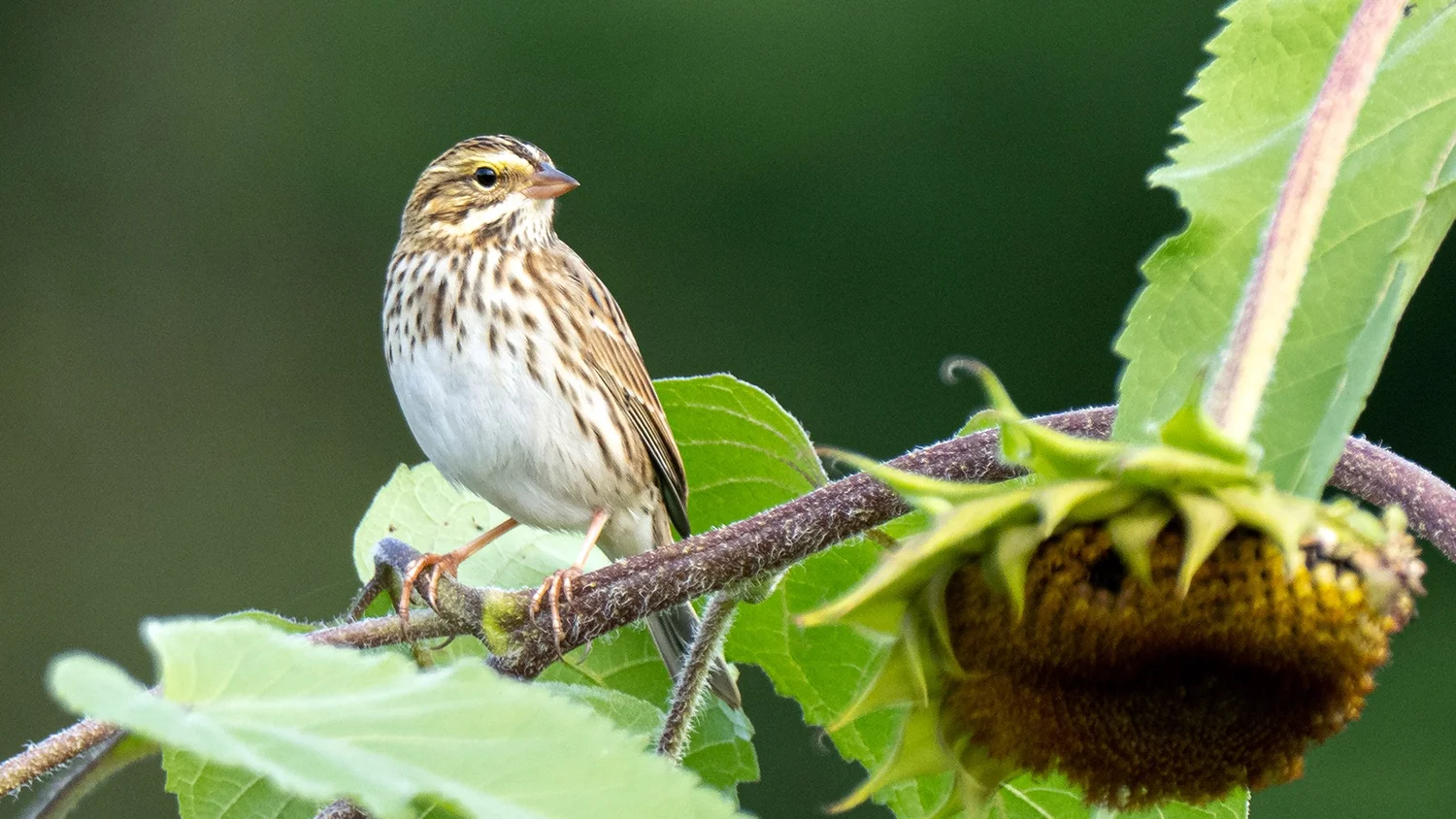
Grasslands and savannas are home to unique bird species. Open spaces suit birds like sparrows and hawks. These areas offer abundant seeds and insects. Birds here are adapted to wide open skies.
Deserts And Arid Regions
Deserts and arid regions challenge bird survival. Birds like the cactus wren have adapted to harsh conditions. Sparse vegetation requires resourceful feeding strategies. These birds showcase resilience.
Urban And Suburban Areas
Urban and suburban areas host many bird species. Cities provide new opportunities for nesting and feeding. Pigeons and sparrows thrive in these environments. Birds adapt to human presence and activities.
Nesting Sites And Shelter
Nesting sites and shelter form the heart of a bird’s habitat. Birds need safe places to lay eggs, raise chicks, and rest. These sites protect them from weather and predators. Birds choose spots that suit their species and environment. The variety of nesting sites is vast and fascinating.
Tree Nests And Canopies
Many birds build nests high in trees. Branches offer safety from ground threats. Leaves and canopy cover shield nests from rain and sun. Birds use twigs, leaves, and moss to craft their homes. Some species build cup-shaped nests, others make hanging woven structures. Trees also provide a good lookout for predators.
Ground Nests And Burrows
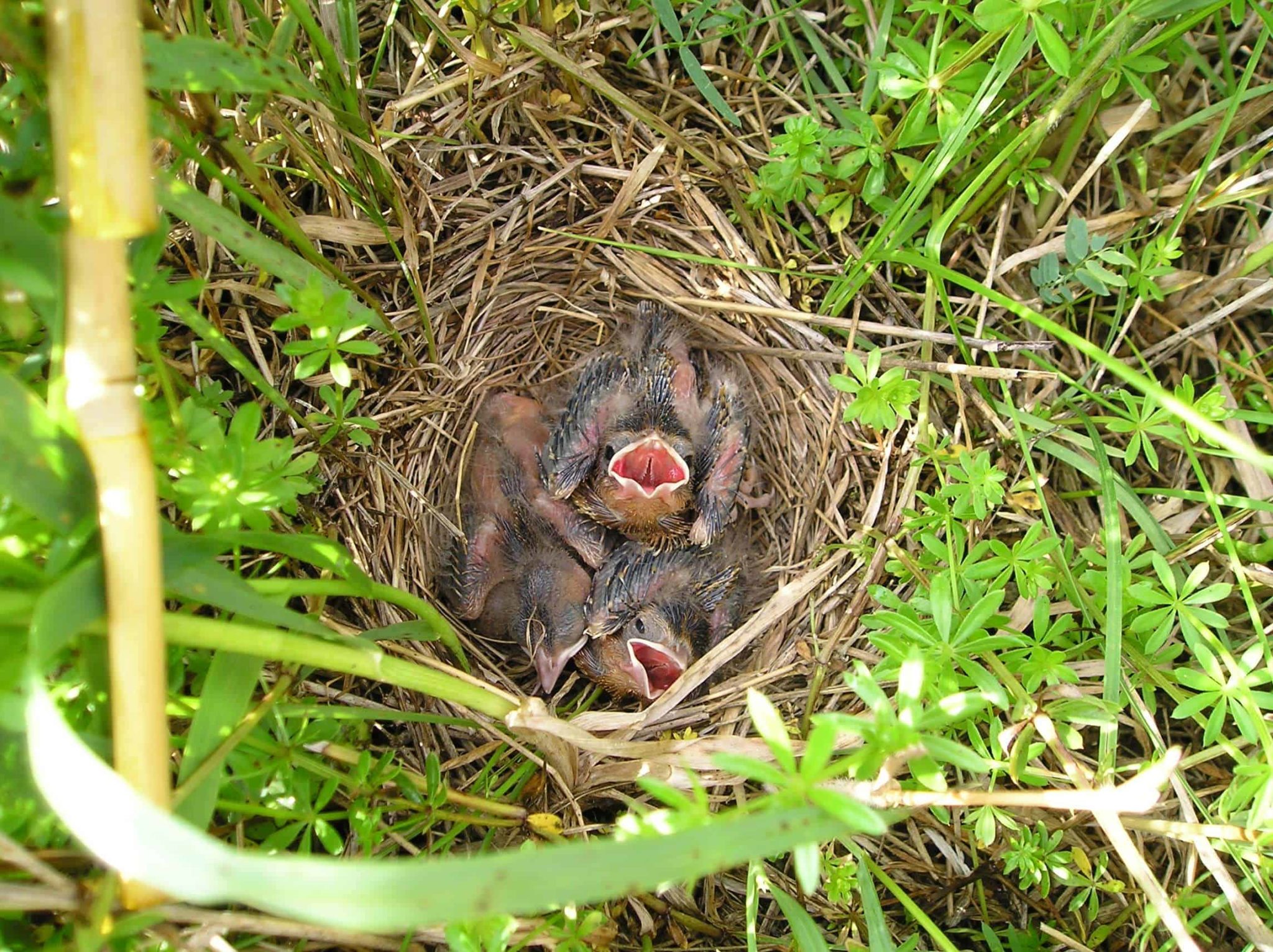
Certain birds nest on the ground or in burrows. Ground nests are hidden in grass or bushes. This camouflage helps avoid detection by predators. Burrowing birds dig tunnels in dirt or sand. These underground homes keep eggs warm and safe. This type of nesting often occurs in open fields or deserts.
Cliffside And Rock Crevices
Some birds prefer cliffs and rocky places for nesting. Crevices offer natural shelter from wind and rain. These spots are hard for predators to reach. Birds like puffins and certain raptors use cliffs. They lay eggs in small ledges or cracks. The rocky habitat provides strong protection for their young.
Human-made Structures
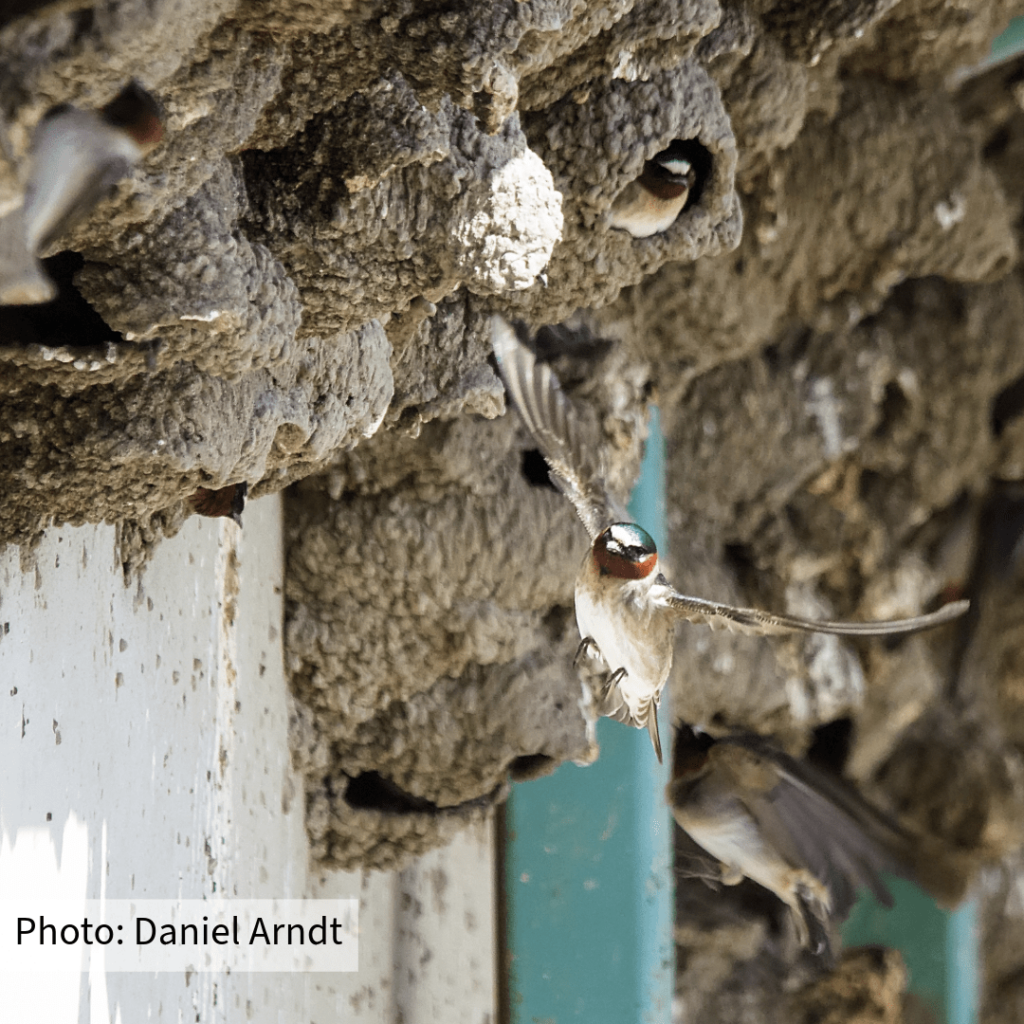
Birds have adapted to use human-made sites for nesting. Buildings, bridges, and nest boxes serve as shelters. Urban birds often build nests on window ledges or roofs. Some species use old pipes or vents. These structures can offer safety and warmth. Birds show great flexibility in finding homes.
Adaptations To Different Habitats
Birds thrive in a wide range of habitats, from dense forests to open deserts. Their survival depends on specific adaptations that help them meet the challenges of their environment. These adaptations shape how birds find food, avoid predators, and reproduce successfully.
Camouflage And Coloration
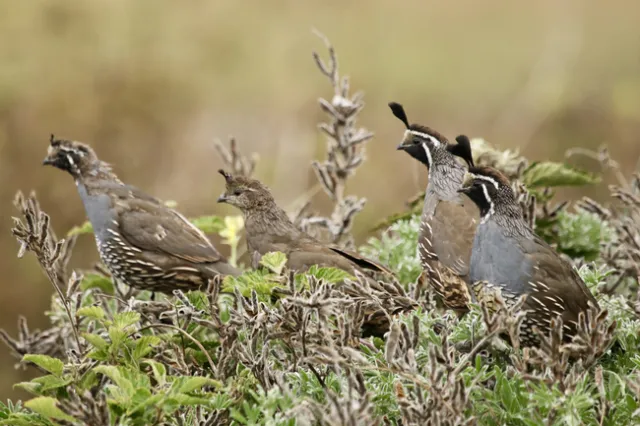
Birds often blend into their surroundings using colors and patterns that match their habitat. A forest bird might have mottled brown feathers to hide among leaves and tree bark. On the other hand, birds in snowy areas typically have white plumage to stay hidden from predators.
Think about how your own clothing choices help you fit into different settings. Birds do this naturally, which raises an interesting question: How might changing environments affect their ability to stay camouflaged?
Beak And Foot Adaptations
The shape of a bird’s beak reveals a lot about its diet and lifestyle. Birds that eat seeds often have strong, thick beaks to crack them open. Water birds have long, slender beaks perfect for catching fish or probing mud for food.
Feet adaptations are equally important. Birds living in trees usually have curved claws for gripping branches. Ground-dwelling birds have stronger, sturdier feet to run or dig. These physical traits directly influence where a bird can live and how it survives.
Migration And Seasonal Movement
Some birds travel thousands of miles to escape harsh weather or find food. Migration allows them to exploit different habitats throughout the year. This movement requires incredible endurance and navigation skills.
Have you ever wondered how birds know when and where to migrate? Understanding these seasonal movements helps you appreciate the connection between birds and their habitats on a deeper level.
Credit: www.eastsideaudubon.org
Threats To Bird Habitats
Bird habitats face many threats today. These dangers affect birds’ ability to find food, shelter, and safe places to raise their young. Protecting these habitats is crucial for bird survival. Understanding these threats helps us act to save them.
Deforestation And Habitat Loss
Cutting down trees destroys bird homes. Forests vanish to make space for farms and cities. Birds lose nesting sites and food sources. Without habitats, many bird species struggle to live and reproduce.
Pollution And Climate Change
Pollution harms birds in several ways. Chemicals in water and air poison their bodies. Plastic waste can trap or be eaten by birds. Climate change shifts weather patterns and food availability. Birds may find it hard to adapt quickly.
Invasive Species And Predators
Non-native animals often threaten birds. Invasive species compete for food and nest spots. Predators like cats and rats hunt eggs and chicks. These threats reduce bird numbers and disturb ecosystems.
Conservation Efforts
Protecting bird habitats is essential to preserving biodiversity and maintaining healthy ecosystems. Conservation efforts focus on safeguarding the environments where birds live, feed, and breed. These efforts involve collaboration between governments, communities, and individuals like you to make a real difference.
Protected Areas And Reserves
Protected areas and reserves act as safe havens for birds. These zones limit human activity to reduce habitat destruction and disturbance. Places like national parks and wildlife sanctuaries offer birds a secure environment to thrive.
Have you ever visited a bird sanctuary? Seeing birds in their natural surroundings highlights how vital these protected spaces are for their survival. Without these areas, many species would struggle to find safe nesting sites or reliable food sources.
Community Involvement
Your role as a community member can significantly impact bird conservation. Local groups often organize cleanups, habitat restoration, and citizen science projects to monitor bird populations. These activities create awareness and foster a sense of responsibility.
Imagine joining a bird-watching group or planting native trees in your neighborhood. These small actions can create corridors for birds to move safely between habitats. What community projects in your area support wildlife conservation?
Sustainable Practices
Adopting sustainable practices helps reduce harm to bird habitats. This includes minimizing pesticide use, conserving water, and supporting eco-friendly products. Sustainable farming and forestry also protect the landscapes birds depend on.
Think about the choices you make daily—could they be more bird-friendly? Even simple steps like using fewer chemicals in your garden or supporting organic farms contribute to healthier habitats. How can you adjust your habits to benefit the birds around you?
Credit: ucanr.edu
Frequently Asked Questions
What Types Of Habitats Do Birds Live In?
Birds live in diverse habitats like forests, wetlands, grasslands, deserts, and urban areas. Each habitat provides unique food and shelter essential for their survival.
How Do Habitats Affect Bird Behavior?
Habitats influence birds’ feeding, nesting, and migration patterns. Birds adapt their behaviors to survive and reproduce successfully in specific environments.
Why Is Habitat Conservation Important For Birds?
Conserving habitats ensures birds have safe places to live and breed. It helps maintain biodiversity and supports healthy ecosystems.
What Factors Threaten Bird Habitats?
Urbanization, deforestation, pollution, and climate change threaten bird habitats. These factors reduce available resources and nesting sites for birds.
Conclusion
Birds live in many places, from forests to cities. Each bird needs a safe home to find food and shelter. Protecting these habitats helps birds survive and thrive. We all can help by keeping nature clean and safe. Birds bring beauty and life to our world.
Understanding their homes helps us care for them better. Let’s appreciate the places birds call home every day.