
Have you ever stopped to think about where birds really feel at home? A bird’s habitat is more than just a place to live – it shapes everything about their life, from what they eat to how they raise their young.
Understanding these unique environments can change the way you see the birds around you. Keep reading, and you’ll discover surprising facts about bird habitats that might just make you look at your backyard or local park in a whole new way.
Your connection to nature starts here.

Credit: smallfarms.cornell.edu
Bird Habitats And Their Importance
A bird’s habitat provides food, shelter, and a safe place to raise young. Protecting these areas helps keep bird populations healthy and balanced. Habitats vary from forests to wetlands, each supporting different bird species.
Bird habitats are essential for the survival of many species. They provide food, shelter, and places to breed. Understanding these habitats helps us protect bird populations.Types Of Bird Habitats
Birds thrive in diverse environments. Each habitat suits different species:- Forests:Home to woodpeckers and owls.
- Wetlands:Perfect for ducks and herons.
- Grasslands:Favored by larks and sparrows.
- Deserts:Inhabited by roadrunners and falcons.
- Urban Areas:Pigeons and sparrows find refuge here.
Role Of Habitats In Bird Survival
Habitats are vital for bird survival. They offer resources needed for life. – Food Sources: Birds find insects, seeds, or fish in their habitats. – Nesting Sites: Safe places to lay eggs and raise young. – Protection: Shelter from predators and harsh weather. Without proper habitats, birds struggle to survive. Conservation efforts focus on preserving these critical areas. This ensures birds continue to thrive.Common Threats To Bird Homes
Birds depend on safe and stable habitats to thrive, but many face constant dangers that threaten their homes. Understanding these threats helps you see why protecting bird habitats matters. Let’s look at the main challenges birds face in keeping their homes secure and healthy.
Habitat Loss And Fragmentation
Urban growth and farming often eat away at forests, wetlands, and grasslands where birds live. This loss means fewer places for birds to find food, build nests, and raise their young.
Fragmentation breaks large habitats into smaller pieces, isolating bird populations. Have you noticed birds disappearing from areas you once saw them? This is often why.
Pollution And Climate Change
Pollution from chemicals, plastics, and waste contaminates water and soil, directly harming birds and their food sources. Even small amounts of toxins can reduce bird reproduction and survival.
Climate change shifts weather patterns and seasons. Birds might find their usual nesting times or food supplies disrupted, forcing them to adapt quickly or move on.
Invasive Species Impact
Non-native plants and animals can take over bird habitats, competing for food or preying on eggs and chicks. For example, invasive rats on islands often destroy ground nests.
These invaders can alter the habitat so much that native birds struggle to survive. What can you do locally to help control invasive species and protect bird homes?
Ways To Protect Bird Habitats
Protecting bird habitats is vital for keeping birds safe and thriving. Habitats provide food, shelter, and breeding spaces. Loss of habitats harms bird populations and biodiversity. Small actions can create big changes for birds in local and global environments.
Creating Bird-friendly Gardens
Gardens can become safe places for birds. Plant native trees, shrubs, and flowers to offer natural food and shelter. Include plants that produce seeds, berries, and nectar. Avoid using harmful pesticides and chemicals that can poison birds. Provide fresh water with birdbaths or small ponds. Add birdhouses or nesting boxes to support breeding. Keep cats indoors to prevent hunting.
Supporting Conservation Efforts
Many groups work to save bird habitats. Support these efforts by donating or volunteering. Join local birdwatching or nature clubs to learn and help. Advocate for laws that protect natural areas. Participate in habitat restoration projects like tree planting and cleanups. Spread awareness about the importance of bird habitats in your community.
Reducing Pollution And Waste
Pollution harms birds and their homes. Reduce plastic use to prevent litter in nature. Dispose of waste properly to keep habitats clean. Use eco-friendly products to lower chemical runoff. Limit noise pollution near bird nesting areas. Drive carefully to avoid hitting birds on roads. Every small step helps make habitats safer and healthier.
Building Safe Nesting Spaces
Building safe nesting spaces plays a vital role in protecting birds and their young. A secure nest shields eggs and chicks from predators and harsh weather. It offers birds a calm place to raise their families. Creating these spaces requires thoughtful choices about materials and locations.
Choosing The Right Nesting Materials
Birds need soft, dry, and natural materials for nests. Good options include:
- Twigs and small sticks for structure
- Leaves and grass for padding
- Feathers and fur for warmth
- Strips of bark and moss for insulation
Avoid synthetic or sharp materials. These can harm birds or make nests unstable. Using local natural materials helps nests blend with the environment. It also supports bird health and comfort.
Placement Tips For Nest Boxes
Nest boxes must be placed carefully to keep birds safe. Follow these tips:
- Mount boxes 5 to 10 feet above ground
- Face the entrance away from strong winds
- Choose quiet, shaded spots with some sunlight
- Keep boxes away from busy paths and predators
- Ensure boxes are stable and well-secured
Proper placement encourages birds to use the boxes. It helps them feel secure and protected. Nest boxes also provide shelter during bad weather and predators’ attacks.
Community Actions For Habitat Protection
Community efforts play a vital role in protecting bird habitats. Local groups working together can make a real difference. These actions help keep bird homes safe and clean. Everyone benefits when habitats thrive.
Organizing Local Cleanups
Cleaning natural areas removes trash and harmful waste. It improves the environment for birds and other wildlife. Volunteers can gather in parks, forests, or wetlands. Simple actions like picking up litter make spaces safer.
Local cleanups also raise awareness. People see the impact of pollution on habitats. This encourages more respect and care for nature. Regular events build a strong community bond around conservation.
Advocating For Protected Areas
Protecting bird habitats means setting aside land from development. Communities can ask leaders to create parks and reserves. These places give birds safe spaces to live and breed. Protected areas limit harmful activities like logging or construction.
Advocacy includes writing letters, attending meetings, and spreading information. Showing public support influences decision makers. It helps secure long-term habitat protection. Together, communities give birds a better chance to survive.
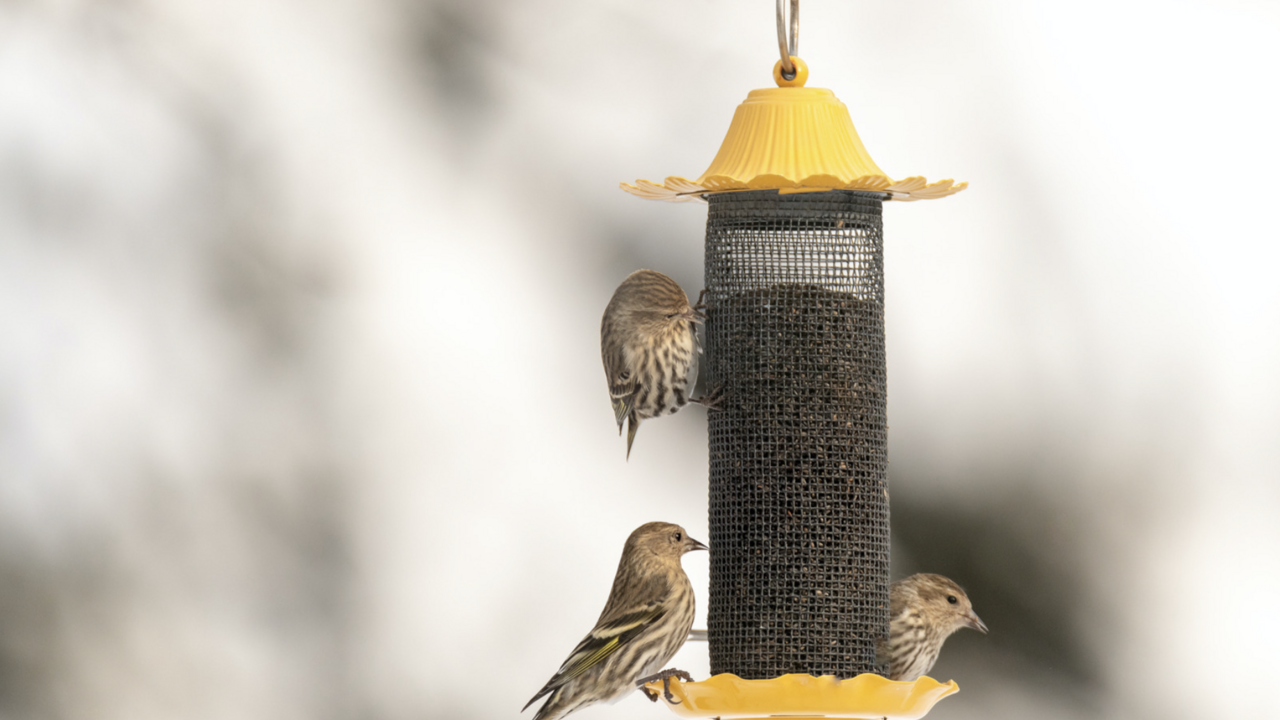
Credit: extension.msstate.edu
Monitoring And Supporting Bird Populations
Keeping track of bird populations is essential to ensure their habitats are healthy and thriving. Monitoring helps identify changes in bird numbers and behaviors that might indicate environmental issues. Supporting bird populations through active efforts can make a real difference in preserving biodiversity around you.
Participating In Bird Counts
Joining local or national bird counts is a powerful way to contribute to bird conservation. These events gather data on bird species and populations, helping scientists spot trends and threats early. You don’t need to be an expert; even casual bird watchers can provide valuable information.
Imagine walking through your neighborhood or a nearby park, noting the birds you see or hear for just a few hours. Your observations become part of a larger database that tracks bird health across regions. Have you ever thought about how your simple actions can influence conservation efforts?
- Look for community bird count events online or through local nature groups.
- Record species accurately using field guides or apps.
- Share your findings promptly to contribute useful data.
Using Technology For Habitat Tracking
Technology has transformed how we monitor bird habitats and populations. GPS trackers, remote cameras, and smartphone apps now allow you to collect data more efficiently and accurately. These tools give insights into migration patterns, nesting habits, and habitat changes.
For example, attaching tiny GPS devices to larger birds reveals their travel routes across continents. This information helps identify critical stopover sites that need protection. Could you imagine the difference your participation in tech-based tracking could make?
| Technology | Purpose | How You Can Use It |
|---|---|---|
| Smartphone Apps | Identify and log bird sightings | Download apps like eBird or Merlin Bird ID |
| Remote Cameras | Monitor nests and feeding areas | Set up cameras in your garden or local park |
| GPS Trackers | Track migration and movement | Support projects that tag birds and share data |
By using these technologies, you become part of a global network working to safeguard bird habitats. What tools are you willing to try to deepen your connection with nature?
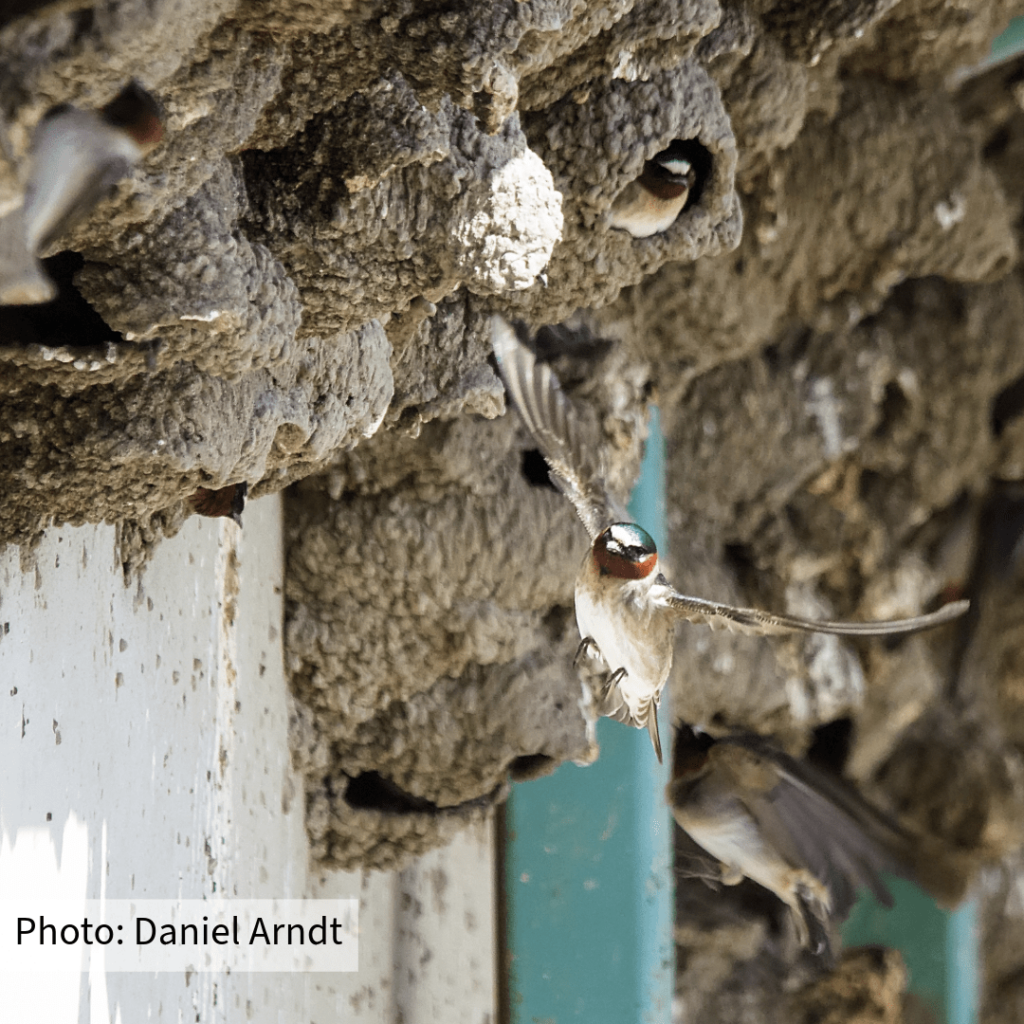
Credit: learn.birdscanada.org
Frequently Asked Questions
What Defines A Bird’s Natural Habitat?
A bird’s natural habitat is where it finds food, shelter, and mates. It includes forests, wetlands, grasslands, and urban areas. Each bird species adapts uniquely to its environment for survival and reproduction.
How Do Birds Choose Their Habitats?
Birds select habitats based on food availability, safety, and nesting sites. Seasonal changes and migration also influence habitat choice. They prefer areas that maximize their survival and breeding success.
Why Is Habitat Preservation Crucial For Birds?
Preserving habitats maintains bird populations and biodiversity. Habitat loss leads to decreased food and shelter, threatening bird survival. Conservation efforts protect these environments for future generations.
What Are Common Threats To Bird Habitats?
Common threats include deforestation, pollution, urbanization, and climate change. These factors reduce habitat quality and availability. Protecting habitats helps mitigate these dangers and supports bird populations.
Conclusion
Birds depend on their habitats for food, shelter, and safety. Healthy habitats support many bird species and keep nature balanced. Protecting these places helps birds survive and thrive. Everyone can help by caring for local parks and green spaces. Small actions make a big difference for birds’ homes.
Remember, safe habitats mean happy birds and a richer world. Keep watching and learning about birds around you. Their homes tell a story worth protecting.