
Have you ever wondered if a bird’s nest is more than just a cozy spot for eggs and chicks? You might think of a nest as simply a small structure built by birds, but is it really a part of their habitat?
Understanding this can change the way you see birds and their environment. If you care about nature and want to know how birds survive and thrive, keep reading. This article will give you clear answers and surprising facts that will deepen your connection with the world of birds.
Ready to discover what makes a nest so important? Let’s dive in.
Bird Habitat Basics
Bird habitats are essential for their survival and well-being. A habitat provides food, shelter, and breeding spaces. It supports a bird’s daily life and overall health. Understanding bird habitats helps in conserving bird species. Each component plays a unique role in the ecosystem.
Components Of A Habitat
A bird’s habitat consists of several key elements:
- Food Sources:These include seeds, insects, or small animals.
- Water Supply:Birds need access to fresh water for drinking and bathing.
- Shelter:Trees and shrubs offer protection from predators and weather.
- Breeding Areas:Safe spots for nesting and raising young birds.
Each component must be intact for a habitat to be effective. Disturbance in any element affects the bird population.
Role Of Nests In Bird Life
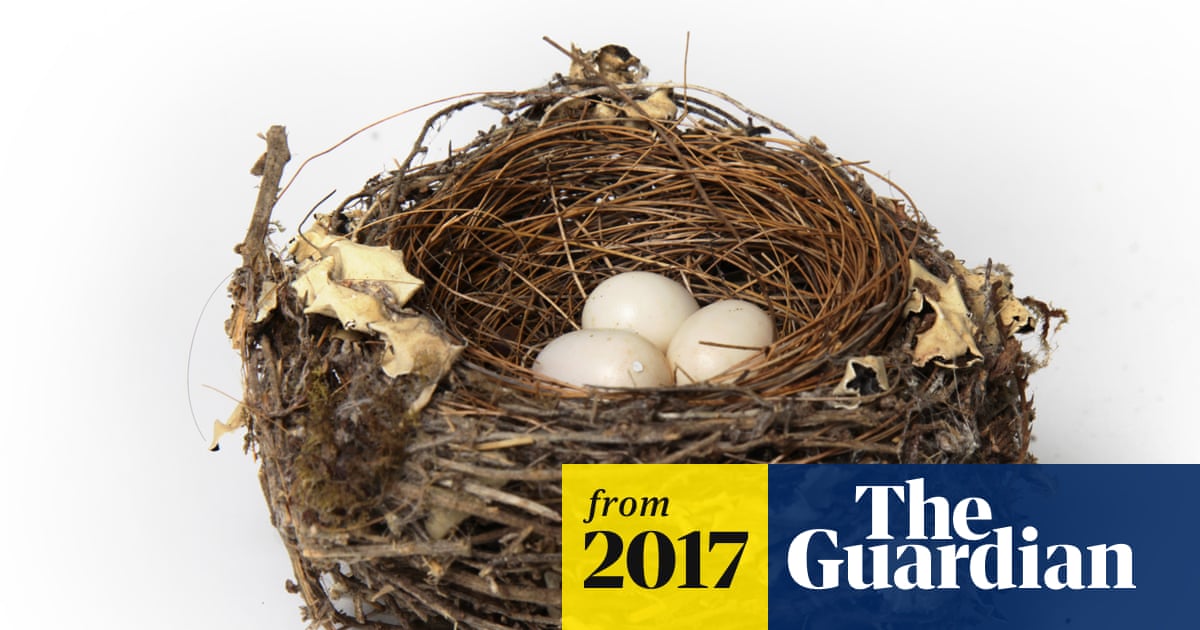
Nests are vital to a bird’s life cycle. They provide safety and comfort for eggs and chicks. Birds build nests using twigs, leaves, and feathers. The location and structure vary by species. Some birds build in trees, others on cliffs or ground. Nests protect from predators and harsh weather. They ensure young birds grow safely to adulthood.
Understanding nests helps in conservation efforts. Protecting nesting areas is crucial for bird survival. Nests are not just shelters; they are central to a bird’s habitat.
Functions Of A Bird’s Nest
Understanding the functions of a bird’s nest helps clarify why it is a crucial part of their habitat. Nests are more than just a resting place; they serve multiple vital roles that support a bird’s survival and reproduction. Let’s look closely at what these roles involve and why they matter to the bird’s daily life.
Shelter And Protection
A bird’s nest acts as a shield against predators and harsh weather. It offers a hidden spot where birds can rest safely during the day or night. When I watched a robin build its nest last spring, I noticed how carefully it placed twigs and leaves to cover the entrance, making it hard for predators to spot.
This careful construction is a clear example of how nests protect birds and their eggs from harm. You might wonder how different birds choose materials to maximize protection—it’s a fascinating mix of instinct and environment.
Breeding And Raising Young
Nests provide a dedicated space for birds to lay eggs and raise their chicks. This special area keeps the eggs secure and helps parents keep their young close and safe. It’s like a nursery designed specifically for their needs.
Have you ever seen a parent bird feeding its chicks? The nest is where the family bonds and the young learn to survive. Without this secure spot, the chances of the chicks making it to adulthood would drop significantly.
Temperature Regulation
Birds build nests to help keep their eggs and chicks warm or cool depending on the weather. The materials used—like feathers, moss, or grass—act like natural insulation. This keeps the temperature just right for developing eggs and young birds.
Think about how you use blankets to stay warm or shade to cool down; birds do something similar with their nests. This temperature control is crucial because even slight changes can affect the survival of the eggs and chicks.
Nest Types And Materials
Birds’ nests are fascinating creations that reveal much about their builders and their environment. Understanding the types of nests and the materials birds choose gives you a clearer picture of their habitat. These choices are not random; they reflect survival strategies, comfort, and protection.
Common Nest Structures
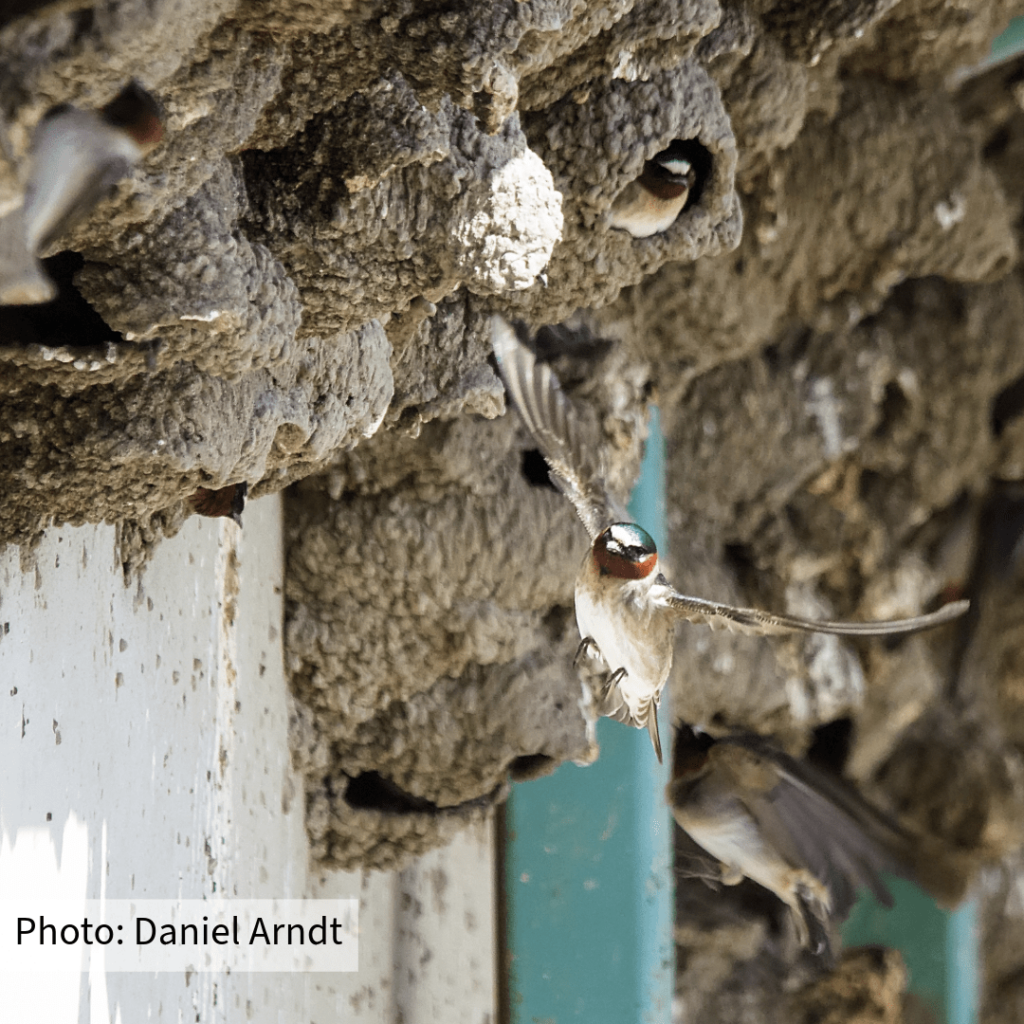
Nests come in many shapes and sizes, each designed for specific needs. Some birds build simple cup-shaped nests, easy to spot in tree branches. Others create elaborate hanging nests or burrows dug into the ground or cliffs.
Have you ever noticed a mud nest clinging to a wall? Swallows build these sturdy structures that withstand rain and wind. Each nest type serves a purpose, like shielding eggs from predators or harsh weather.
Materials Birds Use
Birds collect materials that suit their environment and nest style. Twigs and leaves are common, but feathers, moss, and even spider silk add softness and insulation. Some birds use mud or saliva to glue their nests together.
Interestingly, urban birds often incorporate human-made items like string, paper, or plastic. This shows how adaptable they are. What materials have you spotted in nests around your home?
Nest Location Preferences
Where a bird places its nest is just as important as how it builds it. Many prefer hidden spots like thick bushes or tree forks to avoid predators. Others choose open areas but rely on camouflage or height for safety.
Some species nest close to water, while others select dry, elevated places. Your local environment shapes these choices, which means your garden or balcony might become a nesting site if conditions are right. Are you providing a safe spot for birds in your space?
Credit: learn.birdscanada.org
Nests And Habitat Interactions
Understanding how bird nests interact with their habitat gives you a clearer picture of whether nests are just structures or integral parts of the environment. Nests don’t simply sit in a habitat; they actively shape and respond to it. This relationship influences both the survival of birds and the surrounding ecosystem.
Nest Impact On Surroundings
Nests often change the immediate environment where they are built. Birds use local materials like twigs, leaves, and mud, which can alter the appearance and structure of plants and trees.
Some nests provide shelter for other small creatures, creating mini-habitats within habitats. Have you ever noticed insects or small animals living around an old bird’s nest? This shows nests can support biodiversity beyond just the birds.
In some cases, nests can affect plant growth. Heavy nests may bend branches or damage leaves, which could change how sunlight reaches other plants below. This subtle impact can ripple through the local ecosystem.
Adaptations To Different Environments
Birds build nests that suit their specific habitats, showing impressive adaptability. In dry deserts, nests might be constructed underground or in shaded spots to avoid heat.
In wetlands, nests often float or sit above water on reeds or branches. This keeps eggs safe from flooding and predators, showing how nests adjust to environmental challenges.
Think about urban areas. Birds use man-made materials like string, paper, and plastic to build their nests, blending nature with human surroundings. This ability to adapt helps them survive in ever-changing habitats.
Scientific Perspectives On Nests
Scientific perspectives on birds’ nests reveal a deeper understanding of their role beyond just a place for eggs. Researchers study nests as dynamic components of an ecosystem, not just as static structures. This approach helps clarify whether nests should be considered part of a bird’s habitat or simply tools they use temporarily.
Ecological Importance
Nests play a crucial role in the broader environment. They provide shelter and protection not only for eggs and chicks but sometimes for other small creatures as well. This creates mini-habitats within habitats, showing nests contribute actively to biodiversity.
Scientists observe how abandoned nests become homes for insects, reptiles, or even small mammals. This ongoing use highlights nests as ecological resources, influencing the survival of multiple species. Have you ever noticed how a bird’s nest can attract other wildlife to your garden?
Behavioral Studies
Bird behavior around nest building offers insights into their survival strategies. Birds select locations carefully, considering factors like predator presence and climate conditions. This choice links nests directly to the birds’ interaction with their environment.
Studies show some species reuse nests for years, while others build new ones each season. This variation reflects different survival tactics and adaptation to changing habitats. How might these behaviors affect how you protect local bird populations in your area?

Credit: aaryanbhalla.medium.com
Human Influence On Bird Nests
Human activities have a significant impact on bird nests, which are a crucial part of their habitat. The way we shape our environment can either threaten or support the nesting sites birds rely on. Understanding this influence helps you make better choices to protect these vital spaces.
Urbanization Effects
Urban growth often replaces natural areas with buildings and roads, reducing available nesting spots. Birds may struggle to find safe places to build nests, which can lower their chances of survival.
Some species adapt by nesting in unusual places like streetlights or building ledges, but this can expose them to predators and harsh weather. Have you noticed birds nesting near your home? Their presence shows resilience but also highlights how much natural habitat has been lost.
Conservation Efforts
People are creating bird-friendly spaces to help protect nests in cities and rural areas. Installing nest boxes and preserving trees gives birds safe places to raise their young.
Community groups often organize planting native plants that support nesting and feeding. Your involvement in local conservation can make a real difference. What small action could you take today to support bird habitats in your neighborhood?
Credit: www.theguardian.com
Frequently Asked Questions
Is A Bird’s Nest Part Of Its Habitat?
Yes, a bird’s nest is considered part of its habitat. It provides shelter, protection, and a place to raise young. The nest is a crucial component that supports the bird’s survival and reproduction within its environment.
How Does A Bird’s Nest Affect Its Habitat?
A bird’s nest influences the habitat by offering shelter and breeding space. It also supports local biodiversity by attracting other species. Nests help maintain ecological balance and promote healthy bird populations in their natural surroundings.
Can Nests Change A Bird’s Natural Habitat?
Nests can slightly alter the habitat structure, especially in trees or shrubs. However, these changes usually benefit the ecosystem by providing shelter for other animals. Overall, nests complement and enhance the bird’s natural environment rather than harm it.
Why Do Birds Build Nests In Specific Habitats?
Birds choose specific habitats for nests based on food availability, safety, and climate. These factors ensure better survival for eggs and chicks. Habitat selection is critical for successful breeding and protection from predators.
Conclusion
A bird’s nest plays a key role in its habitat. It offers shelter and a safe place to raise young birds. Birds choose spots that protect them from predators and weather. This shows the nest is more than just a structure.
It is part of the environment birds depend on daily. Understanding nests helps us appreciate how birds live and survive. Protecting habitats means protecting nests too. This keeps bird populations healthy and strong. Nests truly belong to the natural home of birds.