

Have you ever wondered which birds choose Hawaii as their temporary home each year? If you’re curious about the amazing travelers that visit these islands, you’re in the right place.
Understanding what birds migrate to Hawaii will not only surprise you but also deepen your connection to nature. Keep reading, and you’ll discover fascinating facts that make these feathered visitors truly special—and learn why their journey matters to you and the environment around you.
Hawaiian Migration Patterns
Hawaii is a unique place for bird migration. Many birds travel thousands of miles to reach these islands. The migration patterns here are different from other regions. Birds use Hawaii as a stopover or a final home. Understanding these patterns helps protect the birds and their habitats.
Birds arrive in Hawaii mostly during the fall and spring. Some come to breed, while others rest during long journeys. The islands’ location in the Pacific Ocean makes them a key spot for many species.
Seabirds Traveling Long Distances
Seabirds are the most common visitors to Hawaii. They fly across vast ocean areas. Species like the Wedge-tailed Shearwater and the Red-footed Booby rely on the islands. These birds use Hawaii for nesting and feeding.
Shorebirds Using Hawaii As A Stopover
Many shorebirds migrate through Hawaii. They rest and feed before continuing their journey. Birds such as the Pacific Golden-Plover and the Ruddy Turnstone are regular visitors. Hawaii offers safe places with food and water for these travelers.
Endemic Birds And Limited Migration
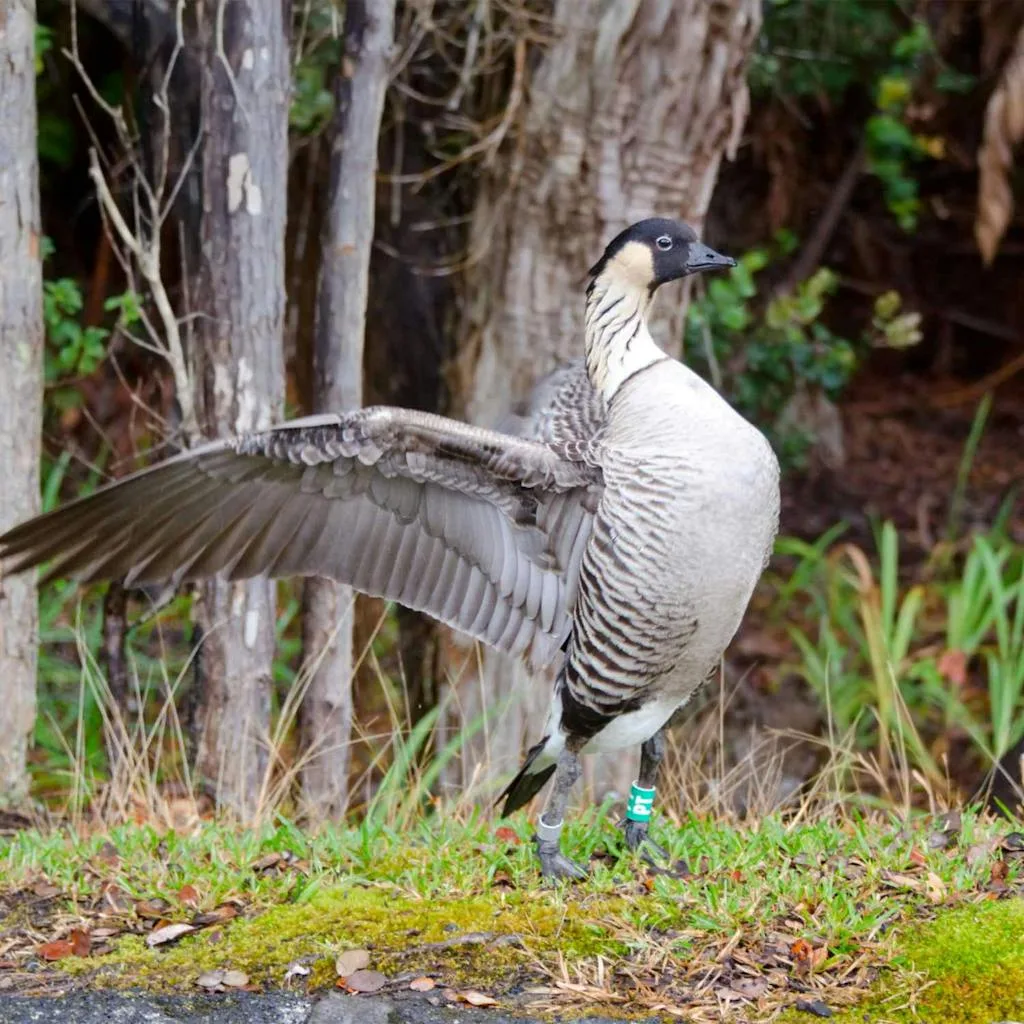
Some Hawaiian birds do not migrate far. These endemic species live only on the islands. They adapt to local conditions and stay year-round. Examples include the Nene and the Hawaiian Honeycreeper. Protecting their habitat is crucial for their survival.
Factors Influencing Migration
- Weather patterns affect migration timing and routes.
- Food availability drives birds to specific islands.
- Island size and habitat diversity attract different species.
- Human activity can disrupt natural migration paths.
Credit: www.hawaii-aloha.com
Common Migratory Birds
Hawaii hosts a variety of migratory birds each year. These birds travel thousands of miles to reach the islands. The common migratory birds bring life and color to Hawaii’s skies and shores. Many species use the islands as a resting stop during their long journeys. Others come to breed or find food. Observing these birds offers a glimpse into nature’s incredible travel feats.
Pacific Golden-plover
The Pacific Golden-Plover is a small shorebird. It flies from Alaska and Siberia to Hawaii. This bird arrives in late fall and stays through winter. It feeds on insects and small animals in fields and beaches. Its golden and black feathers help it blend with the environment. The Pacific Golden-Plover is a symbol of migration in Hawaii.
Hawaiian Petrel
The Hawaiian Petrel is a seabird that breeds on the islands. It spends most of its life at sea. During migration, it travels across the Pacific Ocean. The petrel returns to nest in dark, high mountain caves. It has a strong, dark body and long wings. This bird is rare and protected by conservation efforts.
Brant Goose
The Brant Goose visits Hawaii during the winter months. It breeds in the Arctic and migrates south for warmer weather. This goose prefers coastal areas with sea grasses. It has a black head and neck with a white patch. Brant Geese gather in flocks and are easy to spot on shorelines.
Black Noddy
The Black Noddy is a tropical seabird often seen in Hawaii. It migrates between islands and nearby oceans. This bird nests in trees or cliffs near the coast. It has dark feathers with a white cap on its head. The Black Noddy feeds on small fish and marine insects. It is known for its graceful flight over the water.
Rare And Unique Visitors
Hawaii’s isolated location in the Pacific Ocean makes it a rare stop for many birds. Some species rarely visit these islands but create exciting sights for bird lovers. These rare and unique visitors often arrive unexpectedly during migration seasons.
Birdwatchers treasure these special moments. These visitors add diversity to Hawaii’s native bird population. They help scientists understand migration patterns across vast oceans.
Black-footed Albatross
This large seabird breeds in the Northwestern Hawaiian Islands. It is known for its long flights across the Pacific. The black-footed albatross visits Hawaii’s main islands occasionally, especially near coastal areas. Seeing one gliding over the waves is a rare treat.
Wandering Tattler
The wandering tattler is a shorebird that migrates from Alaska and Siberia. It stops in Hawaii during its long journey. These birds are easy to spot on rocky shores and beaches. Their loud calls and quick movements make them stand out.
Bridled Tern
Bridled terns are tropical seabirds that sometimes visit Hawaii. They are mostly seen around small islands and atolls. Their sleek black and white feathers catch the eye. These terns often fly low over the water hunting for fish.
Pacific Golden-plover
This medium-sized shorebird is famous for its long migration from Alaska. It stops in Hawaii during its journey to and from wintering grounds. The Pacific golden-plover blends well with grassy fields and open spaces. Its graceful presence is a sign of changing seasons.
Red-necked Phalarope
The red-necked phalarope is a small migratory bird that appears rarely in Hawaii. It spends most of its life at sea. During migration, it may visit Hawaiian waters to rest. Its unique spinning behavior while feeding is fascinating to observe.

Credit: www.stickmanhawaii.com
Birdwatching Hotspots In Hawaii
Hawaii offers some of the best birdwatching spots in the world. The islands attract many migratory birds each year. These spots provide great chances to see rare and colorful species. Birdwatchers of all levels enjoy these vibrant natural locations.
Waimea Canyon, Kauai
Waimea Canyon is called the “Grand Canyon of the Pacific.” It has deep valleys and lush forests. Migratory birds such as the Pacific Golden-Plover visit here. The views make birdwatching even more enjoyable.
Kalaheo, Kauai
Kalaheo is a quiet, green area with many bird species. It is a favorite stop for migrating shorebirds. Birdwatchers can spot the Wandering Tattler and Ruddy Turnstone here. The peaceful environment helps birds rest during migration.
Haleakalā National Park, Maui
Haleakalā National Park is famous for its volcanic landscapes and native birds. Migratory species like the Palila can be seen here. The high elevation offers different habitats for birds to stop and feed.
Hilo Bay, Big Island
Hilo Bay attracts many waterbirds and shorebirds during migration. The calm waters and mudflats create perfect feeding grounds. Look for species like the Black-necked Stilt and Bristle-thighed Curlew here.
Kaena Point, Oahu
Kaena Point is a remote coastal area with rich birdlife. It serves as a rest stop for seabirds and shorebirds during their long journeys. Birdwatchers often spot the Laysan Albatross and other migrating seabirds.
Impact Of Climate On Migration
Climate plays a key role in bird migration to Hawaii. Changes in temperature and weather patterns affect when and where birds travel. Birds follow cues from the environment to find safe habitats and food sources. Shifts in climate can change these cues, altering migration routes and timing.
Many migratory birds depend on predictable weather to complete their journey. Warmer or cooler seasons may cause birds to arrive earlier or later. This impacts their breeding and feeding success. Some birds may even skip migration if conditions improve locally. Others may face harsher conditions, making travel harder.
Temperature Changes Affecting Migration Patterns
Rising temperatures can push birds to new areas. Some species move further north or south to find cooler spots. In Hawaii, warmer oceans and air may attract birds not seen before. Temperature shifts also influence food availability, guiding birds to follow their food sources.
Storms And Weather Events Disrupting Travel
Storms can delay or divert migrating birds. Strong winds and heavy rain make flying difficult. Birds may take longer routes or stop in unusual places. Frequent storms may cause exhaustion or loss of life. Hawaii’s location in the Pacific exposes birds to many weather changes.
Changing Habitats And Food Sources
Climate affects plants and insects that birds rely on. If food is scarce, birds may change their migration schedule. Habitat loss from drought or flooding forces birds to find new resting spots. Hawaii’s islands provide unique habitats, but climate stress can reduce their quality.
Adaptation And Future Migration Trends
Some birds adapt by altering their migration habits. They may travel shorter distances or change timing. Others may evolve new feeding behaviors to survive. Scientists watch these changes to predict future migration patterns. Understanding climate impact helps protect Hawaii’s migratory birds.
Conservation Efforts
Conservation efforts are vital to protect migratory birds in Hawaii. These birds face threats such as habitat loss, invasive species, and climate change. Protecting their environment helps maintain the island’s unique ecosystem. Many organizations work to restore habitats and control predators. Public awareness also plays a key role in safeguarding these birds.
Habitat Restoration Projects
Restoring native forests and wetlands provides safe spaces for birds. Volunteers plant native trees and remove invasive plants. These projects create food sources and nesting areas. Healthy habitats increase bird survival rates during migration and breeding seasons.
Predator Control Programs
Non-native animals like rats and cats threaten migratory birds. Predator control programs reduce these threats. Traps and humane removal methods help protect nests and chicks. This allows bird populations to recover and grow steadily.
Monitoring And Research
Scientists track bird populations to understand migration patterns. They use banding and satellite technology to gather data. This information guides conservation strategies and measures success. Ongoing research helps adapt efforts to new challenges.
Community Education And Involvement
Educating residents and visitors encourages bird-friendly behaviors. Workshops, school programs, and tours raise awareness. Local communities join restoration and monitoring activities. This collective effort strengthens conservation impact on migratory birds.
Cultural Significance Of Migratory Birds
Migratory birds hold a special place in Hawaiian culture. They symbolize change, guidance, and the cycle of life. These birds connect the islands to the wider Pacific world.
Many migratory birds feature in Hawaiian stories and legends. They guide travelers and protect people during journeys. Their arrival and departure mark important seasonal changes.
Hawaiians respect these birds as messengers from the gods. Their presence often signals blessings or warnings. This deep respect shapes traditional practices and ceremonies.
Spiritual Meaning Of Migratory Birds
Migratory birds represent the spirit world and ancestors. Hawaiians believe birds carry prayers to the heavens. They are seen as links between humans and the divine.
Birds like the ‘iwa (great frigatebird) appear in many chants. These birds are signs of strength and protection.
Migratory Birds In Hawaiian Legends
Many legends feature birds that travel great distances. These stories teach lessons about courage and resilience. They also explain natural events like the change of seasons.
For example, the legend of the ‘ua‘u kani (Hawaiian petrel) speaks of loyalty and homecoming.
Role Of Birds In Traditional Hawaiian Navigation
Birds helped ancient Hawaiians find their way across the ocean. Navigators watched bird flights to locate land. Migratory birds were natural guides and weather indicators.
This knowledge was vital for safe voyages between islands and beyond.
Credit: avibirds.com
Tips For Birdwatchers
Birdwatching in Hawaii offers a rare chance to see unique migratory species. Success depends on preparation and respect for nature. These tips help you enjoy birdwatching safely and effectively.
Choose The Right Time And Place
Bird migration in Hawaii peaks during specific months. Early morning visits increase chances of sightings. Coastal areas and wetlands attract many migratory birds. National parks provide protected habitats ideal for observation.
Use Proper Gear
Binoculars help spot distant birds clearly. A field guide aids in identifying species quickly. Wear comfortable shoes for walking on rough terrain. Dress in neutral colors to avoid scaring birds away.
Stay Quiet And Patient
Birds react to noise and sudden movements. Speak softly or stay silent during observation. Wait calmly and watch for gradual bird activity. Patience often leads to the best sightings.
Respect Wildlife And Environment
Keep a safe distance from nests and resting birds. Avoid touching or feeding wildlife to prevent harm. Follow local rules and guidelines in protected areas. Leave no trash behind to preserve nature’s beauty.
Record And Share Your Observations
Take notes on bird species, numbers, and behavior. Use apps or journals to track your sightings over time. Sharing data helps scientists monitor bird migration patterns. Join local birdwatching groups for community support and learning.
Frequently Asked Questions
Which Birds Migrate To Hawaii Annually?
Several seabirds like the Bulwer’s petrel and shearwaters migrate to Hawaii. These birds travel thousands of miles to breed and feed in Hawaii’s unique environment.
Why Do Birds Migrate To Hawaii?
Birds migrate to Hawaii mainly for breeding and feeding. The islands provide rich food sources and safe nesting areas, attracting migratory seabirds.
When Do Migratory Birds Arrive In Hawaii?
Most migratory birds arrive in Hawaii between late fall and early spring. This timing aligns with breeding seasons and optimal feeding conditions on the islands.
Are Any Endangered Birds Among Hawaii’s Migrants?
Yes, some migratory birds in Hawaii are endangered. Conservation efforts focus on protecting species like the Newell’s shearwater to preserve their populations.
Conclusion
Birds migrate to Hawaii for food, safety, and warm weather. Many species travel thousands of miles to reach these islands. They bring life and color to Hawaii’s skies. Watching their journey helps us appreciate nature’s wonders. Protecting these birds keeps Hawaii’s environment healthy.
Remember, each bird has a unique story and purpose here. Keep exploring and learning about these amazing travelers. Their migration is a natural gift worth respecting and enjoying.