
Have you ever wondered when bird migrations begin in Florida? If you love watching colorful flocks soar across the sky, knowing the right time to catch these spectacular moments can make all the difference.
Imagine standing outside as thousands of birds take flight, filling the air with movement and life. You’ll discover exactly when these migrations start, why they happen, and how you can experience this natural wonder up close. Keep reading—you won’t want to miss the magic of Florida’s bird migrations!
Credit: dashboard.birdcast.info
Migration Seasons In Florida
Bird migrations in Florida begin mainly in early spring and late fall. Many birds travel through the state during these seasons to find warmer climates or breeding grounds. This makes Florida a key spot for bird watchers during migration times.
Migration Seasons in Florida Florida, with its unique geographical position and diverse habitats, plays a crucial role in the migratory paths of countless bird species. From the wetlands of the Everglades to its sprawling coastlines, Florida provides essential stopover points for these feathered travelers. Understanding the migration seasons can enrich your bird-watching experience and offer insights into the natural rhythms of avian life.Spring Arrival Patterns
As the chill of winter fades, Florida becomes a beacon for birds returning north. Many species, such as the vibrant painted buntings, arrive in March, seeking the warmth and abundant resources. By April, the skies are alive with the flutter of wings, as warblers, orioles, and other songbirds join the parade. Spring is also an ideal time for birdwatchers. The diverse habitats of Florida become hotspots for avian activity. Have you ever witnessed a tree alive with the chatter of migrating birds? It’s a sight that can leave you breathless.Fall Departure Trends
As summer gives way to autumn, the avian exodus begins. Birds start their journey south, escaping the encroaching cold of northern regions. By September, the skies are filled with the graceful formations of species like the American kestrel and the broad-winged hawk. Birds aren’t just leaving; they’re also preparing. They fuel up on Florida’s plentiful food sources, building energy reserves for the long journey ahead. This time of year, the question isn’t just where the birds are going, but what survival strategies they employ for the arduous journey. Engaging with these migration patterns can deepen your appreciation for these incredible creatures. Have you ever tracked a bird’s journey across seasons? Florida’s migration seasons offer a front-row seat to one of nature’s most spectacular performances.Factors Influencing Migration Timing
Bird migration timing in Florida depends on several natural factors. These elements guide birds on when to start their journey. Understanding these factors helps explain why migration varies each year.
Climate And Weather Impact
Birds respond to changes in temperature and storms. Cold fronts or warm spells can trigger early or late migration. Strong winds help birds fly faster, while storms may delay them. Florida’s mild winters often attract early migrants from colder areas.
Daylight Changes
Day length signals birds to prepare for migration. As days grow shorter or longer, birds sense the need to move. This internal clock, called photoperiod, controls hormone levels and behavior. Birds use daylight cues to time their departure accurately.
Food Availability
Food sources greatly affect migration timing. Birds wait for enough insects, fruits, or seeds to fuel their trip. If food is scarce, migration may start earlier or later. Florida’s rich habitats provide key feeding spots that influence when birds leave or arrive.
Common Migratory Bird Species
Florida serves as a key stopover for many migratory birds, thanks to its unique location and warm climate. Each year, a variety of bird species pass through or settle temporarily, creating a dynamic and colorful birdwatching experience. Knowing which species are common can help you spot and identify them during their migration periods.
Songbirds
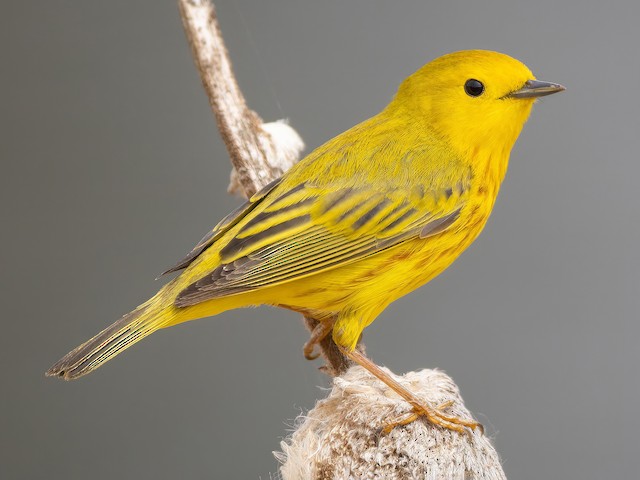
Songbirds are among the most noticeable migrants in Florida. Species like the American Redstart, Yellow Warbler, and Black-and-white Warbleroften arrive in early spring and late fall.
These small, vibrant birds feed on insects and can be found in wooded areas and gardens. Have you ever noticed how their songs change with the seasons? That’s a sign they’re on the move.
Waterfowl
Waterfowl such as ducks, geese, and swansare some of the earliest migrants you’ll see in Florida. The Wood Duckand Snow Gooseare common visitors during the cooler months.
They prefer wetlands, lakes, and coastal marshes. Watching their flocks glide across the water can be a peaceful way to connect with nature’s rhythms.
Raptors
Raptors, or birds of prey, use Florida as a crucial migration corridor. Species like the Osprey, Bald Eagle, and Broad-winged Hawkpass through, especially in the fall.
These powerful birds travel long distances, often riding thermal air currents. Have you ever paused to watch a hawk soar overhead? Their presence signals a changing season and a thriving ecosystem.

Credit: birdcast.info
Regional Differences Across Florida
Bird migration timing in Florida varies by region due to climate and habitat differences. These variations affect when and where birds travel across the state. Understanding these regional differences helps bird watchers and nature lovers know the best times to observe migrations.
Coastal Vs Inland Migration
Coastal areas in Florida see bird migrations earlier than inland regions. The ocean’s mild climate warms faster, attracting birds sooner. Shorebirds and seabirds often move along the coast first.
Inland migration starts later because temperatures rise more slowly. Birds like warblers and thrushes follow forested paths inland. These birds wait for food sources like insects and berries to become available.
- Coastal migration begins in late February to early March.
- Inland migration often starts in mid-March to April.
- Birds near the coast include gulls, terns, and pelicans.
- Inland birds include woodpeckers, vireos, and flycatchers.
Northern Vs Southern Florida
Southern Florida experiences migration earlier than the northern part of the state. Warmer weather and tropical plants encourage early arrivals. Many birds use southern Florida as a winter stop or spring arrival zone.
Northern Florida stays cooler longer, delaying migration. Birds here arrive once temperatures rise and food is plentiful. This area acts as a secondary stop for migrating species moving north.
| Region | Migration Start | Common Migrants |
|---|---|---|
| Southern Florida | Late January to February | Swallow-tailed Kites, Roseate Spoonbills, Painted Buntings |
| Northern Florida | March to April | Wood Thrush, Indigo Bunting, Scarlet Tanager |
How To Observe Bird Migrations
Observing bird migrations in Florida offers a thrilling glimpse into nature’s grand journey. You don’t need to be an expert to enjoy the spectacle; knowing where and when to watch can make all the difference. Let’s dive into how you can make the most of your birdwatching adventure during migration season.
Best Locations
Florida is a hotspot for migratory birds, thanks to its diverse habitats. Top spots include the Everglades National Park, where wading birds gather in large numbers. The J.N. “Ding” Darling National Wildlife Refuge on Sanibel Island also attracts a wide variety of species during migration.
Don’t overlook coastal areas like Cape Canaveral or the Merritt Island National Wildlife Refuge, which serve as critical stopovers. Even urban parks such as Corkscrew Swamp Sanctuary can surprise you with unexpected sightings. Have you considered visiting less crowded state parks? They often offer peaceful vantage points for watching birds without the crowds.
Peak Viewing Times
Timing your visit is key to witnessing the most action. Bird migrations in Florida typically begin in late February and extend through May for spring migrations. Fall migration usually runs from August to November, with many species heading south.
Early mornings are generally the best time to spot birds, as they are most active then. Pay attention to weather patterns—days following a cold front often see increased bird activity. Have you noticed how some days feel more alive with bird sounds than others? That’s nature’s cue to head outside.
Birdwatching Tips
- Bring binoculars:A good pair of binoculars helps you see distant birds clearly without disturbing them.
- Wear neutral colors:Bright clothes can scare birds away; earth tones blend in better.
- Stay quiet and patient:Birds are sensitive to noise, so move slowly and keep still.
- Use a field guide or app:Identifying species on the spot enhances your experience and knowledge.
- Record your sightings:Keeping a journal or using birding apps can track your progress and favorite locations.
Have you ever found yourself mesmerized by a sudden flock taking flight? That moment is often the reward for patience and attentiveness. Remember, every migration season brings new surprises—your next birdwatching trip could be the most memorable yet.

Credit: environmentamerica.org
Impact Of Climate Change On Migration
Climate change affects bird migration in Florida in many ways. Warmer temperatures and changing weather patterns alter the natural cues birds use to start their journeys. These changes disrupt the timing and routes of migration. Birds may arrive earlier or later than usual, which impacts their survival and reproduction. Understanding these effects helps protect bird populations in a changing environment.
Shifts In Timing
Birds in Florida begin migration earlier due to warmer spring temperatures. Some species leave their winter homes sooner than before. Others delay their departure in fall because the weather stays mild longer. These shifts cause a mismatch between birds’ arrival and food availability. Early or late migration can reduce feeding success and breeding chances.
Effects On Species
Not all bird species respond the same way to climate change. Some adapt quickly and adjust their migration well. Others struggle to cope with new conditions. Migratory birds that rely on specific habitats face extra challenges. Loss of wetlands and coastal areas in Florida harms their resting and feeding spots. These effects may lead to population declines in sensitive species.
Frequently Asked Questions
When Do Bird Migrations Start In Florida?
Bird migrations in Florida typically start in late February to early March. This period marks the arrival of many species returning from wintering grounds.
Which Birds Migrate Through Florida First?
Warblers and shorebirds are among the first to migrate through Florida. They often arrive before other species during early spring migration.
How Long Does Bird Migration Last In Florida?
Migration in Florida generally lasts from February through May. This period covers both spring arrivals and fall departures for many birds.
Why Is Florida Important For Bird Migrations?
Florida’s diverse habitats offer essential stopover sites. Birds rely on Florida for rest, food, and shelter during long migrations.
Conclusion
Bird migrations in Florida start mainly in late summer and early fall. Many birds leave as the weather cools and food becomes scarce. Some species arrive in winter, escaping cold northern climates. Watching these migrations helps us understand nature’s cycles.
Bird lovers can enjoy many species during these times. Remember, migration timing can change with weather patterns. Stay curious and enjoy Florida’s amazing bird journeys every year.