
Have you ever wondered why some birds disappear when the cold sets in, while others stay put all year round? If you’ve noticed that tits—the small, lively birds you often see in your garden—don’t migrate like many other species, you’re not alone.
Understanding why tits stay through the seasons can change the way you watch and appreciate these feathered friends. Stick with me, and you’ll discover surprising facts about tits that might just make you see them in a whole new light.
Ready to learn what keeps these birds grounded when others take flight? Let’s dive in.

Credit: www.gpb.org
Tits And Migration Habits
Bird watching often evokes images of flocks soaring across vast skies, migrating to warmer climates. Yet, not all birds undertake these epic journeys. Tits, for example, are fascinating for their diverse migration habits. While some species embark on seasonal journeys, others remain in the same area year-round. Understanding these patterns can enhance your bird-watching experience and appreciation.
Common Migration Patterns
Most bird species have predictable migration patterns. They often travel south in autumn to escape the cold and return north in spring to breed. Tits, however, are a mixed bag. Some species, like the Blue Tit, are mostly sedentary, while others, such as the Great Tit, might migrate short distances.
Observing these patterns offers insights into their survival strategies. For instance, did you know that tits often migrate based on food availability rather than temperature changes? This adaptability helps them thrive in various environments, making them a joy to observe in any season.
Why Some Tits Stay Put
Ever wondered why some tits choose to stay put even when others migrate? It often boils down to food and habitat stability. Tits that have reliable food sources, like feeders in urban gardens, tend to stay in one place. This can make your backyard a permanent home for these charming birds.
Another reason is their strong territorial instincts. Some tits are fiercely protective of their home turf, opting to brave the cold rather than abandon their established territory. Next time you spot a tit in winter, consider the possibility that your garden offers the perfect sanctuary for these non-migratory birds.
So, are you ready to turn your garden into a haven for these fascinating creatures? By understanding their habits, you can create an inviting space that supports their choice to stay put, enriching your bird-watching experience year-round.

Credit: www.sacramentoaudubon.org
Adaptations For Staying Year-round
Birds like tits have developed impressive adaptations to survive through harsh winters without migrating. Their ability to stay year-round relies on smart strategies to find food and secure shelter. Understanding these adaptations can change how you see these resilient little birds in your own backyard.
Food Sources In Winter
Tits don’t just wait for food to come their way—they actively search and remember where to find it. They feed on seeds, insects, and even leftover fruits, which provide vital energy during cold months.
You might notice them visiting bird feeders frequently. This behavior shows how they adapt by exploiting human-provided resources. Have you ever thought about how your bird feeder might be a lifeline for these birds?
Some tits store food in hidden spots, creating a winter pantry. This memory skill helps them survive when food is scarce. Observing this can inspire you to leave natural food sources around your garden.
Shelter And Nesting Behavior
Finding the right shelter is as important as finding food. Tits choose dense shrubs, tree cavities, or even nest boxes to shield themselves from cold winds and predators.
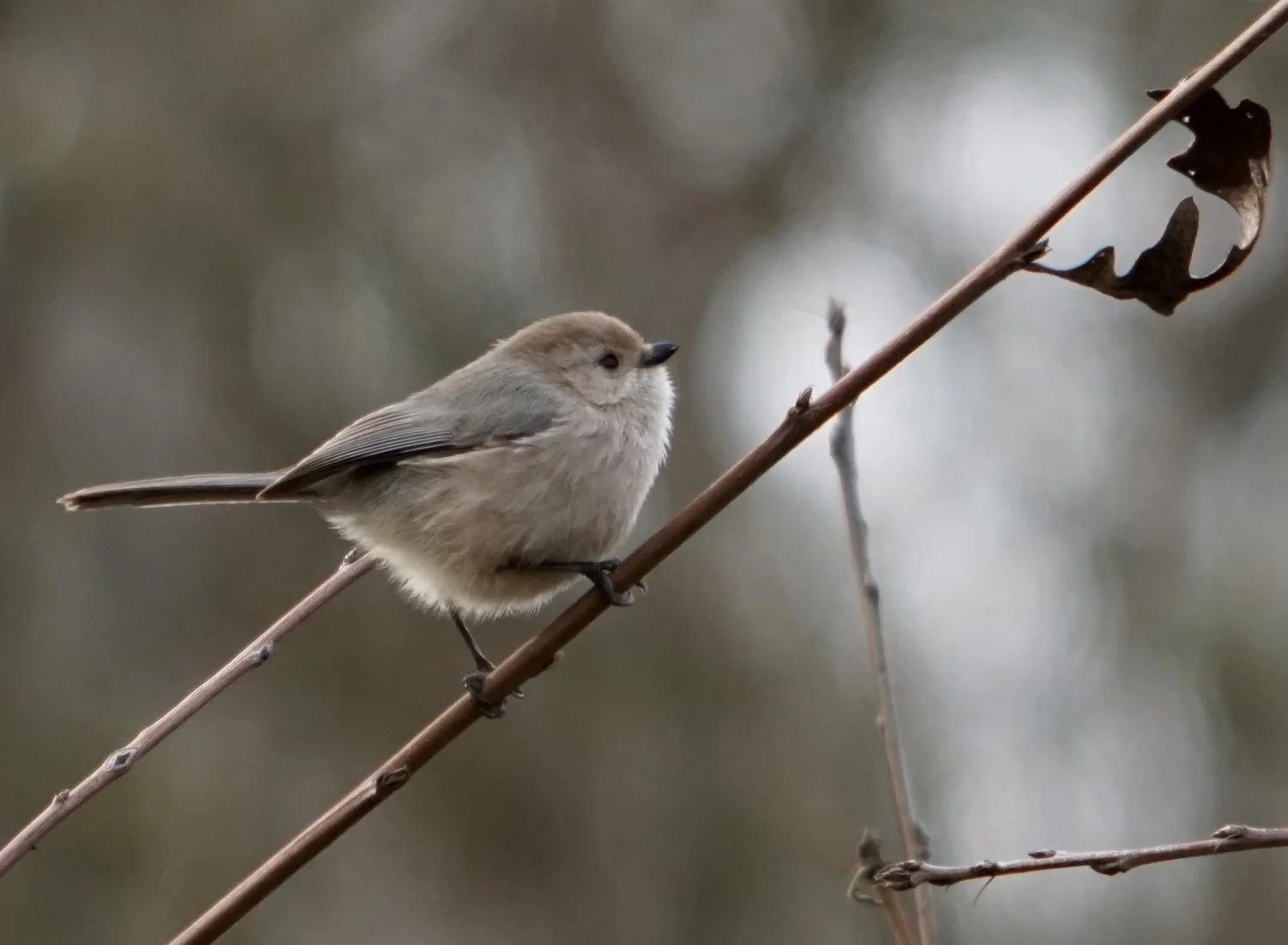
They often fluff up their feathers to trap heat, a simple but effective way to stay warm. You may have seen a puffed-up tit in winter—now you know this is their natural heating system.
During breeding season, they reuse old nests or build new ones in safe spots. This careful choice of nesting sites helps ensure their young survive cold snaps. What kind of shelter could you provide to support local bird populations?
Species That Rarely Migrate
Some birds stay in one place all year. They do not fly far to find warmer weather. These birds have special skills to live through cold seasons. They find food nearby and keep warm. The group called tits is well known for this behavior. Let’s explore a few species of tits that rarely migrate.
Great Tit
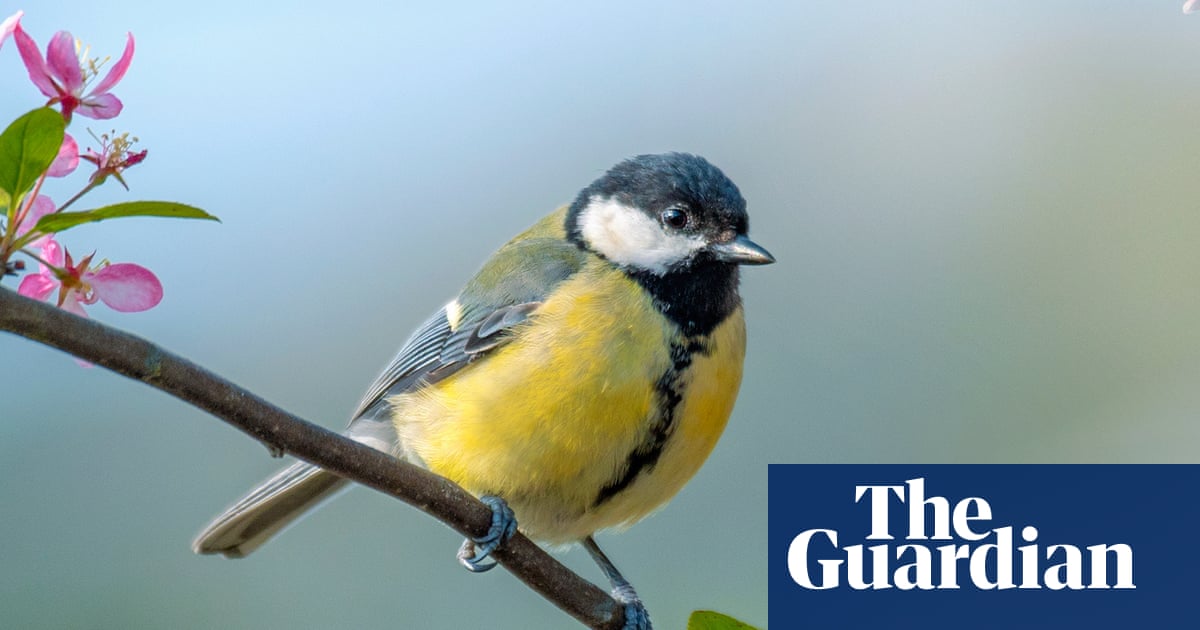
The Great Tit is a small, lively bird. It stays in its home area all year long. This bird finds food in trees and bushes. It eats insects, seeds, and nuts during winter. The Great Tit builds nests in tree holes. It can survive cold weather by fluffing its feathers.
Blue Tit
Blue Tits are colorful and active birds. They do not leave their habitat in winter. They hide in thick bushes and tree branches. Blue Tits search for insects under bark and leaves. They also eat seeds to stay strong. Their small size helps them stay warm easily.
Coal Tit
Coal Tits are shy and quick birds. They stay near forests and gardens all year. They gather seeds and insects before winter comes. These birds store food in hidden spots. Coal Tits have tough feathers to protect from cold winds. They often join other birds for safety and warmth.
Environmental Factors Affecting Migration
Bird migration depends heavily on the environment. Birds decide to migrate or stay based on many natural factors. These factors affect their survival and food availability. Some birds, like tits, often do not migrate. Their choice relates to the conditions around them.
Climate Influence
Climate plays a big role in bird migration. Birds need certain temperatures to survive. Tits can handle cold weather better than many birds. They grow thicker feathers to keep warm. Winter food shortages affect migration too. If food is still available, tits stay put. Mild winters mean less need to move far.
Habitat Stability
Stable habitats reduce the need for birds to migrate. Tits live in woodlands and gardens that change little over seasons. These areas provide food and shelter year-round. When habitats remain safe and rich in resources, birds avoid risky long flights. Tits often find enough insects and seeds nearby. This steady environment supports their decision to stay.
Surprising Behaviors Of Resident Tits
Resident tits are small birds known for staying in one place all year. Unlike many birds, they do not migrate. Their behaviors show how they adapt to survive cold winters. These birds have interesting ways to live and find food. They also show unique social habits. Understanding these behaviors helps us appreciate their role in nature.
Social Interactions
Resident tits are very social birds. They often gather in small groups during winter. This helps them stay warm and safe from predators. They communicate with soft calls and body movements. These calls warn others about danger or food sources. Tits also share information about good feeding spots. Their social life strengthens during harsh weather. Group living increases their chances of survival.
Foraging Techniques
Tits use clever ways to find food. They search tree bark for insects and larvae. Sometimes, they hang upside down to reach hidden spots. They also store seeds and nuts for later use. This food caching is crucial in winter when food is scarce. Resident tits remember many hiding places. Their quick, agile movements help catch fast insects. These birds adjust their diet based on the season and food availability.
Impact Of Human Activity
Human activity shapes the lives of non-migratory birds like tits in many ways. These birds face new environments and challenges due to changes in their habitats. Some effects help their survival, while others make life harder. Understanding these impacts is key to protecting them and supporting their populations.
Urbanization Benefits
Urban areas offer food sources that attract tits. Bird feeders, gardens, and parks provide seeds and insects year-round. Buildings and trees give shelter and nesting spots. Mild city climates reduce cold stress during winter. These factors encourage tits to stay in one place all year.
- Steady food supply from human feeding
- Safe nesting sites in urban structures
- Warmer temperatures in cities
- Reduced need to migrate for food
Challenges To Survival
Urban life also brings risks to tits. Pollution harms their health and reduces insect numbers. Traffic causes noise and danger from vehicles. Loss of natural habitats limits safe spaces for nesting and foraging. Light pollution disrupts their natural rhythms, affecting sleep and activity.
- Air and water pollution impacts health
- Vehicle collisions cause injuries or death
- Habitat loss reduces food and shelter
- Artificial light confuses daily patterns
Credit: www.theguardian.com
Frequently Asked Questions
Why Don’t Tits Migrate Like Other Birds?
Tits do not migrate because they can survive cold winters by storing food. Their small size and adaptability allow them to stay in one area year-round. They rely on cached food and shelter to endure harsh conditions without needing to fly south.
Which Tit Species Are Non-migratory?
Most tit species, like the Great Tit and Blue Tit, are non-migratory. These birds remain in their habitats throughout the year, especially in temperate regions. Their ability to find food and shelter locally makes migration unnecessary.
How Do Tits Survive Winter Without Migrating?
Tits survive winter by caching seeds and insects. They have excellent memory to retrieve stored food during scarce times. Their thick feathers and roosting habits help them stay warm in cold weather.
Are There Any Exceptions Where Tits Migrate?
Some tit populations in extreme northern regions may move short distances. These movements are not long migrations but local shifts to find better food. Generally, tits prefer to stay near their breeding grounds year-round.
Conclusion
Birds like tits stay in one place all year. They adapt well to cold weather and find food nearby. These birds build nests and keep safe during winter. They show us how animals survive without moving far. Watching them helps us learn about nature’s balance.
Tits remind us that not all birds need to migrate. Their quiet presence adds life to our gardens and parks. Understanding their habits makes birdwatching more interesting. Small but strong, these birds thrive where they live.