
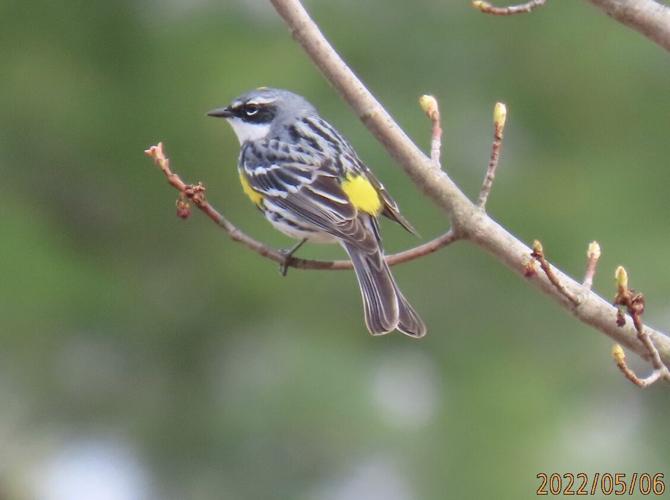
Have you ever wondered which American bird stays put when the cold months arrive? While most birds fly south to find warmer places, there’s one that surprises many by choosing to stay.
Discovering this bird can change the way you see winter wildlife right outside your window. Keep reading, and you’ll learn not only which bird it is but also why it refuses to leave. This could be the most interesting bird fact you hear all season!
Credit: iawildlife.org
Resident Birds In America
Many American birds migrate south for winter, but the Northern Cardinal stays year-round. This bright red bird adapts well to cold weather. It’s a common sight in gardens and parks throughout the year.
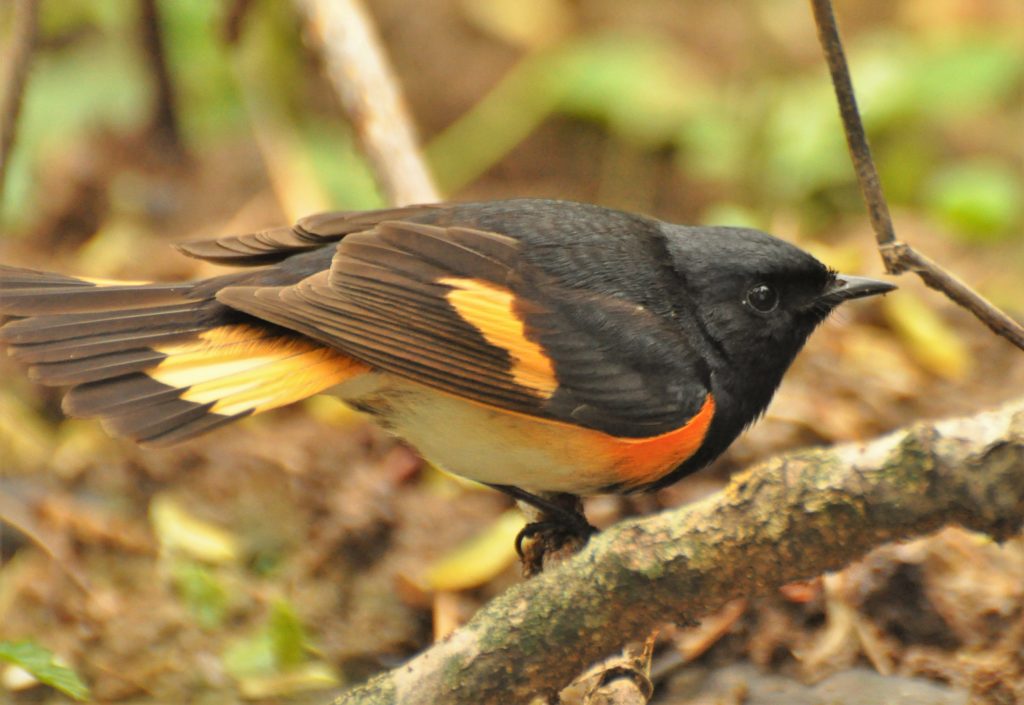
Resident birds in America are fascinating creatures. They choose to stay put all year round. Unlike their migratory cousins, these birds brave the changing seasons. They adapt to various climates without heading south. Such resilience is admirable and intriguing.Definition Of Non-migratory Birds
Non-migratory birds are also known as resident birds. They remain in the same area throughout the year. These birds do not travel long distances. Instead, they adapt to local seasonal changes. They find food and shelter within their habitat. Their survival depends on their adaptability.Common Traits Of Resident Birds
Resident birds often have specific traits. These traits help them survive different seasons. For instance, they have thicker feathers for warmth. They might also have a varied diet. This allows them to eat different foods during scarcity. Some birds store food for colder months. Others develop skills to find hidden food. These traits ensure their survival in all seasons.Examples Of Non-migratory American Birds
Not all American birds take the long journey south when winter arrives. Some choose to stay put, adapting to colder temperatures and finding food in their own backyards. Understanding which birds don’t migrate can help you create a welcoming environment for them year-round.
Northern Cardinals
Northern Cardinals are bright red birds that stand out even on the dullest winter days. They don’t migrate because they can find seeds and berries even in snowy conditions. You might spot them visiting your bird feeder, adding a splash of color to your garden in cold months.
American Goldfinches
American Goldfinches keep their vibrant yellow feathers during winter, making them easy to recognize. Instead of flying south, they survive by eating seeds from plants like thistles and sunflowers. Have you noticed how they flock together in small groups, helping each other find food?
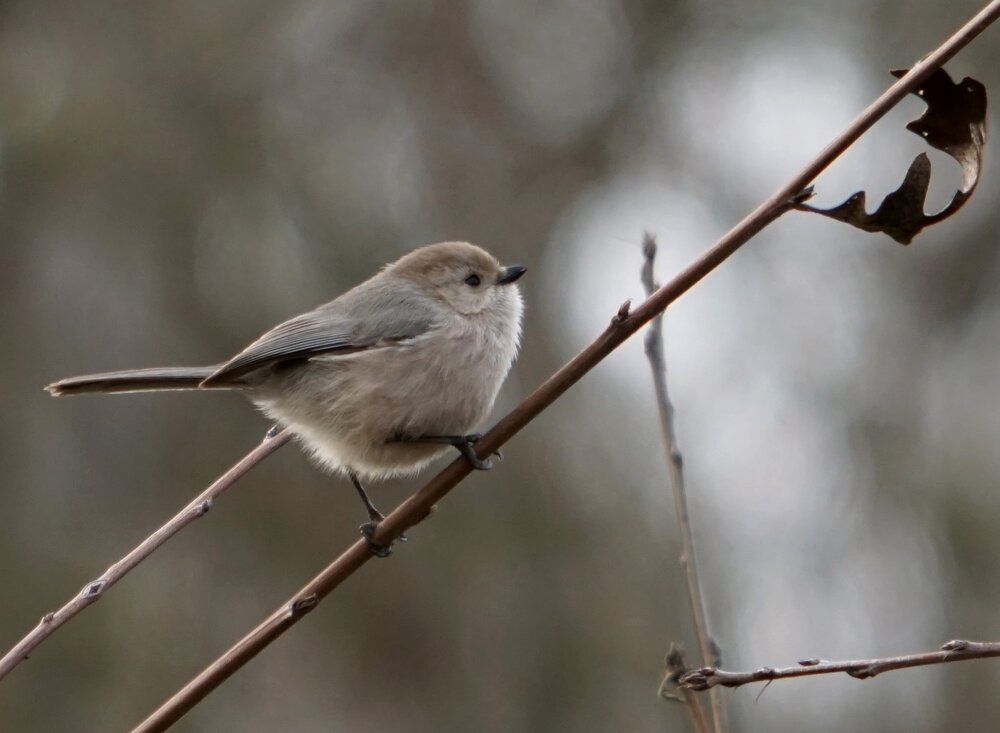
Black-capped Chickadees
Black-capped Chickadees are small but tough birds that endure harsh winters without migrating. They store food in hidden spots to eat later when food is scarce. Their cheerful “chick-a-dee-dee-dee” calls can brighten even the coldest winter day—have you heard them near your home?
Why Some Birds Stay Put
Have you ever wondered why some American birds choose to endure the cold rather than fly south like their feathered friends? The decision to stay put during winter is a fascinating survival strategy. It involves a mix of physical traits, food availability, and behavior that allows these birds to thrive despite freezing temperatures.
Adaptations To Cold Weather
Some birds have unique physical features that help them survive winter chills. Thick feathers trap heat close to their bodies, acting like natural insulation. Additionally, certain species can lower their metabolic rate to conserve energy during harsh weather.
You might notice how the Black-capped Chickadee fluffs up its feathers to create air pockets for warmth. This simple action helps it maintain body heat without needing to migrate.
Availability Of Food Sources
Food plays a huge role in a bird’s decision to stay. If a bird can find enough to eat during winter, it has little reason to migrate. Birds like the Northern Cardinal rely on seeds, berries, and insects that remain accessible even under snow.
Think about your own winter meals—would you travel miles if your fridge was fully stocked? Birds operate under a similar logic, making the most of local resources.
Territorial Behavior
Some birds are fiercely territorial and prefer to defend their home turf rather than start fresh elsewhere. Holding onto a familiar territory means access to known food sources and shelter. For example, the Downy Woodpecker aggressively protects its feeding spots throughout the year.
This territorial nature can save energy and reduce the risks associated with migration. Have you ever noticed how some animals are more comfortable in their known environment, even when conditions get tough? Birds are no different.
Credit: www.sacramentoaudubon.org
Surprising Habits Of Non-migratory Birds
Many American birds choose to stay through the cold winter months. Their habits surprise us. These birds do not fly south. They survive tough weather with unique behaviors. Understanding these habits helps us appreciate nature’s resilience.
Winter Survival Strategies
Non-migratory birds use clever ways to survive winter cold. They fluff up their feathers to trap heat. Some find shelter in dense bushes or tree cavities. Others huddle together to share body warmth. These birds lower their activity to save energy. They rely on stored fat to keep warm.
Changes In Diet
Food becomes scarce during winter. Birds change what they eat to survive. Many switch from insects to seeds and berries. Some eat frozen fruits or nuts they stored earlier. They also visit bird feeders for extra food. These diet shifts help them get enough energy.
Social Behavior In Harsh Seasons
Birds often change how they act in winter. Some form larger groups to find food easily. Group living helps watch for predators too. Others stay in family pairs, protecting each other. Their calls and songs may become quieter. Staying connected helps them survive the cold months.
Impact Of Climate On Migration Patterns
Climate plays a key role in bird migration patterns across America. Birds migrate to find food, better weather, and safe breeding grounds. Changes in climate directly affect these needs. Some birds stay in the north all year because the climate suits them. Understanding climate’s impact helps explain why certain American birds do not migrate south.
Climate Change Effects
Climate change shifts temperatures and weather patterns. Warmer winters allow some birds to stay instead of migrating. Food sources may appear earlier or last longer in northern areas. Birds adapt by changing their migration timing or routes. Some species reduce migration distance or stop migrating. These changes affect bird survival and ecosystems.
Urbanization And Its Role
Urban areas create warmer microclimates, known as heat islands. Birds find food and shelter easily in cities. Streetlights and buildings may confuse natural migration cues. Some birds take advantage of city life and avoid migration. Urbanization can provide safe resting spots during winter. It changes traditional migration behaviors.
Future Trends In Bird Migration
Migration patterns will keep evolving with climate and urban growth. Scientists predict more birds will stay north year-round. Some species may move to new areas with suitable climate. Tracking technology helps monitor these changes closely. Conservation efforts must consider these shifting patterns. Protecting habitats ensures birds can adapt and survive.
How To Identify Non-migratory Birds
Identifying birds that stay put during winter can deepen your connection with nature and sharpen your birdwatching skills. These non-migratory birds often have unique traits and habits that set them apart from their migratory cousins. Understanding how to spot these birds helps you recognize the subtle signs of their year-round presence in your area.
Physical Characteristics
Non-migratory birds often have physical features adapted to surviving colder climates. Many have thicker plumage or denser feathers that provide insulation against harsh weather. Look for birds with robust bodies and short, strong bills designed for cracking seeds through winter.
Take the Northern Cardinal, for example. Its bright red feathers stand out even on snowy days, making it easier to spot when many birds have flown south. Also, observe the size and shape of the bird—stockier birds are more likely to endure cold seasons without migrating.
Behavioral Clues
Behavior offers strong hints about a bird’s migratory habits. Non-migratory birds tend to stay in familiar territories year-round. You may notice them visiting the same feeders regularly or foraging consistently in the same spots.
Listen for calls and songs throughout the winter months; many non-migratory birds maintain vocal activity even in cold weather. Have you ever noticed a persistent tune on a frosty morning? That’s often a clue that the bird is staying put.
Birdwatching Tips
- Visit feeders regularly:Non-migratory birds often rely on feeders during winter, so consistent visits can help you identify them.
- Use binoculars:This helps you observe detailed physical traits and behaviors without disturbing the bird.
- Keep a journal:Note the birds you see throughout the seasons to spot patterns in presence and absence.
- Learn local species:Knowing which birds typically migrate in your area narrows down your options when spotting a non-migratory one.
Have you ever wondered why some birds brave the cold while others escape it? Watch closely this winter—you might be surprised which feathered friends stick around.
Credit: birdfact.com
Frequently Asked Questions
Which American Bird Does Not Migrate South?
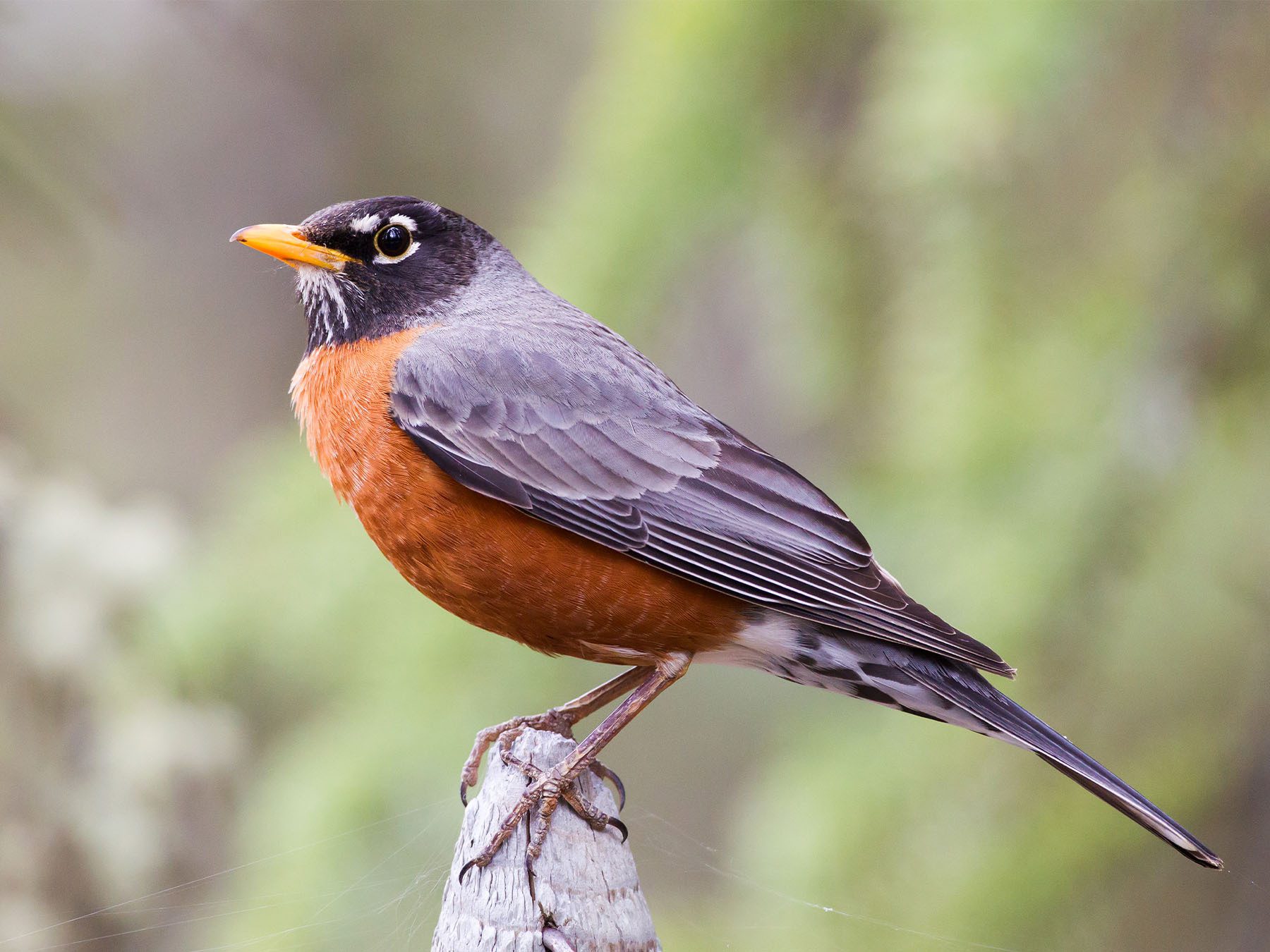
The American Robin often remains in northern areas year-round. They adapt by changing diets and seeking shelter. Unlike many birds, they tolerate cold winters well, making them one of the few American birds that do not migrate south.
Why Do Some American Birds Stay During Winter?
Some birds stay because they find enough food in winter. They adapt to cold temperatures and use natural shelters. Staying reduces migration risks like exhaustion and predators. These birds have developed survival strategies suited for colder climates.
How Do Non-migrating Birds Survive Harsh Winters?
Non-migrating birds survive winter by fluffing feathers for insulation. They change diets to available food like seeds or berries. They also roost in dense trees or cavities to stay warm. These behaviors help them endure cold temperatures without migrating.
Are Non-migrating Birds Common In America?
Yes, several American bird species are non-migratory. Examples include the Northern Cardinal and Black-capped Chickadee. These birds have adapted to diverse climates and food sources. Their presence enriches year-round birdwatching opportunities in many regions.
Conclusion
The American bird that does not migrate south is the Northern Cardinal. It stays through winter, adapting to cold weather. This bird finds food and shelter nearby. It sings even in snowy months. Watching it can bring joy all year.
Knowing which birds stay helps bird watchers prepare. Nature shows many ways to survive winter. The Northern Cardinal is a bright example of that. Keep an eye out for this beautiful, non-migrating bird. It reminds us of strength and resilience in harsh times.