
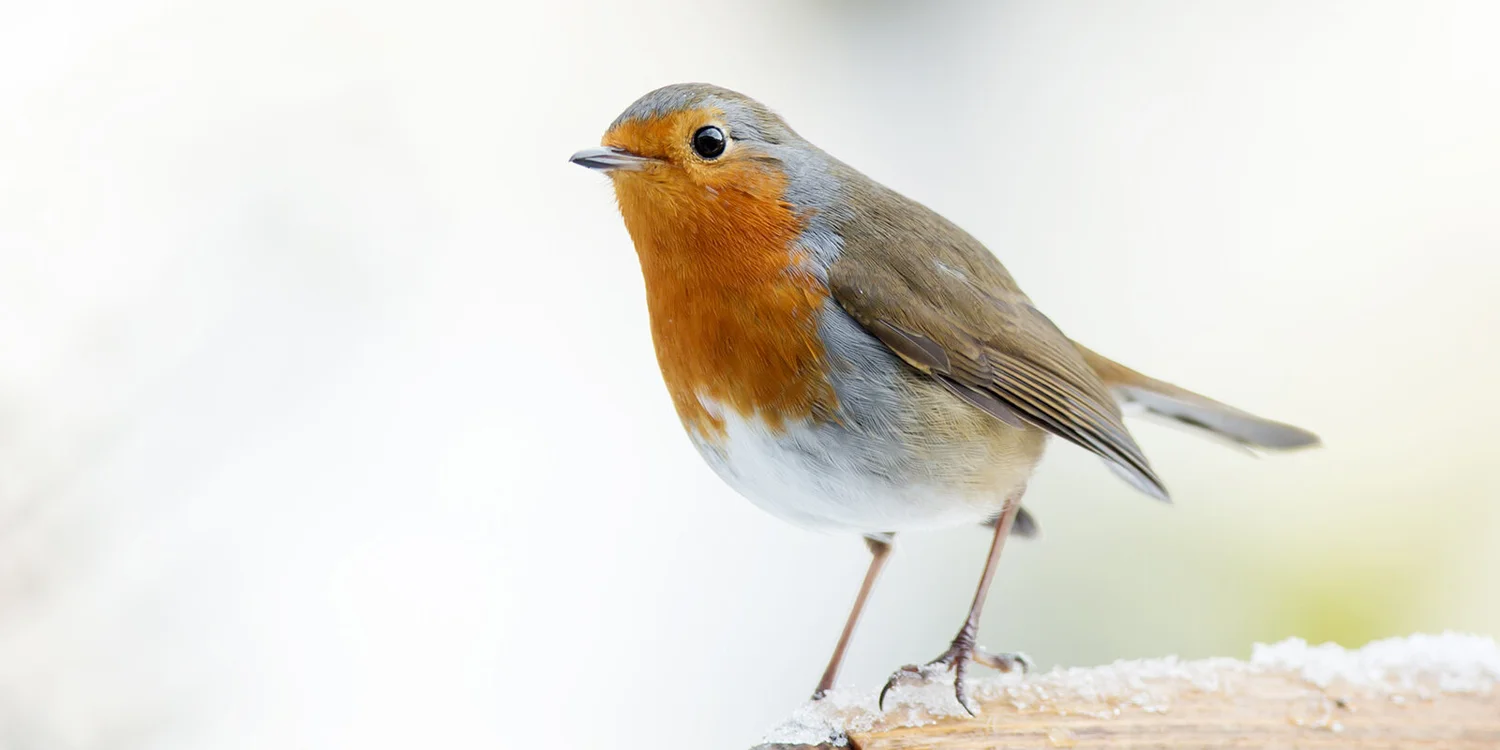
Have you ever been captivated by the beauty of a bird in flight or the delicate colors of its feathers? Bird photography lets you capture these stunning moments forever.
It’s more than just taking pictures—it’s about connecting with nature and seeing the world through a new lens. Whether you’re a beginner or just curious, understanding what bird photography is can open up a whole new way to enjoy the outdoors.
Ready to discover how you can start capturing these amazing creatures? Keep reading, and you’ll learn everything you need to know.

Credit: digital-photography-school.com
Basics Of Bird Photography
Getting started with bird photography means understanding a few key basics. It’s not just about snapping pictures; it’s about patience, the right tools, and knowing how birds behave. Mastering these basics will make your photos sharper and your experience more rewarding.
Essential Gear For Beginners
Choosing the right gear sets the foundation for great bird photos. You don’t need the most expensive camera, but a DSLR or mirrorless camera with a zoom lens around 300mm or more helps you get close without disturbing birds.
Consider adding a tripod or monopod to keep your shots steady. Binoculars can also be handy for spotting birds before you start shooting. Don’t forget extra batteries and memory cards—birds don’t wait for your gear to charge.
Choosing The Right Camera Settings
Camera settings can make or break your shot. Use a fast shutter speed, at least 1/1000 second, to freeze movement—birds rarely stay still. Aperture around f/5.6 balances sharpness and background blur nicely.
Set your ISO low to reduce grain but increase it if light is low. Use continuous autofocus mode to track birds in motion. How often do you adjust your settings on the fly to capture unexpected moments?
Understanding Bird Behavior
Knowing bird habits helps you predict their next move. Birds often feed during early morning or late afternoon—these times also offer the best light for photos. Watch how they fly, perch, or interact with their environment.
This knowledge helps you position yourself without startling them. Have you noticed how some birds return to the same spots? Using this insight can boost your chances of capturing stunning shots.

Credit: digital-photography-school.com
Techniques For Stunning Shots
Bird photography captures images of birds in their natural settings. It requires patience, quick reflexes, and knowledge of bird behavior to get clear and sharp photos. Techniques focus on lighting, composition, and using the right camera settings.
Bird photography is an exciting and rewarding hobby. Capturing stunning shots requires practice and patience. Understanding key techniques can greatly enhance your skills. Here are some essential methods to consider.Mastering Focus And Composition
Focus is crucial in bird photography. Use a fast shutter speed to capture sharp images. Keep your lens trained on the bird’s eyes for the best focus. Composition also plays a vital role. Utilize the rule of thirds to create dynamic images. Position the bird off-center for a more interesting photo.Using Light To Enhance Photos
Light can transform an ordinary photo. Early morning and late afternoon provide the best natural light. Soft, diffused light creates beautiful textures and colors. Avoid harsh midday sun, which can create unwanted shadows. Use backlighting for a dramatic effect on the bird’s feathers.Capturing Birds In Flight
Photographing birds in flight is challenging but rewarding. Use continuous shooting mode to catch fast movements. Set a high shutter speed for clear images. Anticipate the bird’s path and position yourself accordingly. Practice panning, a technique that follows the bird’s motion, to capture fluidity.Popular Locations For Bird Photography
Bird photography thrives in places where birds gather naturally or adapt well. Picking the right location helps capture amazing photos. Different spots offer unique bird species and behaviors. Explore varied environments to enrich your bird photo collection.
Best Natural Habitats
Natural habitats hold the richest variety of birds. Forests, wetlands, and grasslands provide food and shelter. Protected parks and reserves often have rare and colorful species. Early mornings are perfect for clear, soft light and active birds.
- Rainforests with dense trees and streams
- Coastal marshes and estuaries
- Mountain ranges with open skies
- Open fields and meadows
Urban Birdwatching Spots
Cities and towns offer surprising birdwatching chances. Parks, gardens, and lakes attract common and migratory birds. Buildings, bridges, and rooftops become resting places for many species. Urban areas provide easy access and diverse photo opportunities.
- City parks with water features
- Botanical gardens and green spaces
- Riverside walkways and piers
- Historic buildings and quiet streets
Seasonal Birdwatching Destinations
Bird migration creates seasonal hotspots worldwide. Coastal shores, wetlands, and open fields fill with migrating birds. Visiting these places during migration can reveal rare species. Timing trips with bird seasons improves photo chances.
- Spring and fall migration flyways
- Wintering grounds in warmer regions
- Breeding sites in northern forests
- Stopover habitats along migratory routes

Credit: digital-photography-school.com
Post-processing Tips
Post-processing is where your bird photographs truly come to life. It’s not just about fixing mistakes but enhancing the natural beauty and details you captured. Thoughtful editing can turn a good shot into a stunning image that tells a story.
Editing For Color And Sharpness
Adjusting color balance can make your bird’s feathers pop without looking unnatural. Boost vibrance gently to highlight subtle hues like the iridescence on a hummingbird’s wings.
Sharpness helps reveal fine details like feather edges and eye clarity. But be careful—too much sharpening creates noise and halos. Zoom in to check details before finalizing your edits.
Cropping And Framing
Crop to remove unnecessary space and focus attention on your subject. Sometimes a tighter crop brings more emotion and impact to the bird’s expression or posture.
Think about composition rules like the rule of thirds to place your bird in a dynamic spot. Experiment with different crops to see which framing best tells your bird’s story.
Removing Distractions
Small distractions such as twigs, spots, or background clutter can steal attention from your bird. Use tools like the healing brush or clone stamp to clean up these elements.
Removing distractions doesn’t mean altering nature but helping viewers focus on your subject. Ask yourself what draws your eyes away and remove only what is necessary.
Ethical Bird Photography
Ethical bird photography goes beyond capturing stunning images; it’s about honoring the lives and habitats of your feathered subjects. Every click of the shutter carries a responsibility to protect wildlife, ensuring your passion doesn’t harm the very creatures you admire. How often do you pause to consider the impact of your presence on a bird’s natural behavior?
Respecting Wildlife
Respect means observing birds without changing their actions or environment. Avoid approaching nests or young birds, as this can cause stress or abandonment. When you see a rare or shy species, keep your distance and let others enjoy it too without disturbance.
Minimizing Disturbance
Movement, noise, and light can all disturb birds, especially during feeding or breeding times. Use a telephoto lens to stay far away, and remain as quiet and still as possible. If a bird flies away or shows signs of stress, step back immediately—your presence should never cause panic.
Following Local Regulations
Every region has rules to protect wildlife and their habitats, from seasonal restrictions to protected areas. Learn and follow these laws carefully. Ignoring them can lead to fines, but more importantly, it can harm the ecosystem you’re trying to celebrate.
Advanced Bird Photography
Advanced bird photography requires patience, skill, and the right tools. It involves capturing detailed images of birds in their natural habitats. This level goes beyond basic shots, focusing on clarity, behavior, and rare moments.
Photographers often face challenges like distance, quick movements, and shy birds. Overcoming these requires specific techniques and equipment. The following sections explain key strategies to improve your bird photography skills.
Using Telephoto Lenses Effectively
Telephoto lenses let you photograph birds from far away. They keep a safe distance without disturbing the birds. Choose lenses with 300mm or more focal length. This helps fill the frame with your subject.
Use a fast shutter speed to freeze motion. A wider aperture lets more light in, improving sharpness. Stabilize your camera with a tripod or monopod. This reduces blur and keeps images crisp.
Employing Camouflage And Blinds
Birds notice movement and colors easily. Camouflage clothing blends you into the environment. Blinds are small hides that conceal your presence. They let you observe without scaring birds away.
Set up blinds near bird feeding or nesting areas. Stay quiet and avoid sudden movements. These tactics increase chances of close, natural shots. Patience is key when using camouflage and blinds.
Tracking Rare And Elusive Species
Finding rare birds takes research and dedication. Study bird guides and local reports to know where to search. Visit habitats at different times of day for better chances.
Use apps or websites that track bird sightings. Move slowly and watch for signs like feathers or calls. Keep your camera ready to capture brief appearances. Persistence often leads to rewarding photos of elusive species.
Frequently Asked Questions
What Is Bird Photography?
Bird photography is capturing images of birds in their natural habitats. It requires patience, skill, and knowledge of bird behavior to get stunning photos.
Which Equipment Is Best For Bird Photography?
A DSLR or mirrorless camera with a telephoto lens is ideal. A tripod and fast shutter speed help capture sharp bird images.
How Do I Find Birds To Photograph?
Visit birdwatching spots, nature reserves, or parks early morning. Using apps or local guides can help locate popular birding sites.
What Settings Are Best For Bird Photography?
Use a fast shutter speed (1/1000s or faster) to freeze motion. Set a wide aperture for background blur and adjust ISO for light.
Conclusion
Bird photography captures the beauty of birds in their natural homes. It helps people see nature up close and appreciate wildlife. Patience and practice improve your skills over time. Using the right tools makes a big difference too. Enjoy the quiet moments and the thrill of a perfect shot.
Bird photography connects us with the world outside. It’s a simple way to find peace and wonder. Give it a try and see what you discover.