
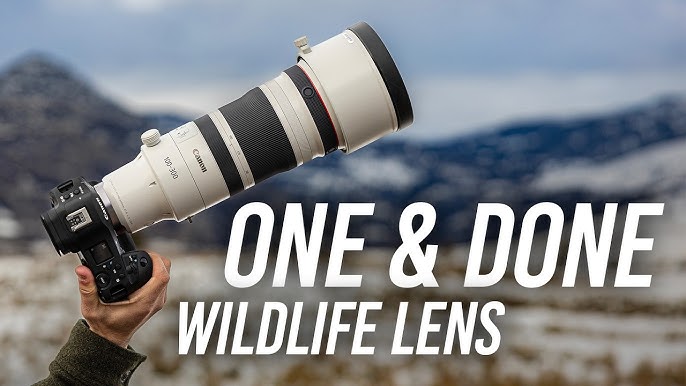
Are you ready to capture stunning photos of birds in their natural beauty? Choosing the right Canon lens can make all the difference between blurry shots and breathtaking images.
But with so many options available, how do you find the best Canon lens for bird photography that fits your style and budget? You’ll discover clear, practical advice to help you pick the perfect lens. Get ready to take your bird photography to the next level and create pictures that truly stand out.
Keep reading—you won’t want to miss this!
Key Features For Bird Lenses
Choosing the right lens for bird photography means understanding key features. These features impact how well the lens captures sharp, detailed images of birds. Birds move fast and often stay far away. A lens must keep up with their speed and distance.
Every bird photographer needs to focus on four main lens features. These features help get clear, bright photos even in tough conditions.
Focal Length Importance
Focal length controls how close or far subjects appear. Longer focal lengths bring distant birds closer. Most bird lenses range from 300mm to 600mm. A longer focal length helps fill the frame with the bird. It also allows shooting from a safe distance without disturbing wildlife.
Aperture And Light Gathering
A wider aperture means more light enters the lens. This helps in low light or early morning shooting. A large aperture like f/2.8 or f/4 makes the background blurry. It highlights the bird and reduces distractions. Faster shutter speeds become possible, freezing bird motion clearly.
Autofocus Speed And Accuracy
Birds move quickly and unpredictably. Fast autofocus helps keep the bird sharp. Accurate autofocus tracks moving subjects well. Lenses with advanced autofocus systems improve success rates. Continuous autofocus mode is essential for action shots.
Image Stabilization Benefits
Image stabilization reduces blur from hand shaking. It helps shoot sharp photos at slower shutter speeds. This is useful when using long focal lengths or in low light. Stabilization allows handheld shooting without a tripod. It increases the chance of capturing crisp bird images.

Credit: www.nickdalephotography.com
Top Canon Lenses For Birds
Capturing the beauty of birds requires the right lens. Canon offers some of the best options for bird photography. These lenses provide sharp images and excellent performance. Let’s explore the top Canon lenses for bird photography.
Canon Ef 100-400mm F/4.5-5.6l Is Ii Usm
This lens offers great flexibility for bird photographers. Its zoom range lets you capture birds at varying distances. The lens includes Image Stabilization for clear shots. It’s lightweight and easy to handle during long shoots.
Canon Ef 400mm F/5.6l Usm
This lens is known for its sharpness and speed. It provides excellent image quality with a fixed focal length. The lens is compact and easy to carry. Perfect for photographers who need quick focus.
Canon Rf 100-500mm F/4.5-7.1l Is Usm
This RF lens offers a broad zoom range. It provides flexibility for different shooting situations. The lens includes advanced stabilization features. Ideal for capturing distant birds with precision.
Canon Ef 600mm F/4l Is Iii Usm
This lens is a favorite among professional bird photographers. It offers superb image quality and reach. The lens is designed for sharpness and detail. Its lightweight design makes it easier to handle during shoots.
Budget-friendly Canon Options
Finding the right Canon lens for bird photography on a budget can be challenging. You want quality and versatility without breaking the bank. Luckily, Canon offers some excellent budget-friendly options that deliver sharp images and good reach for capturing birds in action.
Canon Ef 70-300mm F/4-5.6 Is Ii Usm
This lens is a favorite among bird photographers who want more zoom without spending a fortune. The 70-300mm range gives you enough reach to capture birds from a distance, while the Image Stabilization (IS) helps reduce blur caused by hand movements.
The USM autofocus is fast and quiet, so you won’t scare off your feathered subjects. I’ve used this lens on early morning hikes, and it handled low-light conditions surprisingly well. Are you ready to try a lens that balances reach and portability?
Canon Ef-s 55-250mm F/4-5.6 Is Stm
Perfect for Canon APS-C cameras, this lens offers a compact and lightweight design. Its 55-250mm zoom range is ideal for beginners or those who prefer a less bulky setup. The STM motor ensures smooth and silent focusing, which is crucial for wildlife photography.
During a recent birdwatching trip, this lens let me capture detailed shots of small birds without the heavy gear. Plus, it’s affordable enough to invest in other accessories like a good tripod. How much does lens weight affect your shooting experience in the field?

Credit: www.reddit.com
Teleconverters For Extended Reach
Teleconverters can be a game-changer for bird photography by giving you extra reach without the need to buy a whole new lens. They attach between your camera body and lens, magnifying the focal length and bringing distant birds closer. But before you rush to add one to your kit, it’s important to understand how they work with your Canon lenses and what trade-offs to expect.
Compatibility With Canon Lenses
Not every Canon lens pairs well with teleconverters. They work best with telephoto lenses, especially those with a fast maximum aperture like f/2.8 or f/4. For example, Canon’s 100-400mm or 70-200mm lenses are popular choices that handle teleconverters nicely.
Check your lens’s manual or Canon’s website to see which teleconverter models are compatible. Some lenses may lose autofocus or image quality if paired with the wrong teleconverter. You want to avoid surprises in the field when a bird suddenly appears far away.
Impact On Image Quality
Adding a teleconverter increases focal length but can reduce sharpness and brightness. A 1.4x teleconverter adds 40% more reach with minimal loss, while a 2x teleconverter doubles the focal length but often reduces sharpness noticeably.
For bird photographers, sharpness matters because you want to capture fine feather details. Using high-quality teleconverters designed for Canon lenses can minimize these issues. Also, stop down your aperture slightly to improve image sharpness when using a teleconverter.
Autofocus Performance Considerations
Teleconverters reduce the effective aperture, which can affect autofocus speed and accuracy. A lens with an f/4 aperture paired with a 2x teleconverter behaves like an f/8 lens, and many Canon camera bodies struggle to autofocus in such low-light conditions.
Think about your camera’s autofocus capabilities before adding a teleconverter. If your camera struggles with f/8 autofocus, you might miss the perfect moment when a bird takes flight. Sometimes manual focus or focus peaking can be helpful, but it’s not ideal for fast-moving subjects.
Have you tested your gear’s autofocus with teleconverters in real birdwatching scenarios? It’s worth experimenting to see what works best for your style and equipment.
Lens Accessories For Bird Photography
Choosing the right lens is just part of bird photography. Accessories help you get better shots and protect your gear. They improve stability, reduce glare, and keep your equipment safe. These add-ons make your bird photography experience smoother and more enjoyable.
Tripods And Monopods
Stable shots are key in bird photography. Tripods hold your camera steady during long waits. They reduce camera shake and blur. Monopods offer quick mobility and some support. Both help you capture sharp images from a distance. Choose lightweight models for easier carrying on hikes.
Lens Hoods And Filters
Lens hoods block unwanted sunlight and reduce lens flare. They improve image contrast and color quality. Filters protect your lens from dust and scratches. Polarizing filters cut reflections on water and leaves. UV filters shield lenses from harmful rays. These small tools enhance photo clarity and lens safety.
Camera Bags And Protective Gear
A good camera bag keeps your gear organized and safe. Look for padded compartments to prevent damage during travel. Waterproof bags protect against rain and moisture. Lens cases offer extra protection for expensive lenses. Carrying protective gear helps extend your equipment’s life.
Credit: www.livescience.com
Tips For Choosing The Right Lens
Choosing the right Canon lens for bird photography means thinking about several key factors. Each lens offers different benefits depending on the type of birds and the environment. Picking a lens that fits your needs helps capture clear, sharp images. Focus on the bird species, shooting setting, and lens features to make the best choice.
Matching Lens To Bird Species
Different birds require different lens focal lengths. Small birds need longer lenses to fill the frame. Larger birds or those in open areas can be photographed with shorter lenses. Consider the size and behavior of birds you want to shoot. Telephoto lenses between 300mm and 600mm are popular for most bird species. Fast autofocus and image stabilization improve sharpness and ease of use.
Considering Shooting Environment
Think about where you will take photos most often. Dense forests need lenses with good close focus ability. Open fields or wetlands benefit from longer lenses with wide apertures. Low light conditions require lenses with wide apertures like f/2.8 or f/4. Weather sealing is important for shooting outdoors in rain or dust. Choose lenses that suit your common birding locations.
Balancing Weight And Portability
Heavy lenses offer better reach but can tire you quickly. Lightweight lenses are easier to carry on long walks or hikes. Consider how long you plan to shoot each time. Tripods or monopods can help support heavier lenses. Balance your need for image quality with comfort. A lens that feels comfortable will help you shoot longer and better.
Frequently Asked Questions
What Is The Best Canon Lens For Bird Photography?
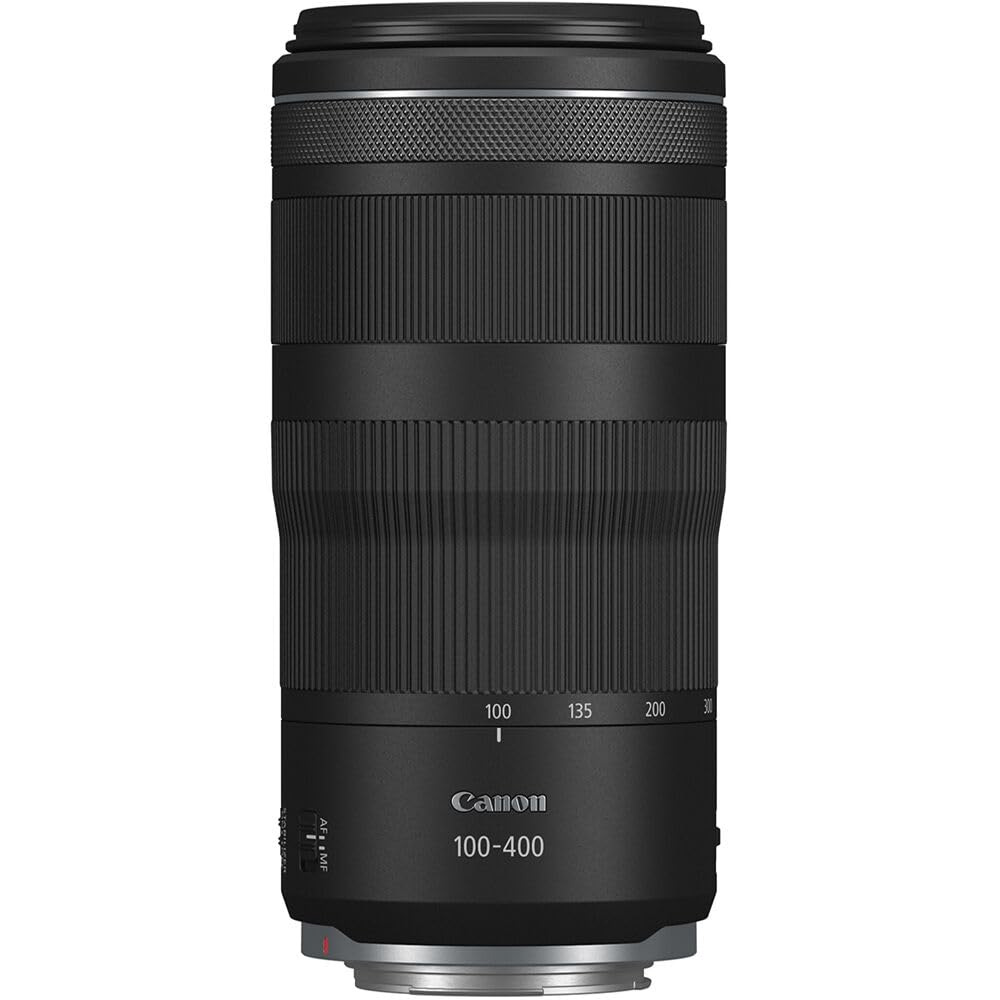
The Canon EF 100-400mm f/4. 5-5. 6L IS II USM is ideal for bird photography. It offers excellent zoom, sharpness, and image stabilization.
Which Canon Lens Has The Best Zoom For Birds?
Canon EF 200-600mm f/5. 6-6. 3 IS USM provides powerful zoom. It’s perfect for capturing distant birds with clear detail and sharpness.
Are Prime Lenses Better For Bird Photography?
Prime lenses like the Canon EF 400mm f/5. 6L USM offer superior image quality. However, zoom lenses provide more flexibility in framing.
How Important Is Image Stabilization In Bird Lenses?
Image stabilization is crucial. It reduces camera shake, allowing sharper images, especially when using long focal lengths or shooting handheld.
Conclusion
Choosing the best Canon lens for bird photography depends on your needs. A good lens helps capture sharp, clear images from far away. Telephoto lenses with fast autofocus work well for quick bird movements. Consider weight and size for easier handling outdoors.
Budget also matters; some lenses offer great value without high cost. Test a few lenses if possible to find your fit. With the right lens, bird photography becomes more fun and rewarding. Keep practicing and enjoy capturing nature’s beauty.