

Choosing the right tripod head can make or break your wildlife bird photography. You want something sturdy, smooth, and reliable to keep up with those quick, unpredictable bird movements.
But with so many options out there, how do you know which Gitzo head suits your style and gear best? This guide will help you find the perfect match, so you can focus on capturing stunning bird shots without worrying about your equipment.
Keep reading to discover which Gitzo head will elevate your photography to the next level.
Choosing The Right Gitzo Head
Choosing the right Gitzo head is vital for wildlife bird photography. It affects stability, movement, and ease of use in the field. A good head lets you track birds smoothly without missing a shot. Understanding the types and features helps you pick the perfect match.
Balance between weight and strength is key. You want a head that handles heavy lenses but stays lightweight for long hikes. Compatibility with your Gitzo tripod ensures a solid setup. Let’s explore the main points to consider.
Types Of Gitzo Heads
- Ball Heads:Offer quick adjustments and smooth rotation. Ideal for fast-moving birds.
- Pan-and-Tilt Heads:Provide precise control on separate axes. Good for controlled panning and vertical moves.
- Gimbal Heads:Designed for heavy telephoto lenses. They balance the camera for easy tracking.
Key Features For Wildlife Photography
- Strong load capacity to hold heavy lenses securely.
- Smooth, fluid movement for seamless tracking of birds.
- Locking mechanisms that are easy to use and reliable.
- Compact and lightweight design for portability.
- Quick release systems to swap gear fast.
Compatibility With Gitzo Tripods
Gitzo heads fit best with Gitzo tripods for maximum stability. Check the mounting plate size and screw type. Some heads fit only specific series of Gitzo tripods. Matching the head with the tripod model ensures safety and balance. Always confirm compatibility before purchase.

Credit: www.youtube.com
Stability Factors To Consider
Choosing a stable Gitzo head ensures sharp photos, especially with heavy lenses. Look for strong locking mechanisms and smooth movement for steady shots. Stability reduces camera shake, critical for capturing clear bird images in the wild.
Stability is essential in wildlife bird photography. A stable head ensures clear, sharp images. Gitzo heads are renowned for their stability. Let’s explore factors affecting their stability.Weight Capacity And Load Balance
Choosing the right weight capacity is crucial. A head should support your camera and lens. Overloading can lead to instability. Always check the maximum load capacity. Balance is equally important. A balanced setup prevents tipping. It ensures smooth movements.Material And Build Quality
Material affects durability and stability. Gitzo heads are usually made from high-quality materials. Aluminum and magnesium are common choices. They offer strength without extra weight. Build quality ensures longevity. A well-built head withstands harsh conditions. It provides consistent performance.Locking Mechanisms And Smoothness
Locking mechanisms play a vital role. They secure your camera in position. Effective locks prevent unwanted movement. Smoothness is equally important. It allows for precise adjustments. Gitzo heads often feature fluid movements. This helps in tracking fast-moving birds. Smooth panning enhances the shooting experience.Popular Gitzo Heads For Bird Photography
Choosing the right Gitzo head is vital for wildlife bird photography. The head controls your camera and lens movement. It must be smooth, stable, and easy to adjust. Gitzo offers several popular head types, each suited for different shooting styles. Understanding these options helps you pick the best one for your needs.
Ball Heads
Ball heads provide quick and versatile camera positioning. They allow fluid motion in almost any direction. Bird photographers benefit from their fast adjustments during sudden bird movements. Gitzo ball heads are known for strong locking mechanisms and smooth rotation. They work well with smaller to medium-sized lenses. Compact and lightweight, they are easy to carry during long trips.
Gimbal Heads
Gimbal heads excel at supporting large, heavy telephoto lenses. They balance the camera setup, reducing strain on the photographer. Movements are effortless and very smooth, ideal for tracking flying birds. Gitzo gimbal heads offer precise control and stability. Their design allows natural, fluid panning and tilting without lifting the gear. Perfect for serious wildlife photographers who use heavy lenses.
Pan-and-tilt Heads
Pan-and-tilt heads provide separate controls for horizontal and vertical movements. This setup offers precise framing and steady shots. Gitzo pan-and-tilt heads are reliable and easy to use. They help lock the camera firmly in place once the perfect angle is found. These heads suit photographers who prefer methodical, controlled movements over quick adjustments. They handle various lens sizes well.

Credit: www.amazon.ca
Advantages Of Gimbal Heads For Birds
Choosing the right head for your Gitzo tripod can dramatically improve your wildlife bird photography experience. Gimbal heads offer unique advantages that cater specifically to the fast and unpredictable movements of birds. Their design and functionality support your ability to capture sharp, well-framed shots without missing a moment.
Ease Of Movement
Gimbal heads allow smooth and effortless panning and tilting. This is especially useful when tracking birds that move quickly or change direction suddenly. You can follow the subject naturally without jerky movements, which means fewer missed shots and less fatigue.
Imagine trying to follow a swift hawk in flight. A gimbal head lets you move your camera fluidly, almost as if your lens is an extension of your eye. This ease of movement helps you stay focused on the action rather than struggling with your gear.
Precision And Control
These heads provide excellent balance, so you gain precise control over your framing. Adjustments feel intuitive and responsive, which is crucial when composing shots of small or distant birds. You can make micro-movements easily, improving your chances of nailing that perfect moment.
With a gimbal head, you don’t have to fight against the weight of your lens. This balance means you can hold your camera steady for longer, giving you more time to wait for that ideal pose or behavior.
Handling Heavy Lenses
Bird photographers often use large telephoto lenses, which can be cumbersome and tiring to manage. Gimbal heads excel at supporting heavy setups, distributing the weight evenly to reduce strain on your arms and neck. This support allows you to shoot for longer periods without discomfort.
When I switched to a gimbal head, I noticed how much easier it was to carry and control my 600mm lens. The head kept everything stable, even during sudden movements, so I could focus entirely on the bird instead of worrying about my equipment.
Have you ever felt held back by your gear while trying to capture wildlife? A gimbal head might be the upgrade you need to enhance your photography and enjoy every moment in the field.
Comparing Gitzo Models
Choosing the right Gitzo head for wildlife bird photography means understanding what sets each model apart. Gitzo offers a range of heads designed to fit different needs and budgets. Comparing these models helps you pick one that matches your shooting style and gear weight without slowing you down in the field.
Series 1 Vs Series 3
The Series 1 Gitzo heads are built for lightweight setups, perfect if you carry smaller telephoto lenses or prefer hiking light. They offer smooth movements but might struggle with heavy lenses above 4 kilograms.
Series 3 heads handle larger, heavier lenses better, offering more stability and control when tracking fast-moving birds. If your kit includes big glass like a 600mm f/4, Series 3 is usually the safer choice.
Think about your typical shoot: Do you often work with heavy lenses, or do you value agility and speed? Your answer guides whether Series 1 or Series 3 suits you best.
Carbon Fiber Vs Aluminum
Carbon fiber heads are lighter and absorb vibrations better, which can improve sharpness during long exposures or windy conditions. They also resist corrosion, making them ideal for outdoor use near water or in humid environments.
Aluminum heads tend to be more affordable but add extra weight to your setup. They’re durable but may transmit more vibrations, which could affect image sharpness during critical moments.
If you’ve ever felt your tripod shake just as a rare bird appeared, you’ll appreciate the stability carbon fiber can offer. Is extra weight a dealbreaker for your shooting style, or do you prioritize budget?
Price And Value
Gitzo heads come with a premium price tag, but they often last many years, even under tough conditions. Investing in a high-quality head means fewer worries about equipment failure in the field.
Consider what features matter most to you versus the cost. A Series 1 carbon fiber head might cost more upfront but could save you fatigue and frustration during long hikes.
Ask yourself: Is paying more now worth the comfort and reliability later? Sometimes spending a bit extra upfront pays off in better photos and less gear hassle.
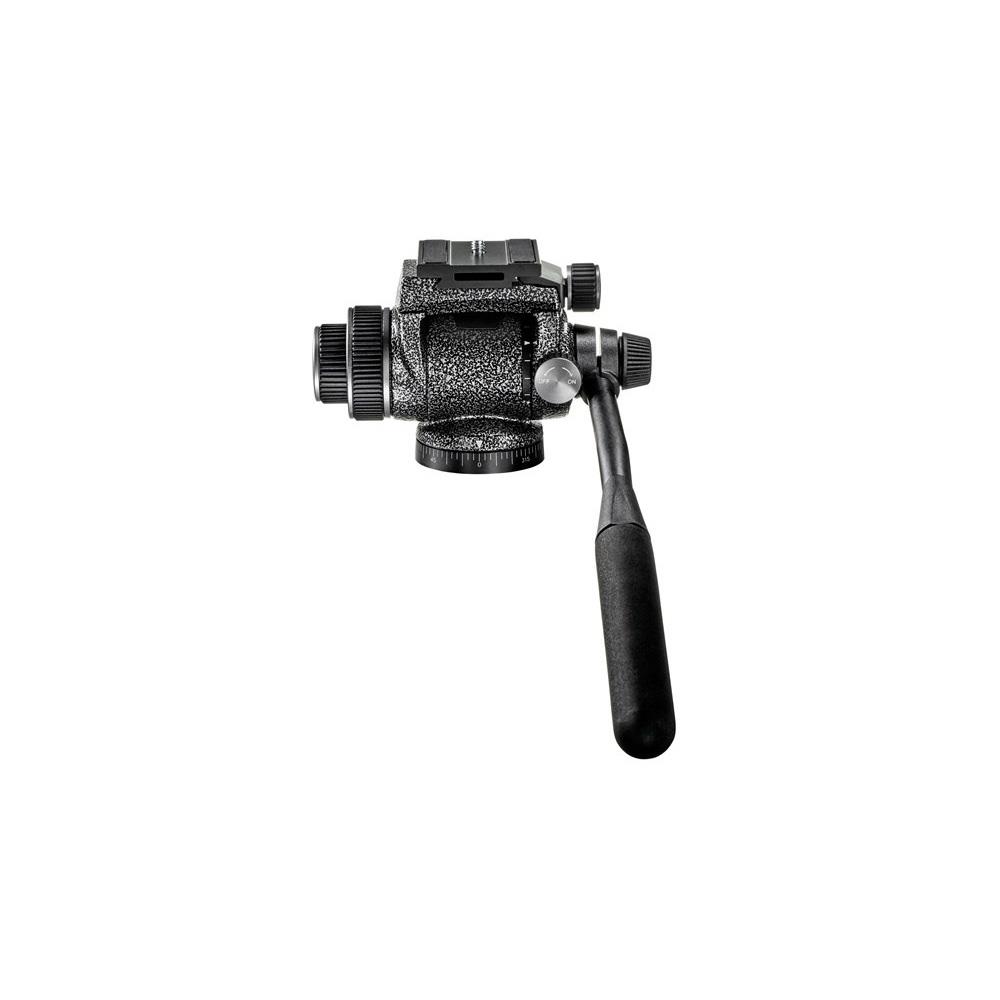
Credit: www.parkcameras.com
Setting Up For Ultimate Stability
Achieving ultimate stability is crucial for wildlife bird photography. A stable setup keeps your camera steady and sharp during long waits. It reduces shake and blur, especially with heavy lenses. Properly setting up your Gitzo head ensures smooth, precise movements without wobbling. Stability helps capture clear images of fast, unpredictable birds. Follow key steps to maximize your tripod head’s steadiness and performance.
Mounting Your Camera And Lens
Start by securely attaching your camera to the Gitzo head. Use a compatible quick-release plate for easy mounting and removal. Tighten the plate firmly to avoid any movement. Attach your lens carefully to prevent stress on the mount. Check all connections before lifting the camera. This prevents sudden slips during shooting. Make sure the camera and lens sit balanced on the plate.
Balancing Techniques
Balance your camera and lens on the tripod head for smooth operation. Adjust the position so the weight is centered over the tripod legs. Avoid having the lens tip too far forward or backward. A well-balanced setup reduces strain on the head’s mechanisms. This allows for easier panning and tilting. Use the head’s adjustment knobs to fine-tune the balance. Proper balance ensures less shake and longer stability.
Securing The Head On The Tripod
Fasten the Gitzo head tightly to your tripod’s mounting platform. Use the locking ring or screw to secure the head without over-tightening. Check for any looseness by gently shaking the head after mounting. Stability improves when the head is firmly attached to the tripod. Avoid quick-release plates that do not lock firmly. Stability starts at the tripod base and extends through the head. Ensure all parts are securely connected before shooting.
Maintaining Your Gitzo Head
Maintaining your Gitzo head ensures smooth operation and extends its lifespan. Regular care prevents damage during outdoor shoots. Wildlife bird photography demands reliable gear that moves precisely and quietly. Proper maintenance keeps your tripod head responsive and stable. This section covers key care steps for your Gitzo head.
Cleaning And Lubrication
Remove dirt and dust after every outing. Use a soft brush or microfiber cloth to clean surfaces. Avoid harsh chemicals that can damage finishes. Apply a small amount of light lubricant to moving parts. Use lubricants designed for camera gear to avoid residue. Clean and lubricate joints gently to keep movement smooth. Excess lubricant can attract dust; wipe off any surplus.
Troubleshooting Common Issues
Check for stiffness or uneven movement in the head. Tighten loose screws or knobs using the correct tools. If the head wobbles, inspect mounting screws and tripod connection. Clean any debris blocking rotation or tilt mechanisms. For unusual noises, apply lubricant carefully. Replace worn parts if problems persist to avoid damage to your gear.
Storage Tips For Longevity
Store your Gitzo head in a dry, dust-free environment. Use a protective case or bag to prevent scratches. Keep it away from extreme temperatures and humidity. Remove the head from the tripod for long storage periods. Loosen tension knobs slightly to reduce stress on components. Regularly inspect stored gear to catch early signs of wear or corrosion.
Frequently Asked Questions
Which Gitzo Head Suits Wildlife Bird Photography Best?
The Gitzo GH1382QD fluid head is ideal for bird photography. It offers smooth panning and precise control for tracking fast-moving birds.
How To Choose A Gitzo Head For Heavy Lenses?
Select a Gitzo head with high load capacity, like the GH3382QD, to support heavy telephoto lenses securely during wildlife shoots.
Can Gitzo Heads Improve Bird Photography Stability?
Yes, Gitzo heads provide excellent stability and smooth movement, essential for sharp images when photographing unpredictable bird behavior.
Are Gitzo Heads Compatible With All Wildlife Tripods?
Most Gitzo heads fit Gitzo tripods perfectly, ensuring a stable, reliable setup for outdoor bird photography sessions.
Conclusion
Choosing the right Gitzo head makes a big difference in bird photography. It helps keep your camera steady and easy to move. A good head lets you follow birds quickly and smoothly. Think about weight, stability, and how easy it is to adjust.
This makes your shots sharper and your work more comfortable. Take time to pick the best fit for your needs. The right gear helps you enjoy wildlife photography more. Keep practicing and experimenting with your setup. Your photos will improve with the right support.