

Are you struggling to capture sharp, detailed photos of birds from a distance? Choosing the right zoom lens can make all the difference in your bird photography.
But with so many options out there, how do you know which size zoom lens fits your needs best? This guide will help you find the perfect lens that brings those beautiful feathered creatures closer without disturbing them. Keep reading to discover how to boost your bird photography skills and make every shot count.
Choosing The Right Zoom Lens
Choosing the right zoom lens is key for bird photography. The lens affects image quality and how close you feel to the bird. A good zoom lens lets you capture sharp, detailed shots from a distance. It also adapts to different bird sizes and environments. Understanding focal length, aperture, and lens types helps pick the best lens for your needs.
Focal Lengths For Bird Photography
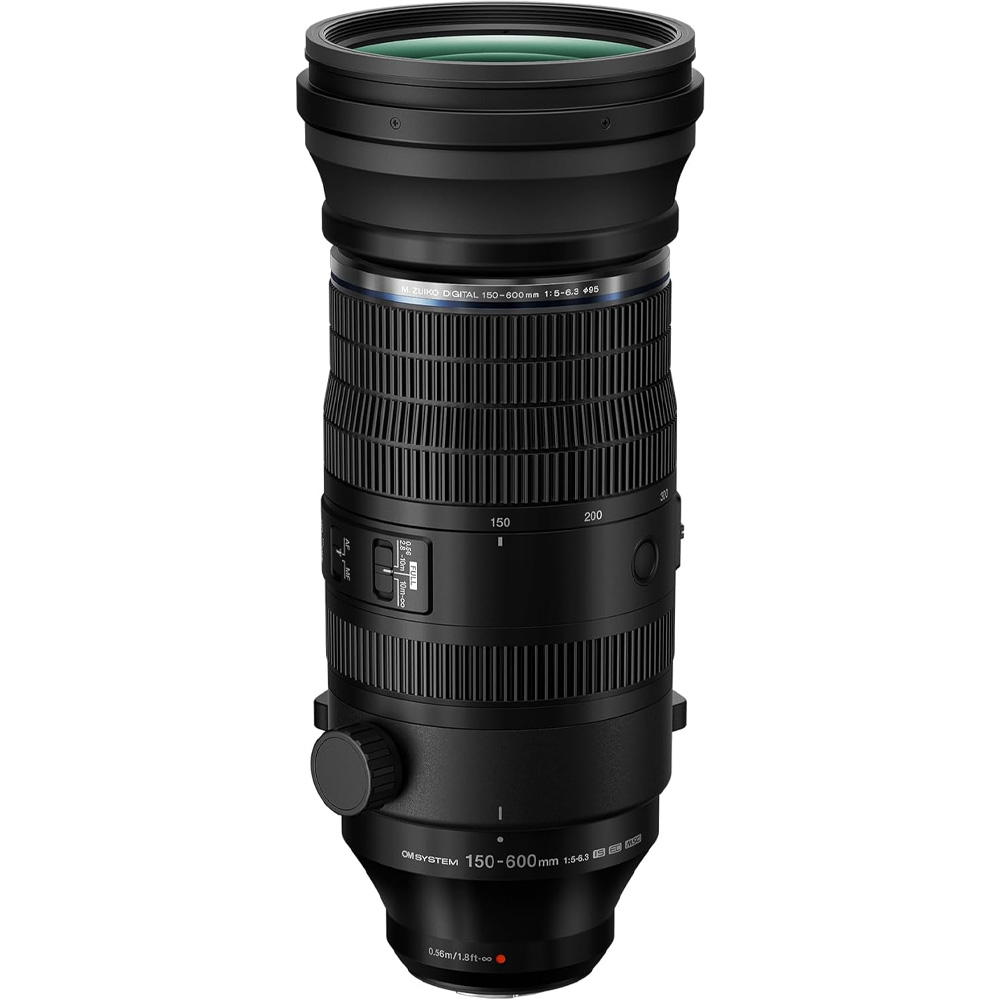
Focal length controls how much zoom the lens offers. Longer focal lengths bring distant birds closer. A lens between 300mm and 600mm is ideal for most bird shots. Shorter lenses, like 150mm, work for birds in open areas. Longer lenses over 600mm help capture small birds far away. Choose focal length based on your shooting style and bird size.
Aperture Considerations
Aperture affects light entry and background blur. A wide aperture (f/2.8 to f/5.6) lets more light in. It helps take clear photos in low light or fast action. Wide apertures create a blurry background, making the bird stand out. Narrow apertures (f/8 and above) keep more of the scene sharp. Balance aperture size with zoom length for best results.
Lens Types And Compatibility
Zoom lenses come in different types like telephoto and super-telephoto. Telephoto lenses (200mm-400mm) are lighter and easier to carry. Super-telephoto lenses (400mm+) provide more reach but are heavier. Check if the lens fits your camera brand and model. Some lenses offer image stabilization to reduce blur. Match lens weight and features with your shooting habits.
Credit: www.livescience.com
Factors Affecting Lens Choice
Choosing the right zoom lens for bird photography involves many factors. Each aspect plays a role in capturing stunning bird images. Consider these factors to enhance your photography experience.
Distance To Subject
The distance to the bird impacts lens selection. Birds can be skittish and stay far from photographers. A lens with a longer focal length helps capture distant birds. Consider lenses ranging from 300mm to 600mm for far-off subjects.
Lighting Conditions
Lighting conditions greatly influence lens choice. Bright light allows for smaller apertures. But low light needs larger apertures to let in more light. Lenses with wide apertures, like f/2.8 or f/4, work better in dim conditions. They provide clearer images without raising ISO too much.
Camera Sensor Size
Your camera’s sensor size affects lens performance. Full-frame sensors capture more detail and have better low-light capability. Crop sensors provide extra reach with the same lens. A 400mm lens on a crop sensor may act like a 600mm lens. Understand your camera’s sensor to maximize lens efficiency.
Popular Zoom Lens Options
Choosing the right zoom lens for bird photography can feel overwhelming given the many options available. Knowing the popular zoom lens types helps you narrow down choices based on your style and budget. Let’s break down common zoom lenses that bird photographers rely on to capture stunning shots.
Telephoto Zoom Lenses
Telephoto zoom lenses generally cover focal lengths from around 70mm to 300mm. They offer flexibility for photographing birds in various environments, from gardens to parks.
These lenses are often lighter and easier to carry, making them great for beginners or casual bird watchers. You can quickly zoom in to capture a bird perched nearby or zoom out for a wider scene.
For example, a 100-300mm lens can let you photograph birds without disturbing them, but sometimes you might need extra reach for smaller or distant birds.
Super Telephoto Zoom Lenses
Super telephoto zoom lenses extend beyond 300mm, often reaching 400mm, 500mm, or even 600mm. These lenses are ideal if you want to photograph birds in the wild or from a distance.
Although heavier and pricier, they provide incredible detail and magnification. If you’ve ever struggled to fill the frame with a small bird far away, a super telephoto zoom lens can solve that problem.
Think about the satisfaction of capturing a sharp image of a soaring eagle or a shy kingfisher without having to get too close. That power comes with the need for good support, like a tripod.
Prime Lenses Vs Zoom Lenses
Prime lenses have a fixed focal length, such as 400mm or 500mm, and typically offer sharper images and wider apertures compared to zooms. However, they lack the flexibility to zoom in and out.
Zoom lenses let you adjust focal length on the fly, which is helpful when birds move unpredictably or when you’re exploring different habitats in one outing.
Ask yourself: Do you want a lightweight setup and quick framing with a zoom, or are you ready to carry heavier gear for the best image quality with a prime? Sometimes, photographers carry both to cover all bases.
Lens Features For Sharp Images
Choosing the right zoom lens for bird photography requires more than just zoom power. Lens features play a key role in capturing sharp and clear images. These features help reduce blur and improve focus on fast-moving birds. Paying attention to image stabilization, autofocus, and lens quality makes a big difference in your photos.
Image Stabilization
Image stabilization helps reduce blur caused by hand shake. It is especially useful when using long zoom lenses. This feature allows you to shoot at slower shutter speeds without losing sharpness. Some lenses have optical stabilization built inside. Others rely on camera body stabilization. Both types help keep your bird photos crisp and clear.
Autofocus Speed And Accuracy
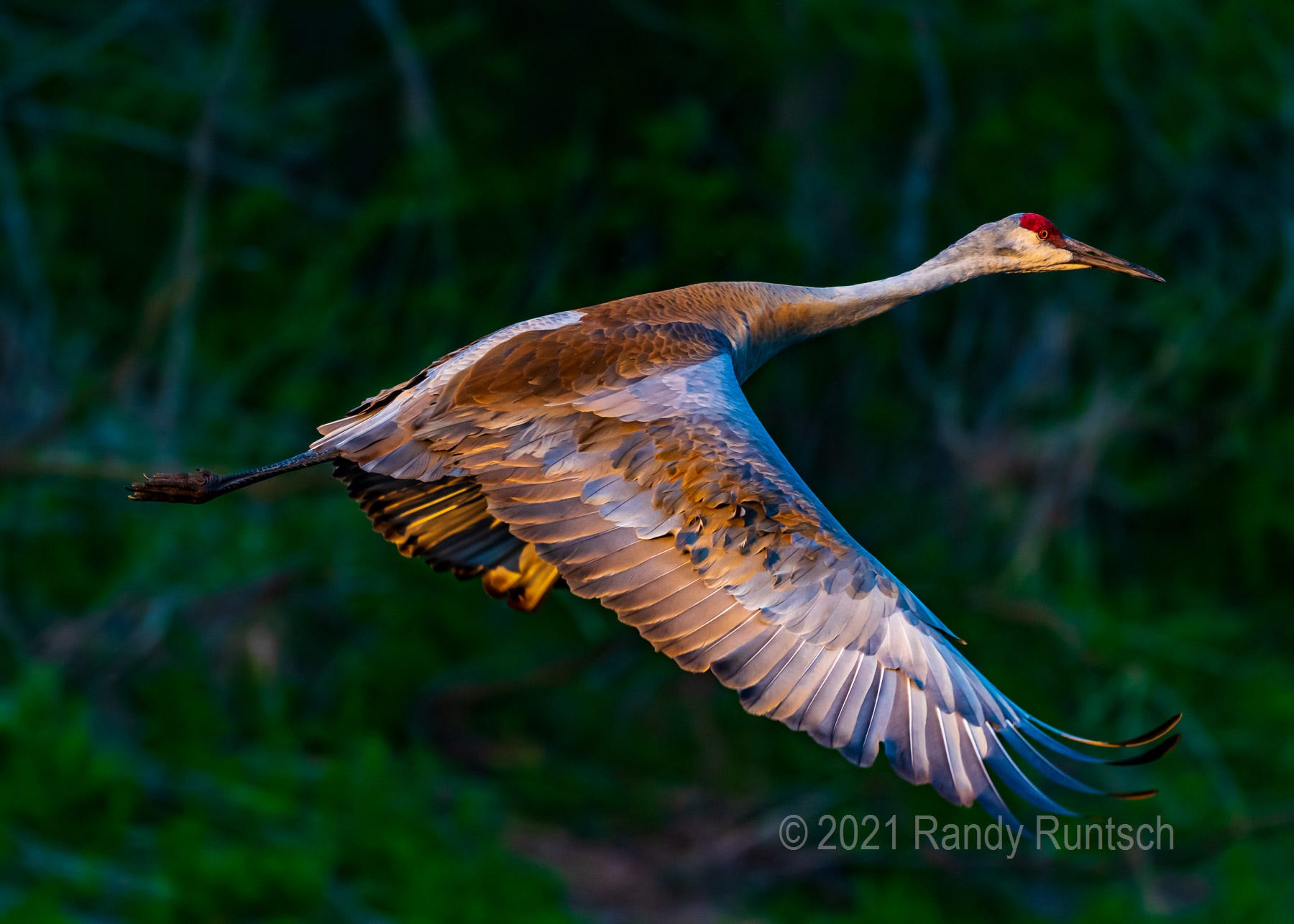
Birds move quickly and unpredictably. Fast autofocus helps you lock focus before the bird flies away. Accurate autofocus keeps the bird sharp, not the background. Look for lenses with advanced autofocus motors. These motors provide quiet, quick, and precise focusing. This feature is essential for capturing birds in flight or in dense foliage.
Lens Sharpness And Quality
High-quality glass and lens construction impact sharpness. Prime lenses usually offer better sharpness than zooms. However, some zoom lenses provide excellent image quality. Look for lenses with low chromatic aberration and minimal distortion. Good lens coatings reduce glare and improve contrast. Sharp lenses reveal fine details in feathers and eyes.
Practical Tips For Using Zoom Lenses
Using zoom lenses for bird photography requires practical skills to get sharp, clear images. This section shares useful tips to handle zoom lenses effectively. Small adjustments can improve your photos greatly. Pay attention to camera settings, steadying techniques, and support tools. These simple actions help reduce blur and capture birds in stunning detail.
Optimal Camera Settings
Set a fast shutter speed to freeze bird movement. Aim for at least 1/1000 second or faster. Use a wide aperture (small f-number) to blur the background and focus on the bird. Increase ISO only if needed to keep shutter speed high. Use continuous autofocus mode to track flying or moving birds. Shoot in burst mode to capture multiple shots quickly. This improves chances of getting the perfect moment.
Techniques To Reduce Blur
Hold the camera steady by tucking your elbows close to your body. Use smooth, slow movements when zooming or panning. Avoid pressing the shutter button too hard; press gently. Breathe out slowly before pressing the shutter to minimize movement. Practice tracking birds smoothly to keep them in focus. Use image stabilization if your lens or camera has it. This helps reduce shake, especially at long zoom lengths.
Using Tripods And Supports
Tripods provide stable support for heavy zoom lenses. Use a tripod with a smooth head for easy panning. Attach a monopod for mobility and extra support. Place the tripod on solid, level ground to avoid wobbling. Use a remote shutter release or timer to avoid camera shake. Rest your lens on a bean bag or stable surface if a tripod is unavailable. Supports help keep your shots sharp and allow longer shooting sessions without fatigue.

Credit: www.nickdalephotography.com
Budget And Portability
Choosing the right zoom lens for bird photography depends a lot on budget and portability. Bird photographers often carry gear for hours outdoors. Heavy or expensive lenses can slow you down or limit your shooting time. Balancing cost with ease of use is essential for a good experience. Let’s explore options that fit different budgets and remain easy to carry.
Affordable Zoom Lenses
Many quality zoom lenses come at budget-friendly prices. Brands offer lenses with focal lengths ideal for bird photography, like 150-600mm or 100-400mm. These lenses provide good reach without breaking the bank. Look for used or older models to save more money. Affordable lenses let beginners try bird photography without a large upfront cost.
Weight And Handling
Portability matters a lot in bird photography. Heavy lenses cause fatigue and reduce shooting time. Lightweight lenses allow quick movement and better focus on fast birds. Consider lenses with good grip and easy controls. Tripods or monopods can help, but a lighter lens means less gear to carry. Balance lens size with how long you plan to shoot outdoors.
Balancing Cost And Performance
Finding a lens that fits your budget and performs well is key. Sometimes spending a bit more means better image quality and faster focus. Other times, a cheaper lens suits casual bird watchers perfectly. List your priorities: image quality, zoom range, weight, and price. Compare lenses by reading reviews and testing if possible. Good balance makes bird photography enjoyable and rewarding.
Credit: medium.com
Frequently Asked Questions
What Is The Ideal Zoom Lens Size For Bird Photography?
A 300mm to 600mm zoom lens is ideal for bird photography. It offers the perfect balance between reach and image quality. Longer lenses help capture detailed close-ups without disturbing birds. Choose based on your shooting distance and budget.
Can I Use A 200mm Lens For Bird Photography?
Yes, a 200mm lens can work for bird photography but with limitations. It suits larger birds or those in open areas. However, it may not capture small or distant birds clearly. Consider a teleconverter to extend reach if needed.
How Does Lens Aperture Affect Bird Photography?
A wider aperture (f/2. 8–f/5. 6) allows more light, enabling faster shutter speeds. This helps freeze bird movement and improves image sharpness. It also creates a blurred background, making the bird stand out. Choose lenses with wide apertures for better low-light performance.
Is A Zoom Lens Better Than A Prime Lens For Birds?
Zoom lenses offer flexibility in framing and composition, ideal for varying bird distances. Prime lenses often provide sharper images and wider apertures but lack versatility. For bird photography, a zoom lens between 300mm and 600mm is generally more practical.
Conclusion
Choosing the right zoom lens makes bird photography easier and more fun. A lens with good reach helps capture birds clearly from a distance. Keep weight and size in mind for long trips outdoors. Balance zoom range with image quality for the best shots.
Test different lenses to find what fits your style. With the right lens, each photo tells a story. Happy bird watching and shooting!