
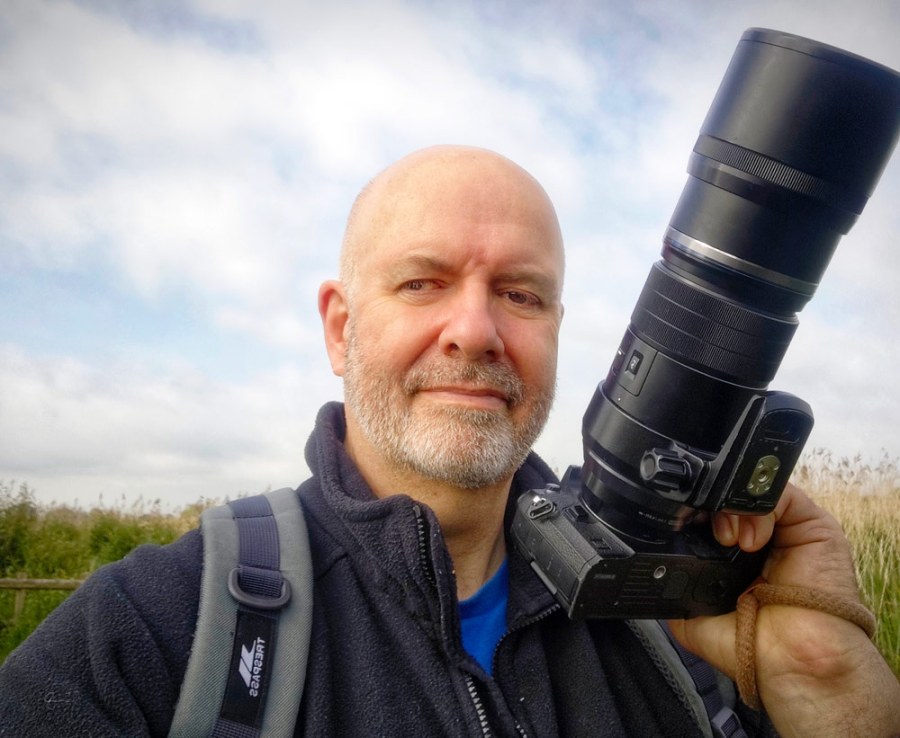
Are you ready to capture stunning bird photos but unsure which Olympus lens will help you get the perfect shot? Choosing the right lens can make all the difference between blurry, distant birds and sharp, vibrant images that tell a story.
Whether you’re a beginner or looking to upgrade your gear, understanding what lens fits your style and needs is key. Keep reading, and you’ll discover exactly which Olympus lens will bring your bird photography to life like never before.

Credit: www.reddit.com
Choosing The Right Focal Length
Choosing the right focal length for bird photography can make a huge difference in your results. It affects how close you can get to your subject without disturbing it and how much detail you can capture. Understanding the focal length options Olympus offers will help you pick a lens that matches your shooting style and the types of birds you want to photograph.
Telephoto Lenses For Distant Birds
Telephoto lenses are essential if you want sharp close-ups of birds that are far away. Olympus offers lenses like the M.Zuiko Digital ED 300mm f/4 IS PRO, which brings distant birds right into your frame with excellent clarity.
These lenses let you stay at a respectful distance, so you don’t scare the birds away. Have you noticed how much easier it is to capture natural behavior when you aren’t too close? That’s the power of a good telephoto lens.
Prime Vs Zoom Lenses
Choosing between prime and zoom lenses depends on how flexible you want to be during a shoot. Prime lenses have a fixed focal length but often deliver sharper images and better low-light performance. The Olympus M.Zuiko 300mm f/4 is a prime lens that many bird photographers swear by for its crisp detail.
Zoom lenses, like the M.Zuiko 100-400mm f/5.0-6.3, offer versatility. You can adjust the focal length quickly to capture birds at different distances without changing lenses. Think about how often your bird subjects move or change distance—would you benefit more from flexibility or maximum sharpness?
Crop Factor Impact
Olympus cameras use Micro Four Thirds sensors, which have a 2x crop factor. This means a 300mm lens acts like a 600mm lens on a full-frame camera. This can be a huge advantage for bird photography, giving you extra reach without extra weight or cost.
However, the crop factor also affects your field of view and depth of field. You get a tighter shot but less background blur compared to full-frame setups. Are you ready to adapt your shooting techniques to make the most of this crop factor advantage?

Credit: explore.omsystem.com
Top Olympus Lenses For Bird Photography
Choosing the right Olympus lens is key for sharp, detailed bird photos. Telephoto lenses with good zoom help capture birds from a distance clearly. Lightweight lenses also make it easier to carry gear during long shoots.
Bird photography requires precision and the right equipment. Olympus offers exceptional lenses for capturing stunning bird images. Each lens has unique features that suit different needs. Let’s explore the top Olympus lenses for bird photography.M.zuiko Digital Ed 100-400mm
The M.Zuiko Digital ED 100-400mm is versatile for bird photography. It offers a long focal range of 100-400mm. This lens is perfect for capturing birds in their natural habitat. It includes weather sealing, ensuring durability in various conditions. The lens provides crisp and detailed images, making it ideal for bird enthusiasts.M.zuiko Digital Ed 40-150mm
The M.Zuiko Digital ED 40-150mm is lightweight and compact. It is great for those who prefer mobility. This lens offers a fast and quiet autofocus system. It is suitable for capturing birds in flight. Its versatility makes it a favorite among photographers. The lens provides sharp images even at maximum zoom.M.zuiko Digital Ed 300mm F4 Is
The M.Zuiko Digital ED 300mm f4 IS is known for its sharpness. It has a fixed focal length of 300mm. The lens includes in-built image stabilization. This helps reduce blur when shooting handheld. It is excellent for capturing distant subjects. The lens is robust and weather-sealed, ideal for outdoor photography.Lens Features That Matter
Choosing the right Olympus lens for bird photography means focusing on key features. These features improve your chances of capturing sharp and clear images. Bird photography demands lenses that perform well in different conditions and movements. Understanding these features helps you pick a lens that fits your style and needs.
Image Stabilization Benefits
Image stabilization reduces blur caused by hand shake. It is crucial for shooting birds at long distances. Olympus lenses with built-in stabilization help keep photos sharp. This feature allows using slower shutter speeds without losing detail. It makes handheld shooting easier and more effective outdoors.
Fast Autofocus Systems
Birds move quickly and unpredictably. A fast autofocus system helps capture sharp images instantly. Olympus lenses with advanced autofocus lock focus on birds fast. This reduces missed shots and blurry images. It also helps track flying birds smoothly during action.
Weather Sealing For Outdoor Use
Bird photography often happens in tough weather. Rain, dust, and humidity can damage lenses. Weather sealing protects Olympus lenses from these elements. It ensures reliable performance in rain or dusty environments. This feature makes your lens durable and ready for any outdoor shoot.
Balancing Weight And Portability
Choosing the right Olympus lens for bird photography means finding a balance between weight and portability. Heavy lenses often deliver superior image quality and zoom power, but lugging them around can tire you out quickly. On the other hand, lightweight lenses are easier to carry but might limit your reach or sharpness.
Think about how long you’ll be out in the field. Will you hike long distances or stay near your vehicle? Your choice will affect your shooting comfort and the quality of your photos.
Travel-friendly Lens Options
Olympus offers several lenses that strike a good balance between size and performance. The Olympus M.Zuiko Digital ED 100-400mm f/5.0-6.3 IS is a popular choice. It provides excellent telephoto reach while staying relatively light for its class, making it easier to carry on long birdwatching trips.
The Olympus M.Zuiko Digital ED 40-150mm f/2.8 PRO paired with a 1.4x or 2x teleconverter is another versatile option. It’s compact, sharp, and lighter than many prime super telephoto lenses. This setup lets you adjust your focal length without swapping lenses frequently.
Ask yourself: How much weight can you comfortably carry all day? Choose a lens that fits your endurance and shooting style, not just your desire for maximum zoom.
Tripod And Monopod Considerations
Adding a tripod or monopod can ease the burden of heavier lenses. Tripods provide stability for sharper shots, especially in low light or when using long telephoto lenses. However, they add bulk and can slow you down during fast-paced bird action.
Monopods offer a middle ground—they support your lens weight while allowing quick movement. If you often switch shooting spots or follow birds on the move, a monopod might be your best friend.
Think about the terrain you usually shoot in. Will a tripod’s extra stability outweigh the inconvenience of carrying it? Or will a monopod’s mobility suit your style better?
Budget-friendly Olympus Lens Choices
Choosing the right Olympus lens for bird photography can be costly. Yet, great lenses exist without breaking the bank. Budget-friendly options deliver good image quality and decent zoom range. These lenses help beginners and hobbyists enjoy bird photography without heavy expenses. Focus on lenses that balance price, performance, and portability.
Affordable Telephoto Alternatives
Olympus offers several telephoto lenses with reasonable prices. These lenses provide enough zoom to capture birds from a distance. They may not have the longest focal length but still offer sharp images.
- Olympus M.Zuiko Digital ED 40-150mm f/4.0-5.6 – Compact and lightweight, good for close bird shots.
- Olympus M.Zuiko Digital ED 75-300mm f/4.8-6.7 II – Offers longer reach and sharpness, ideal for mid-range bird photography.
- Olympus M.Zuiko Digital ED 45mm f/1.8 – A prime lens with excellent sharpness, suitable for creative bird portraits.
These lenses provide flexibility without heavy investment. Pairing them with a camera that has good autofocus improves bird capture success.
Used And Third-party Lenses
Buying used lenses can save a lot of money. Check reliable sellers and inspect lenses carefully. Look for minimal scratches and smooth zoom or focus rings.
Third-party brands like Sigma and Tamron make lenses compatible with Olympus cameras. These often cost less but offer similar performance.
- Sigma 100-400mm f/5-6.3 DG OS HSM – Offers long reach for bird photography at a lower price.
- Panasonic Leica DG Vario-Elmar 100-400mm f/4-6.3 – Another solid third-party option with good image quality.
Used and third-party lenses expand options for bird photography within a budget. Research and testing help find the best lens for your needs.

Credit: www.youtube.com
Complementary Gear For Bird Photography
Bird photography needs more than just the right Olympus lens. The right gear helps capture sharp, clear images of birds in action. Choosing complementary equipment improves your chances of great shots. This section highlights camera bodies and accessories that work well with Olympus lenses for bird photography.
Camera Bodies Compatible With Olympus Lenses
Olympus lenses fit perfectly with Micro Four Thirds camera bodies. These bodies offer fast autofocus and good image quality. They are light, making it easier to carry for long birdwatching trips. Popular options include:
- Olympus OM-D E-M1 Mark III – excellent autofocus and fast shooting.
- Olympus OM-D E-M5 Mark III – compact and weather-sealed for outdoor use.
- Panasonic Lumix GH5 – compatible and offers high video quality.
- Panasonic Lumix G9 – great for high-speed shooting and stability.
These bodies handle telephoto Olympus lenses well. They help you track and capture birds quickly.
Essential Accessories
Accessories improve comfort and photo quality during bird photography. Some essentials include:
- Tripod:Steady shots and reduces camera shake with long lenses.
- Gimbal Head:Smooth movement for tracking flying birds.
- Extra Batteries:Bird photography takes time; batteries run out fast.
- Memory Cards:High-speed cards store many high-res images quickly.
- Lens Hood:Reduces glare and protects the lens surface.
- Camera Rain Cover:Protects gear in wet weather.
These tools help you focus on your subject. They make bird photography easier and more enjoyable.
Frequently Asked Questions
Which Olympus Lens Is Best For Bird Photography?
The Olympus M. Zuiko Digital ED 100-400mm f/5. 0-6. 3 is ideal. It offers excellent reach and sharpness, perfect for capturing distant birds in detail.
Can I Use A Zoom Lens For Bird Photography?
Yes, zoom lenses like the Olympus 40-150mm f/2. 8 are great. They provide flexibility to frame birds at various distances without changing lenses.
Is A Telephoto Lens Necessary For Bird Photography?
A telephoto lens is essential for close-up shots. Olympus telephoto lenses help capture birds without disturbing them, ensuring clear and detailed images.
How Important Is Lens Stabilization For Bird Photography?
Lens stabilization is very important. Olympus lenses with image stabilization reduce blur caused by hand movement, especially at long focal lengths during bird photography.
Conclusion
Choosing the right Olympus lens can improve your bird photos a lot. Telephoto lenses help you capture birds from far away. Fast lenses work better in low light and quick action. Think about your budget and what birds you want to shoot.
A good lens makes bird photography more fun and rewarding. Keep practicing, and your photos will get better every day. Pick a lens that fits your style and needs well. Happy bird watching and shooting!