

Have you ever wondered why birds burst into song every morning? Is their singing something they are born knowing, or do they learn it over time?
Understanding whether bird songs are innate behavior can change how you see these feathered musicians. You’ll discover surprising facts about how birds develop their unique tunes and what that means for nature and you. Keep reading—you might never listen to a bird the same way again.
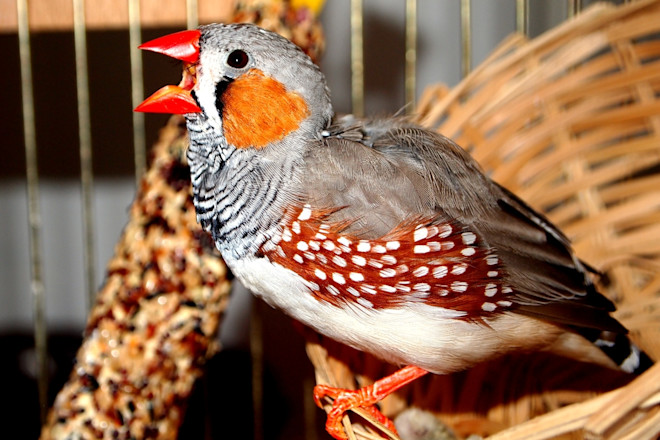
Credit: www.discovermagazine.com
Birdsong Origins
Birdsong may come from natural instincts inside birds. Young birds often learn tunes by listening to adults. This mix of nature and learning shapes their unique songs.
Birdsong is a captivating part of nature. It’s a melody that fills our surroundings. The origins of birdsong are fascinating to explore. Scientists have long been curious about how birds learn to sing. Is it a gift from their genes, or do they learn it from the world around them? Let’s dive into the roots of birdsong.Genetic Influences
Genes play a vital role in birdsong. Some birds are born with the ability to sing specific tunes. This innate talent is passed down from their parents. Birds like the zebra finch inherit song patterns. These patterns are part of their genetic makeup. The brain structure of birds supports this genetic influence. It helps them produce specific sounds. This makes genetics a key factor in birdsong.Environmental Impact
The environment shapes how birds sing. Young birds learn by listening to adult birds. They mimic the songs they hear in their surroundings. This learning process is crucial for song development. If a bird is raised in isolation, its song will differ. The environment also affects the complexity of the songs. Birds from different regions may sing varied tunes. This shows the environment’s strong impact on birdsong.Learning Vs Instinct
Birdsong shows a mix of learning and instinct. Some parts of singing come naturally to birds. Other parts they pick up by listening to others. This balance helps birds survive and communicate effectively.
Understanding how much birds learn versus what is instinctive gives insight into their behavior. It also reveals how their songs evolve and adapt over time.
Role Of Imitation
Birds often copy sounds from their parents or neighbors. Young birds listen closely and try to match these tunes. This imitation shapes their song patterns.
Without hearing others, some birds still sing, but their songs lack complexity. Imitation helps birds improve their songs and share clear messages.
Critical Learning Periods
Birds have special times in their lives to learn songs. These are called critical learning periods. During these phases, their brains are ready to absorb sounds.
Missing this window means the bird might never learn the full song. Early exposure to songs is vital for healthy song development.
Functions Of Birdsong
Birdsong serves many important roles beyond just sounding pleasant. It’s a powerful tool birds use every day to interact with their environment and each other. Understanding these functions helps you appreciate why birds sing and what messages they might be sending.
Territorial Claims
Birds use their songs to mark and defend their territory. When you hear a bird singing loudly from a tree branch, it’s often announcing, “This space is taken.”
This vocal claim keeps other birds away and reduces physical fights. If you’ve ever noticed a sudden silence after a bird starts singing, that’s a sign its message is working.
Mating Calls
Song is a crucial part of attracting a mate. Male birds often sing to showcase their health and vitality. The complexity and strength of the song can influence whether a female chooses them.
Think about the last time you heard a bird sing at dawn; it’s likely a male trying to catch a female’s attention. This natural concert is a direct link to their reproductive success.
Communication
Birdsong also acts as a form of communication between birds. Beyond territory and mating, birds use calls to warn about predators or to coordinate with their flock.
Have you ever noticed how certain bird calls change when a cat or hawk appears? These vocal signals keep the group alert and safe.
Next time you listen closely, try to identify different songs and calls; you might uncover a hidden conversation happening right above you.
Species Variations
Birdsong varies widely across species, revealing fascinating differences in how birds communicate and express themselves. These variations highlight both the innate instincts and learned behaviors in birds, showing a complex picture of nature at work. Understanding these differences can change how you listen to and appreciate bird songs around you.
Song Complexity
Some bird species have simple, repetitive songs, while others produce highly complex melodies. For example, the nightingale is known for its elaborate and varied song patterns that can last several minutes. On the other hand, a chickadee’s call is short and straightforward but still serves important communication purposes.
Complex songs often indicate a bird’s health and fitness, which can influence mate selection. Have you noticed how some birds seem to sing more beautifully than others? This complexity is not just random; it’s a skill honed through both genetics and practice.
Regional Dialects
Birds of the same species can have different “dialects” depending on where they live. These regional variations happen because young birds learn songs from their local environment rather than solely inheriting them. This means a bird from one area might sound quite different from its cousin hundreds of miles away.
Think about how humans speak differently based on their hometowns—birds do something similar. This raises an interesting question: How much of a bird’s song is instinct, and how much is shaped by its community? Paying attention to these dialects can deepen your understanding of bird behavior and their social structures.
Neurology Of Singing
Understanding the neurology of bird singing offers a fascinating glimpse into how complex behaviors develop and function. Singing isn’t just a random act; it involves specific brain areas that coordinate to produce those beautiful melodies. By looking closely at these brain structures and their ability to adapt, you can appreciate how birds master their songs.
Brain Structures Involved
Birds rely on specialized brain regions to control their singing. The High Vocal Center (HVC)is one key area responsible for initiating song patterns. It sends signals to the Robust nucleus of the Arcopallium (RA), which then controls the muscles used in singing.
Another important structure is the Area X, linked to learning and modifying songs. These areas work together like a well-coordinated orchestra, ensuring the bird’s song is precise and adaptable. Have you ever wondered how a young bird learns its first tune? These brain centers play a crucial role.
Neural Plasticity
Neural plasticity is the brain’s ability to change and adapt over time. In birds, this means their singing centers can strengthen or alter connections based on experience. This flexibility allows birds to learn new songs or improve existing ones.
Studies show that during the learning phase, the size of song-related brain regions actually increases. This growth reflects how practice shapes the brain. You might find it surprising that your own brain adapts similarly when learning a new skill. Could this mean you share a bit of the bird’s talent for learning through repetition?
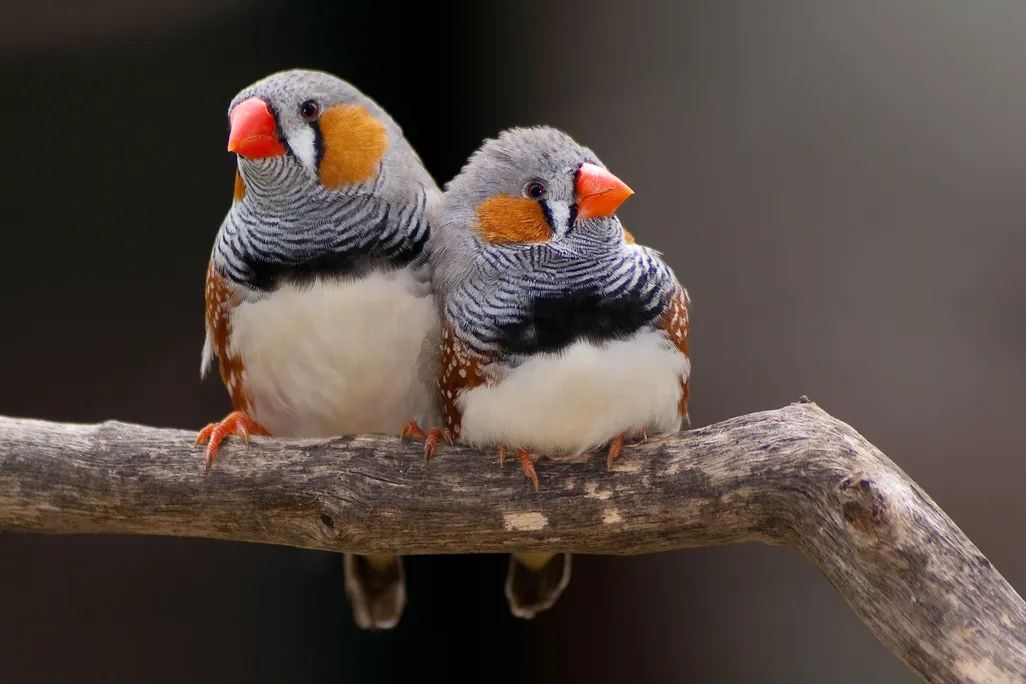
Credit: www.smithsonianmag.com
Impact Of Environment
The environment plays a crucial role in shaping whether birds sing naturally or adapt their songs. Changes around them can either enhance or disrupt their vocal behaviors. Understanding this impact helps you appreciate how sensitive birds are to their surroundings.
Urban Noise Effects
City sounds often drown out bird songs, forcing birds to change their pitch or sing louder. Have you noticed how some birds in parks near busy roads sound different than those in quiet forests? This noise pollution can confuse them and affect their communication.
Birds might sing earlier in the morning or later at night to avoid noisy periods. This shift can impact their daily routines and mating success. You might find it interesting that some species even develop new song patterns over time due to persistent urban noise.
Habitat Changes
When forests turn into neighborhoods or farmlands, the places birds use to sing and attract mates shrink or disappear. You may have seen fewer birds in areas undergoing construction or deforestation. These changes can reduce their singing because they feel less safe or have fewer partners around.
Even subtle changes, like planting non-native trees or changing water sources, can alter bird behavior. This shows how closely bird singing ties to their habitat quality. What small changes in your local green spaces might help encourage more bird songs?
Evolutionary Perspectives
Birdsong is more than a beautiful sound. It has deep roots in evolution. Birds sing because it helps them survive and pass on their genes. This behavior is shaped by millions of years of natural selection. Understanding these evolutionary perspectives explains why birds sing instinctively.
Adaptive Advantages
Singing helps birds claim their territory. It warns other birds to stay away. This reduces fights and injury. Song also attracts mates. A strong, clear song shows good health and strong genes. Birds with better songs often have more babies.
Birdsong can also help young birds learn important skills. They listen and practice to improve. This learning enhances their chance of survival.
Species Survival
Birdsong plays a role in keeping species alive. It helps birds find mates and raise families. This keeps populations stable. Different species have unique songs. This prevents confusion and mixing of species.
Strong communication through song helps birds adapt to changing environments. Singing is a key part of their survival toolkit.
Credit: www.earth.com
Frequently Asked Questions
Are Birds Born Knowing How To Sing?
Bird singing is partly innate, as birds have a natural ability to produce sounds. However, many species learn specific songs by listening to adult birds during critical development periods.
How Do Birds Learn Their Songs?
Birds learn songs through imitation and practice. Young birds listen to adult songs, then mimic and refine their singing over time to master species-specific patterns.
Is Bird Singing Influenced By Genetics Or Environment?
Both genetics and environment influence bird singing. Genetics provide the basic vocal framework, while environmental exposure shapes the complexity and variation of their songs.
Why Do Birds Sing Different Songs?
Birds sing different songs to attract mates, defend territory, and communicate. Song variations help distinguish species, individuals, and social status within bird communities.
Conclusion
Birds sing both by instinct and by learning from others. Young birds listen carefully to their parents’ songs. They practice and improve over time. This mix helps birds communicate and attract mates. Singing also protects their homes from rivals. Nature made bird songs simple yet powerful.
Understanding this helps us appreciate birds more. Next time you hear a bird sing, think about its story. It’s not just noise—it’s a skill born from both nature and nurture.