
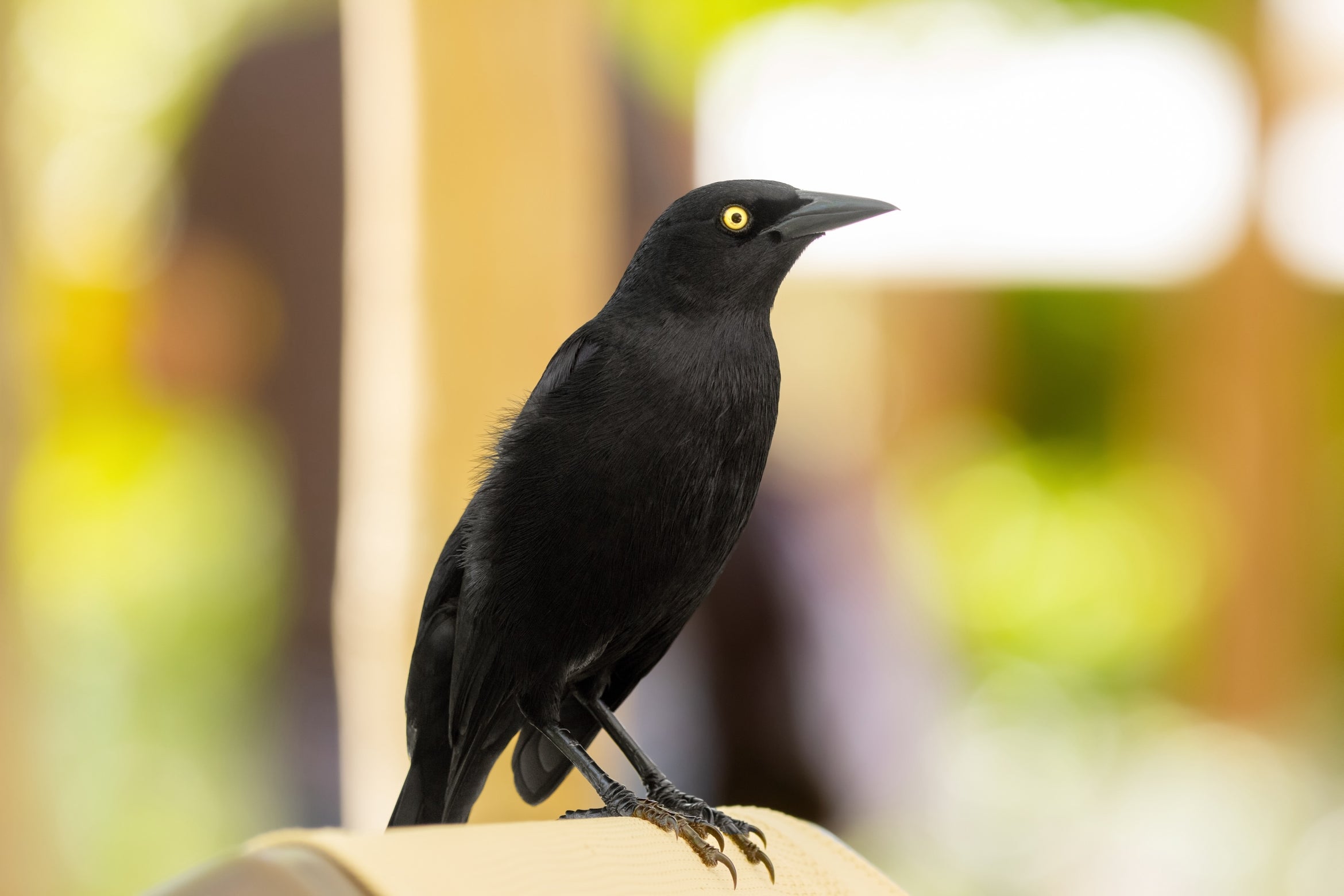
Have you ever wondered if birds notice how you act around them? Whether it’s the way you move, speak, or even just the energy you give off, birds might be paying closer attention than you think.
Understanding this connection can change how you interact with these feathered neighbors and even help you build a unique bond with them. Keep reading to discover surprising facts about how birds pick up on your behavior—and why it matters to both you and the birds around you.
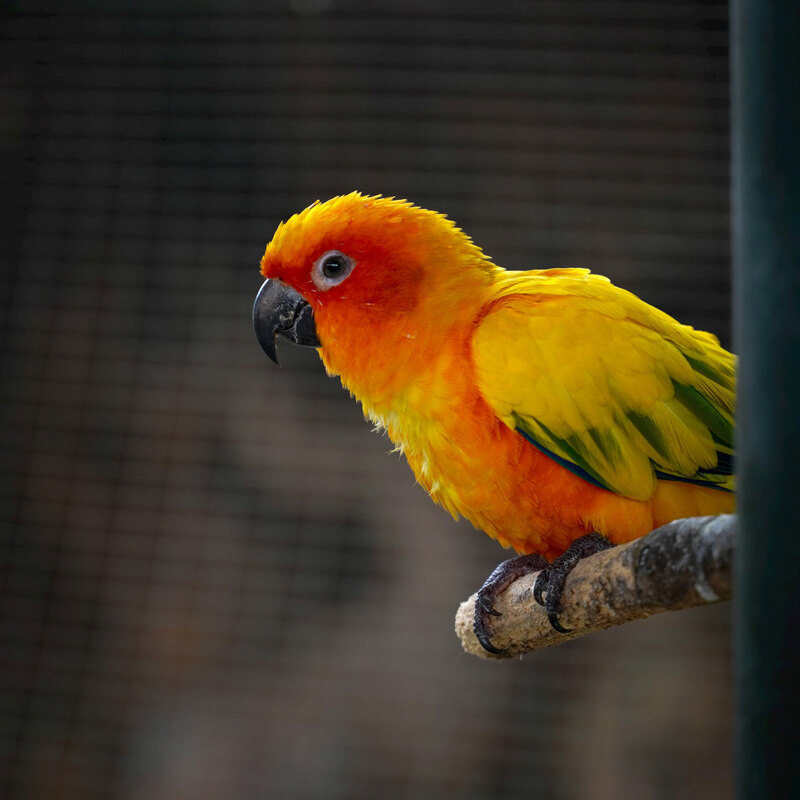
Credit: lafeber.com
Birds And Human Interaction
Birds share our world and often notice our actions. Their responses can be fascinating. From feeding to simple presence, birds observe us closely. This interaction reveals how much they perceive. Understanding this can deepen our connection with nature.
How Birds Notice Human Presence
Birds have keen senses. They see and hear well. When we approach, they often become alert. Many birds recognize familiar people. They remember those who feed them. This shows their remarkable memory. Even subtle movements catch their eye. They are always aware of changes around them.
Common Behaviors Birds Respond To
Birds respond to various human actions. Feeding is a common one. Many birds flock to feeders when filled. Loud noises make them fly away quickly. Gentle sounds may attract their curiosity. Sudden movements often startle them. Calm behavior helps them feel safe. Wearing bright colors can also catch their attention. Birds are sensitive to these cues.
Signs Birds Recognize In People
Birds are surprisingly perceptive when it comes to reading human behavior. They notice subtle signs that reveal your mood, intentions, and even your level of comfort around them. Understanding what birds pick up on can change the way you interact and build trust with these feathered observers.
Reading Facial Expressions
Birds often focus on your face to gauge how safe or threatening you are. If you frown or stare intensely, they might become wary or fly away. On the other hand, soft eyes and relaxed facial muscles can invite curiosity and approach.
I once sat quietly in a park, smiling gently at a group of sparrows. They slowly hopped closer, seemingly drawn by the calm expression on my face. Have you noticed how your own mood can shift how birds respond to you?
Reacting To Body Language
Your posture speaks volumes to birds. Quick movements, raised arms, or looming over them can trigger fear and cause them to flee. Staying still and lowering yourself to their level shows respect and patience.
Try sitting quietly with open palms and avoid sudden gestures. You may find that birds start to trust your presence and even come within arm’s reach. What small changes can you make in your body language to connect better with the birds around you?
Scientific Studies On Bird Perception
Scientific studies have uncovered fascinating details about how birds perceive and react to human behavior. Researchers have observed that birds do more than just notice us—they often interpret our actions, adjusting their responses accordingly. Understanding these findings can change the way you interact with birds around you.
Experiments With Urban Birds
Urban birds like pigeons and crows have been the focus of many experiments. These birds live close to humans daily, making them ideal subjects for studying perception.
In one study, researchers observed how birds responded to people who behaved calmly versus those who moved quickly or unpredictably. Birds tended to approach and stay longer near calm individuals, showing an ability to distinguish between different human behaviors.
Think about your own neighborhood—have you noticed some birds coming closer when you stay still? This shows that birds don’t just see you; they read your behavior and decide if you are safe or a threat.
Cognitive Abilities Of Different Species
Not all birds perceive human behavior in the same way. Species with higher cognitive abilities, like crows and parrots, show more advanced recognition skills.
These birds can remember specific human faces and even the emotions expressed by those people. Studies have demonstrated that crows can hold grudges or show trust based on past interactions with humans.
Imagine how this affects your daily encounters with wildlife. When you act kindly or respectfully toward birds, you might be building a positive reputation without realizing it.
Credit: birdtricksstore.com
Birds’ Social Intelligence
Birds are often seen as more than just beautiful creatures; they exhibit a surprising level of social intelligence that allows them to interact with their environment and even with humans in meaningful ways. Their ability to observe, learn, and respond to behavior around them shows a depth of understanding that many might not expect. This social intelligence is key to how birds adapt and thrive, especially in urban settings where human interaction is frequent.
Learning From Human Actions
Birds watch closely and learn from what you do. If you feed them regularly, they quickly associate your presence with food. This shows they can connect cause and effect through observation.
Have you noticed how pigeons in city squares seem to time their visits perfectly when people eat lunch? That’s birds picking up on human routines. You can use this to build trust with local birds by being consistent in your behavior around them.
Mimicking And Communication
Some bird species, like parrots and mynas, are known for their ability to mimic human speech and sounds. This is more than just copying; it’s a way to communicate and bond with humans.
When a parrot repeats your words, it’s actively engaging with you, showing recognition and social connection. You might even find that birds mimic the tone and emotion in your voice, adapting their sounds based on your mood.
Have you ever tried talking to a bird and noticed it responds differently depending on how you speak? This interaction highlights their keen social intelligence and ability to pick up subtle cues.
Impacts Of Human Behavior On Birds
Human behavior has a clear impact on birds, shaping how they interact with their environment and with us. Whether you feed birds in your backyard or unintentionally disturb them during a hike, your actions influence their daily lives. Understanding these effects can help you create a better space for birds to thrive around you.
Positive Interactions
Birds often respond well to gentle and consistent human behavior. When you provide food, fresh water, or safe nesting spots, birds learn to trust your presence.
One time, I started putting out sunflower seeds every morning. Within weeks, a variety of birds began visiting regularly, even perching nearby while I worked in the garden. This showed me how patience and kindness can build a quiet connection with wildlife.
You can encourage positive interactions by:
- Offering bird feeders with appropriate food
- Setting up birdbaths or shallow water dishes
- Maintaining quiet and calm behavior near nests
Have you ever noticed how birds sometimes follow your movements when you stay still? That kind of trust doesn’t happen overnight but grows from repeated, non-threatening behavior.
Stress And Avoidance Responses
Birds are highly sensitive to sudden or aggressive human actions. Loud noises, quick movements, or invading nesting areas can cause stress and force birds to avoid places they once frequented.
During a forest hike, I once unknowingly startled a family of robins. They scattered immediately, abandoning the nearby nest. That moment reminded me how easily our presence can disrupt their sense of safety.
Stress in birds leads to:
- Reduced feeding and mating activity
- Abandonment of nests or young
- Increased vulnerability to predators
Think about your actions the next time you encounter birds—could your behavior be causing them distress without you realizing it? Being aware and respectful helps both you and the birds coexist peacefully.
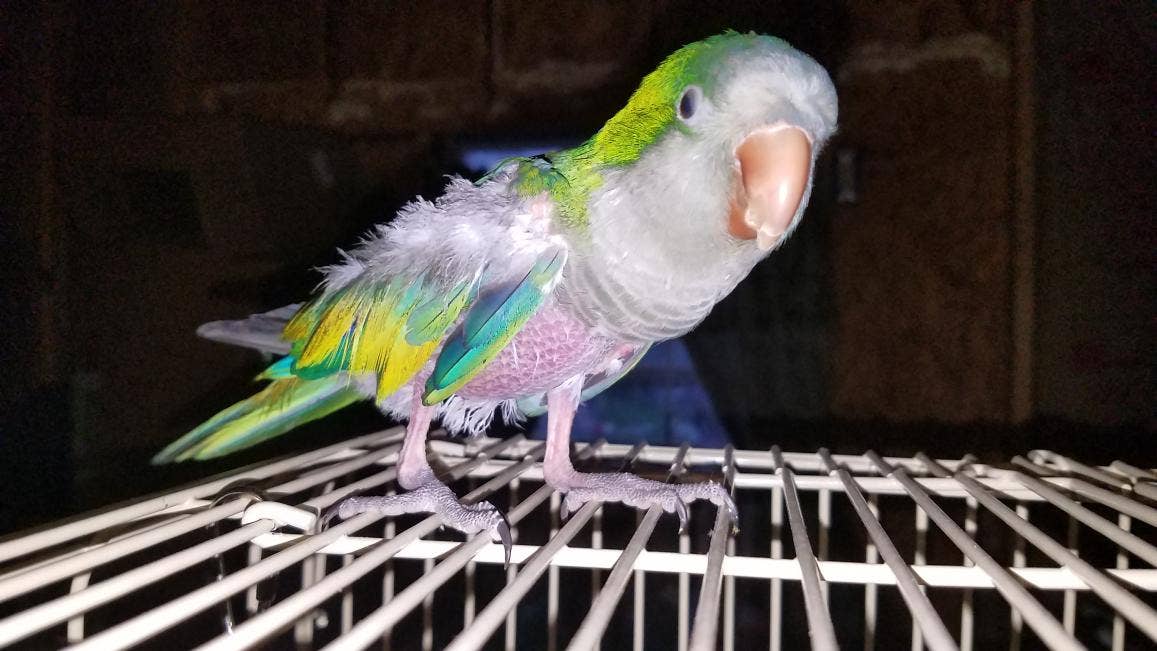
Credit: pethelpful.com
Tips For Interacting With Birds
Interacting with birds can be a rewarding experience, but it requires patience and respect for their nature. Birds are sensitive to human behavior, and how you approach them can shape their reactions to you. Here are some tips to help you build a positive connection and avoid common pitfalls.
Encouraging Friendly Behavior
Start by moving slowly and speaking softly around birds. Sudden movements or loud noises can scare them off quickly.
Offer food that is safe and healthy, like seeds or fruit, to gain their trust. Over time, birds may begin to associate you with positive experiences.
Spend regular, short periods near them instead of long, overwhelming sessions. This helps birds get used to your presence without feeling threatened.
Avoiding Negative Reactions
Never chase or try to grab a bird. Such actions cause stress and make them wary of you in the future.
Avoid making direct eye contact for too long, as some birds see this as a threat. Instead, glance around calmly to keep the atmosphere relaxed.
Keep your hands clean and avoid wearing strong perfumes or lotions. Birds have sensitive senses and unpleasant smells can push them away.
Frequently Asked Questions
Do Birds Recognize Human Emotions And Behaviors?
Yes, birds can recognize human emotions and behaviors. Studies show they respond to facial expressions and tone of voice. This helps them assess safety and interact effectively with humans.
How Do Birds React To Our Body Language?
Birds closely observe body language to gauge intentions. Sudden movements may scare them, while calm gestures encourage trust. They adapt their behavior based on what they see.
Can Birds Learn From Repeated Human Actions?
Absolutely, birds learn through repetition and observation. They associate human actions with outcomes, like feeding or threats. This learning helps birds navigate human environments safely.
Why Do Some Birds Seem To Mimic Human Behavior?
Birds mimic human behavior to communicate and bond. Parrots and corvids copy sounds and actions to engage socially. This ability strengthens their connection with humans.
Conclusion
Birds often notice how we act around them. They react to kindness or sudden moves. This shows they learn from our behavior. Watching birds can teach us about nature and ourselves. They remind us to be calm and gentle. Our actions can build trust with these creatures.
Small changes in how we act make a big difference. Birds and humans share a unique connection. This bond grows when we respect their space and habits. Observing birds closely helps us understand their world better.