
Have you ever wondered how birds survive in harsh weather or find food when it’s scarce? The secret lies in their clever behavioral adaptations.
These special habits help birds stay safe, find meals, and even attract mates. Understanding what kind of behavioral adaptations some birds have can change the way you see these amazing creatures. Keep reading, and you’ll discover surprising tricks birds use every day—tricks that might just inspire you too.
Credit: animal-pedia.org
Migration Patterns
Some birds migrate seasonally to find food and better weather. This behavior helps them survive harsh conditions and raise their young safely. Migration is a smart way birds adapt to changing environments.
Migration is a fascinating behavioral adaptation in birds. It involves long journeys between breeding and wintering grounds. Birds migrate to find better food sources and favorable climates. This behavior ensures their survival and reproduction.Seasonal Journeys
Many birds travel thousands of miles during migration. They follow specific routes each year. Some birds, like the Arctic Tern, travel from the Arctic to the Antarctic. Others may move shorter distances within continents. These journeys align with seasonal changes. Birds leave colder regions as food becomes scarce. They return when conditions improve.Navigational Techniques
Birds use various techniques to navigate. The sun and stars guide many birds. They can sense the Earth’s magnetic field. This helps them maintain direction over long distances. Landmarks such as rivers and mountains serve as visual cues. Some birds even use their sense of smell to find their way.Energy Conservation
Migration requires a lot of energy. Birds have adapted ways to conserve energy. They build fat reserves before starting their journey. During migration, some birds fly in V-formation. This formation reduces air resistance. It allows them to save energy. Birds also take rest stops to feed and regain energy. These strategies help them survive their long journeys.Mimicry And Vocal Tricks
Birds have developed fascinating ways to survive and thrive. One such behavioral adaptation is mimicry and vocal tricks. These skills help birds in different ways, from avoiding predators to finding mates.
Some birds can copy sounds from their surroundings. Others use calls that confuse enemies or attract friends. This section explores how these adaptations work and why they matter.
Imitating Sounds
Many birds imitate sounds from other animals or their environment. For example, the lyrebird can copy chainsaws, camera shutters, and other birds’ songs. This ability helps birds blend into noisy places or scare off threats.
Imitation is not just random. Birds practice and learn new sounds to improve their skill. This makes their calls more convincing and useful.
Deceptive Calls
Some birds use calls to trick others. They may mimic a predator’s call to scare away rivals or steal food. Others fake distress calls to distract enemies and protect their nests.
These deceptive calls require sharp timing and understanding. Birds must know when to use the trick for the best effect.
Communication Benefits
Mimicry and vocal tricks improve bird communication. These skills help birds warn each other about danger or share food sources. They also play a key role in mating rituals, attracting partners with varied sounds.
Clear communication helps birds build strong social bonds. It also boosts their chances of survival in the wild.
Tool Use
Some birds show remarkable intelligence by using tools in their daily lives. Tool use helps them survive and adapt to their environment. It allows birds to access food, build nests, and solve problems that would be hard without tools.
Food Access Methods
Certain birds use sticks or leaves to reach insects inside tree bark or holes. They carefully select and modify these tools to suit their needs. For example, woodpecker finches use twigs to pry out hidden insects. This behavior gives them access to food others cannot reach.
Nest Building Aids
Birds sometimes use tools to improve their nests. They may carry soft materials or small sticks to create a safer, warmer home. Some species even use leaves to cover eggs or protect their young. These tools help increase the chances of survival for their offspring.
Problem Solving Examples
Birds demonstrate clever problem solving by using tools in unexpected ways. New Caledonian crows craft hooks from twigs to extract larvae from tight spots. They can also drop stones into water to raise the water level and reach floating food. Such skills show strong learning ability and adaptability.
Credit: animal-pedia.org
Social Behavior
Social behavior in birds plays a vital role in their survival and daily activities. Birds often live and work together in groups, showing complex interactions. These behaviors help them find food, protect themselves, and raise their young. Understanding social behavior reveals how birds adapt to their environment effectively.
Flocking Advantages
Birds gather in flocks to increase safety. There is strength in numbers. Flocking confuses predators and lowers the chance of any one bird being caught. Birds also share information about food sources. Flying in groups saves energy by reducing wind resistance. This helps birds travel longer distances during migration.
Cooperative Hunting
Some birds hunt in teams to catch prey more easily. They use coordinated strategies to surround or flush out prey. This teamwork increases the chance of a successful hunt. Each bird plays a role, such as chasing or waiting for prey. Cooperative hunting also reduces the effort needed by each individual bird.
Alarm Signaling
Birds use alarm calls to warn others of danger. When one bird spots a predator, it makes a loud sound. This alerts nearby birds to fly away or hide quickly. Alarm signaling helps protect the entire group. Some birds even use specific calls for different threats, ensuring the right response.
Camouflage And Display
Birds use behavioral adaptations in fascinating ways, especially through camouflage and display. These adaptations help them survive and thrive by either blending into their surroundings or showing off to others. Understanding these behaviors can change how you observe birds in your own backyard or on nature walks.
Hiding From Predators
Many birds use camouflage to stay safe from predators. They might freeze in place or stay very still to avoid being noticed. Their feathers often match the colors and patterns of their environment, like the brown streaks of a sparrow blending into tree bark.
Think about how a bird’s quiet behavior and coloring can save its life. Have you ever watched a bird suddenly disappear against the leaves? This is no accident—it’s a smart survival tactic you can spot if you pay attention.
Attracting Mates
Display behaviors are just as important as camouflage, especially when it comes to finding a partner. Birds use bright feathers, dances, and calls to attract mates. The peacock’s extravagant tail feathers are a classic example of this kind of display.
Notice how some birds puff up their feathers or make loud sounds during mating season. These displays show strength and health, which are qualities mates look for. Could you imagine trying to impress someone without showing your best side? Birds do it every day.
Territorial Shows
Birds also use displays to protect their territory from rivals. They may spread their wings, sing loudly, or perform specific movements to warn others away. This behavior helps avoid physical fights by clearly communicating ownership.
Have you heard a bird sing loudly at dawn? Often, that’s a territorial call saying, “This space is taken.” Observing these shows can give you insight into the complex social lives of birds around you.
Feeding Adaptations
Birds show unique feeding adaptations to survive in different environments. These behaviors help them find and eat food efficiently. Feeding adaptations include special ways to search for food, store it, and adjust diets.
Specialized Foraging
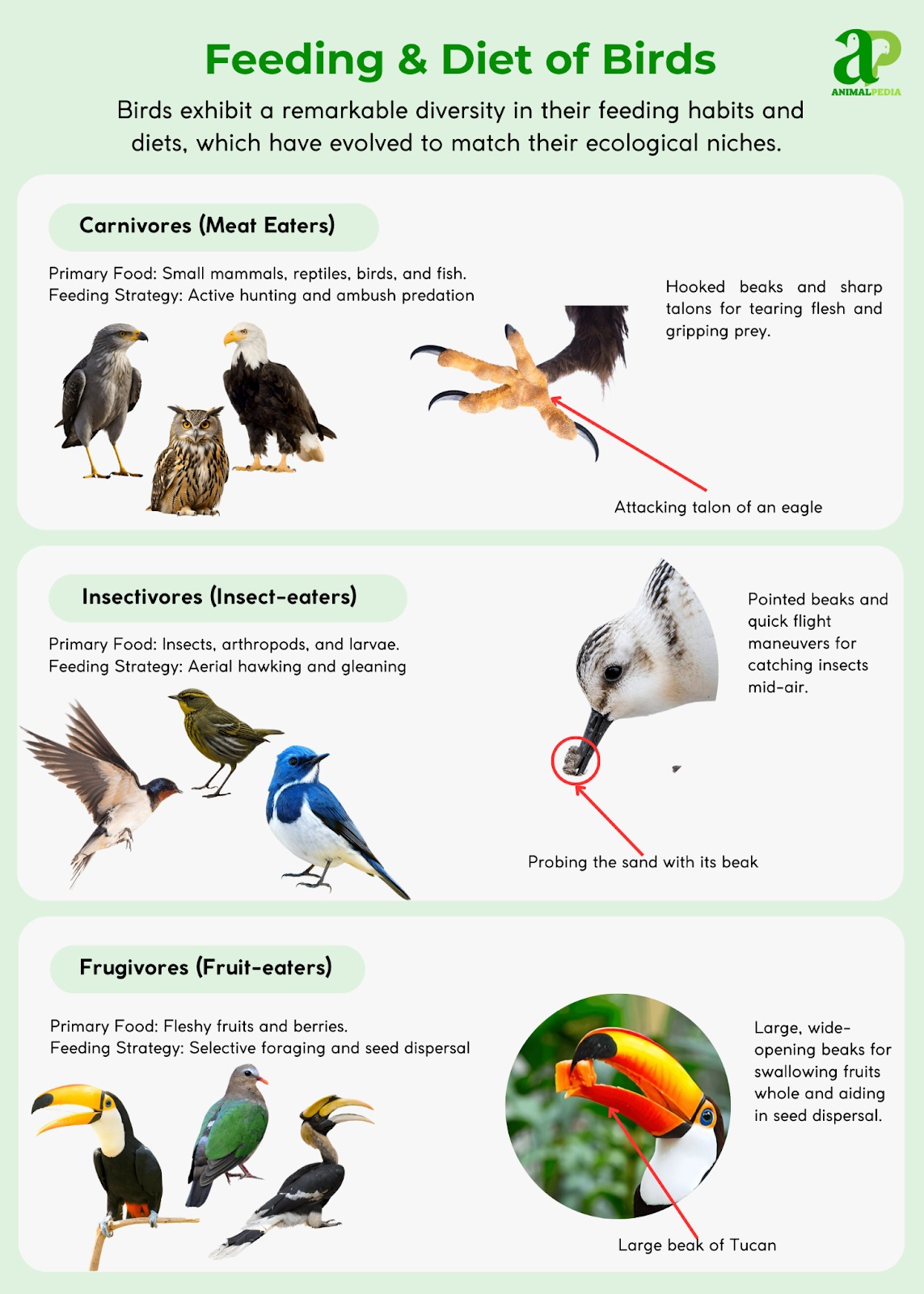
Some birds have unique methods to catch or find food. Woodpeckers use strong beaks to drill into trees for insects. Hummingbirds hover to sip nectar from flowers. These special skills help birds get food from hard-to-reach places.
Food Storage
Certain birds store food for later use. Jays hide seeds and nuts in many spots. This behavior helps them survive when food is scarce. Storing food also prevents waste and ensures a steady supply.
Diet Flexibility
Many birds can change their diet based on food availability. Crows eat plants, insects, and small animals. This flexibility allows them to live in varied habitats. Diet changes help birds adapt to seasonal shifts and environmental changes.
Credit: news.ucsb.edu
Frequently Asked Questions
What Are Behavioral Adaptations In Birds?
Behavioral adaptations are actions birds develop to survive and reproduce. These include migration, mating dances, and tool use. They help birds find food, avoid predators, and cope with environmental changes effectively.
How Do Birds Use Migration As An Adaptation?
Birds migrate to find better food, breeding sites, or climate. This seasonal movement increases survival chances during harsh weather. Migration is a key behavioral adaptation for many bird species.
Why Do Some Birds Mimic Sounds?
Sound mimicry helps birds communicate, attract mates, or deter predators. It can confuse rivals and increase social bonding. This adaptation enhances their chances of survival and reproduction.
How Do Birds Use Tool-making Behavior?
Some birds, like crows, use sticks or leaves to extract insects. Tool use shows problem-solving skills and adaptability. It allows birds to access hard-to-reach food sources efficiently.
Conclusion
Birds show many clever ways to survive and thrive. Their behaviors help them find food, stay safe, and raise young. Some migrate to warmer places when cold comes. Others change their calls to warn friends of danger. These adaptations prove how smart and flexible birds can be.
Watching birds gives us a glimpse of nature’s creativity. It reminds us how animals adjust to live in changing worlds. Understanding these behaviors helps us protect bird homes better. Every small change counts for their survival. Birds teach us about life’s constant need to adapt.