
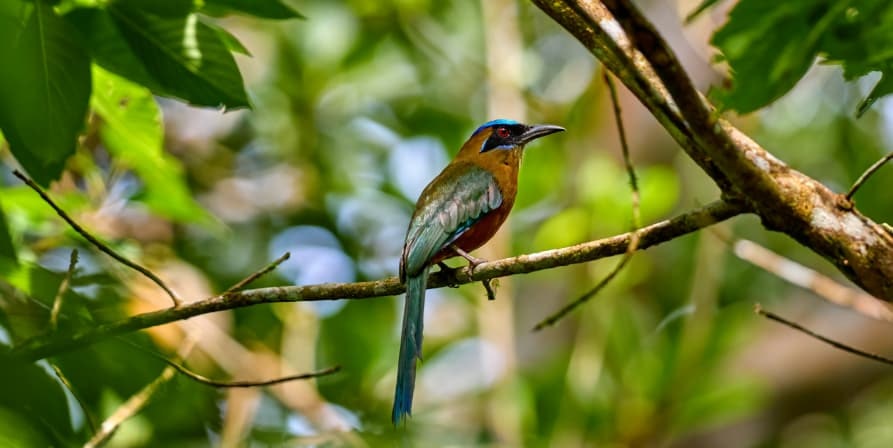
Have you ever wondered why birds suddenly change their songs, fly in different directions, or become unusually quiet? The answer often lies in the weather around them.
Weather changes don’t just affect your daily plans—they also have a powerful impact on how birds behave. Understanding these shifts can help you connect more deeply with nature and even predict what the skies might bring. Keep reading to discover the surprising ways weather shapes bird behavior and what signs you can look for the next time you step outside.

Credit: en.wikipedia.org
Weather And Bird Activity
Weather changes impact bird behaviors significantly. Birds adapt their activities to weather conditions. Their daily routines change based on temperature, wind, and precipitation. Understanding these changes helps us appreciate bird life better.
Daily Movement Patterns
Birds alter their movement patterns due to weather. In sunny weather, birds are more active. They fly longer distances and explore new areas. Rainy days make birds seek shelter. Strong winds limit their flight capabilities. Cold weather reduces their activity levels. They conserve energy by moving less. Observing these patterns reveals how birds cope with environmental changes.
Feeding Habits Shifts
Weather influences birds’ feeding habits significantly. In warm weather, food is abundant. Birds eat more and forage actively. Cold or rainy conditions make food scarce. Birds adapt by changing their diet. They may eat different types of food available. Some birds store food for harsh weather. These shifts ensure their survival despite changing conditions.
Migration And Weather
Weather plays a crucial role in shaping bird migration patterns. Changes in temperature, wind, and atmospheric pressure can signal birds to start their long journeys or alter their routes. Understanding how weather influences migration helps you appreciate the challenges birds face and the incredible strategies they use to survive.
Triggering Flight Departures
Birds often wait for specific weather conditions before taking off. A sudden drop in temperature or a shift in wind direction can act as a natural cue. For example, many species prefer to begin migration just after a cold front passes, when winds are favorable and skies are clear.
Have you noticed how some mornings feel perfect for birdwatching because more birds seem to be on the move? That’s no coincidence—it’s linked to weather signals triggering their departure.
Route Adjustments
Weather can force birds to change their usual migration paths. Strong headwinds or storms may push them inland or along different coastlines. Some species even extend their journeys to find better stopover sites where they can rest and refuel safely.
Understanding these route shifts can help you predict where and when to spot migrating birds in your area. It’s a reminder that migration is not a fixed path but a flexible response to the environment.
Timing Variations
Migration timing varies year to year based on weather patterns. Mild winters might delay departures, while early cold spells can speed up the process. Birds adjust their schedules to maximize survival chances, often arriving earlier or later than usual.
Think about this: if you track migration each season, you might notice these timing changes yourself. They’re a direct reflection of how sensitive birds are to their weather conditions, and they challenge us to stay observant and adaptable in our birdwatching efforts.
Breeding And Nesting
Breeding and nesting are vital stages in a bird’s life cycle. Weather changes directly influence these processes. Birds adjust their behaviors to protect their offspring and ensure survival. Temperature, rainfall, and daylight shifts shape how birds breed and nest.
Nest Site Selection
Birds choose nest sites based on weather conditions. Warm, dry weather encourages building in exposed areas. Cold or rainy weather pushes birds to find sheltered spots. Trees, shrubs, or cavities offer protection from wind and rain. Site choice also depends on food availability linked to weather patterns.
Egg Laying Timing
Birds time egg laying with favorable weather. Early spring warmth triggers many species to start laying eggs. Sudden cold snaps can delay this process. Rainy periods may also cause birds to wait for drier days. Timing ensures eggs hatch when food is abundant for chicks.
Parental Care Changes
Weather affects how parents care for their young. In hot weather, parents shade eggs and chicks to prevent overheating. During cold spells, they increase brooding time to keep young warm. Heavy rain may reduce feeding trips to avoid exposure. Parental effort adjusts daily to protect offspring.

Credit: www.wikiwand.com
Communication Changes
Bird communication shifts noticeably with changing weather. These changes help birds adapt and survive in their environments. Understanding how weather affects their signals can deepen your appreciation for their behavior and guide your birdwatching experiences.
Song Variations
Birds often change their songs depending on weather conditions. On windy days, they may sing louder or at different pitches to cut through the noise. Rain can cause them to shorten their songs or pause more frequently.
Have you noticed that some birds sing more at dawn during cooler, calm mornings? This timing helps their songs travel farther when the air is still. Adjusting song patterns like this ensures their messages reach mates or rivals effectively despite weather challenges.
Alarm Calls
Weather also influences how birds issue alarm calls. In stormy or foggy weather, calls tend to be more frequent and urgent. This helps alert others quickly when visibility is low or danger is harder to spot.
During harsh weather, you might hear alarm calls from multiple species overlapping. This collective warning system increases survival chances for the whole bird community. Next time you hear these calls, consider how weather might be affecting their urgency and frequency.
Survival Strategies
Birds face constant challenges from changing weather. Their survival depends on quick adjustments to keep safe and maintain body heat. Understanding these strategies reveals how resilient and clever birds truly are.
Sheltering Behavior
Birds often seek shelter to avoid harsh weather. You might notice them hiding under thick branches, dense bushes, or even inside tree cavities during storms or cold snaps.
Some species group together in tight clusters to share warmth and reduce wind exposure. This behavior not only protects them physically but also conserves energy.
Have you ever seen a small bird suddenly disappear during a rain shower? It’s likely finding a safe spot to wait out the storm. Observing this can teach you where to place bird feeders or shelters in your garden.
Thermoregulation Tactics
Birds use several clever methods to regulate their body temperature. Fluffing up their feathers traps warm air close to the skin, acting like natural insulation.
During hot weather, you might see birds panting or fluttering their throat skin to cool down. Some even use shade or water sources to lower their body heat.
Notice how some species change their posture, such as tucking their beak under a wing or standing on one leg. These small adjustments help minimize heat loss or gain, showing how finely tuned their responses are.
Weather Impact On Bird Health
Weather changes don’t just alter the landscape; they have a direct effect on bird health too. Sudden shifts in temperature, humidity, and storms can challenge a bird’s ability to stay healthy and active. Understanding how weather impacts birds helps you recognize signs of distress and aids in supporting their well-being.
Stress Responses
Birds react to weather changes with stress responses that can affect their energy and behavior. Cold snaps force birds to use more energy to keep warm, leaving less energy for feeding and flying. Hot weather, on the other hand, can cause overheating and dehydration, making birds seek shade or water sources more frequently.
Have you noticed birds puffing up their feathers on chilly mornings? This is one way they conserve heat. During storms or strong winds, birds often reduce movement to avoid injury, which might make them seem less active or harder to spot.
Disease Susceptibility
Weather fluctuations can increase birds’ vulnerability to diseases. Wet and cold conditions may weaken their immune systems, making infections more likely. For example, prolonged dampness can promote the growth of parasites like mites or fungi that affect feathers and skin.
Dry, dusty conditions also play a role by irritating respiratory systems, leading to infections. If you care for birds or feed wild birds, maintaining clean feeders and fresh water during varying weather can help reduce disease risks. Have you ever considered how your backyard setup might support bird health through all seasons?
Unexpected Weather Influences
Unexpected weather changes can catch birds off guard and trigger surprising shifts in their behavior. These shifts often reveal the birds’ hidden strategies for survival and adaptation. Observing these moments closely can teach you a lot about how sensitive birds are to their environment and how they cope with sudden challenges.
Behavioral Adaptations
Birds adjust their daily routines to deal with sudden weather changes. A drop in temperature might push them to fluff up their feathers to trap heat or seek sheltered spots earlier in the day.
Rainy weather often slows down their activity, making them less vocal and less visible. Yet, some species become more active, taking advantage of the wet conditions to find food more easily.
Have you noticed how some birds suddenly change their feeding habits after a storm? This quick shift helps them meet their energy needs despite the harsh conditions.
Inter-species Interactions
Weather shifts can also influence how different bird species interact. During unexpected cold snaps, you might see species that usually keep apart sharing warm roosting spots.
Competition for food can intensify when weather reduces available resources. Birds may temporarily tolerate each other or even cooperate to survive these tough times.
Have you ever witnessed unusual bird groups forming during extreme weather? These moments reveal flexible social behaviors that help birds adapt beyond just individual survival.
Credit: www.gowanlea.com
Frequently Asked Questions
How Does Weather Affect Bird Migration Patterns?
Weather changes influence birds to migrate for food and breeding. Temperature shifts and storms trigger migration timing and routes. Birds avoid harsh conditions by flying to warmer areas, ensuring survival and reproductive success.
Do Birds Change Their Feeding Habits With Weather?
Yes, birds adjust feeding habits based on weather. Cold weather increases their need for high-energy food. During rain, they may seek shelter and feed less. Weather impacts food availability, altering bird foraging behavior.
How Do Birds Respond To Storms And Heavy Rain?
Birds often seek shelter during storms to protect themselves. They reduce activity and hide in dense foliage or cavities. After storms, birds may increase feeding to regain energy lost during adverse weather.
Can Weather Influence Bird Mating And Nesting Behavior?
Yes, weather affects bird mating and nesting timing. Warm temperatures encourage breeding activities, while cold or wet conditions delay them. Birds choose nesting sites that offer protection from harsh weather to increase offspring survival.
Conclusion
Birds change their actions with weather shifts. They may fly to find food or shelter. Rain, wind, and temperature all affect their habits. These changes help birds survive and stay safe. Watching birds during different weather can teach us a lot.
Nature’s patterns are clear when weather influences bird behavior. Understanding this helps us appreciate birds more. It shows how connected life is to the earth’s weather. Keep observing, and you’ll notice these small but important changes. Birds and weather—always linked in a simple, natural way.