

Have you ever wondered why some birds work tirelessly to build the perfect nest while others seem less focused? What if the answer lies not just in their instinct, but in what they eat?
Your curiosity about bird behavior might lead you to a surprising discovery: diet could play a key role in how birds prepare their homes. Understanding this connection can change how you observe birds and deepen your appreciation for their natural world.
Keep reading to uncover how what birds eat might shape their nesting habits—and why it matters to you.
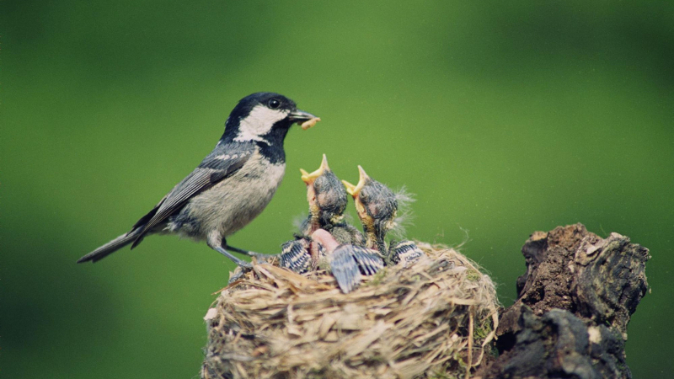
Credit: animal-pedia.org
Nesting Behavior In Birds
Birds display fascinating nesting behaviors, crucial for their survival. Nesting is more than just building a home. It involves choosing a safe location, gathering materials, and caring for eggs and young. Each bird species has unique nesting habits, influenced by various factors.
Typical Nesting Patterns
Most birds follow specific patterns during nesting. Many species build nests in trees or shrubs. Others choose cliffs or the ground. Some birds, like woodpeckers, carve nests into tree trunks. Nests vary in size and shape. They can be simple or complex. Materials used include twigs, leaves, and feathers. Each species selects materials that suit its needs.
Factors Influencing Nesting
Several factors influence bird nesting behaviors. Food availability plays a crucial role. A rich food source ensures healthy offspring. Weather conditions also matter. Birds prefer nesting during mild weather. Predators affect nest location choice. Birds seek safe spots to protect their young. Habitat type influences nesting material selection. Birds adapt to available resources in their environment.
Role Of Diet In Bird Physiology
Diet plays a crucial role in bird physiology, affecting many body functions. It influences growth, health, and breeding success. Birds need specific nutrients for different life stages. Their diet impacts energy, muscle strength, and hormone levels. These factors shape nesting behavior and overall survival.
Nutritional Needs During Breeding
Breeding birds need more proteins, vitamins, and minerals. Protein supports egg formation and chick growth. Vitamins like A and E help immune defense and feather development. Calcium strengthens eggshells and bones. Lack of these nutrients can reduce breeding success. Birds often seek nutrient-rich foods during this time.
Energy Requirements For Nesting
Nesting demands high energy. Birds build nests, incubate eggs, and feed chicks. These activities burn many calories daily. Carbohydrates and fats provide quick energy. Birds increase food intake to meet these needs. Energy-rich diets help maintain stamina and body heat. Without enough energy, nesting efforts may fail.
Diet And Nesting Material Selection
Diet plays a key role in how birds select materials for their nests. What birds eat can influence the types of natural items they gather, affecting the structure and comfort of their nests. Understanding this link can offer insights into bird behavior and help you observe nesting habits more closely.
Impact Of Food Sources On Material Choice
Birds often pick nesting materials that are readily available near their food sources. If a bird feeds on seeds found in grassy areas, it’s likely to collect grasses and leaves for its nest. On the other hand, birds feeding in forests might use twigs, bark, and moss instead.
Your backyard can reveal this connection. Notice how birds that feed on insects might include spider webs or soft plant fibers, which help hold the nest together and provide cushioning. The diet not only affects material choice but also how durable and insulated the nest turns out.
Examples From Different Bird Species
- Weaver Birds:These birds eat mostly seeds and insects. They use long grass blades and strips of leaves, weaving them tightly to make strong, hanging nests.
- Hummingbirds:Feeding mainly on nectar, they collect soft plant down, spider silk, and moss to create lightweight and flexible nests.
- Woodpeckers:Their diet includes insects found under tree bark. They tend to use wood chips and bark pieces from their feeding sites to build sturdy nests in tree cavities.
Have you ever noticed how the availability of food in your area might change what birds bring to their nests? Paying attention to these details can deepen your appreciation of bird behavior and the clever ways they adapt to their environment.

Credit: swibirds.org
Dietary Influence On Nest Construction Behavior
Birds’ diet plays a key role in how they build their nests. What they eat directly affects their energy levels and the materials they choose for construction. Understanding this link can help you appreciate the subtle ways nutrition shapes nature’s architects.
Changes In Nesting Frequency
A diet rich in nutrients can boost a bird’s energy, encouraging more frequent nest-building. Birds with access to abundant food often start nesting earlier in the season and may build multiple nests. On the other hand, a poor diet can reduce their motivation to invest time and effort into building.
Imagine a backyard where some birds have easy access to high-protein seeds and insects, while others don’t. The well-fed birds might surprise you by nesting more often and producing several broods. Could improving the food supply in your area help local birds raise more families?
Effects On Nest Quality And Size
Diet impacts not just how often birds build nests but also the quality and size of those nests. Birds consuming a balanced diet tend to gather stronger, more durable materials. Their nests are often larger, providing better protection for their eggs and chicks.
Conversely, birds with limited nutrition may settle for weaker twigs or fewer lining materials. This can affect the nest’s insulation and stability, making it harder for their young to survive. Next time you observe a nest, consider whether the bird’s diet might have influenced its design and strength.
Surprising Findings From Recent Studies
Recent studies have revealed surprising links between bird diets and their nesting habits. Scientists expected diet to influence energy and health, but results showed more complex effects on nesting behavior. These findings challenge common ideas and open new questions about bird ecology.
Unusual Dietary Effects On Nesting
Some birds change their nest-building style based on diet. For example, birds eating more protein built stronger, more compact nests. Others on high-fat diets showed less interest in gathering nesting materials. This suggests diet affects not only energy but also motivation and skill in nest construction.
Researchers found diets rich in certain seeds led to more colorful nests. This could attract mates or protect eggs better. In contrast, birds fed mostly insects often reused old nests instead of building new ones. These behaviors highlight diet’s unexpected role in nesting choices.
Case Studies With Unexpected Results
| Bird Species | Diet Change | Nesting Behavior | Key Finding |
|---|---|---|---|
| Zebra Finch | High protein | Built sturdier nests | Protein boosted nest durability |
| House Sparrow | High fat | Less nest building | Fat reduced nest-building activity |
| Blue Tit | Seed-rich diet | More colorful nests | Diet influenced nest decoration |
These studies reveal how diet shapes more than survival. It changes how birds build and maintain their homes. Understanding this can help protect bird species and their habitats better.

Credit: www.npr.org
Implications For Bird Conservation
Understanding how diet influences nesting behavior is more than just an interesting fact—it directly shapes how we protect and support bird populations. Nutrition impacts birds’ ability to build nests, raise healthy chicks, and survive environmental challenges. This knowledge helps you make smarter decisions in conservation efforts, ensuring birds have the resources they need to thrive.
Diet Management In Habitat Restoration
Restoring habitats isn’t just about planting trees or clearing invasive species. You need to consider what birds eat. Ensuring that the right food sources are available encourages healthy nesting behaviors.
Think about including plants that produce seeds, berries, or attract insects. These food sources provide essential nutrients birds require during breeding seasons. Have you ever noticed how some restored areas remain empty of birds despite seeming perfect? The missing link might be diet.
- Plant native berry-producing shrubs that sustain birds through nesting periods.
- Maintain insect-friendly environments by avoiding pesticides.
- Create water sources to support insects and plants that birds feed on.
By managing diet through careful habitat restoration, you can directly boost nesting success and overall bird health.
Supporting Nesting Success Through Nutrition
Nutrition is key to helping birds invest energy into nest building and chick rearing. Birds with poor diets often produce weaker nests or fewer eggs. Providing supplementary feeding during critical times can make a difference.
Bird feeders with high-protein options like mealworms or seeds rich in fats support birds during energy-demanding periods. You might also consider planting fast-growing native plants that provide food quickly after restoration efforts.
Ask yourself: Are you supporting the full life cycle of birds, not just their shelter? Small changes in what you provide can lead to stronger, healthier bird populations.
Frequently Asked Questions
Does Bird Diet Influence Nesting Behavior?
Yes, bird diet directly affects nesting behavior. Proper nutrition supports energy for nest building and egg laying, influencing reproductive success and offspring survival.
What Foods Impact Birds’ Nesting Habits?
High-protein foods like insects and seeds enhance nesting activity. These foods provide essential nutrients for egg production and chick growth, encouraging birds to build nests.
How Does Diet Quality Affect Bird Reproduction?
Better diet quality improves bird reproduction by boosting energy and health. Nutrient-rich diets lead to stronger eggs and healthier chicks, increasing survival rates.
Can Poor Diet Disrupt Bird Nesting Cycles?
Poor diets can disrupt nesting cycles by causing energy deficits. Birds may delay nesting, produce fewer eggs, or abandon nests due to insufficient nutrition.
Conclusion
Diet plays a key role in shaping birds’ nesting habits. Birds need good food to build strong nests and care for their young. Poor diet can slow down nest building and reduce success. Different foods give birds energy and materials for nesting.
Watching bird diets helps us understand their behavior better. Feeding birds healthy food can support their natural instincts. Nesting and diet connect closely in the wild. This link shows how nature works in small but important ways.