
Have you ever wondered why birds behave the way they do? Understanding behavioral growth in birds is more important than you might think.
It shapes how they survive, find food, and even communicate with each other. If you care about birds or simply want to learn something fascinating, this topic will open your eyes to a hidden world of instincts and learning. By the time you finish reading, you’ll see birds in a whole new light—and maybe even appreciate their amazing abilities more than ever.
Keep reading to discover why behavioral growth matters so much for our feathered friends.
Behavioral Growth In Birds
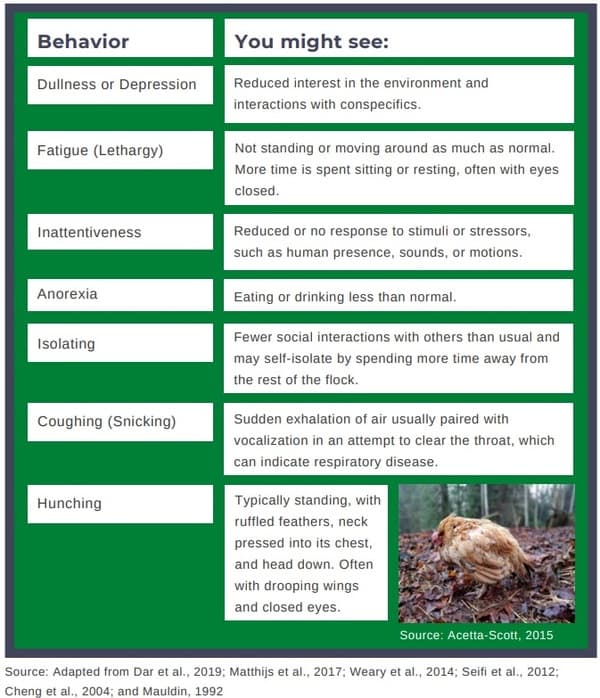
Birds showcase a fascinating array of behaviors. Their behavioral growth is vital for survival. Understanding these behaviors helps us appreciate their complex lives. From learning to fly to finding food, each stage is crucial. Behavioral growth in birds involves several stages, each unique and critical.
Stages Of Behavioral Development
Birds undergo several stages of development. Initially, they rely heavily on their parents. This stage is about learning basic survival skills. As they grow, they start exploring their environment. This exploration is key to their learning process. Finally, they reach maturity, ready to face the world independently.
Factors Influencing Growth
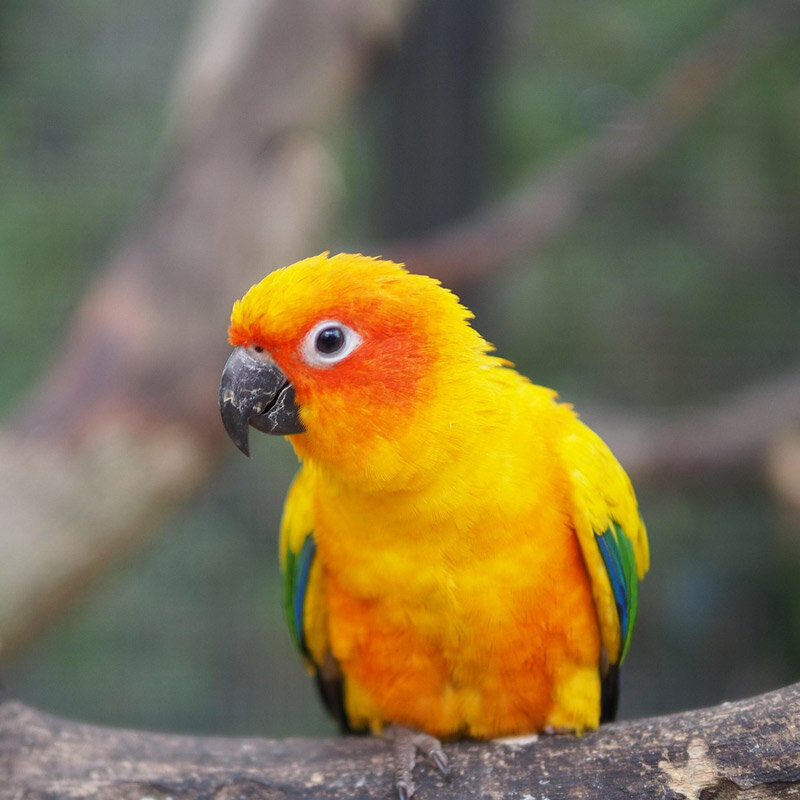
Several factors influence behavioral growth in birds. Genetics play a significant role. Each species has unique traits passed down generations. The environment also greatly impacts behavior. Birds adapt their habits based on their surroundings. Social interactions further shape their behavior. Learning from peers is crucial for their development.
Credit: lafeber.com
Role Of Learning And Adaptation
Learning and adaptation shape a bird’s behavior and survival skills. Birds adjust their actions based on experience and environment. These processes help birds respond to new challenges and thrive. Understanding how birds learn and adapt reveals much about their growth.
Imprinting And Early Learning
Imprinting happens soon after birth. Young birds recognize and follow the first moving object they see. This early learning builds strong bonds with parents or caregivers. It guides them in finding food and safety. Imprinting sets a foundation for later social and survival behaviors.
Early learning also teaches birds essential skills. They learn to sing, fly, and hunt by watching others. These lessons improve their chances of survival. Without early learning, birds may struggle to thrive in the wild.
Adaptation To Environmental Changes
Birds face constant environmental changes. They must adapt to find food and shelter. Learning helps birds adjust their behaviors quickly. For example, some birds change their migration routes due to climate shifts.
Adaptation also includes changes in diet and nesting habits. Birds that learn to use new resources survive better. This flexibility helps bird populations remain strong despite challenges.
Social Behavior And Communication
Birds use social behavior and communication to survive and thrive. These behaviors help them find food, protect themselves, and raise their young. Understanding these actions gives us insight into their world and how they interact with each other.
Social Structures In Bird Communities
Birds live in groups with clear social orders. Some species form flocks that move and feed together. Others create pairs or family groups for raising chicks. These structures offer safety from predators and improve chances of finding food.
Within groups, birds have roles like leaders and followers. Leaders guide the flock during migration or feeding. Followers benefit from the leader’s experience. Social bonds also build trust and cooperation.
Vocalization And Signaling
Birds communicate through sounds and body language. Songs and calls convey different messages. Mating calls attract partners. Alarm calls warn about danger. Some birds mimic sounds to confuse rivals or attract mates.
Visual signals include feather displays and movements. Bright colors or puffed feathers show strength or readiness to mate. Wing flapping or head bobbing can signal aggression or submission. These signals help birds avoid fights and maintain peace.
Impact On Survival And Reproduction
The impact of behavioral growth on a bird’s survival and reproduction is profound. Every learned skill or instinctive behavior can mean the difference between life and death. It also influences the ability to pass on genes to the next generation, ensuring the species continues.
Foraging And Hunting Skills
Birds develop their foraging and hunting abilities through practice and experience. A young hawk learning to spot prey must refine its vision and timing. This growth directly improves its chances of catching food, which is essential for survival.
Think about your own experiences learning a new skill. The more you practice, the better you get. Birds are no different. Their survival depends on mastering how to find and capture food efficiently.
Some birds even adapt their hunting techniques based on the environment. For example:
- Herons use patience and stealth to catch fish in shallow waters.
- Crows have been seen using tools to access hidden food sources.
These behaviors grow stronger as birds gain experience, directly impacting their survival rates.
Mating Rituals And Nesting
Behavioral growth shapes how birds attract mates and care for offspring. Mating rituals often require precise displays or calls that young birds learn over time. These learned behaviors increase the likelihood of successful mating.
Nesting is another critical behavior that improves with experience. Birds must choose safe locations, build sturdy nests, and protect their eggs and chicks. Poor nesting skills can lead to loss of offspring, affecting reproduction success.
Consider how you might improve at a new task by observing others or through trial and error. Birds do the same with mating and nesting. Each generation builds on the last, enhancing these essential behaviors.
Have you ever watched a bird’s courtship dance or nest-building? Noticing the complexity can help you appreciate how crucial behavioral growth is for a bird’s life cycle.
Human Influence On Behavioral Growth
Human activities shape the way birds develop their behaviors more than many realize. From the cities we build to the efforts we make to protect wildlife, our influence can alter bird habits in lasting ways. Understanding this impact helps you see how your actions might affect local bird populations.
Effects Of Urbanization
Urban areas change the natural behaviors of birds significantly. Noise pollution can disrupt their communication, making it harder to find mates or warn of danger.
Light pollution tricks birds into staying active longer or migrating at unusual times. You might notice some birds adapting by nesting on buildings or feeding from human leftovers.
However, not all birds cope well. Some species disappear from cities, while others thrive, changing the balance of local ecosystems. Have you seen birds adjusting their routines around your neighborhood lights or noises?
Conservation And Rehabilitation Efforts
Conservation programs aim to restore natural behaviors in birds affected by human actions. Rehabilitation centers teach injured birds essential survival skills before release.
Efforts like planting native vegetation or creating safe nesting sites encourage birds to return to their natural habits. These actions help maintain biodiversity and keep ecosystems healthy.
You can support these efforts by participating in local clean-ups or building bird-friendly spaces in your yard. How could your daily choices help birds grow and thrive in their natural behaviors?
Credit: en.engormix.com
Research Methods In Behavioral Studies
Research methods in behavioral studies help scientists understand how birds develop and act. These methods reveal patterns in bird behavior over time. Studying these behaviors supports conservation and improves knowledge about bird ecology. Different approaches provide unique insights into behavioral growth.
Observation Techniques
Observation is a key method to study bird behavior. Researchers watch birds in their natural habitats. They note activities like feeding, mating, and flying. Observations can be direct or use video recording tools. This method captures real-time behavior without disturbing the birds.
Field notes and checklists often help document behaviors. Long-term observations reveal changes in behavior as birds grow. This technique shows how environment affects bird actions.
Experimental Approaches
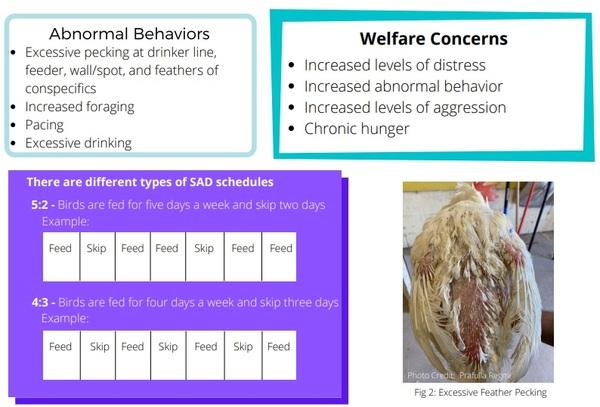
Experimental approaches involve controlled tests to study bird behavior. Scientists create specific conditions to observe reactions. Experiments can test learning, memory, or social interactions. This method isolates variables to understand cause and effect.
Birds may be exposed to different sounds, foods, or social settings. Researchers measure responses like changes in movement or vocalization. Results from experiments help explain how behaviors develop and adapt.
Credit: animal-pedia.org
Frequently Asked Questions
What Is Behavioral Growth In Birds?
Behavioral growth in birds refers to the development of skills and habits. It includes learning to find food, communicate, and adapt to the environment. This growth helps birds survive and reproduce effectively in their natural habitats.
Why Is Behavioral Growth Crucial For Bird Survival?
Behavioral growth enables birds to respond to threats and find resources. It improves their ability to navigate, avoid predators, and build nests. Without it, birds may struggle to thrive in changing environments.
How Does Behavioral Growth Affect Bird Communication?
Behavioral growth helps birds learn songs and calls essential for mating and territory defense. It enhances social interactions within flocks. Effective communication increases their chances of survival and reproduction.
Can Behavioral Growth Influence Bird Migration Patterns?
Yes, behavioral growth teaches birds to recognize migration routes and timing. Young birds learn from experienced ones to navigate long distances. This knowledge is vital for reaching breeding and feeding grounds.
Conclusion
Behavioral growth in birds helps them survive and adapt to changes. It shapes how they find food, avoid danger, and care for their young. Learning new skills makes birds stronger and more independent. This growth also helps birds live better in different places.
Watching bird behavior teaches us about nature and its balance. Understanding these changes supports bird protection and care efforts. Birds’ behavior shows us the power of learning and change. It reminds us how important growth is for all living things.