
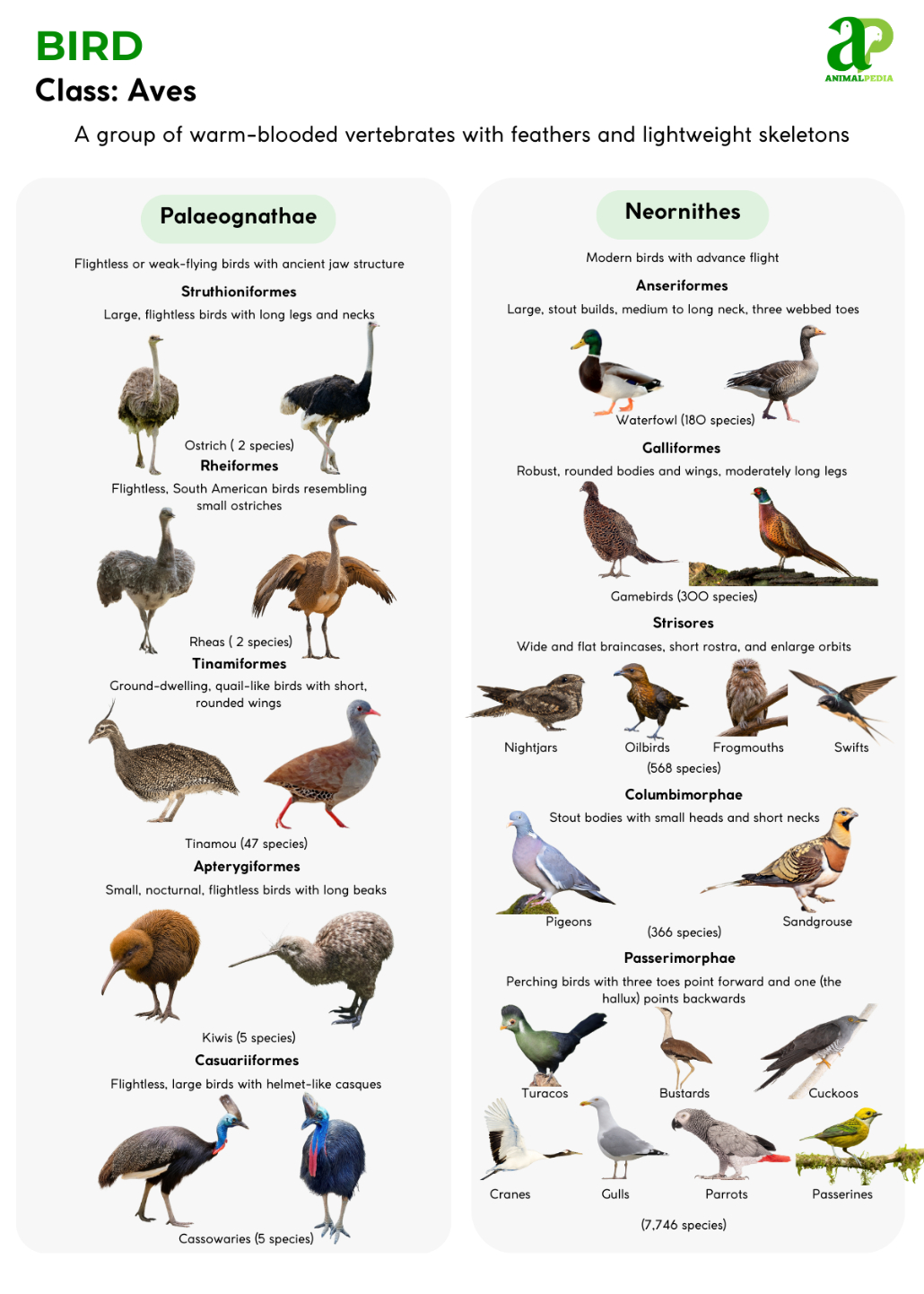
Have you ever wondered how birds survive in different environments? Their secret often lies in behavior adaptations.
These special actions help birds find food, stay safe, and thrive no matter where they live. But which of these behaviors actually count as adaptations? If you want to understand the clever ways birds adjust to their world, keep reading.
By the end, you’ll see nature’s smart tricks in a whole new light—and you might even spot these behaviors the next time you watch birds outside.
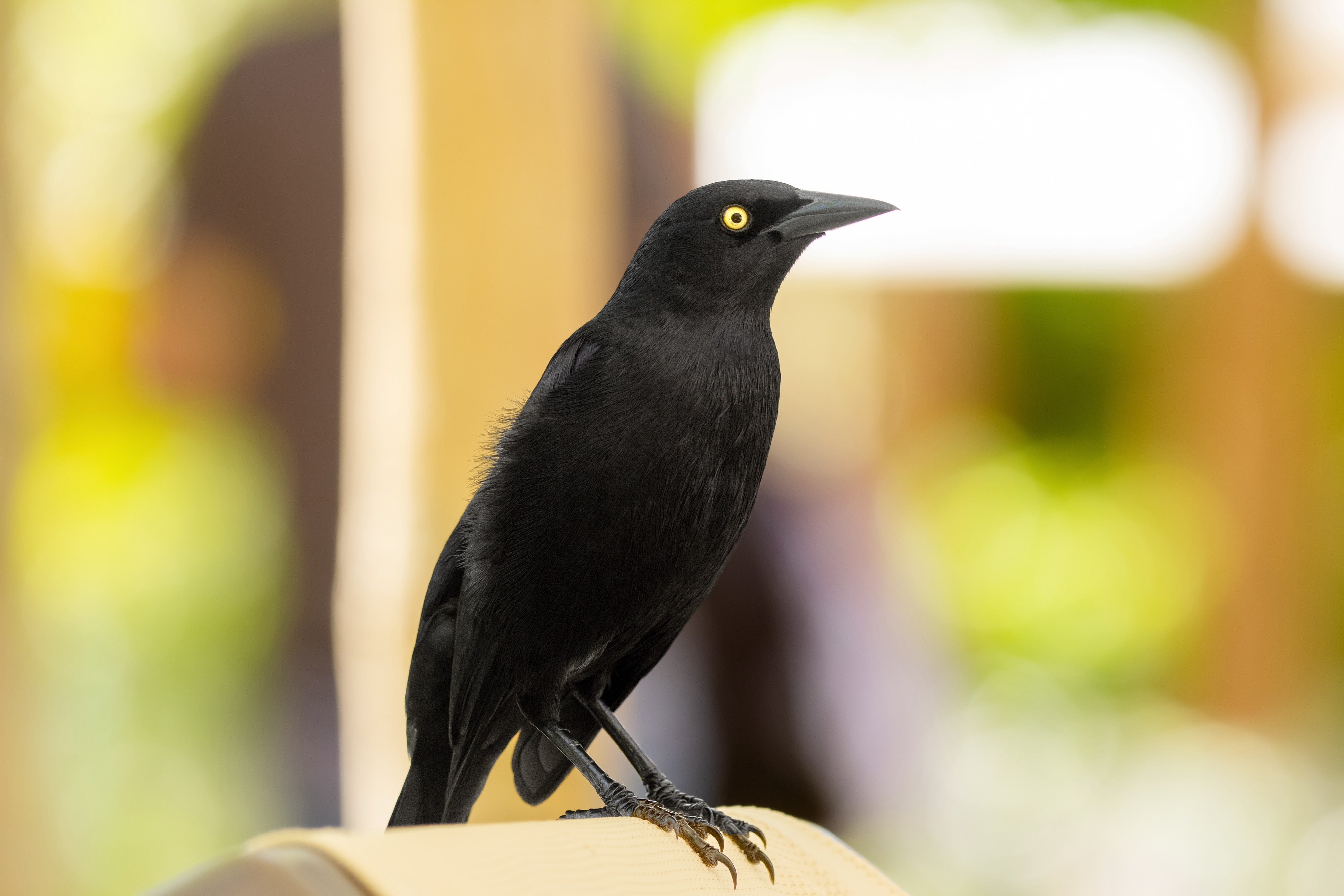
Credit: news.ucsb.edu
Behavior Adaptations In Birds
Birds are fascinating creatures with a remarkable ability to adapt to their environments. Behavior adaptations in birds are essential for their survival and have evolved over time to help them find food, protect themselves, and raise their young. Understanding these adaptations can provide insight into the incredible diversity and resilience of bird species worldwide.
Types Of Behavioral Adaptations
Birds exhibit a variety of behavioral adaptations that help them thrive in different environments. Some birds migrate over long distances to find food and suitable breeding grounds. Others have developed unique feeding strategies, such as using tools or mimicking sounds to attract prey. Social behavior, like flocking, helps some species protect themselves from predators and find food more efficiently.
How Birds Develop These Traits
The development of behavioral adaptations in birds is a result of both genetic and environmental factors. Birds learn from their parents and peers, adopting successful behaviors that increase their chances of survival. Over generations, these learned behaviors can become instinctual, hardwired into a species’ genetic code. Observing birds in their natural habitats can reveal how they continuously adapt to changing conditions. Have you ever noticed how quickly birds in urban areas adjust to human presence? It’s a testament to their incredible adaptability.
Migration Patterns
Migration is a key behavior adaptation in many bird species. It helps them survive by moving between habitats. Birds travel long distances, often crossing continents and oceans. This seasonal movement matches their needs for food, breeding, and climate. Migration patterns vary widely among species. Some travel thousands of miles, while others move short distances.
Reasons For Migration
Birds migrate for several important reasons:
- To find food during harsh seasons.
- To escape cold weather that limits resources.
- To reach safe breeding grounds.
- To avoid predators or competition.
These reasons ensure birds can survive and reproduce successfully. Migration lets birds adapt to changing environments across the year.
Navigation Techniques
Birds use various methods to find their way during migration:
- Sun position helps guide birds during the day.
- Stars provide direction at night.
- Earth’s magnetic field acts like an internal compass.
- Landmarks such as rivers and mountains guide them.
- Some birds rely on smell or sound cues.
These techniques make migration possible even over vast, unfamiliar areas. Birds combine these tools for accurate travel.
Feeding Strategies
Birds have developed unique feeding strategies to survive and thrive in various environments. These behaviors help them find, capture, and eat food effectively. Feeding strategies are vital for their survival and show how birds adapt to their habitats.
Tool Use In Birds
Some birds use tools to get food. This behavior shows intelligence and problem-solving skills. For example, crows use sticks to pull insects out of tree bark. Woodpecker finches use cactus spines to reach insects inside holes. Tool use helps birds access food that is hard to reach.
Using tools also saves energy and increases the chance of a good meal. This behavior is a clear example of adaptation to food challenges in nature.
Foraging Methods
Birds use different methods to find and collect food. Some search the ground for seeds or insects. Others catch flying insects in mid-air. Water birds often dive or skim the water surface to catch fish or crustaceans.
Each foraging method suits the bird’s body and environment. For example:
- Hawks soar high to spot prey from above.
- Woodpeckers drill into trees to find insects.
- Shorebirds probe mud for worms and small animals.
These strategies show how birds adapt their feeding behavior to survive in different habitats.
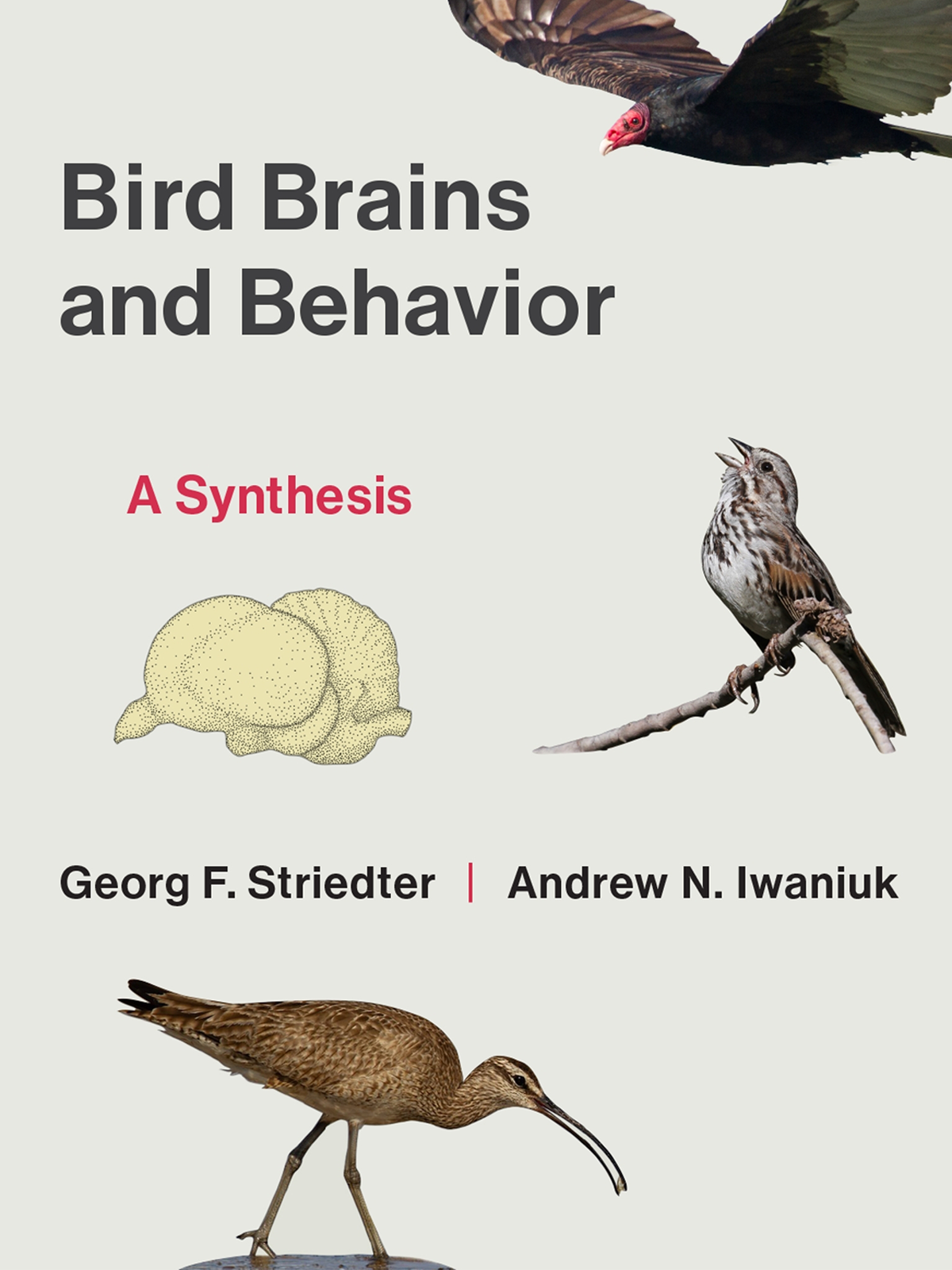
Credit: www.thetransmitter.org
Communication Methods
Birds use various communication methods to survive and thrive in their environments. These behaviors help them find mates, warn of dangers, and establish territory. Communication is a key behavior adaptation that allows birds to connect with others effectively.
Songs And Calls
Birds produce songs and calls to send messages. Songs often attract mates and mark territory. Calls warn other birds about predators or alert flock members. Each species has unique sounds that carry specific meanings. These vocal signals can travel long distances, ensuring other birds hear important information.
Body Language
Birds also use body language to communicate. Movements like wing flapping, tail flicking, and head bobbing express emotions or intentions. For example, puffing up feathers can show aggression or fear. Some birds perform dances to attract mates. These visual signals complement sounds and help birds share messages clearly.
Mating Behaviors
Mating behaviors are key adaptations birds use to attract partners and reproduce. These behaviors increase the chance of successful mating. Birds show unique actions during courtship and nest building. Such behaviors help them survive in their environment and continue their species.
Courtship Displays
Courtship displays are visual or sound signals birds use to attract mates. These displays show health and strength. Some birds sing loud songs to impress females. Others use bright feathers or dance moves.
Examples include:
- Peacocks spreading their colorful tail feathers.
- Male birds singing complex melodies.
- Birds performing aerial flights or dances.
These displays often last a short time but are very intense. They help females choose the best mate.
Nest Building Habits
Nest building is another important mating behavior. Birds build nests to protect eggs and chicks. The quality of the nest can influence mate choice.
Male birds may build nests to show skill and care. Some species build elaborate nests to attract females. Others gather materials quickly to prove their strength.
Common nest building habits include:
- Using twigs, leaves, and feathers.
- Choosing hidden or safe locations.
- Repairing and maintaining the nest over time.
Good nest building increases the chance of offspring survival. It also signals readiness for parenting.
Survival Tactics
Survival tactics in birds show how clever and adaptable these creatures can be. They use various behaviors to stay safe and thrive in their environments. Understanding these tactics can give you a new appreciation for the complexity of bird life.
Camouflage And Mimicry
Birds often blend into their surroundings to avoid predators. Some have feathers that match the colors of leaves, bark, or snow, making them nearly invisible. Have you ever noticed how a nightjar can rest on a tree branch and seem to disappear?
Mimicry is another smart trick. Certain birds imitate sounds or appearances to confuse predators or rivals. The lyrebird, for example, can copy chainsaws and camera shutters, which helps it avoid danger by startling threats or blending into noisy environments.
Defense Mechanisms
Birds use a variety of defense behaviors to protect themselves. Some puff up their feathers to look bigger and more threatening. Others, like the killdeer, perform injury-feigning acts to lure predators away from their nests.
Have you seen a bird dive-bombing a predator or loud calling to warn others? These active defenses show how birds take control of their safety by being alert and bold. What defense tactic do you think would work best in your backyard?
Case Studies Of Unique Behaviors
Birds display a wide range of behaviors that help them survive and thrive in their environments. Some of these behaviors are so unique and specialized that they stand out as fascinating examples of adaptation. By looking at specific cases, you can see how birds use their intelligence and creativity to solve problems and attract mates.
Tool-using Crows
Crows are among the smartest birds, known for using tools to get food. They shape sticks to reach insects hidden in tree bark or use leaves to scoop water. This behavior shows how they learn and pass on knowledge, which is rare in the animal kingdom.
One crow was observed bending a wire into a hook to pull a bucket of food from a tube. This kind of problem-solving skill challenges the idea that only humans and primates can use tools effectively. Have you ever noticed how your own problem-solving skills improve when you try new challenges?
Dancing Birds Of Paradise
Birds of Paradise are famous for their elaborate courtship dances. Males perform complex moves and display bright feathers to attract females. These dances are not random; they are carefully adapted behaviors that increase the chance of mating success.
Each species has its own unique dance style, often including precise steps and calls. Watching these performances can make you think about how communication and presentation play a role in your own daily interactions. What behaviors do you use to make a good impression?

Credit: www.teacherspayteachers.com
Frequently Asked Questions
What Is A Behavior Adaptation In Birds?
Behavior adaptation in birds refers to actions that help them survive and reproduce. Examples include migration, nesting habits, and feeding techniques. These behaviors improve their chances in changing environments and protect them from predators.
How Do Birds Use Migration As A Behavior Adaptation?
Migration is a seasonal movement to find food or better climate. Birds travel thousands of miles to survive harsh winters. This behavior ensures access to resources and suitable breeding sites.
Which Behaviors Help Birds Protect Themselves?
Birds use camouflage, alarm calls, and flocking to avoid predators. These behaviors increase safety by confusing or warning others. Such adaptations improve survival chances in the wild.
Can Feeding Habits Be A Behavior Adaptation In Birds?
Yes, birds develop unique feeding strategies like tool use or food storage. These behaviors help them access diverse food sources. It allows birds to thrive in different habitats.
Conclusion
Birds show many behavior adaptations to survive and thrive. These actions help them find food, stay safe, and care for their young. Examples include migration, building nests, and calling to each other. Such behaviors are learned or instinctive and change with the environment.
Understanding these helps us appreciate how birds live and adapt. Watching birds closely reveals how smart and flexible they truly are. Behavior adaptations make birds fit well in their homes. They remind us that nature is full of clever solutions.