
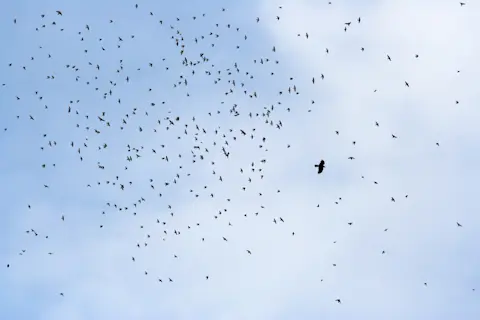
Have you ever noticed how birds suddenly gather and start making loud noises when a predator appears nearby? This fascinating behavior, called mobbing, is more than just a noisy reaction—it’s a smart survival tactic.
But did you know that the type of predator can change how birds act during these mobbing events? Understanding how different predators influence bird behavior can give you a new appreciation for the complex ways animals protect themselves. Keep reading to discover how predator type shapes mobbing behavior and what it means for the birds you see every day.
Credit: link.springer.com
Predator Types And Bird Responses
Birds face a variety of predators, and their mobbing behavior changes depending on the type of threat. Understanding how birds react to different predators can help you observe and interpret their defensive strategies better. Each predator type triggers unique responses, showing how birds adapt their behavior to stay safe.
Aerial Predators
Birds often mob aerial predators like hawks and falcons with loud calls and aggressive dives. These predators attack from above, so birds focus on distracting and confusing them mid-air. You might notice groups of small birds flying rapidly around a hawk, making it harder for the predator to focus on any single target.
This behavior reduces the chance of a successful attack and protects the flock. Have you ever seen a group of birds suddenly rise and swirl in the sky? That’s their way of saying “stay away.”
Terrestrial Predators
Ground predators like foxes and snakes provoke a different kind of mobbing. Birds tend to gather close to the threat, making sharp calls and sometimes even physical attacks. This close-range defense can scare off predators that rely on stealth or surprise.
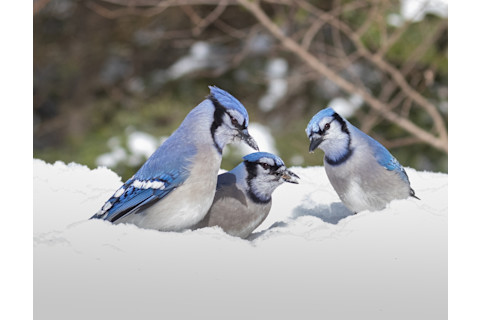
Species like crows and jays are known for their fearless behavior against ground predators. When you see birds pecking or swooping low at an approaching animal, they’re protecting their territory and nests.
Nest Predators
Predators targeting nests, such as squirrels or raccoons, cause birds to act with high urgency. Parents often become extremely vocal and aggressive, especially when their chicks are at risk. You might hear harsh, repetitive alarm calls that alert nearby birds to the danger.
Sometimes, birds even use distraction tactics, like feigning injury, to lead predators away from their nests. This shows a complex level of problem-solving in protecting their young. What strategies would you use to defend something valuable to you?

Credit: www.numberanalytics.com
Mobbing Behavior Patterns
Mobbing behavior in birds is a fascinating display of collective action. This behavior involves birds grouping together to confront predators. The type of predator influences the mobbing patterns. Understanding these patterns helps in studying bird defense mechanisms.
Group Size And Coordination
The group size in mobbing varies with predator type. Small birds often form larger groups to face bigger predators. Larger groups enhance effectiveness and safety. Coordination is vital in these situations. Birds synchronize their movements to confuse the predator. This teamwork increases their chances of success.
Vocalizations And Alarm Calls
Birds use vocalizations to signal danger. Alarm calls vary depending on the predator type. These calls alert other birds to join the mobbing. Some species have specific calls for different threats. The intensity and frequency of calls can change. Louder calls often indicate a more dangerous predator.
Physical Attacks And Distractions
Physical attacks are common against smaller or less dangerous predators. Birds may dive-bomb or peck at the intruder. Distractions play a crucial role. Birds create diversions to protect nests or young ones. They may pretend to be injured to lure predators away. Such tactics reduce the threat effectively.
Impact Of Predator Threat Level
The level of threat a predator poses greatly influences how birds respond with mobbing behavior. Birds assess the danger and adjust their group efforts accordingly. Understanding this can help you notice how different predators trigger different reactions in bird communities around you.
High-risk Predators
Birds tend to mob more aggressively when facing predators that pose a serious threat, such as hawks or owls. These predators can capture adult birds or chicks, making the threat immediate and deadly.
In response, birds often gather in larger groups and use loud calls to confuse or drive away the predator. You might see them dive-bombing or continuously harassing the intruder, putting themselves at risk to protect their nests.
Have you ever noticed how noisy and frantic a flock becomes when a hawk appears? This intense mobbing shows their high risk awareness and their willingness to defend at all costs.
Low-risk Predators
Predators like squirrels or small snakes usually trigger less intense mobbing behavior. These animals may threaten eggs or young birds but are less likely to catch adult birds.
Birds often respond with fewer numbers and less aggressive calls, conserving energy for more serious threats. You might see them watching closely but not engaging as fiercely.
Why do you think birds choose to invest less effort against these lower risk predators? It’s a smart balance between defense and survival, showing that mobbing is a strategic behavior based on threat level.
Species-specific Mobbing Tactics
Bird species use different mobbing tactics based on their size and strengths. These tactics help them protect themselves from predators effectively. Each species adapts its mobbing behavior to the type of predator it faces. The way birds mob reflects their physical abilities and social habits.
Small Songbirds
Small songbirds often mob in large groups. They create loud calls to confuse and scare predators. Quick flying and agile movements help them dodge attacks. Their goal is to annoy the predator until it leaves. They use repetitive alarm calls to alert others. Group mobbing makes the predator feel overwhelmed. Small birds rarely attack directly but use noise and numbers.
Corvids And Larger Birds
Corvids like crows and jays show bold mobbing tactics. They use sharp calls to warn and gather others fast. These birds often mob predators by diving and pecking. Their larger size allows more direct confrontation. They may attack the predator’s eyes or head to drive it away. Corvids work in smaller groups but with intense aggression. Larger birds use their strength and intelligence to control the mobbing event.
Environmental Influences On Mobbing
Mobbing behavior in birds doesn’t happen in a vacuum. Your surroundings shape how and when birds decide to mob predators. Environmental factors influence the risks birds face and the strategies they use to protect themselves and their young.
Habitat Type
The type of habitat plays a big role in mobbing behavior. Birds in dense forests often face different predators than those in open fields. In forests, the dense foliage provides cover but also limits escape routes, making mobbing a critical defense.
Open habitats, like grasslands, expose birds to aerial predators such as hawks. Here, mobbing might involve loud calls and coordinated attacks to drive the predator away quickly. You might notice how urban parks with mixed vegetation create a unique setting where birds adapt their mobbing tactics depending on predator presence.
Seasonal Variations
Seasons affect predator activity and food availability, which in turn impact mobbing. During breeding seasons, birds are more aggressive in mobbing because protecting nests is vital. You’ve probably seen birds become much more vocal and bold when they have chicks to defend.
In winter, food scarcity might reduce mobbing intensity since birds need to conserve energy. Yet, some species increase mobbing to keep predators at bay when survival is toughest. How do you think your local birds change their behavior as the seasons turn?
Evolutionary Advantages Of Mobbing
Mobbing is a common behavior where birds group together to confront predators. This behavior offers many evolutionary benefits that help birds survive and thrive. Understanding these benefits explains why mobbing is widespread across bird species.
Birds use mobbing to protect themselves and their young. It also helps them build stronger social bonds. Both these factors improve their chances of living longer and reproducing more successfully.
Predator Deterrence
Mobbing confuses and scares predators. Many birds attacking together create noise and movement. This makes predators hesitate or leave the area. Predators find it harder to single out one bird in a mob.
This group defense reduces the risk for each bird. It lowers chances of being caught or injured. Birds can also signal danger to others nearby. These warning calls help the whole community stay alert and safe.
Social Cohesion
Mobbing strengthens relationships among birds. Working together builds trust and cooperation. Birds that mob together share valuable information about threats.
Social bonds formed during mobbing improve group survival. Birds in tight groups can coordinate better. They find food, watch for predators, and care for young more effectively.
These social connections lead to better protection in the future. Birds learn to rely on each other against danger. This teamwork increases their overall fitness and chances of passing genes to the next generation.
Surprising Findings In Recent Studies
Recent research has uncovered some surprising insights into how different predator types influence mobbing behavior in birds. These findings challenge many assumptions about which threats birds focus on and how they respond collectively. Understanding these patterns can change how you view bird interactions and their survival tactics.
Unexpected Predator Targets
Birds don’t always mob the predators you might expect. Studies have shown that some species aggressively target smaller, less dangerous predators rather than the large, obvious threats.
This behavior often puzzles observers because the risk seems disproportionate. However, birds may focus on these less threatening predators because they are more common or pose a frequent risk to eggs and young chicks.
Think about a time you noticed birds fussing over a small snake or a crow, while ignoring a soaring hawk nearby. Could this selective targeting be a smarter survival strategy rather than just panic?
Novel Mobbing Strategies
Birds are also using new tactics to mob predators, which go beyond simple chasing and noise-making. Some species combine distraction displays with coordinated attacks, confusing predators and reducing their success rate.
There’s evidence of birds using specific calls to rally others quickly, almost like an alarm system tailored to the type of predator. Such communication can escalate the group’s response in seconds.
Imagine if your local birds could send out a rapid warning tailored to the exact danger nearby. How would this change your experience watching them? These novel strategies show birds are more adaptable and strategic than often assumed.
Credit: www.discovermagazine.com
Frequently Asked Questions
What Is Mobbing Behavior In Birds?
Mobbing behavior is when birds collectively harass predators. It helps protect nests and young from threats. This group defense reduces individual risk and signals danger to other birds nearby.
How Do Predator Types Influence Bird Mobbing?
Different predators trigger varied mobbing responses. Birds mob more aggressively against hawks than snakes. Predator size, hunting style, and threat level shape mobbing intensity and tactics.
Why Do Birds Mob Some Predators More Often?
Birds mob predators that pose immediate nest threats. Aerial hunters like hawks face frequent mobbing. Ground predators may receive less attention due to lower risk or detection.
Can Mobbing Behavior Deter Predators Effectively?
Yes, mobbing can drive predators away. Loud calls and attacks confuse and intimidate attackers. This reduces predation success and protects vulnerable bird populations.
Conclusion
Predator type shapes how birds react in groups. Birds mob predators to protect themselves and their young. Different predators cause different mobbing actions and intensity. Some predators trigger loud calls, others quick attacks. This behavior helps birds stay alert and safe.
Understanding this link improves how we study bird habits. It shows how nature adapts to threats in smart ways. Bird mobbing is a key part of survival strategy. Observing these actions teaches us about wildlife and balance.